 EN

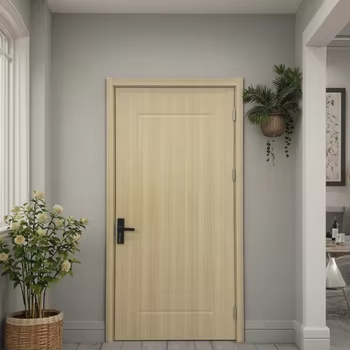
The choice of a wood door for a high-end design project is far more than a simple functional decision. A wood door represents a commitment to quality, elegance, and lasting value that resonates throughout an entire property. Whether in residential villas, luxury commercial spaces, or prestigious architectural renovations, the wood door continues to dominate premium design preferences. This preference stems from multiple interconnected factors that distinguish a wood door from mass-produced alternatives. Understanding why architects, designers, and discerning property owners favor a wood door reveals essential truths about contemporary luxury aesthetics and sustainable building practices.
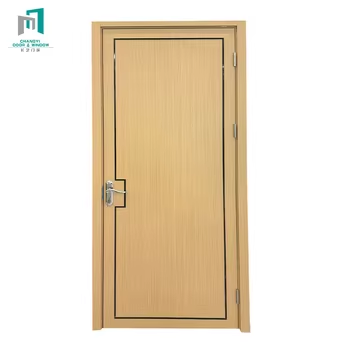
The aesthetic superiority of a wood door lies in its natural character and warmth. Each grain pattern, wood tone variation, and subtle imperfection tells a story of natural craftsmanship that cannot be replicated by synthetic materials. When architects specify a wood door for luxury interiors or prestigious entrances, they are selecting an element that elevates the entire design narrative. The tactile quality of touching a finely finished wood door creates an immediate sensory impression of quality and investment. High-end projects demand materials that convey sophistication without requiring explanation, and a wood door accomplishes this effortlessly through its inherent prestige and timeless visual language.
The Timeless Aesthetic Appeal of Wood Doors
Natural Beauty and Grain Variation
A wood door brings unmatched natural character to any architectural style. The organic grain patterns, color depth, and wood species diversity allow designers to achieve visual effects impossible with manufactured alternatives. Premium hardwoods such as mahogany, walnut, oak, and teak offer distinct personalities that complement both classical and contemporary designs. Each wood door is inherently unique, meaning no two installations appear identical. This individuality appeals to clients seeking distinctive luxury rather than cookie-cutter standardization. The natural patina that develops over time on a wood door adds another dimension of elegance that grows richer with age, unlike materials that fade or deteriorate.
Design Flexibility and Custom Specifications
The versatility of a wood door is unparalleled in the premium market. Craftspeople can create custom panel configurations, decorative inlays, beveled edges, and intricate carvings tailored to specific project visions. A wood door can be stained to match existing millwork, painted to complement contemporary palettes, or finished with specialty effects like hand-rubbed patinas. This customization capability ensures that a wood door integrates seamlessly into whatever design direction the project demands. Designers favor wood doors precisely because they offer creative control that mass-produced doors cannot match. Whether the requirement is a traditional six-panel wood door or a contemporary minimalist design, the material's workability makes any vision achievable.
Durability and Performance Characteristics
Structural Integrity and Longevity
Quality wood doors demonstrate exceptional durability when properly maintained and constructed. Premium hardwood species are naturally resistant to impact, warping, and deterioration under normal use. A wood door constructed from properly kiln-dried lumber and sealed with professional-grade finishes can withstand decades of daily use while maintaining structural integrity. The dense cellular structure of premium hardwoods provides superior sound insulation compared to hollow-core alternatives. Property owners investing in luxury spaces recognize that a wood door represents decades of reliable performance and visual appeal. The inherent strength of solid wood means a wood door can support heavy hardware, complex locking mechanisms, and sophisticated climate control systems required in high-end applications.
Weather Resistance and Environmental Stability
Modern finishing techniques have transformed how a wood door performs in challenging environmental conditions. Advanced sealants, UV-protective coatings, and weather-resistant stains ensure that a wood door resists moisture, temperature fluctuations, and solar exposure. Premium exterior wood doors are engineered with protective barriers that maintain dimensional stability across seasonal cycles. The thermal properties of a wood door provide natural insulation benefits that reduce energy costs while maintaining interior comfort. Unlike metal or synthetic alternatives that conduct temperature extremes, a wood door maintains moderate surface temperatures. This performance advantage means a wood door serves both aesthetic and practical functions in high-end residential and commercial settings.
Investment Value and Market Perception
Property Enhancement and Resale Appeal
Installing a wood door in luxury properties consistently enhances perceived value and actual market appeal. Real estate professionals recognize that quality wood doors signal investment in building quality and attention to detail. Prospective buyers evaluating high-end properties often view wood doors as markers of authenticity and craftsmanship. The presence of premium wood doors can measurably influence purchasing decisions and final sale prices in luxury markets. Designers and architects understand this market dynamic when recommending wood doors for renovation projects. A wood door is not merely a functional component but an asset that contributes meaningfully to overall property value perception and buyer confidence.
Sustainability and Timeless Value Retention
The growing emphasis on sustainable luxury has strengthened the position of wood doors in premium design. Responsibly sourced hardwoods represent renewable materials with significantly lower environmental impact than petroleum-based synthetics. A wood door manufactured from certified sustainable timber appeals to environmentally conscious luxury markets. The longevity of quality wood doors means fewer replacements over a building's lifetime, reducing cumulative environmental costs. Unlike trend-driven materials that fall out of favor, a wood door maintains aesthetic relevance across decades of changing design preferences. This enduring appeal translates to stable investment value for property owners and designers confident in the wood door's staying power.
Technical Advantages for Luxury Applications
Hardware Integration and Security Options
Premium wood doors accommodate sophisticated security hardware and locking systems that luxury applications demand. The solid wood construction provides secure anchoring for multipoint locking mechanisms, advanced electronic systems, and heavy commercial-grade hardware. A wood door can integrate seamlessly with smart home technology, biometric access systems, and specialized security features. The structural rigidity of solid wood ensures that security hardware functions reliably without component failure or alignment issues. High-end residential and hospitality projects leverage these capabilities when specifying wood doors for sensitive applications. The material's compatibility with virtually any hardware configuration makes a wood door the preferred choice for complex technical requirements.
Acoustic and Climate Control Performance
A wood door provides superior acoustic insulation due to its dense cellular composition and natural dampening properties. Sound transmission through a quality wood door is measurably lower than through hollow-core or metal alternatives. The thermal mass of a wood door helps regulate internal temperatures and reduces HVAC operational demands. Premium applications requiring privacy and energy efficiency rely on wood doors to meet or exceed performance specifications. Luxury hotels, corporate offices, and high-end residential projects specify wood doors when acoustic separation and environmental control are critical. The combination of acoustic excellence and thermal performance explains why a wood door remains the default standard in acoustically sensitive luxury environments.
FAQ
What makes a wood door superior to composite or synthetic alternatives?
A wood door offers irreplaceable aesthetic warmth, natural character variation, and tactile quality that no synthetic material can authentically replicate. The proven longevity of quality hardwood, combined with proven durability and environmental sustainability, creates a compelling case for wood doors in luxury applications. Composite materials may offer lower maintenance in specific scenarios, but a wood door delivers the prestige and market perception that define true luxury. The investment in a quality wood door typically results in superior long-term value retention compared to engineered alternatives.
How should premium wood doors be maintained to ensure lasting performance?
A wood door requires periodic protective maintenance including annual inspection of finish integrity, protective resealing every three to five years, and prompt addressing of any moisture infiltration. Environmental control through proper ventilation and consistent humidity management helps a wood door maintain dimensional stability. Hardware lubrication and preventative weatherstripping maintenance keep a wood door functioning optimally. Professional refinishing services can restore a wood door's appearance after years of use, making restoration far more cost-effective than replacement. High-end properties typically engage specialists for wood door maintenance to preserve appearance and functionality.
Can wood doors meet modern energy efficiency and security standards?
Contemporary engineered wood doors easily meet or exceed current energy efficiency standards through advanced sealing systems, weather-resistant finishes, and thermally optimized construction. A wood door equipped with multipoint locking systems, reinforced frames, and security-grade hardware provides security performance equivalent to or exceeding alternative materials. Modern wood door manufacturing incorporates thermal breaks and specialized hardware that maximizes insulation while maintaining the aesthetic benefits of solid wood. Luxury applications worldwide continue selecting wood doors precisely because they satisfy both performance requirements and aesthetic preferences that define premium design.