 EN

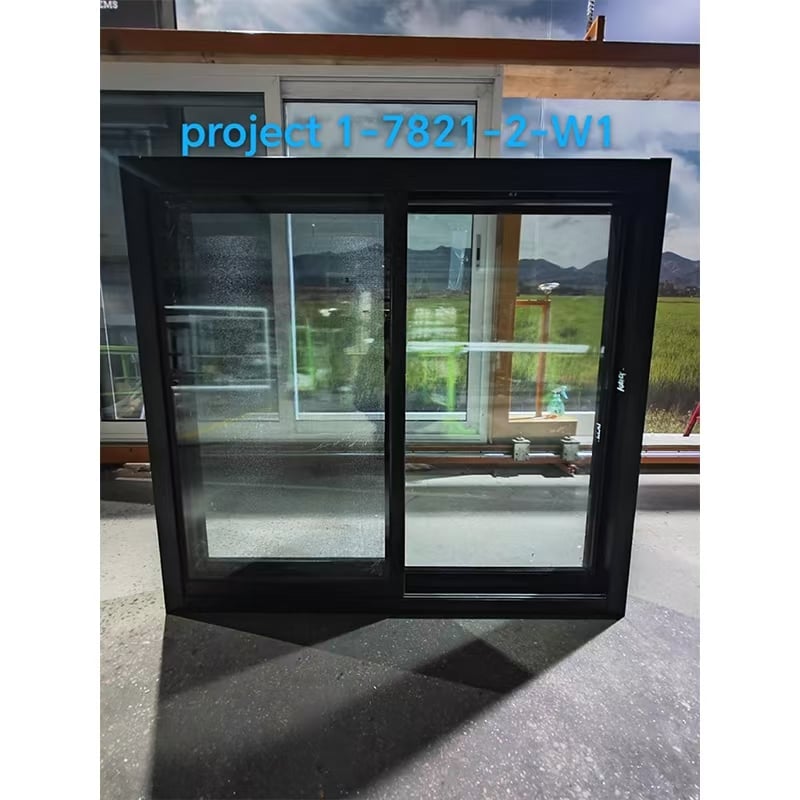
The sliding window has become increasingly popular in modern building design, offering homeowners and commercial developers a practical solution that combines functionality with contemporary aesthetics. Unlike traditional double-hung or casement options, a sliding window operates on horizontal tracks, allowing panels to glide smoothly from side to side. This fundamental design difference creates multiple advantages that make the sliding window an attractive choice for architects, builders, and property owners looking to optimize both performance and visual appeal in their structures.
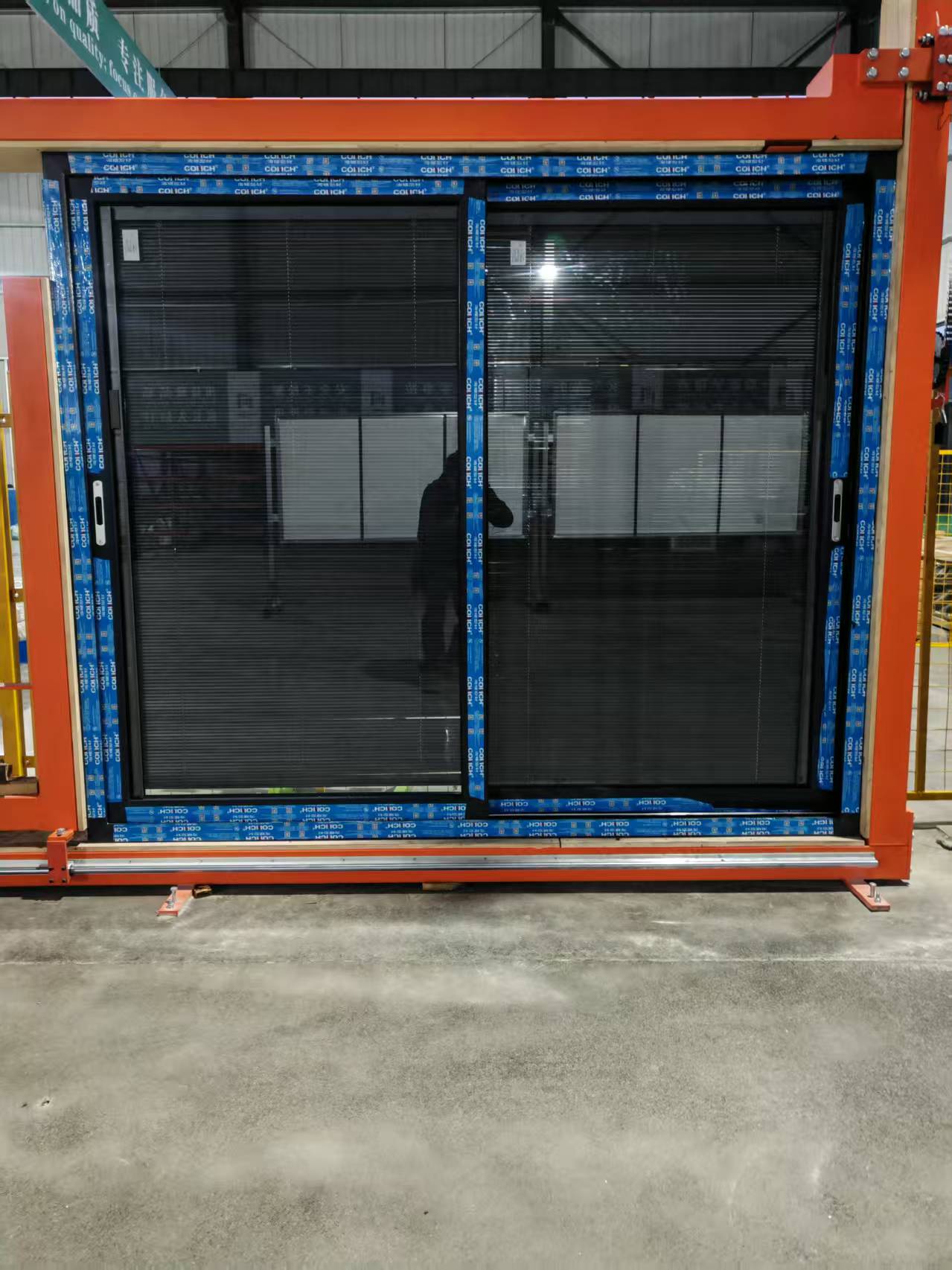
A sliding window system delivers significant practical and economic benefits that extend beyond basic window function. From improved energy efficiency to enhanced architectural flexibility, the sliding window represents a thoughtful investment in building quality and long-term operational cost reduction. Understanding these advantages helps stakeholders make informed decisions when planning new construction or renovation projects.
Energy Efficiency and Climate Control Benefits
Thermal Performance of Modern Sliding Window Systems
Modern sliding window designs incorporate advanced insulation technology that significantly reduces heating and cooling costs. A sliding window constructed with multi-chambered frames and low-emissivity glass creates a superior thermal barrier compared to older window styles. The tight sealing mechanism of contemporary sliding window units minimizes air leakage, preventing conditioned air from escaping during winter months and blocking unwanted heat gain during summer. Building owners who upgrade to high-performance sliding window systems often report energy savings between 15% and 30%, depending on climate zone and existing window condition.
Weatherproofing and Moisture Management
The sliding window design inherently provides excellent water management capabilities when properly installed and maintained. Unlike some traditional window types that rely on complex drainage systems, a sliding window features an integrated sill design that naturally directs water away from the interior. Modern sliding window technology includes compression seals and weep holes strategically positioned to handle heavy rainfall without interior water penetration. This weatherproofing advantage makes the sliding window particularly suitable for buildings in regions experiencing frequent storms or high precipitation.
Aesthetic Flexibility and Design Integration
Contemporary Visual Appeal in Building Facades
The horizontal orientation of a sliding window creates clean, linear sight lines that complement modern architectural aesthetics and enhance contemporary building facades. Architects increasingly specify the sliding window because its streamlined profile works seamlessly with minimalist design philosophies and industrial-style construction. The sliding window frame can be customized in various colors, materials, and finishes to match specific design visions, whether for sleek corporate offices or residential properties pursuing modern elegance. Large expanses of glazing become practical through sliding window configurations that maintain structural integrity while maximizing daylight penetration.
Space-Saving Operation and Installation Flexibility
Unlike casement windows that swing outward and require clearance space, a sliding window operates within its frame plane, making it ideal for buildings with limited exterior clearance or unique spatial constraints. This operational advantage of the sliding window makes it particularly valuable in urban environments where external wall space cannot accommodate protruding window sashes. The sliding window configuration also simplifies furniture placement near windows and improves accessibility for cleaning and maintenance. Building designers leverage these spatial advantages of the sliding window to create flexible interior layouts and maximize usable square footage.
Durability, Maintenance, and Long-Term Value
Simplified Maintenance Requirements
The sliding window mechanism operates with fewer moving parts than many alternative window styles, resulting in reduced maintenance demands and extended operational lifespan. A sliding window tracks can be easily cleaned and lubricated, and replacement of damaged seals remains a straightforward, cost-effective procedure that building managers can often handle without specialized contractor expertise. The robust construction of quality sliding window units means they withstand decades of regular operation with minimal deterioration. This durability advantage makes the sliding window particularly attractive for commercial properties and multi-unit residential buildings where maintenance efficiency directly impacts operating budgets.
Cost-Benefit Analysis and Property Value Enhancement
The initial investment in premium sliding window systems typically generates measurable return on investment through reduced energy consumption and lower maintenance expenses over the building's operational lifetime. A sliding window upgrade often qualifies for energy efficiency tax credits and rebates in many jurisdictions, further improving the financial case for installation. Commercial properties featuring modern sliding window systems typically command higher rental rates and attract quality tenants, as the windows communicate contemporary standards and operational efficiency. The sliding window choice demonstrates attention to building performance quality, enhancing perceived property value among discerning buyers and lessees.
Operational Advantages and User Experience
Smooth Functionality and User Control
A sliding window provides intuitive, accessible operation that requires minimal effort even for elderly residents or individuals with limited physical strength. The horizontal gliding motion of a sliding window feels natural and predictable, and the smooth operation persists even after years of use when the window receives basic maintenance. Multi-panel sliding window configurations allow independent control of different sections, enabling precise ventilation management and flexible air circulation patterns. This user-friendly aspect of the sliding window contributes to occupant satisfaction and reduces complaints in residential and commercial buildings.
Ventilation Flexibility and Indoor Air Quality
The sliding window design facilitates proportional opening from minimal crack ventilation to full maximum aperture, giving occupants precise control over natural ventilation rates. During mild weather, a sliding window can remain open without compromising security or creating drafts, enabling fresh air circulation that supports indoor air quality and occupant wellbeing. The consistent performance of sliding window systems across varying weather conditions makes them reliable for buildings pursuing natural ventilation strategies and reduced reliance on mechanical systems. This ventilation capability enhances the sustainable operation of modern structures emphasizing occupant health and environmental responsibility.
FAQ
What makes a sliding window more energy efficient than traditional window types?
Modern sliding window systems achieve superior energy performance through multi-chambered frames, low-emissivity coatings on insulated glass units, and advanced compression seals that minimize air infiltration. The sliding window design eliminates the air leakage paths common in older window styles, and contemporary manufacturing standards ensure consistent thermal performance across the entire sliding window unit. Quality sliding window installations create tight thermal envelopes that substantially reduce heating and cooling requirements.
Can a sliding window be effectively installed in commercial high-rise buildings?
Yes, the sliding window configuration is widely used in commercial high-rise applications because the design provides excellent performance in exposed environments and meets stringent building code requirements for wind resistance and water infiltration. Commercial-grade sliding window systems undergo extensive testing to ensure safety and reliability at elevation, and their streamlined aesthetic enhances modern commercial facades. Many architects specify sliding window solutions for prestigious office buildings because they combine performance with sophisticated visual presence.
How much maintenance does a sliding window typically require over its lifespan?
A sliding window requires minimal maintenance consisting primarily of periodic track cleaning and occasional lubrication with silicone-based products to maintain smooth operation. Seal replacement represents the primary maintenance activity for aging sliding window units, typically occurring after 15-20 years of regular operation. Properly maintained sliding window systems often function effectively for 25-30 years or longer, demonstrating exceptional durability compared to many alternative window technologies and justifying the initial investment.