 EN

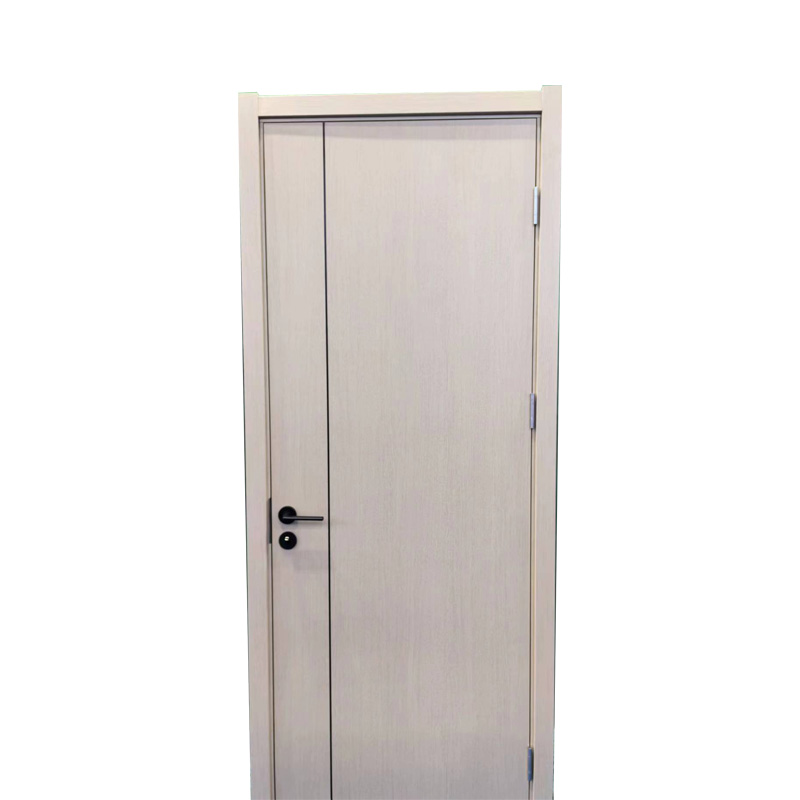
Selecting the right wood door supplier is one of the most critical decisions a buyer can make when outfitting residential or commercial properties. The wood door you choose impacts aesthetics, durability, energy efficiency, and long-term maintenance costs. A reliable wood door supplier understands your project requirements and delivers products that meet performance standards while remaining cost-effective. When sourcing a wood door partner, you need to evaluate multiple dimensions simultaneously: manufacturing capability, quality control, customization options, certification compliance, and customer support infrastructure. This comprehensive approach ensures that your wood door investment aligns with both immediate project needs and future operational expectations.
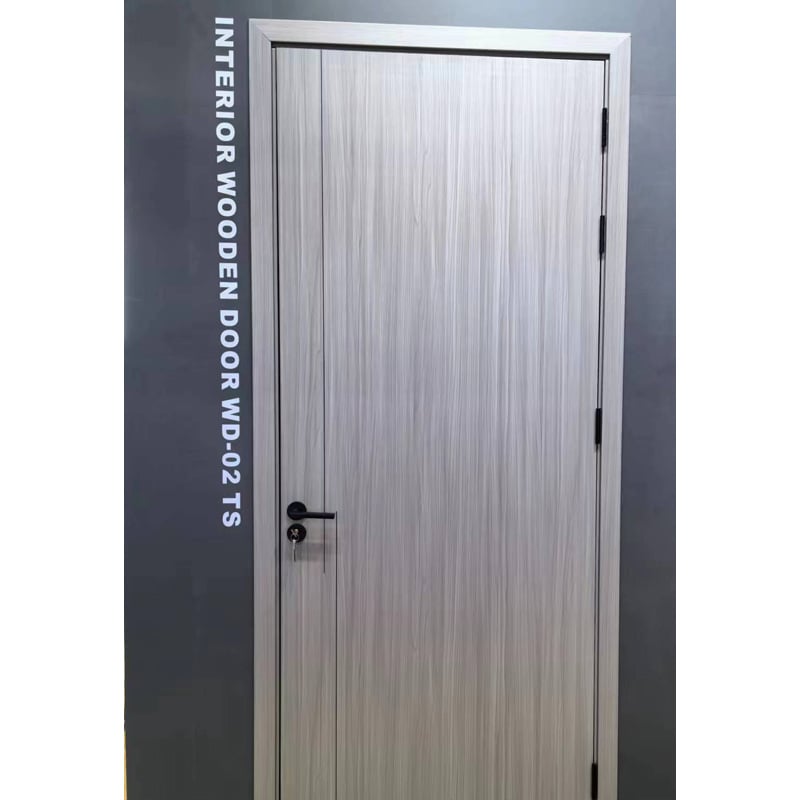
Buyers often face intense pressure to minimize costs, but the lowest-priced wood door supplier is rarely the best value proposition. A qualified wood door provider combines competitive pricing with transparent communication, technical expertise, and proven delivery performance. Throughout the sourcing process, you should collect detailed specifications, request samples, verify manufacturing certifications, and compare total cost of ownership rather than unit price alone. This disciplined evaluation prevents costly delays, quality failures, and installation complications that can damage your project timeline and reputation.
Manufacturing Capability and Wood Door Specifications
Production Capacity and Lead Times
A credible wood door supplier must demonstrate capacity to handle your project volume within acceptable lead times. Before committing to any wood door contract, verify the supplier's production facility size, equipment sophistication, and workforce experience. Ask for detailed production schedules and confirm whether the wood door manufacturer operates single or multiple production lines. Lead times vary significantly between wood door suppliers, and a supplier with limited capacity may compromise quality if forced to rush production. Request references from previous wood door customers regarding on-time delivery performance and whether the wood door supplier has managed volume spikes or complex custom orders successfully.
Customization and Design Flexibility
Your wood door specifications may require custom dimensions, hardware configurations, finish options, or specialty glazing. A responsive wood door supplier should offer flexible design services to accommodate architectural or aesthetic requirements without excessive cost premiums. Evaluate whether the wood door provider maintains in-house design capabilities or relies on third-party partners. Discuss modification processes, prototype development timelines, and how the wood door supplier manages design revisions. Strong wood door manufacturers invest in CAD systems, sample libraries, and design consultation to support buyer specifications. A supplier unwilling to discuss customization or charging prohibitive fees for wood door modifications signals limited manufacturing sophistication.
Quality Standards and Regulatory Compliance
Material Quality and Wood Door Construction
The wood door you source must withstand environmental stresses including temperature fluctuations, humidity exposure, mechanical wear, and weathering. Request detailed material specifications from the wood door supplier, including wood species, moisture content standards, joinery methods, and finish systems. Verify that the wood door manufacturer uses kiln-dried lumber to prevent warping and splitting after installation. Ask about veneer thickness, adhesive formulations, and sealing protocols that protect the wood door from moisture intrusion. Inspect sample wood doors under different lighting conditions to assess finish consistency and workmanship quality. A professional wood door supplier maintains rigorous quality control at every production stage and provides documentation proving material compliance.
Certifications and Performance Testing
Building codes and industry standards mandate specific performance criteria for wood door products. Your wood door supplier should hold relevant certifications such as NFRC ratings for energy performance, fire ratings for safety compliance, and acoustic ratings where sound isolation matters. Verify that the wood door manufacturer has third-party testing credentials and maintains documentation of performance verification. Ask whether the wood door provider participates in industry certification programs and stays current with evolving standards. A reputable wood door supplier proactively communicates regulatory requirements and explains how their products meet or exceed applicable codes. Request copies of test certificates, performance data sheets, and compliance documentation before finalizing any wood door purchase agreement.
Supplier Reliability and Business Stability
Financial Health and Long-Term Viability
Sourcing a wood door from an unstable supplier creates project risk and potential supply chain disruption. Conduct financial background research on prospective wood door providers to assess business viability. Review credit ratings, payment histories, and company financial statements if available. A financially stable wood door supplier maintains consistent operations, invests in equipment and training, and fulfills long-term service obligations. Ask about ownership structure, management experience, and company history to understand whether the wood door manufacturer has weathered market downturns. Avoid suppliers showing signs of financial distress such as frequent staffing changes, delayed shipments, or communication breakdowns. Strong wood door providers maintain transparent financial practices and welcome reasonable due diligence inquiries from professional buyers.
Customer Service and Technical Support
After placing your wood door order, responsive customer support becomes essential for addressing installation questions, handling damage claims, or managing unexpected issues. Evaluate the wood door supplier's communication infrastructure, including direct contact channels, response time commitments, and technical expertise availability. Request contact information for both sales and post-sale support teams. Ask how the wood door provider handles warranty claims and whether they maintain regional service representatives who can inspect problems on-site. Review customer testimonials or case studies describing the wood door supplier's responsiveness during project execution. A proactive wood door manufacturer proactively communicates shipment status, provides installation guidance, and demonstrates accountability when issues arise.
Total Cost Evaluation and Risk Management
Pricing Transparency and Hidden Costs
Request detailed pricing breakdowns from multiple wood door suppliers to ensure apples-to-apples comparison. A transparent wood door provider lists unit costs, customization charges, packaging fees, delivery expenses, and warranty terms explicitly. Watch for wood door suppliers burying costs in vague line items or quoting prices conditional on future negotiations. Total cost of ownership includes not just purchase price but also delivery, installation labor, potential rework if quality issues emerge, and maintenance requirements. A wood door with lower initial cost may generate higher lifetime expenses if it deteriorates faster or requires frequent repairs. Evaluate whether the wood door supplier offers financing options, volume discounts, or strategic partnership arrangements that improve overall value.
Quality Guarantees and Warranty Provisions
Your wood door agreement should include clear warranty language protecting you against defects, performance failures, or premature deterioration. Establish what the wood door supplier covers, warranty duration, replacement versus repair options, and claim procedures. Ask whether the wood door warranty extends to finish degradation, structural integrity, or hardware functionality. A reputable wood door manufacturer stands behind their products and maintains realistic warranty terms reflecting actual product durability. Compare warranty provisions across multiple wood door suppliers and understand what obligations exist if the wood door fails within the warranty period. Request written warranty documentation before purchase and clarify any ambiguities with the wood door provider's legal or customer service team.
FAQ
What certifications should I verify when evaluating wood door suppliers?
Verify that your wood door supplier holds NFRC energy ratings, fire safety certifications, and acoustic performance ratings relevant to your project requirements. Third-party testing credentials prove that the wood door has undergone independent verification rather than relying solely on manufacturer claims. Ask your wood door provider for copies of all certification documentation and confirm that ratings apply to the specific wood door models you are purchasing. Building code compliance is non-negotiable, so prioritize wood door suppliers who maintain current certifications and demonstrate understanding of local regulatory requirements.
How do I assess a wood door supplier's manufacturing quality?
Request product samples and inspect them for finish consistency, joinery precision, and material quality. Ask the wood door supplier about their quality control processes, including how many inspection checkpoints occur during production. Visit the wood door manufacturer's facility if possible to observe production firsthand and discuss their quality management systems. Request references from previous customers and ask specifically about defect rates, rework frequency, and whether wood door quality remained consistent across large orders. A professional wood door supplier welcomes facility tours and openly discusses quality metrics.
Should I prioritize lowest price when selecting a wood door supplier?
Lowest-price wood door suppliers often cut corners in materials, finish quality, or manufacturing precision, creating problems after installation. Instead, evaluate total cost of ownership including purchase price, delivery, installation labor, potential repairs, and expected lifespan. Compare three to five qualified wood door suppliers and select the one offering the best balance of quality, reliability, and value. A wood door investment typically lasts many years, so prioritizing long-term durability and performance over short-term savings generates better financial outcomes and customer satisfaction.