 EN

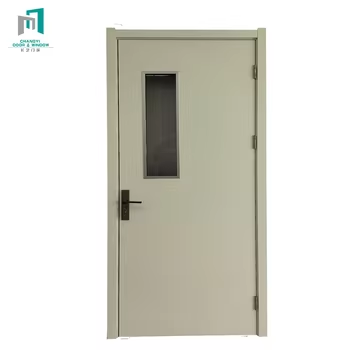
A well-maintained wood door serves as both a functional entry point and a design statement for any property. However, many property owners underestimate the importance of proper maintenance when it comes to preserving the appearance and integrity of their wood door. The finish on your wood door is constantly exposed to environmental stressors including sunlight, moisture, temperature fluctuations, and physical wear. Understanding how to maintain a wood door finish is essential for protecting your investment and ensuring that your wood door remains beautiful, functional, and valuable for decades. This comprehensive guide explores proven strategies to keep your wood door in pristine condition.
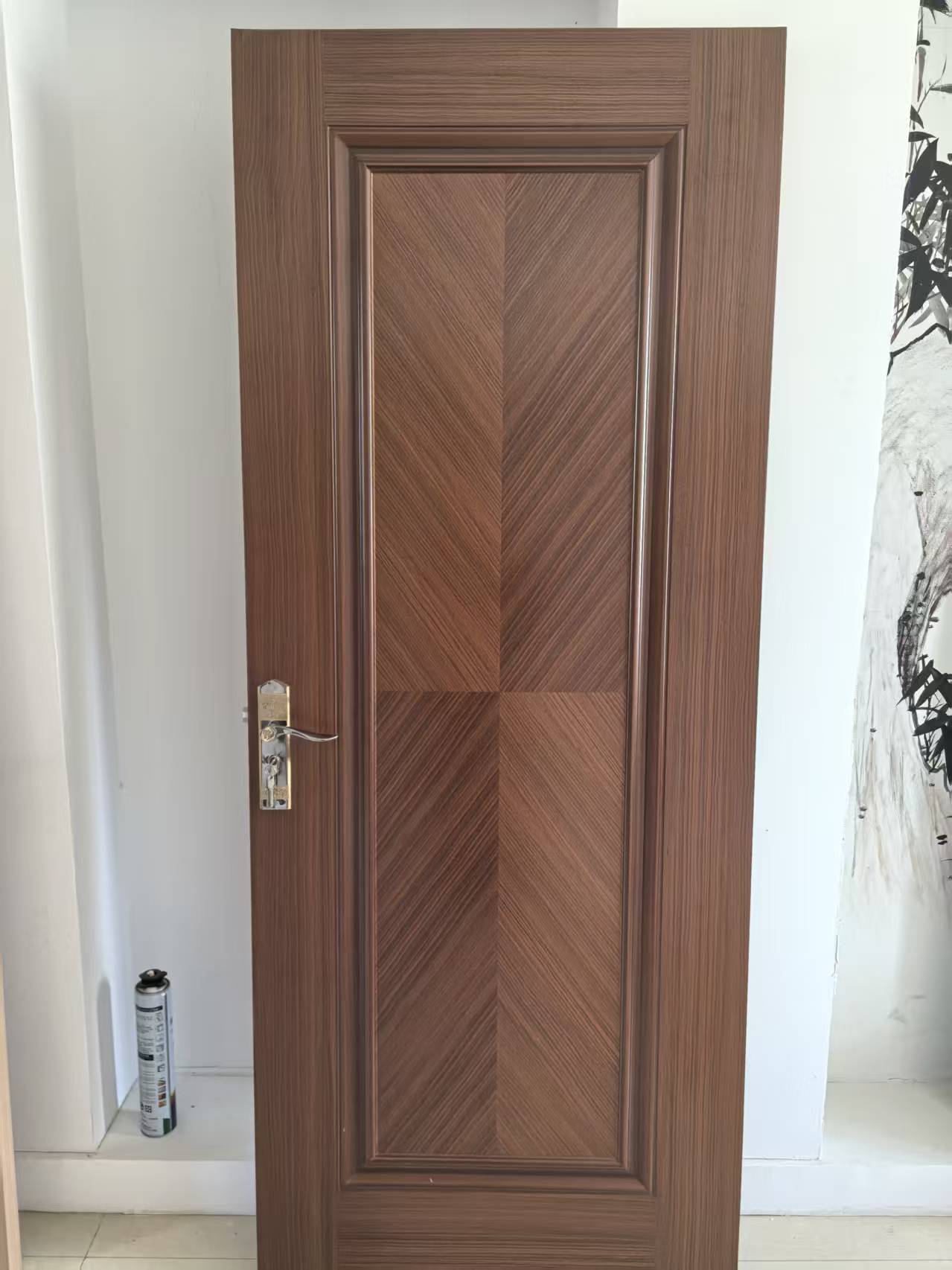
The longevity of your wood door depends significantly on the quality of care you provide. Regular maintenance routines prevent damage, slow deterioration, and help you identify emerging issues before they become costly problems. A wood door that receives consistent attention will maintain its aesthetic appeal, structural integrity, and protective properties far longer than one that is neglected. By implementing the strategies outlined in this guide, you can extend the lifespan of your wood door significantly and enjoy its beauty for many years.
Understanding Wood Door Finish Degradation
Environmental Factors Affecting Wood Door Appearance
Your wood door finish faces constant challenges from the external environment. Ultraviolet rays penetrate the surface coating and break down the wood fibers beneath, causing fading, discoloration, and surface checking. Moisture from rain, snow, and humidity cycles into and out of the wood, causing expansion and contraction that stresses the finish and creates cracks. Temperature swings between seasons and between day and night accelerate these processes. When maintaining a wood door, you must recognize these natural forces as the primary cause of finish deterioration. Understanding this reality helps you appreciate why consistent maintenance of your wood door is not optional but essential for preservation.
Common Finish Problems and Their Causes
Several distinct problems indicate that your wood door finish requires attention. Peeling or flaking finish suggests moisture has penetrated beneath the coating, compromising adhesion. Chalky or faded surfaces indicate UV damage and oxidation of the protective layer. Water stains and dark patches reveal moisture damage and potential mold growth. Gaps or checking in the wood itself signal extreme moisture fluctuation that has stressed the wood structure. Gray or weathered appearance indicates prolonged exposure without protective coating renewal. A wood door experiencing any of these issues needs immediate attention to prevent further deterioration. Maintaining a wood door prevents these problems from developing in the first place, which is far more efficient than waiting for damage to occur.
Essential Cleaning and Protection Strategies
Regular Cleaning Protocols for Wood Door Maintenance
The foundation of effective wood door care begins with regular cleaning. Dust and debris accumulate on the surface and can trap moisture against the wood, accelerating deterioration. Clean your wood door every two to four weeks using a soft, lint-free cloth slightly dampened with water. For stubborn dirt or grime, use a mild soap solution and dry immediately with a clean cloth. Avoid harsh chemicals, abrasive scrubbers, or pressure washers that can damage the finish or force water into the wood. Pay special attention to the top edge and bottom of your wood door, where water tends to accumulate. Consistent cleaning of your wood door removes contaminants before they cause permanent damage and allows you to inspect the finish for early signs of wear.
Protective Coating Application and Renewal
Applying a protective coating is the most critical step in maintaining a wood door finish. Quality exterior wood stains and sealers create a barrier against moisture, UV rays, and physical damage. Every two to three years, assess your wood door finish and plan for recoating when you notice fading, chalking, or loss of water beading. Before recoating, sand the surface lightly to improve adhesion, and ensure the wood door is completely dry. Apply quality exterior-grade stain or sealant according to manufacturer specifications, typically in thin, even coats. Allow proper drying time between coats and after the final coat before exposing your wood door to weather. This renewal cycle of maintaining a wood door finish keeps protective barriers fresh and prevents cumulative damage. A wood door with properly maintained protective coatings will resist weathering far more effectively than unprotected wood.
Advanced Maintenance Practices for Optimal Results
Addressing Moisture and Seasonal Challenges
Moisture management is critical when maintaining a wood door in regions with significant seasonal variation. Install or maintain weatherstripping around the frame to reduce direct water exposure during rain and snow. Apply clear sealant to the top and bottom edges of your wood door, where water penetration poses the greatest risk. In high-humidity climates, consider applying an additional clear topcoat over your stain for extra protection. Monitor the interior side of your wood door for moisture accumulation, as condensation from indoor-outdoor temperature differences can penetrate from unexpected angles. During spring and fall transitions, inspect your wood door carefully and dry any moisture promptly. Addressing moisture challenges is fundamental to maintaining a wood door in good condition across all climate zones.
Hardware and Frame Inspection
While finishing the wood surface is primary, maintaining a wood door requires attention to hardware and the surrounding frame. Corroded hinges, locks, and hardware can allow water to seep into the wood along fastener paths. Apply protective coating around hardware installations and check for water intrusion regularly. Inspect the frame and caulking seal where your wood door meets the wall. Degraded caulk allows weather penetration and compromises the entire wood door system. Recaulk when you notice gaps, cracks, or peeling. Ensure gutters and downspouts direct water away from the door area. These complementary steps ensure that your wood door maintenance efforts address the complete picture rather than focusing narrowly on the finish alone. Comprehensive attention to all elements maximizes the effectiveness of your wood door care routine.
FAQ
How often should I refinish a wood door?
Most wood doors benefit from refinishing every two to three years, depending on climate and sun exposure. If your wood door is in a high-UV area or receives significant weather exposure, annual inspection and touch-ups may be necessary. Signs that your wood door needs refinishing include visible fading, chalky texture, water beading failure, or visible checking. Rather than waiting for obvious deterioration, maintaining a wood door on a predictable schedule is more cost-effective and preserves appearance better than reactive refinishing.
Can I use interior paint on my wood door?
No, interior products are not suitable for outdoor wood door maintenance. Interior paints and stains lack the UV protection, moisture resistance, and durability required for exterior conditions. Always use products specifically formulated for exterior wood when maintaining a wood door. These products contain additives that resist fading, repel moisture, and maintain flexibility as the wood expands and contracts. Using the correct product category is essential to maximizing the lifespan of your wood door finish.
What should I do if my wood door has already started peeling?
If your wood door finish is peeling, address it immediately to prevent moisture from penetrating deeper into the wood. Scrape away loose finish carefully, sand the affected area smooth, and allow the wood to dry completely before applying new finish. For extensive peeling across the entire wood door, professional stripping and refinishing may be the most effective solution. Prompt action when maintaining a wood door prevents minor damage from developing into structural problems that require costly repairs or replacement.