 EN
EN

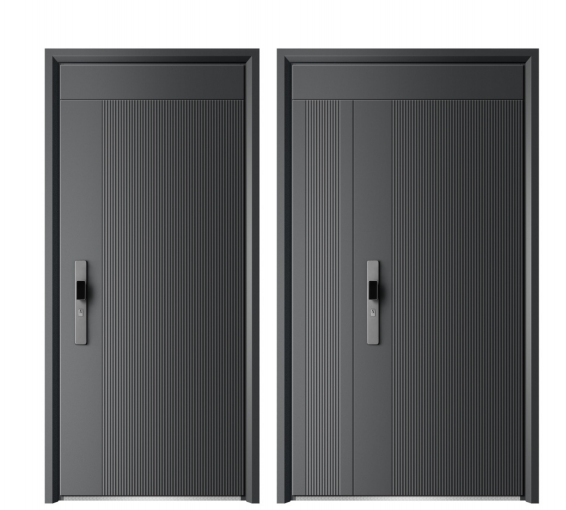
Selecting the right entrance door for a commercial building is one of the most critical decisions a facility manager or property owner can make. An entrance door serves as the first line of defense against security threats, weather conditions, and unauthorized access while also shaping the visual identity of your property. The entrance door you choose will impact daily operations, maintenance costs, energy efficiency, and overall building performance for years to come. Understanding the key factors that influence entrance door selection ensures you invest in a solution that meets your specific operational and aesthetic requirements.
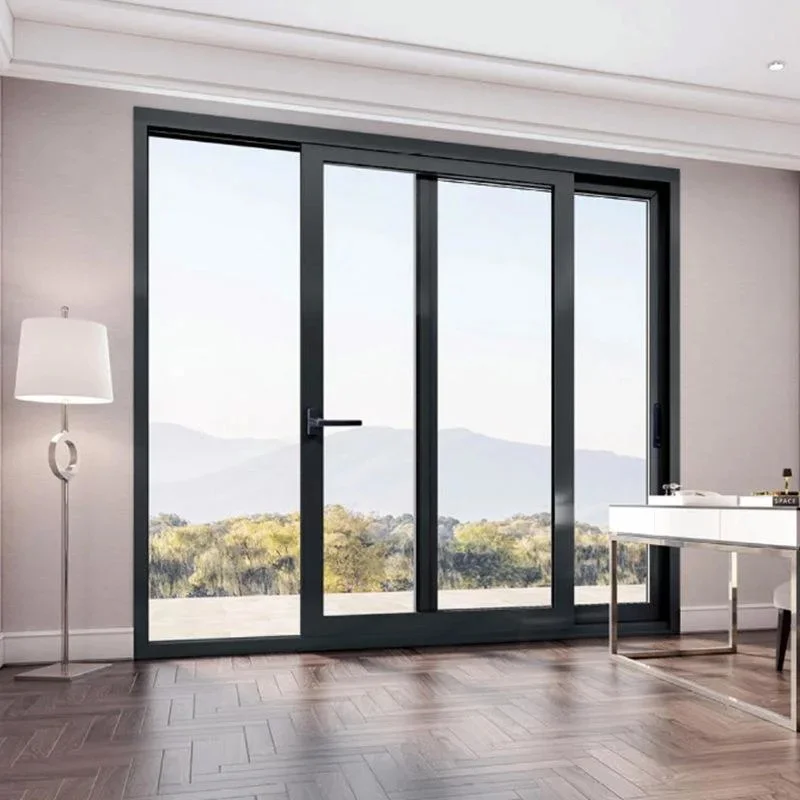
Commercial entrance door systems vary significantly in their construction, materials, performance ratings, and functionality. Choosing the wrong entrance door can lead to security vulnerabilities, increased energy costs, poor user experience, and premature deterioration. This comprehensive guide walks you through the essential criteria for evaluating entrance door options, understanding material properties, assessing security and access requirements, and aligning your choice with building codes and operational needs.
Understanding Entrance Door Material Options
Metal and Aluminum Entrance Door Frames
Metal entrance doors, particularly aluminum constructions, dominate the commercial sector because they balance durability, aesthetics, and performance. An aluminum entrance door resists corrosion, requires minimal maintenance, and can accommodate modern glass infill designs that enhance building aesthetics. The entrance door frame material directly influences thermal performance, structural integrity, and lifespan. Aluminum entrance door systems can be thermally broken, meaning the frame incorporates insulation layers that prevent heat transfer and improve energy efficiency compared to solid metal alternatives. When evaluating an entrance door made from aluminum or steel, verify the gauge thickness, frame depth, and thermal break specifications to ensure the entrance door meets your climate and performance expectations.
Glass and Hybrid Entrance Door Designs
Modern commercial entrance door systems frequently feature glass panels or full-glass designs combined with metal frames. A glass entrance door provides transparency, professional appearance, and natural light penetration while maintaining structural integrity when properly specified. The entrance door glass should be tempered or laminated for safety, and insulated glass units reduce energy loss significantly compared to single-pane designs. Many facilities choose a hybrid entrance door that combines metal frames with glass panels to achieve both visual appeal and thermal performance. When specifying entrance door glass components, confirm the U-value rating, solar heat gain coefficient, and impact resistance to ensure the entrance door aligns with your building's climate zone and security standards.
Security and Access Control Features for Entrance Doors
Locking Systems and Access Credentials
Security represents the primary function of any commercial entrance door system. Modern entrance door hardware integrates electronic locks, credential readers, and access control logic that restrict entry to authorized personnel only. Your entrance door locking mechanism might include key cylinders, card readers, biometric scanners, or smartphone-based credentials depending on your security posture and operational complexity. The entrance door should support fail-safe or fail-secure operation modes based on your facility's emergency evacuation requirements. When selecting an entrance door with integrated access control, verify compatibility with your building's central security management platform and confirm that the entrance door supports audit logging to track access events and identify anomalies.
Impact Resistance and Durability Standards
An entrance door in a high-traffic commercial environment must withstand daily impacts from carts, wheelchairs, and accidental collisions while resisting intentional forced entry attempts. The entrance door frame design, glass thickness, and hardware robustness all contribute to impact resistance ratings. Some entrance door systems meet or exceed standards like ASTM F1233 for security performance or ANSI/DASMA 108 for forced entry resistance. Your entrance door specification should match the threat level appropriate for your facility type, location, and tenant profile. A healthcare entrance door faces different pressures than an office entrance door in a secure campus, so baseline your entrance door requirements against industry standards and local security recommendations before making your final selection.
Operational Performance and Energy Efficiency
Thermal Insulation and Climate Considerations
The entrance door represents a significant thermal boundary in building envelopes, and poor entrance door performance directly increases heating and cooling costs year-round. Entrance door U-value measures thermal transmittance; lower U-values indicate better insulation and reduced energy loss through your entrance door. In cold climates, prioritize entrance door designs with multiple glazing layers, thermal breaks in the frame, and weatherstripping that minimizes air infiltration. The entrance door air leakage rate should be verified through laboratory testing to ensure the entrance door meets NFRC or comparable standards. An optimized entrance door not only reduces utility costs but also enhances occupant comfort by eliminating drafts and thermal bridging that creates uncomfortable zones near your entrance door.
Accessibility and User Experience
Commercial entrance door systems must comply with ADA accessibility requirements, including appropriate door width, operating force, hardware height, and automated opening assistance. Your entrance door operating force should not exceed the ADA limit to ensure mobility-impaired visitors can enter independently without assistance. Many facilities install automated entrance door operators that sense approaching occupants and trigger door opening, eliminating the need for manual force. The entrance door hardware finish, color, and wayfinding elements should clearly communicate the entrance door function and location. Testing your entrance door with actual users, including elderly visitors and those with mobility aids, reveals operational friction that design specifications alone might miss. Investing in user-centric entrance door design improves visitor experience, reduces liability exposure, and demonstrates institutional commitment to inclusion.
Building Code Compliance and Entrance Door Specifications
Fire and Life Safety Standards
Building codes mandate specific entrance door fire ratings, glass types, and operational requirements based on occupancy classification and exit path designation. An entrance door serving as an emergency exit must support fail-safe egress operation where the entrance door automatically unlocks during fire alarm activation or power loss. Fire-rated entrance door assemblies undergo testing to verify that the entrance door frame, glass, seals, and hardware maintain integrity under extreme heat for the rated duration. Your entrance door fire rating certificate should reference specific code sections and testing standards like NFPA 252 to confirm compliance. Non-compliance with entrance door fire code requirements can result in failed inspections, liability exposure, and operational restrictions, so baseline your entrance door selection against your local authority having jurisdiction before procurement.
Aesthetic and Branding Integration
While functionality drives entrance door selection, the visual presentation of your entrance door directly influences visitor perception and brand identity. An entrance door finish in brushed stainless steel, powder-coated aluminum, or custom colors can align with architectural design intent and differentiate your facility. Some entrance door systems accommodate custom logos, signage integration, or specialty glazing patterns that reinforce brand messaging at the threshold. The entrance door hardware finish, handle style, and material selection should coordinate with interior design language to create a cohesive experience. Balancing security and access control requirements with aesthetic aspirations for your entrance door requires collaboration between security, facilities, and design teams early in the procurement process. Your entrance door becomes a design anchor point, so investing in visual quality supports long-term brand perception and tenant satisfaction.
FAQ
What factors should I prioritize when selecting an entrance door for a commercial building?
Prioritize security, compliance with building codes, thermal performance, accessibility, and durability when selecting an entrance door. Your entrance door choice must balance functional requirements including locking systems, fire ratings, and emergency egress with operational factors like user experience and maintenance demands. Verify that your entrance door meets local fire codes, ADA accessibility standards, and your facility's specific security posture. Additionally, ensure the entrance door thermal properties align with your climate zone to minimize energy costs throughout the building's operational life.
How does entrance door material affect long-term maintenance and total cost of ownership?
Entrance door material selection significantly impacts maintenance burden and lifecycle costs. An aluminum entrance door resists corrosion and requires minimal maintenance compared to steel alternatives that may rust in humid or salt-spray environments. Tempered or laminated glass in your entrance door may require periodic cleaning but resists scratching and maintains clarity longer than single-pane alternatives. Thermal-break aluminum entrance door frames prevent condensation and thermal stress that degrades seals and hardware prematurely. Calculating your entrance door total cost of ownership over 15–20 years reveals that premium materials and thermal performance often deliver lower long-term costs than budget alternatives that require frequent repairs or early replacement.
Can entrance door systems integrate with existing building security and access control infrastructure?
Yes, modern entrance door systems are designed for integration with centralized building security platforms. Your entrance door access control hardware must communicate with your building management system to support credential authentication, audit logging, and emergency lockdown protocols. Verify that your entrance door electronic locks, card readers, and biometric components use industry-standard protocols compatible with your facility's existing infrastructure. Many entrance door manufacturers provide API documentation and technical specifications to facilitate seamless integration during procurement and installation. Early coordination between your entrance door supplier, security integrator, and IT team ensures your entrance door functions reliably as part of your broader security ecosystem.