 EN
EN

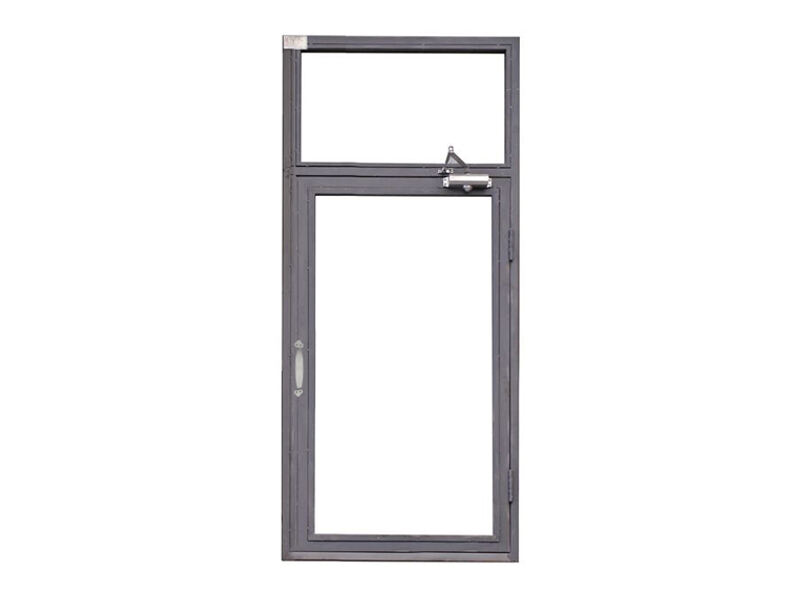
When selecting doors for residential or commercial properties, the combination of durability, aesthetics, and cost-effectiveness remains paramount. Wood Plastic Composite (WPC) doors have emerged as a superior alternative to traditional wooden doors, offering enhanced performance characteristics that address common issues like moisture damage, termite resistance, and maintenance requirements. A complete WPC door with frame package provides homeowners and contractors with a comprehensive solution that ensures proper installation and optimal performance. Understanding the components, benefits, and installation considerations of these complete door sets helps buyers make informed decisions for their projects.
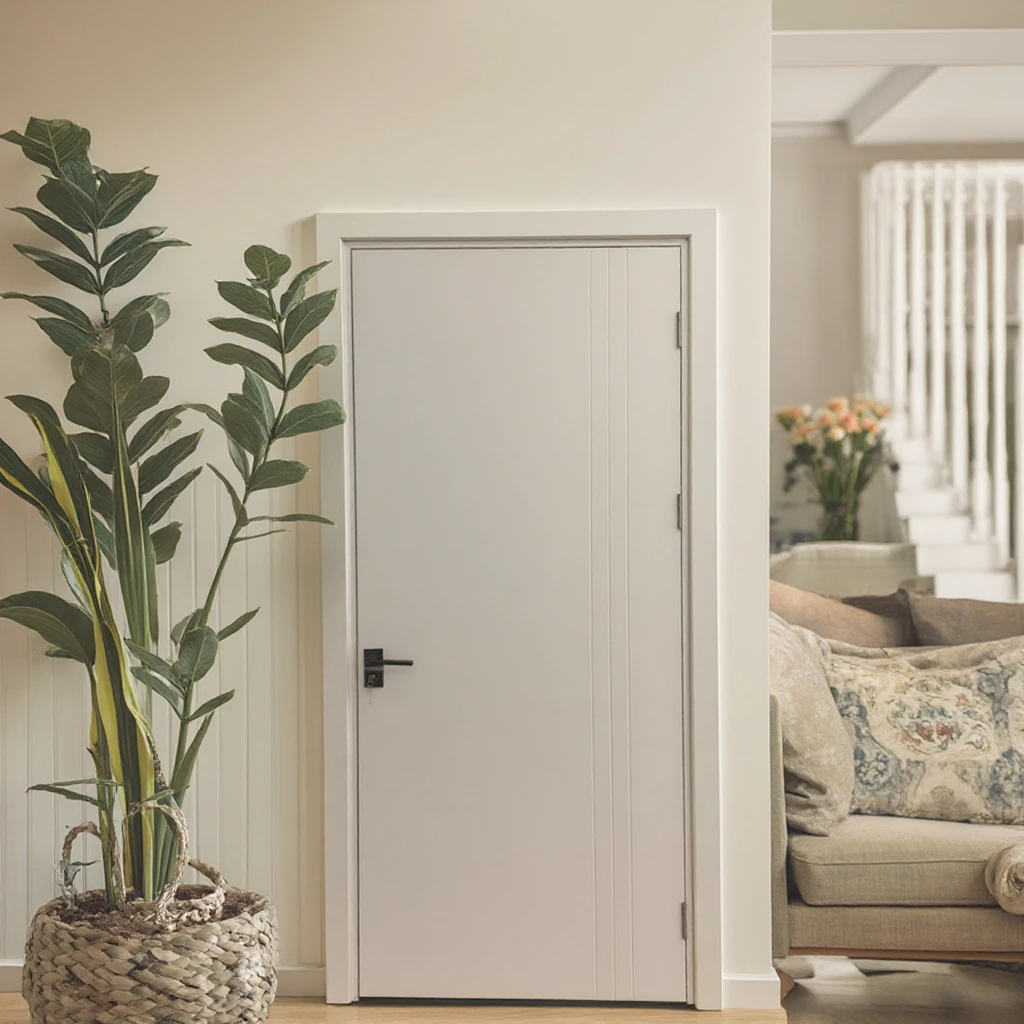
The construction industry has witnessed significant advancements in building materials, with WPC technology representing one of the most innovative developments in door manufacturing. These composite doors combine the natural appearance of wood with the durability of plastic materials, creating products that withstand environmental challenges while maintaining aesthetic appeal. Complete door packages that include both the door panel and frame eliminate compatibility issues and ensure seamless integration during installation processes.
Modern construction projects increasingly demand materials that offer long-term value and reduced maintenance requirements. WPC door with frame combinations address these needs by providing weather-resistant properties, dimensional stability, and consistent performance across various climatic conditions. The integrated approach of purchasing complete sets also streamlines procurement processes for contractors and simplifies project planning for homeowners undertaking renovation or new construction projects.
Components of Complete WPC Door Packages
Door Panel Construction and Features
The core component of any WPC door with frame system is the door panel itself, which incorporates advanced composite materials engineered for superior performance. These panels typically feature a hollow or solid core structure surrounded by WPC skin materials that provide the desired aesthetic appearance. The manufacturing process involves combining wood fibers with thermoplastic polymers, creating a material that exhibits the workability of wood while possessing enhanced durability characteristics. Surface textures can replicate various wood grain patterns, allowing these doors to complement different architectural styles and design preferences.
Quality WPC door panels incorporate reinforcement elements that enhance structural integrity and security features. Steel or aluminum reinforcement strips within the door core provide additional strength for hardware mounting points, ensuring reliable performance of locks, hinges, and other accessories. The composite skin materials resist moisture absorption, preventing warping, swelling, or dimensional changes that commonly affect traditional wooden doors. This stability ensures consistent operation and maintains proper sealing with the door frame throughout the product lifecycle.
Surface finishing options for WPC door panels range from smooth painted surfaces to textured wood-grain effects that closely mimic natural timber appearance. Advanced manufacturing techniques allow for consistent color distribution and surface quality, eliminating the variations often found in natural wood products. These finishes also incorporate UV-resistant properties that prevent fading and color degradation when exposed to sunlight, maintaining aesthetic appeal over extended periods without requiring frequent refinishing or maintenance.
Frame System Design and Integration
The frame system accompanying a WPC door with frame package serves as the crucial interface between the door panel and the building structure. These frames are typically constructed from matching WPC materials or compatible metal components that provide structural support and weather sealing capabilities. Proper frame design incorporates features like weatherstripping channels, stop moldings, and hardware mounting provisions that ensure optimal door performance and ease of installation.
Modern WPC door frames feature multi-point contact systems that distribute door weight evenly across the frame structure, preventing sagging or misalignment issues common with heavier door panels. The frame geometry includes specific tolerances and clearances that accommodate thermal expansion and contraction while maintaining proper sealing. Integration points for weather seals, threshold components, and security hardware are precisely engineered to work seamlessly with the door panel, creating a cohesive system that performs reliably under various operating conditions.
Installation efficiency improves significantly when using complete door packages, as frame and panel components are pre-fitted and tested during manufacturing. This quality control process identifies and resolves potential compatibility issues before products reach the construction site, reducing installation time and minimizing field adjustments. The standardized dimensions and connection methods used in these systems also simplify inventory management and ordering processes for contractors handling multiple projects.
Performance Benefits and Material Advantages
Moisture Resistance and Environmental Durability
One of the primary advantages of selecting a WPC door with frame is the exceptional moisture resistance provided by the composite construction. Unlike traditional wooden doors that absorb moisture and experience dimensional changes, WPC materials maintain stability in high-humidity environments. This characteristic proves particularly valuable in bathrooms, kitchens, basements, and exterior applications where moisture exposure is inevitable. The closed-cell structure of quality WPC materials prevents water infiltration that could lead to rot, mold growth, or structural deterioration.
Temperature fluctuations that cause traditional materials to expand and contract have minimal impact on WPC door systems. This dimensional stability ensures consistent door operation and maintains proper sealing between the door and frame throughout seasonal changes. The reduced movement also minimizes stress on hardware components and weatherstripping systems, extending their service life and maintaining security and energy efficiency performance over time.
UV resistance built into WPC materials protects against sun damage that can cause fading, chalking, or surface degradation in conventional door materials. This protection proves especially important for exterior doors and applications with significant sun exposure, where maintaining appearance and structural integrity requires materials that withstand photodegradation. The stable color and surface characteristics of WPC doors eliminate the need for frequent refinishing or replacement due to weather-related damage.
Security and Structural Performance
Security considerations play a crucial role in door selection, and WPC door with frame systems offer advantages in both forced entry resistance and hardware compatibility. The composite construction allows for strategic placement of reinforcement materials in critical areas like lock strike zones and hinge mounting points. These reinforced areas provide secure anchoring for high-security hardware while maintaining the lightweight characteristics that facilitate easy operation and reduce stress on supporting structures.
The consistent density and structural properties of WPC materials eliminate weak points commonly found in natural wood doors, such as knots, grain irregularities, or moisture-damaged areas. This uniform strength distribution improves overall door integrity and provides reliable performance under stress conditions. The composite construction also resists impact damage better than many traditional materials, maintaining functionality and appearance even after minor collisions or rough handling.
Fire resistance characteristics of properly formulated WPC materials can meet or exceed building code requirements for various applications. The thermoplastic components can be engineered to include flame-retardant additives that improve fire performance without compromising other material properties. This flexibility allows manufacturers to customize WPC door with frame products for specific building requirements or regulatory compliance needs.
Installation Considerations and Best Practices
Preparation and Site Requirements
Successful installation of WPC door with frame systems begins with proper site preparation and verification of rough opening dimensions. Unlike field modifications possible with some wooden door systems, WPC components require precise measurements and square openings to achieve optimal performance. Site conditions should be evaluated for moisture levels, structural adequacy, and accessibility for installation equipment. Proper preparation includes ensuring level and plumb rough openings, adequate structural support, and appropriate weather protection during installation.
Environmental conditions during installation can affect the long-term performance of WPC door systems. Extreme temperatures or high humidity levels may influence material handling and adjustment procedures, requiring installation teams to follow manufacturer guidelines for acceptable working conditions. Storage and handling of door components prior to installation must protect against damage from moisture, UV exposure, or physical impact that could compromise product integrity or appearance.
Coordination with other trades becomes important when installing complete door packages, as electrical, plumbing, or HVAC systems may need to integrate with door locations. Planning these interfaces during the design phase prevents conflicts and ensures proper clearances for door operation. The precision-engineered nature of WPC door with frame systems requires careful attention to these details to maintain the intended performance characteristics.
Hardware Selection and Compatibility
Hardware selection for WPC door systems requires consideration of material compatibility, load distribution, and long-term performance characteristics. The composite construction allows for standard hardware installation methods while providing superior holding power and resistance to loosening over time. Hinges, locks, and other hardware components should be selected based on door weight, expected usage frequency, and security requirements specific to the application.
Thermal expansion characteristics of WPC materials differ from traditional wooden doors, requiring hardware adjustments that accommodate these movement patterns. Quality hardware manufacturers provide specific guidelines for WPC applications, including recommended fastener types, pilot hole sizing, and torque specifications. Following these guidelines ensures reliable hardware performance and prevents damage to door materials during installation or operation.
Weatherstripping and sealing systems integrated into WPC door with frame packages require proper installation techniques to maintain their effectiveness. The precise fit between door and frame components allows for consistent compression of sealing materials, but installation errors can create gaps or excessive compression that compromises performance. Understanding the intended sealing mechanisms and following installation procedures ensures optimal energy efficiency and weather protection.
Maintenance and Longevity Factors
Routine Care and Cleaning Procedures
The maintenance requirements for WPC door with frame systems are significantly reduced compared to traditional wooden doors, but proper care ensures optimal appearance and performance throughout the product lifecycle. Regular cleaning with mild detergent solutions removes dirt and environmental contaminants that could gradually affect surface appearance or hardware operation. The non-porous surface characteristics of WPC materials prevent deep staining and make cleaning procedures more effective and less time-consuming.
Inspection schedules should include checking hardware adjustment, weatherstripping condition, and frame alignment to identify potential issues before they affect door operation. The stability of WPC materials means that major adjustments are rarely necessary, but periodic verification ensures continued proper function. Hardware lubrication and adjustment follow standard procedures, with attention to manufacturer recommendations for compatible lubricants and adjustment frequencies.
Surface maintenance for WPC doors typically involves occasional cleaning and inspection rather than refinishing or replacement of worn components. The integrated color and texture of composite materials eliminate the need for painting or staining, while the UV-resistant properties maintain appearance without protective coatings. This reduced maintenance requirement translates to lower lifecycle costs and reduced disruption for building occupants.
Performance Monitoring and Troubleshooting
Long-term performance monitoring of WPC door with frame systems focuses on operational characteristics like smooth opening and closing, proper sealing, and hardware function. The dimensional stability of composite materials means that most performance issues relate to hardware adjustment or external factors rather than material degradation. Understanding normal operating characteristics helps identify when adjustments or repairs may be necessary.
Environmental factors that could affect WPC door performance include extreme temperature conditions, unusual moisture exposure, or building settlement that affects frame alignment. While WPC materials resist most environmental challenges, monitoring these conditions helps predict maintenance needs and prevents minor issues from developing into major problems. The consistent performance characteristics of quality WPC systems provide reliable baselines for comparison during inspection procedures.
Troubleshooting procedures for WPC door systems typically involve standard door adjustment techniques with attention to the specific characteristics of composite materials. The precision fit of complete door packages means that most operational issues can be resolved through hardware adjustment rather than material modification. Documentation of installation parameters and adjustment procedures helps maintain consistent performance throughout the building lifecycle.
Cost Analysis and Value Considerations
Initial Investment and Budget Planning
The initial cost of WPC door with frame systems reflects the advanced materials and manufacturing processes involved in creating these high-performance products. While the upfront investment may exceed basic wooden door alternatives, the total cost calculation must include installation efficiency, reduced maintenance requirements, and extended service life. Budget planning for construction projects should consider these lifecycle factors when evaluating door options to achieve optimal value for the intended application.
Installation cost factors for complete door packages often favor WPC systems due to the precision fit and reduced field adjustment requirements. The pre-engineered compatibility between door and frame components minimizes installation time and reduces the likelihood of costly modifications or corrections during construction. These efficiency gains can offset higher material costs, especially in projects involving multiple door installations or tight construction schedules.
Financing considerations for WPC door with frame investments may include energy efficiency incentives, building performance certifications, or insurance premium reductions related to improved security and weather resistance. These additional value factors can influence the effective cost of WPC systems and should be evaluated during project planning. The documentation and performance ratings available for quality WPC products facilitate qualification for various incentive programs.
Long-term Value and Return on Investment
The extended service life of WPC door systems provides significant value advantages through reduced replacement frequency and maintenance costs. Unlike wooden doors that may require refinishing, repair, or replacement within 10-15 years, quality WPC systems can provide reliable service for 20-30 years or more with minimal maintenance. This longevity translates to lower annualized costs and reduced disruption for building occupants over the building lifecycle.
Energy efficiency benefits of properly installed WPC door with frame systems contribute to ongoing operational savings through reduced heating and cooling costs. The precision fit and integrated sealing systems minimize air leakage that can account for significant energy losses in buildings. These savings accumulate over time and contribute to the overall return on investment for higher-performance door systems.
Property value considerations include the enhanced appearance, security, and performance characteristics that WPC door systems provide. The consistent appearance and reliable operation of these doors contribute to positive impressions for property evaluations and can support higher resale values. The reduced maintenance requirements also appeal to property buyers who prefer lower ongoing maintenance obligations.
FAQ
What makes WPC doors different from traditional wooden doors
WPC doors combine wood fibers with thermoplastic polymers to create a composite material that offers the appearance of wood while providing superior moisture resistance, dimensional stability, and durability. Unlike traditional wooden doors that can warp, rot, or require frequent maintenance, WPC door with frame systems maintain consistent performance in various environmental conditions without the need for regular refinishing or treatment. The composite construction eliminates natural defects like knots or grain irregularities that can create weak points in wooden doors.
How long do WPC door and frame systems typically last
Quality WPC door with frame systems can provide reliable service for 20-30 years or more with proper installation and minimal maintenance. The composite materials resist moisture damage, UV degradation, and dimensional changes that commonly cause premature failure in other door materials. The extended service life depends on factors like environmental exposure, usage frequency, and maintenance practices, but the inherent stability of WPC materials ensures consistent performance throughout their intended lifecycle. This longevity makes them a cost-effective investment for both residential and commercial applications.
Are WPC doors suitable for exterior applications
WPC doors are excellent for exterior applications due to their superior weather resistance and dimensional stability. The composite construction resists moisture absorption, UV degradation, and temperature fluctuations that can damage traditional door materials. WPC door with frame systems designed for exterior use include enhanced sealing features and hardware provisions that ensure reliable performance in challenging weather conditions. The materials maintain their appearance and structural integrity without requiring protective coatings or frequent maintenance typical of exterior wooden doors.
What installation requirements are specific to WPC door systems
WPC door with frame installation requires precise rough opening dimensions and square, level frames to achieve optimal performance. Unlike some wooden doors that can be field-modified, WPC components are precision-manufactured and require accurate measurements during rough framing. Installation procedures should follow manufacturer guidelines for fastener types, spacing, and torque specifications to ensure proper performance. The complete door packages simplify installation by providing pre-fitted components, but proper site preparation and adherence to installation procedures are essential for achieving the intended performance characteristics.