 EN
EN

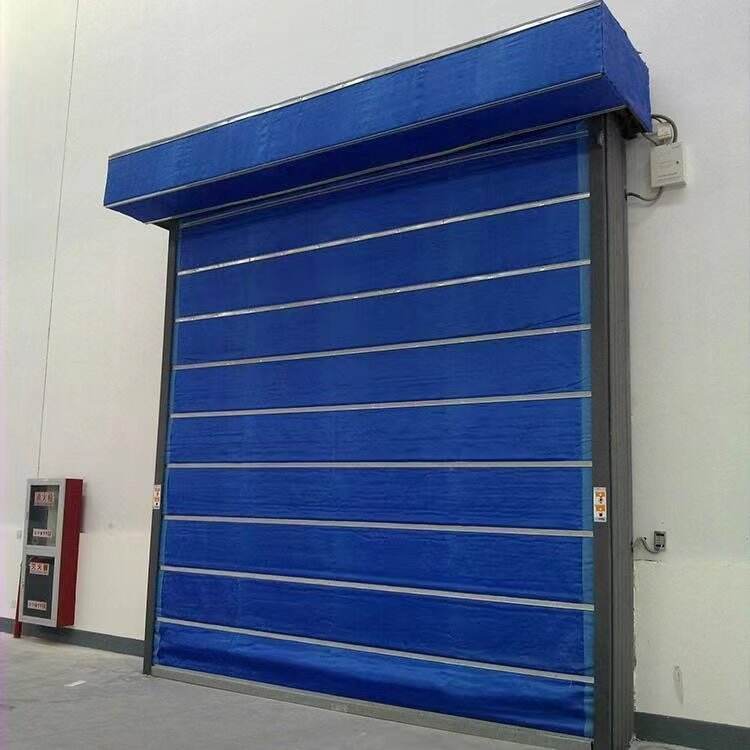
When it comes to choosing the right doors for your home, the decision extends far beyond aesthetics. A WPC Plain Door represents a perfect blend of durability, functionality, and contemporary design that modern homeowners increasingly prefer. These innovative doors combine wood fibers with plastic polymers to create a material that surpasses traditional wood in many applications. Understanding where to strategically install these doors throughout your home can significantly enhance both the interior design and structural integrity of your living space.
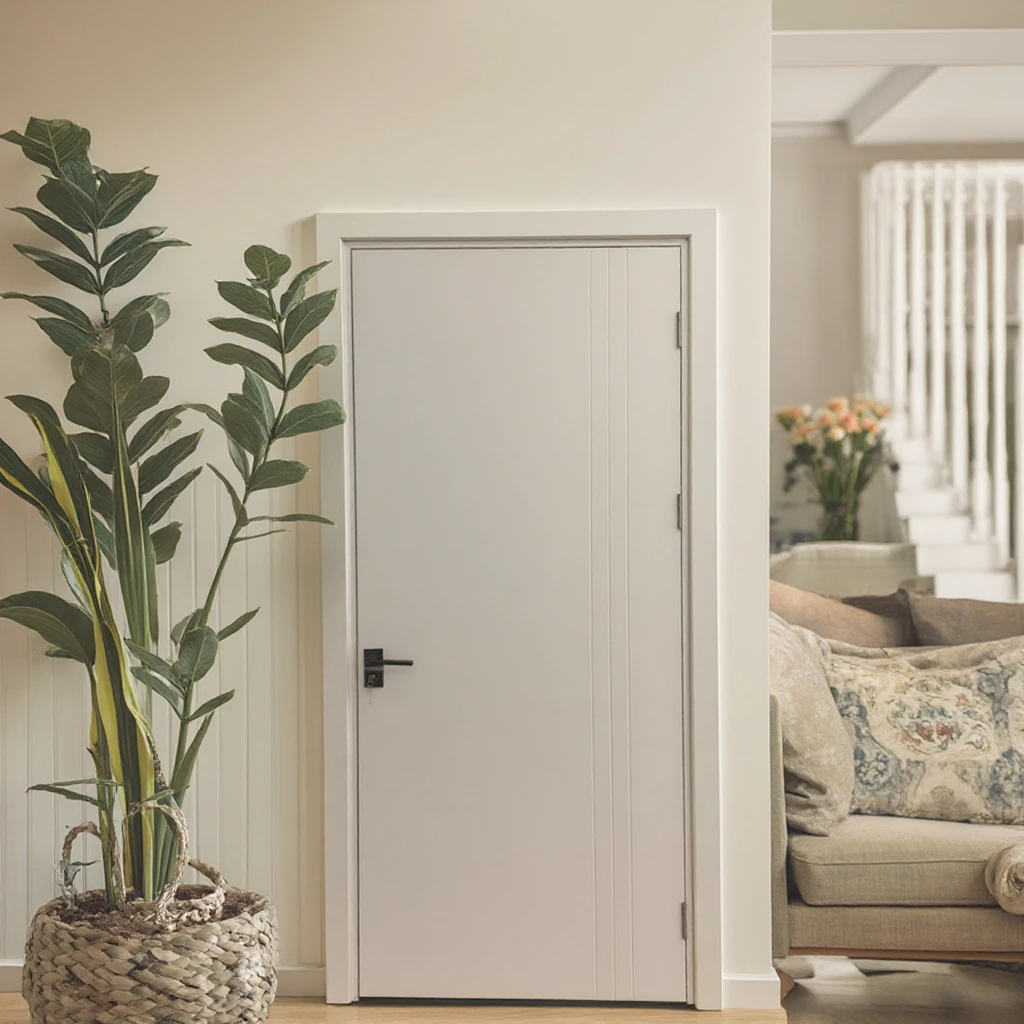
The versatility of WPC Plain Door technology makes it suitable for various residential applications, from main entrances to interior room dividers. These composite doors offer superior resistance to moisture, temperature fluctuations, and everyday wear compared to conventional wooden alternatives. The plain design provides a clean, minimalist aesthetic that complements both modern and traditional architectural styles, making it an excellent choice for homeowners seeking timeless elegance.
Optimal Locations for WPC Plain Door Installation
Main Entrance Applications
The front entrance of your home creates the first impression for visitors and sets the tone for your entire property. Installing a WPC Plain Door as your main entrance door provides exceptional security while maintaining an elegant appearance. The composite material's inherent strength offers superior protection against forced entry attempts, while the plain surface allows for easy customization with various hardware options and finishes.
Weather resistance becomes particularly crucial for entrance doors, as they face constant exposure to outdoor elements. The WPC Plain Door construction naturally repels moisture, preventing the warping, cracking, and rotting issues commonly associated with traditional wooden doors. This durability ensures your entrance maintains its professional appearance year after year, regardless of seasonal weather changes or regional climate conditions.
From an energy efficiency perspective, WPC Plain Door installations provide excellent insulation properties that help regulate indoor temperatures. The composite core structure creates effective thermal barriers, reducing heating and cooling costs while maintaining comfortable interior environments. This makes them particularly valuable in regions with extreme seasonal temperature variations.
Interior Room Installations
Interior applications for WPC Plain Door systems offer numerous advantages throughout your home's living spaces. Bedroom doors benefit from the composite material's sound dampening properties, creating quieter environments for rest and relaxation. The plain surface design coordinates seamlessly with various interior decorating schemes, allowing homeowners to change color schemes and decor without replacing doors.
Bathroom installations present unique challenges that WPC Plain Door technology addresses effectively. The moisture-resistant properties prevent the swelling and dimensional changes that plague traditional wooden doors in high-humidity environments. This stability ensures proper door operation and seal integrity, maintaining privacy and preventing moisture migration to adjacent rooms.
Office and study room installations benefit from the professional appearance and durability of WPC Plain Door systems. The clean lines and neutral surface provide a sophisticated backdrop for professional environments, while the robust construction withstands frequent use without showing wear patterns or damage.
Strategic Placement Considerations
High-Traffic Area Applications
Areas of your home that experience frequent foot traffic require doors capable of withstanding constant use without deteriorating. A WPC Plain Door excels in these demanding applications, maintaining its appearance and functionality despite heavy daily use. Hallway connections, family room entrances, and kitchen access points all benefit from this enhanced durability.
The impact resistance of WPC Plain Door materials prevents the dents, scratches, and chips that commonly occur in busy household areas. Children's play areas, pet access routes, and utility room connections particularly benefit from this enhanced durability. The plain surface design also facilitates easy cleaning and maintenance, crucial factors in high-traffic installations.
Consider installing WPC Plain Door systems in areas where furniture movement occurs regularly, such as connections between living rooms and dining areas. The robust construction withstands accidental impacts from moving furniture, appliances, or large items without sustaining permanent damage that would require costly repairs or replacements.
Climate-Controlled Environment Benefits
Rooms with specialized climate control requirements, such as wine cellars, art studios, or home libraries, benefit significantly from WPC Plain Door installations. The dimensional stability of composite materials ensures consistent seal performance, maintaining desired humidity and temperature levels more effectively than traditional door materials.
HVAC system efficiency improves when WPC Plain Door installations provide consistent sealing performance. The composite material's resistance to expansion and contraction maintains proper door-to-frame relationships, preventing air leakage that forces heating and cooling systems to work harder. This translates to lower energy costs and more comfortable living environments.
Server rooms, home workshops, and basement areas with specific environmental requirements particularly benefit from WPC Plain Door technology. The moisture resistance prevents humidity-related problems, while the thermal properties help maintain stable conditions for sensitive equipment or stored materials.
Installation Best Practices
Proper Measurement and Planning
Successful WPC Plain Door installation begins with accurate measurements and careful planning of the intended location. Standard door frame dimensions accommodate most WPC Plain Door systems, but verification ensures proper fit and optimal performance. Consider the door swing direction, clearance requirements, and any obstacles that might interfere with operation.
Frame preparation becomes particularly important when installing WPC Plain Door systems in existing openings. The composite material's weight characteristics may require frame reinforcement in some applications, particularly for larger door sizes or installations in older homes with potentially weakened framing members.
Threshold considerations affect both appearance and functionality of WPC Plain Door installations. The enhanced durability of composite materials allows for various threshold options that complement the door's performance characteristics while maintaining consistent aesthetic appeal throughout your home.
Professional Installation Advantages
Professional installation services ensure optimal performance and longevity of your WPC Plain Door investment. Experienced installers understand the specific requirements of composite door materials, including proper shimming, sealing, and hardware attachment techniques that maximize the door's performance characteristics.
Weather sealing becomes particularly crucial for exterior WPC Plain Door installations, where improper sealing can compromise the door's weather resistance advantages. Professional installers utilize appropriate sealants and weatherstripping materials designed to work with composite door materials, ensuring long-term performance and energy efficiency.
Hardware selection and installation require specific knowledge of WPC Plain Door mounting requirements. The composite material's characteristics influence hardware placement, fastener selection, and adjustment procedures that differ from traditional wooden door installations. Professional installation ensures optimal hardware performance and prevents potential damage from improper mounting techniques.
Maintenance and Longevity
Routine Care Requirements
WPC Plain Door maintenance requirements remain minimal compared to traditional door materials, contributing to their long-term value proposition. Regular cleaning with standard household cleaners maintains the appearance without requiring specialized products or treatments. The plain surface design facilitates thorough cleaning without intricate details that trap dirt or require detailed attention.
Periodic hardware inspection and lubrication ensures smooth operation and prevents premature wear of moving components. The dimensional stability of WPC Plain Door materials reduces the frequency of adjustment requirements, but occasional verification of proper alignment maintains optimal performance and prevents energy loss through poor sealing.
Seasonal maintenance checks verify that weather sealing remains intact and effective, particularly important for exterior WPC Plain Door installations. The composite material's resistance to seasonal expansion and contraction minimizes seal stress, but periodic inspection ensures continued weather protection and energy efficiency.
Long-term Performance Expectations
WPC Plain Door systems typically provide decades of reliable service when properly installed and maintained. The composite material's resistance to common door problems such as warping, cracking, and insect damage ensures consistent performance throughout the door's service life. This longevity makes WPC Plain Door installations cost-effective choices for homeowners planning long-term residence.
Color retention characteristics of WPC Plain Door surfaces exceed those of painted wooden doors, maintaining appearance without frequent refinishing requirements. The plain surface design allows for easy repainting or refinishing when desired, providing flexibility for changing design preferences without replacing entire door systems.
Structural integrity remains consistent throughout the WPC Plain Door service life, with minimal degradation from environmental exposure or normal use. This reliability ensures continued security, energy efficiency, and aesthetic appeal years after initial installation, contributing to overall home value and occupant satisfaction.
FAQ
What makes WPC Plain Door suitable for high-moisture areas
WPC Plain Door construction incorporates moisture-resistant polymers that prevent water absorption and the associated problems of swelling, warping, and dimensional instability. Unlike traditional wood doors that absorb moisture and lose their shape over time, WPC composite materials maintain consistent dimensions and performance even in high-humidity environments such as bathrooms, laundry rooms, and basement installations.
How does a WPC Plain Door compare to solid wood doors in terms of insulation
WPC Plain Door systems provide superior thermal insulation compared to solid wood doors due to their composite core structure. The combination of wood fibers and plastic polymers creates air pockets that enhance insulation properties, while the consistent density eliminates the thermal bridges common in natural wood grain patterns. This improved thermal performance translates to better energy efficiency and more comfortable interior temperatures.
Can WPC Plain Door be installed in load-bearing applications
WPC Plain Door installations do not typically serve load-bearing functions, as doors are designed to operate within door frames that distribute structural loads. However, the robust construction of WPC Plain Door systems provides excellent strength for their intended applications, including resistance to impact, forced entry attempts, and the stresses associated with frequent opening and closing cycles.
What hardware options work best with WPC Plain Door installations
WPC Plain Door systems accommodate standard door hardware including hinges, locksets, and decorative elements. The composite material's consistent density provides excellent holding power for screws and fasteners, often superior to natural wood that may have grain variations or weak spots. Professional installation ensures proper hardware selection and mounting techniques that maximize both security and operational performance throughout the door's service life.