 EN
EN

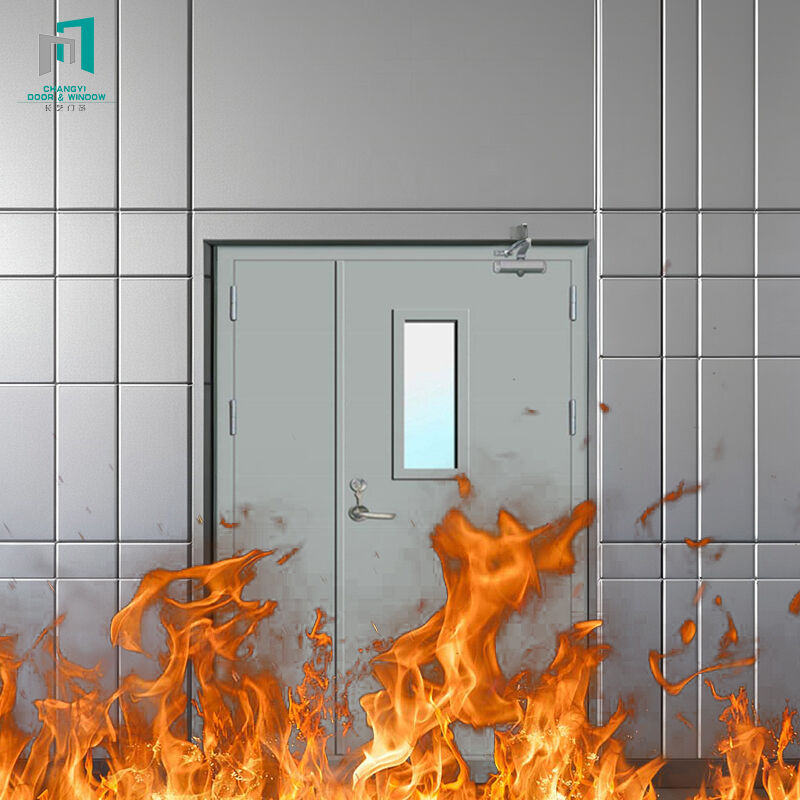
Modern interior design demands solutions that combine aesthetic appeal with practical functionality, and the WPC Plain Door has emerged as a revolutionary choice for contemporary spaces. This innovative door type represents a significant advancement in building materials, offering superior moisture resistance, durability, and design versatility that traditional wooden doors simply cannot match. As construction professionals and homeowners increasingly prioritize long-term value and low maintenance requirements, the WPC Plain Door has gained substantial traction in both residential and commercial applications.
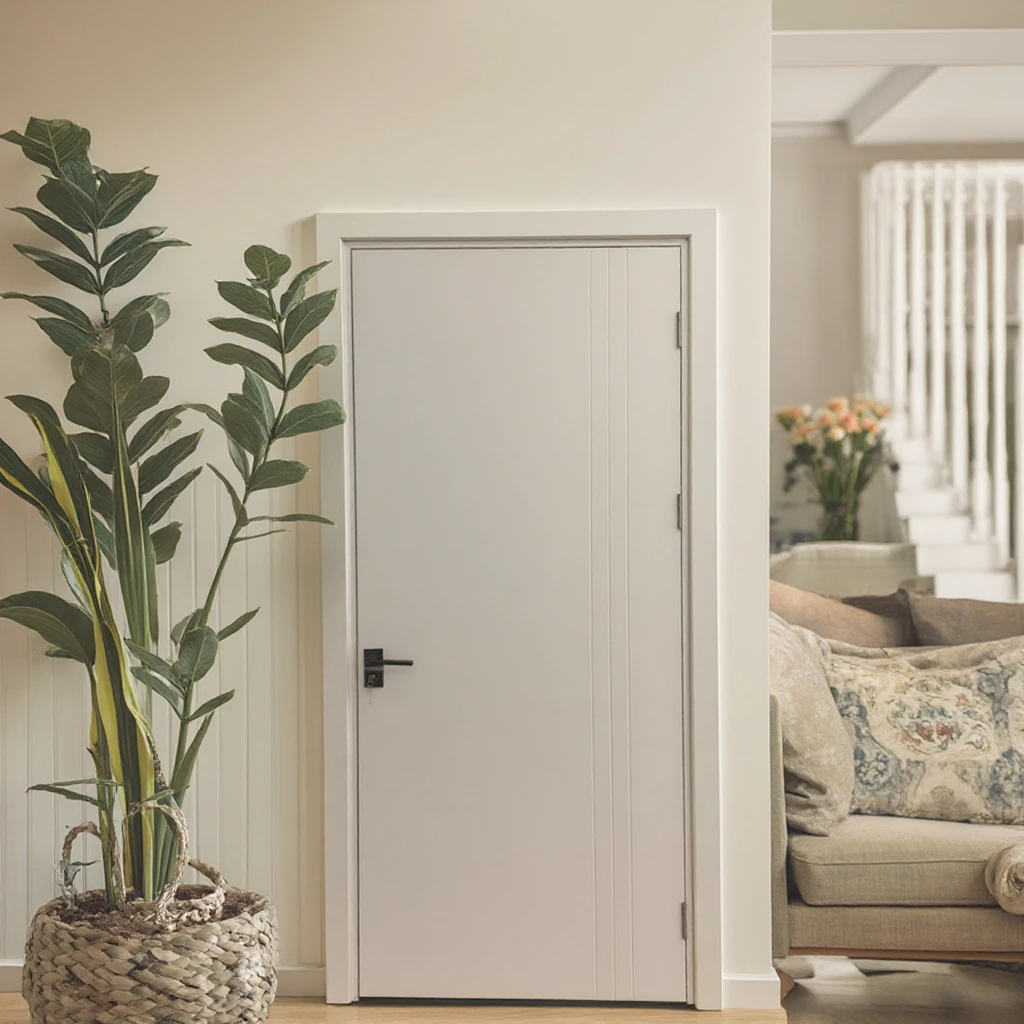
The construction industry has witnessed a paradigm shift toward composite materials that deliver enhanced performance characteristics while maintaining cost-effectiveness. WPC technology represents the culmination of advanced material science, combining wood fibers with polymer matrices to create products that outperform their traditional counterparts in multiple critical areas. This material innovation addresses long-standing challenges in door manufacturing, particularly moisture-related issues that have plagued wooden doors for decades.
Understanding WPC Technology and Construction
Material Composition and Manufacturing Process
Wood Plastic Composite technology forms the foundation of every WPC Plain Door, utilizing a sophisticated blend of recycled wood fibers and thermoplastic polymers. The manufacturing process involves precise temperature control and pressure application to ensure optimal fiber distribution throughout the polymer matrix. This controlled environment creates a homogeneous material that exhibits consistent properties across the entire door structure, eliminating weak points commonly found in natural wood products.
The production methodology ensures that each WPC Plain Door maintains dimensional stability under varying environmental conditions. Unlike traditional wooden doors that expand and contract with humidity changes, the polymer matrix in WPC materials provides exceptional dimensional stability. This characteristic proves particularly valuable in regions with high humidity or significant temperature fluctuations, where conventional doors often experience warping, swelling, or cracking.
Quality control measures during manufacturing involve multiple inspection points to verify material consistency, surface finish quality, and structural integrity. The extrusion process allows for precise control over door thickness, ensuring uniformity that contributes to enhanced performance and professional installation outcomes. Advanced manufacturing facilities utilize computerized monitoring systems to maintain optimal processing parameters throughout production.
Structural Advantages and Performance Characteristics
The inherent properties of WPC Plain Door construction deliver multiple structural advantages that significantly surpass traditional door materials. The composite structure provides excellent impact resistance, making these doors ideal for high-traffic commercial environments and busy residential spaces. The material's resistance to denting and surface damage ensures long-term aesthetic appeal without requiring frequent maintenance or replacement.
Thermal performance represents another significant advantage of WPC Plain Door systems, as the composite material provides superior insulation properties compared to solid wood alternatives. The cellular structure created during manufacturing incorporates microscopic air pockets that enhance thermal resistance, contributing to improved energy efficiency in climate-controlled environments. This insulation capability proves particularly beneficial in commercial applications where energy costs represent significant operational expenses.
Sound dampening characteristics of WPC materials contribute to enhanced acoustic performance, making these doors excellent choices for office environments, healthcare facilities, and residential applications where noise control is essential. The dense composite structure effectively absorbs and deflects sound transmission, creating quieter interior spaces that improve occupant comfort and productivity.
Moisture Resistance and Environmental Benefits
Superior Moisture Performance
One of the most compelling advantages of the WPC Plain Door lies in its exceptional moisture resistance capabilities, which far exceed those of traditional wooden doors. The polymer matrix effectively encapsulates wood fibers, preventing direct water contact that typically leads to swelling, warping, and deterioration in conventional doors. This moisture barrier remains effective throughout the door's lifespan, providing consistent performance even in high-humidity environments.
Bathroom and kitchen installations particularly benefit from WPC Plain Door moisture resistance, as these areas experience frequent humidity fluctuations and occasional direct water exposure. Unlike wooden doors that require regular sealing and maintenance to prevent moisture damage, WPC doors maintain their structural integrity and appearance without additional protective treatments. This characteristic eliminates costly maintenance cycles and reduces long-term ownership expenses.
Commercial applications in healthcare facilities, food service establishments, and industrial environments demand moisture-resistant solutions that can withstand frequent cleaning and sanitization procedures. The WPC Plain Door excels in these demanding applications, maintaining structural stability and surface integrity despite exposure to cleaning chemicals and high-pressure washing systems commonly used in these environments.
Environmental Sustainability and Recycling Benefits
Environmental responsibility has become increasingly important in construction material selection, and WPC Plain Door products contribute significantly to sustainable building practices. The manufacturing process utilizes recycled wood waste that would otherwise contribute to landfill accumulation, transforming these materials into high-performance building products. This recycling approach reduces demand for virgin timber while creating valuable construction materials.
The longevity of WPC Plain Door installations contributes to environmental sustainability by reducing replacement frequency compared to traditional door materials. Extended service life means fewer resources consumed over building lifecycles, reducing environmental impact while providing economic benefits to building owners. The durability of WPC materials typically results in service lives exceeding 20 years with minimal maintenance requirements.
End-of-life recycling capabilities further enhance the environmental profile of WPC Plain Door products, as the thermoplastic components can be reprocessed into new products rather than disposed of in landfills. This circular economy approach aligns with modern sustainability goals while providing practical disposal solutions for building renovation and demolition projects.
Design Flexibility and Aesthetic Options
Surface Finishing and Texture Varieties
The manufacturing versatility of WPC Plain Door systems enables extensive customization options that cater to diverse design preferences and architectural requirements. Surface texturing capabilities range from smooth contemporary finishes to wood-grain patterns that closely mimic natural timber appearances. These texture options allow designers to achieve specific aesthetic goals while maintaining the performance advantages of composite construction.
Color consistency represents a significant advantage in WPC Plain Door applications, as the manufacturing process ensures uniform color distribution throughout the material thickness. Unlike painted or stained wooden doors that may show wear patterns or color variations over time, WPC doors maintain consistent appearance throughout their service life. This color stability eliminates the need for periodic refinishing while preserving the intended design aesthetic.
Advanced printing technologies enable sophisticated surface patterns and designs that would be difficult or impossible to achieve with traditional door materials. Digital printing capabilities allow for custom graphics, logos, or decorative patterns to be integrated directly into the door surface during manufacturing, creating unique design solutions for specialty applications or corporate environments.
Installation Flexibility and Hardware Compatibility
Installation procedures for WPC Plain Door systems follow standard door hanging practices, ensuring compatibility with existing door frames and hardware systems. The consistent dimensions and stable material properties simplify installation processes while reducing the risk of fitting problems commonly encountered with natural wood doors. Professional installers appreciate the predictable behavior of WPC materials during cutting, drilling, and hardware attachment procedures.
Hardware compatibility extends to both traditional and contemporary door hardware systems, allowing designers to specify preferred hinges, handles, and locking mechanisms without material limitations. The structural strength of WPC materials provides secure mounting points for hardware components while maintaining long-term stability under repeated use. Heavy-duty commercial hardware systems perform reliably when properly installed on WPC Plain Door substrates.
Modification capabilities during installation enable field adjustments for non-standard openings or special requirements without compromising structural integrity. Standard woodworking tools effectively cut and shape WPC materials, allowing installers to make precise adjustments for optimal fit and performance. The material's stability during cutting operations reduces the risk of chipping or splintering that can occur with other composite materials.
Cost Analysis and Long-Term Value
Initial Investment Considerations
The initial cost structure of WPC Plain Door systems reflects the advanced materials and manufacturing processes involved in their production, positioning them competitively within the premium door market segment. While initial purchase costs may exceed basic wooden door alternatives, the comprehensive performance advantages justify the investment through reduced lifecycle costs and enhanced durability. Professional buyers increasingly recognize the value proposition offered by WPC door systems.
Bulk purchasing opportunities and direct manufacturer relationships can significantly reduce per-unit costs for large-scale projects, making WPC Plain Door systems increasingly attractive for commercial developments and multi-unit residential projects. Volume pricing structures often bring WPC door costs closer to premium wooden door prices while delivering superior performance characteristics and lower maintenance requirements.
Installation cost considerations generally favor WPC Plain Door systems due to their consistent dimensions, stable properties, and straightforward installation procedures. Reduced installation time translates to lower labor costs, while the elimination of on-site finishing requirements further reduces project expenses. These installation efficiencies often offset higher material costs, resulting in competitive total project costs.
Maintenance and Lifecycle Economics
Long-term economic analysis strongly favors WPC Plain Door installations due to dramatically reduced maintenance requirements compared to traditional door materials. The elimination of periodic refinishing, sealing, and repair cycles results in substantial cost savings over typical building lifecycles. These maintenance savings become particularly significant in commercial applications where door maintenance can disrupt business operations.
Replacement cycle analysis demonstrates the superior economic performance of WPC Plain Door systems, with typical service lives exceeding 20 years compared to 10-15 years for conventional wooden doors in demanding applications. Extended replacement cycles reduce lifecycle costs while minimizing disruption associated with door replacement projects. This longevity proves particularly valuable in institutional and commercial settings where operational continuity is essential.
Energy efficiency contributions of WPC Plain Door systems provide additional economic benefits through reduced heating and cooling costs. The superior thermal performance of WPC materials helps maintain stable interior temperatures, reducing HVAC system workload and associated energy consumption. These energy savings accumulate over building lifecycles, contributing to positive return on investment calculations.
FAQ
How does WPC Plain Door performance compare to solid wood doors in high-humidity environments
WPC Plain Door systems significantly outperform solid wood doors in high-humidity environments due to their moisture-resistant composite construction. While wooden doors absorb moisture and experience swelling, warping, and dimensional changes, WPC doors maintain stable dimensions and structural integrity. The polymer matrix effectively protects wood fibers from moisture penetration, eliminating the expansion and contraction cycles that cause problems with traditional doors. This stability makes WPC Plain Door products ideal for bathrooms, kitchens, coastal environments, and commercial facilities with high humidity levels.
What maintenance requirements are associated with WPC Plain Door installations
WPC Plain Door maintenance requirements are minimal compared to traditional door materials, requiring only periodic cleaning with standard household or commercial cleaners. The non-porous surface resists staining and does not require sealing, painting, or refinishing treatments needed for wooden doors. Routine maintenance involves wiping surfaces clean and ensuring proper hinge lubrication, similar to any door system. The durable surface finish maintains its appearance throughout the door's service life without additional protective treatments, significantly reducing long-term maintenance costs and effort.
Can WPC Plain Door systems accommodate standard commercial hardware and security features
WPC Plain Door construction fully supports standard commercial hardware including heavy-duty hinges, commercial-grade locksets, and security hardware systems. The composite material provides strong, stable mounting points that maintain secure hardware attachment under repeated use. Installation procedures follow standard practices for drilling and hardware mounting, with the added benefit of consistent material properties that eliminate weak spots found in natural wood. Security features such as reinforced strike plates, multi-point locking systems, and access control hardware integrate seamlessly with WPC door construction.
What are the environmental benefits of choosing WPC Plain Door products over traditional alternatives
WPC Plain Door products offer significant environmental advantages through the use of recycled wood waste materials and extended service life that reduces replacement frequency. The manufacturing process diverts wood waste from landfills while creating high-performance building products, contributing to circular economy principles. Additionally, the longevity of WPC doors reduces resource consumption over building lifecycles compared to doors requiring frequent replacement. End-of-life recyclability of thermoplastic components provides sustainable disposal options, while the elimination of chemical treatments and finishes reduces environmental impact during both manufacturing and use phases.
Table of Contents
- Understanding WPC Technology and Construction
- Moisture Resistance and Environmental Benefits
- Design Flexibility and Aesthetic Options
- Cost Analysis and Long-Term Value
-
FAQ
- How does WPC Plain Door performance compare to solid wood doors in high-humidity environments
- What maintenance requirements are associated with WPC Plain Door installations
- Can WPC Plain Door systems accommodate standard commercial hardware and security features
- What are the environmental benefits of choosing WPC Plain Door products over traditional alternatives