 EN
EN

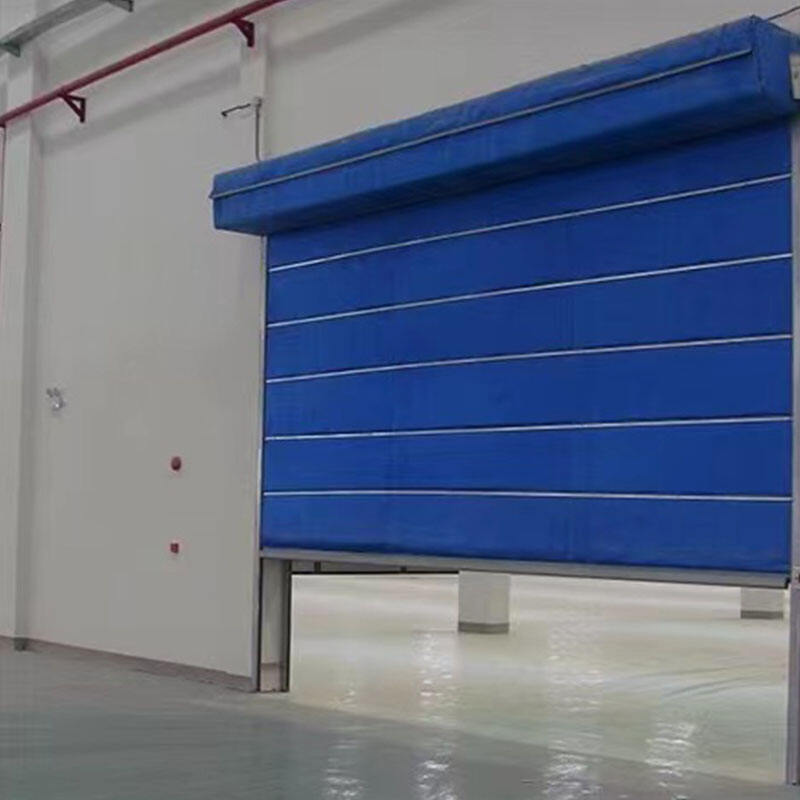
When installing a WPC door in your home or commercial property, the frame fitting process stands as one of the most critical factors determining long-term performance and durability. A properly fitted frame ensures that your WPC door operates smoothly, maintains energy efficiency, and provides optimal security for years to come. Many property owners underestimate the significance of professional frame installation, often leading to costly repairs and compromised functionality down the road.
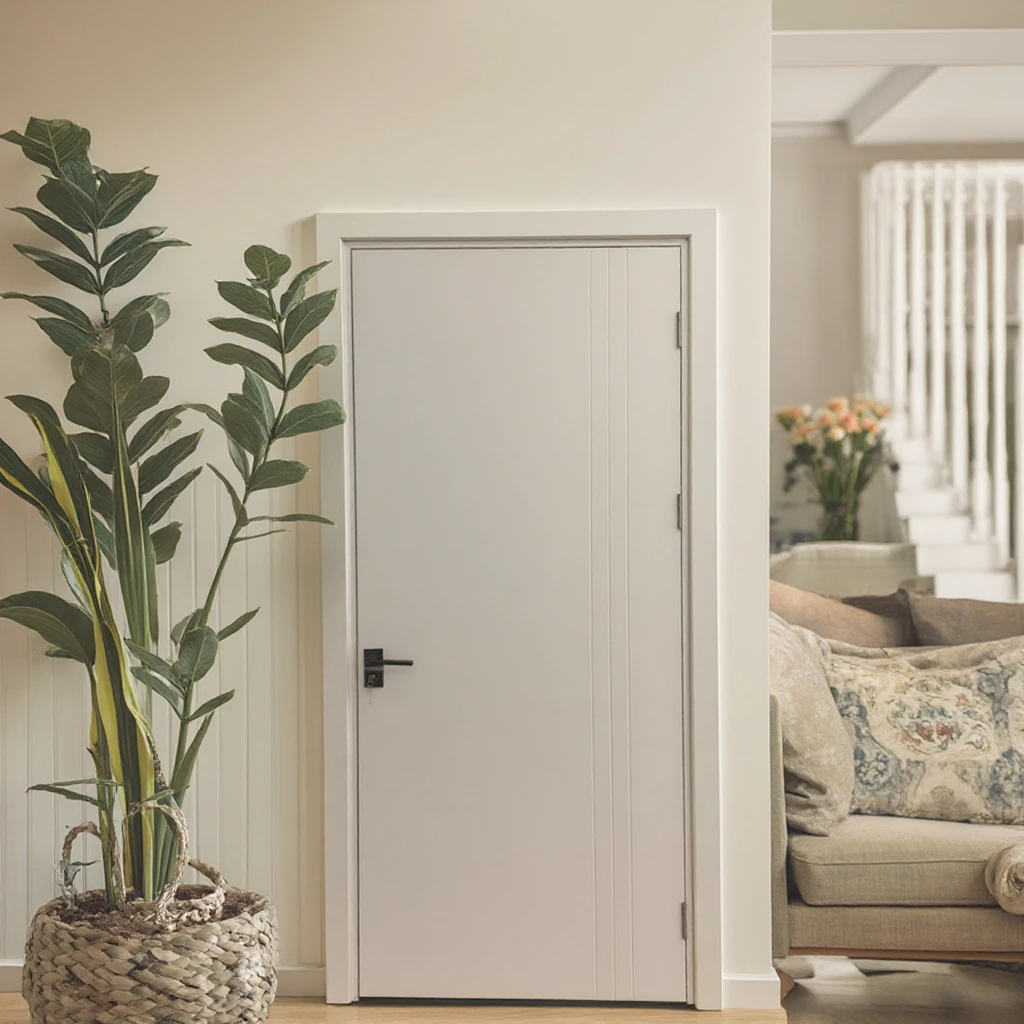
The relationship between a WPC door and its frame creates a unified system that must work harmoniously to deliver maximum benefits. Unlike traditional wooden doors that may warp or shrink over time, WPC doors maintain dimensional stability, making precise frame fitting even more crucial. The frame serves as the foundation that supports the door's weight, guides its movement, and creates the essential seal against weather elements.
Professional installation of your WPC door frame involves careful measurement, proper alignment, and strategic placement of hardware components. These doors require specific clearances and tolerances that differ from conventional door materials. Understanding these requirements helps ensure that your investment in a quality WPC door delivers the expected performance and longevity.
Understanding WPC Door Frame Requirements
Material Compatibility and Expansion Considerations
WPC door frames must accommodate the unique properties of wood-plastic composite materials, which exhibit different thermal expansion characteristics compared to solid wood or metal doors. The composite nature of WPC doors means they expand and contract at predictable rates, requiring frames that can accommodate these movements without creating gaps or binding issues. Professional installers understand that WPC door frames need specific clearances to allow for seasonal movement while maintaining tight seals.
The frame material itself plays a crucial role in overall system performance. High-quality WPC door installations often utilize frames made from similar composite materials or specially treated aluminum that matches the thermal properties of the door. This compatibility prevents differential movement that could lead to warping, cracking, or seal failure over time. When frames and doors move together as a unified system, the installation maintains its integrity through various weather conditions.
Moisture resistance represents another critical factor in WPC door frame selection and fitting. Unlike traditional wood frames that may absorb moisture and swell, properly fitted WPC door frames maintain consistent dimensions regardless of humidity levels. This stability ensures that your door continues to operate smoothly even during periods of high moisture or rapid weather changes.
Precision Measurement and Alignment Techniques
Accurate measurement forms the foundation of successful WPC door frame installation. Professional installers use advanced measuring tools to ensure that frame openings match door specifications within tight tolerances. The precision required for WPC door fitting often exceeds that needed for traditional doors, as the dimensional stability of composite materials means there's less room for adjustment after installation.
Frame alignment affects not only the immediate function of your WPC door but also its long-term performance. Properly aligned frames ensure that door weight distributes evenly across hinges and support points, preventing premature wear of hardware components. Misaligned frames can cause binding, uneven gaps, and excessive stress on door panels, potentially voiding manufacturer warranties.
The installation process requires multiple checkpoints to verify alignment accuracy throughout the fitting procedure. Professional installers use laser levels, plumb lines, and precision squares to maintain perfect alignment as they secure frame components. This attention to detail during initial installation prevents costly adjustments and ensures optimal performance from day one.
Energy Efficiency and Weather Sealing
Creating Effective Thermal Barriers
A properly fitted frame maximizes the energy efficiency benefits inherent in quality WPC door construction. These doors often feature superior insulation properties compared to traditional materials, but these benefits can only be realized when the frame creates an effective thermal barrier. Gaps, misalignments, or poor sealing around the frame perimeter can negate the energy-saving advantages of your WPC door investment.
Thermal bridging represents a significant concern in door installations, where heat transfer occurs through conductive pathways in the frame assembly. Professional WPC door frame fitting incorporates thermal breaks and insulation strategies that minimize heat loss or gain through the door system. These techniques help maintain comfortable interior temperatures while reducing energy costs throughout the year.
Advanced sealing systems work in conjunction with properly fitted frames to create comprehensive weather barriers. Multiple seal points around the frame perimeter ensure that your WPC door maintains tight closure against wind, rain, and temperature extremes. These sealing systems require precise frame positioning to function effectively and provide long-lasting protection.
Weatherstripping Integration and Maintenance
Quality weatherstripping integration depends heavily on accurate frame fitting that creates consistent gaps around the door perimeter. WPC door systems often utilize specialized weatherstripping materials designed to complement the composite door construction. These materials must be properly positioned within frame channels and adjusted to provide optimal compression when the door closes.
Frame preparation for weatherstripping involves creating precise channels and mounting surfaces that ensure secure attachment and proper alignment. Professional installers understand that weatherstripping performance directly relates to frame accuracy, as uneven gaps or misaligned surfaces can cause premature seal failure or inadequate weather protection.
Long-term maintenance of weatherstripping systems becomes much easier when frames are properly fitted during initial installation. Well-aligned frames allow weatherstripping to wear evenly and maintain consistent contact pressure over time. This uniform wear pattern extends seal life and maintains energy efficiency throughout the door's service life.
Security and Hardware Optimization
Lock and Hardware Placement Considerations
Security hardware performance depends significantly on precise frame fitting that provides solid mounting points and proper alignment with door components. WPC door security systems often include advanced locking mechanisms that require exact positioning to function correctly. Frame preparation must account for hardware specifications, ensuring that lock components align perfectly when the door is closed.
Strike plate installation represents a critical aspect of WPC door security that directly relates to frame fitting accuracy. Properly fitted frames allow strike plates to be positioned at optimal depths and angles, ensuring that locking mechanisms engage fully and securely. Misaligned frames can prevent proper lock engagement, compromising security and potentially causing hardware damage over time.
Hinge mounting and alignment affect both security and operational smoothness of WPC door systems. Professional frame fitting ensures that hinge mounting points provide adequate support for door weight while maintaining proper alignment through the door's operating range. This attention to hinge placement prevents sagging, binding, and premature hardware failure.
Reinforcement and Structural Support
Frame reinforcement strategies must account for the specific characteristics of WPC door construction and weight distribution. These doors often require different support considerations compared to traditional materials, particularly in high-traffic applications or where enhanced security is required. Properly fitted frames incorporate appropriate reinforcement without compromising the door's performance characteristics.
Structural load distribution through frame assemblies ensures that WPC door weight transfers efficiently to surrounding building structure. Professional installers understand how to position frame anchors and support points to maximize structural integrity while accommodating building movement and settling. This approach prevents frame distortion that could affect door operation or compromise security.
Advanced reinforcement techniques may include steel or aluminum inserts within frame assemblies, providing additional strength without significantly increasing installation complexity. These reinforcements must be carefully integrated during frame fitting to maintain proper dimensions and ensure compatibility with WPC door specifications.
Installation Best Practices and Common Challenges
Professional Installation Techniques
Professional WPC door frame installation follows established protocols that ensure consistent results and long-term performance. These techniques involve systematic approaches to measurement, positioning, and securing that account for the unique properties of composite door materials. Experienced installers understand that shortcuts during frame fitting often lead to costly problems that may not become apparent until months or years after installation.
Temporary bracing and support systems play crucial roles during WPC door frame installation, maintaining alignment and preventing distortion as anchoring hardware is installed. Professional installers use specialized tools and techniques to hold frames in perfect position throughout the installation process, ensuring that final positioning matches initial measurements and specifications.
Quality control measures throughout the installation process help identify and correct potential issues before they affect door performance. Professional installers conduct multiple checks of alignment, clearances, and hardware function during frame fitting, making adjustments as needed to ensure optimal results. This systematic approach prevents problems that could compromise WPC door performance or longevity.
Avoiding Common Installation Pitfalls
Many WPC door installation problems stem from inadequate frame preparation or rushed fitting procedures that don't account for the precision required by composite door systems. Common mistakes include incorrect clearance calculations, improper hardware positioning, and inadequate weatherproofing that can significantly impact door performance and durability.
Frame distortion during installation represents another frequent issue that can permanently affect WPC door operation. Excessive force during positioning or inadequate bracing can cause frame components to shift out of alignment, creating binding issues or uneven gaps that may worsen over time. Professional installers use techniques that prevent frame distortion while ensuring secure attachment to building structure.
Inadequate consideration of building movement and settling can lead to frame problems that develop gradually after installation. WPC door frames must be positioned and anchored in ways that accommodate normal building movement without transferring stress to door components or compromising alignment. Understanding these factors helps prevent long-term issues that could require costly repairs or adjustments.
Long-term Performance and Maintenance
Monitoring Frame Integrity Over Time
Regular inspection of WPC door frame condition helps identify potential issues before they affect door performance or require major repairs. Properly fitted frames typically require minimal maintenance, but periodic checks ensure that seals, hardware, and structural components continue to function as designed. Early identification of minor issues allows for simple corrections that prevent more serious problems.
Frame settlement and movement monitoring becomes particularly important in new construction or recently renovated buildings where structural settling may occur. WPC door installations in these situations benefit from periodic adjustments during the first year to accommodate building movement while maintaining optimal door performance. Professional installers often provide follow-up services to address these normal adjustments.
Environmental factors such as extreme weather, temperature fluctuations, and moisture exposure can affect frame performance over time. Quality WPC door frame installations incorporate design features that minimize these effects, but ongoing monitoring helps ensure that protective measures continue to function effectively throughout the door's service life.
Preventive Maintenance Strategies
Preventive maintenance programs for WPC door frames focus on preserving the precision achieved during initial installation while addressing normal wear and environmental effects. These programs typically include periodic cleaning, lubrication of moving parts, and inspection of sealing systems to ensure continued optimal performance.
Hardware maintenance schedules should account for the specific requirements of WPC door systems, which may differ from traditional door maintenance needs. Properly fitted frames allow hardware components to operate within design parameters, reducing wear and extending service life. Regular adjustment and lubrication help maintain smooth operation and prevent premature failure.
Seasonal maintenance activities may include weatherstripping inspection, seal adjustment, and hardware verification to ensure that your WPC door continues to provide optimal performance throughout varying weather conditions. These routine activities help preserve the benefits achieved through proper frame fitting and professional installation.
FAQ
What makes WPC door frame fitting different from traditional door installation
WPC door frame fitting requires greater precision due to the dimensional stability of composite materials, which don't adjust to accommodate minor installation errors like traditional wood doors might. The thermal expansion characteristics of WPC doors also differ from conventional materials, requiring specific clearances and frame materials that complement composite construction. Professional installers must understand these unique requirements to ensure optimal performance and longevity.
How does improper frame fitting affect WPC door warranty coverage
Most WPC door manufacturers require professional installation according to specific guidelines to maintain warranty coverage. Improper frame fitting that leads to operational problems, premature wear, or structural issues may void warranty protections, leaving property owners responsible for repair or replacement costs. Following manufacturer installation requirements and using qualified installers helps preserve warranty coverage and ensures proper door performance.
Can existing door frames be modified to accommodate WPC doors
Existing frames can sometimes be modified for WPC door installation, but this approach requires careful evaluation of frame condition, material compatibility, and structural adequacy. Professional assessment determines whether modification is feasible or if complete frame replacement provides better long-term results. Factors such as frame material, age, and current condition significantly influence the viability of modification versus replacement.
What are the signs of improper WPC door frame fitting
Common indicators of improper frame fitting include difficulty opening or closing the door, uneven gaps around the door perimeter, drafts or air leaks, premature weatherstripping wear, and hardware operational problems. These issues often develop gradually and may worsen over time if not addressed promptly. Early identification and correction of frame fitting problems helps prevent more serious damage and maintains door performance and energy efficiency.