 EN
EN

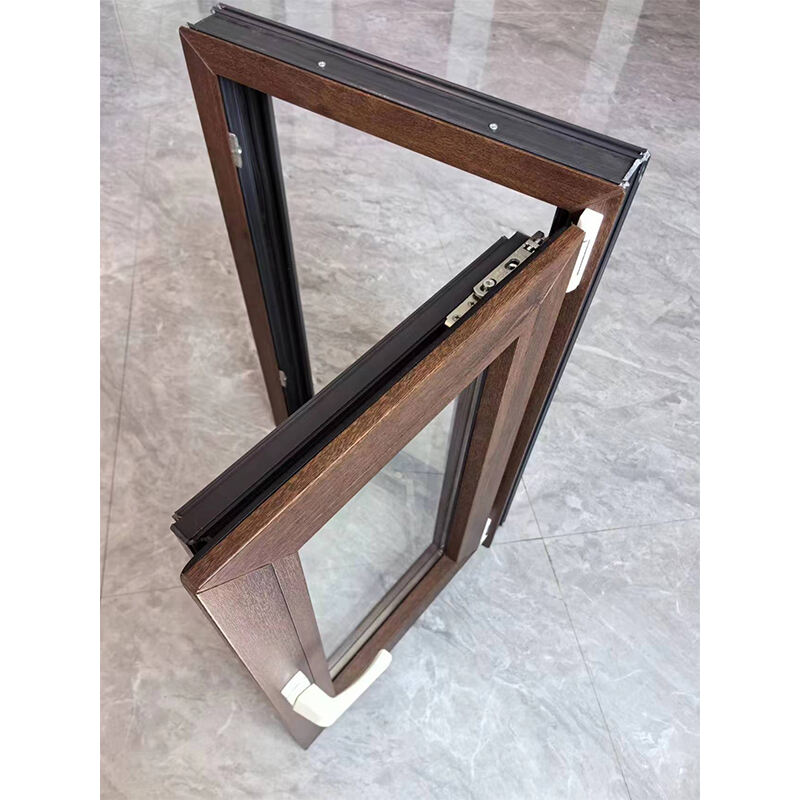
The construction and renovation industries have witnessed a remarkable shift toward advanced building materials that combine durability, energy efficiency, and cost-effectiveness. Among these innovations, upvc windows have emerged as a dominant choice for property developers, architects, and building owners across both residential and commercial sectors. This widespread adoption stems from a unique combination of performance characteristics that address critical pain points in modern construction, including thermal insulation demands, maintenance burdens, and long-term operational costs. Understanding the specific reasons behind the popularity of upvc windows helps stakeholders make informed decisions that align with both immediate installation budgets and lifecycle value expectations.
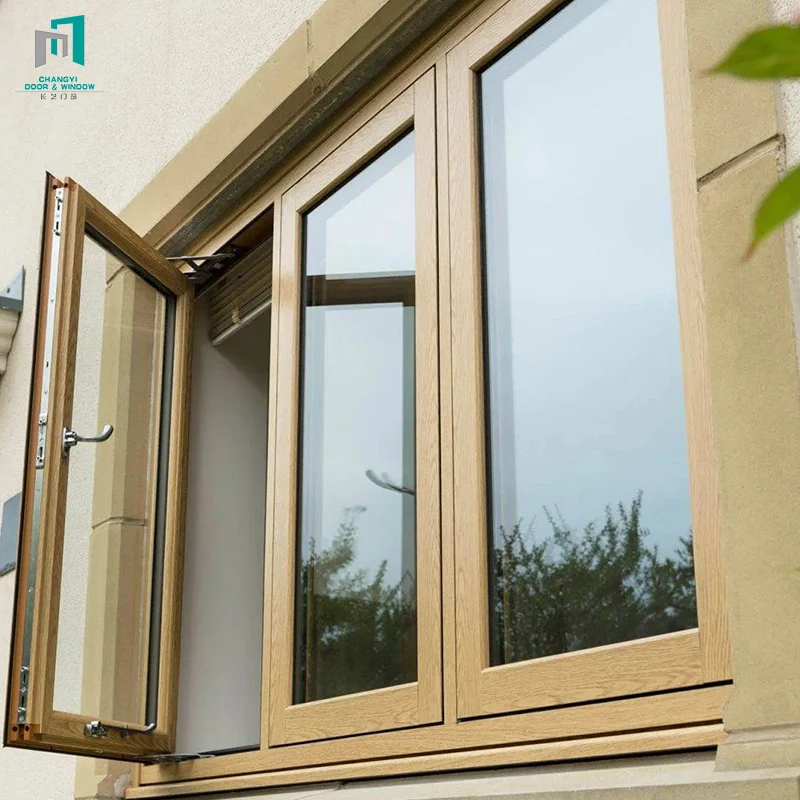
The question of why upvc windows have gained such prominence requires examination of multiple interconnected factors that span technical performance, economic viability, regulatory compliance, and practical usability. Unlike traditional window materials that often require trade-offs between different performance attributes, unplasticized polyvinyl chloride profiles deliver a balanced solution that meets diverse requirements simultaneously. This comprehensive advantage has positioned upvc windows as the preferred option for projects ranging from single-family homes to large-scale commercial office buildings, retail complexes, and institutional facilities where performance consistency and long-term reliability are non-negotiable priorities.
Superior Energy Efficiency and Thermal Performance
Multi-Chamber Profile Design and Heat Transfer Reduction
The fundamental reason upvc windows achieve exceptional energy efficiency lies in their sophisticated multi-chamber profile construction. Modern upvc window frames incorporate multiple sealed air chambers within the frame structure, creating effective thermal barriers that significantly reduce heat transfer between interior and exterior environments. These chambers function as insulation pockets that interrupt thermal bridging pathways, a critical advantage over materials like aluminum that conduct heat rapidly. The cellular structure of upvc profiles typically features three to seven chambers depending on the system specification, with higher chamber counts delivering progressively better thermal resistance values.
This multi-chamber design directly translates to measurable energy savings for building occupants. In residential applications, upvc windows can reduce heating and cooling costs by fifteen to thirty percent compared to single-glazed or poorly insulated alternatives. Commercial buildings benefit even more substantially due to their larger glazed surface areas and higher energy consumption baselines. The thermal efficiency of upvc windows becomes particularly valuable in climate zones with extreme temperature variations, where maintaining comfortable indoor conditions requires significant HVAC system operation. By minimizing unwanted heat gain during summer months and preventing heat loss during winter periods, these windows reduce the load on mechanical systems and extend equipment service life.
Glazing Compatibility and Total System Performance
Beyond frame performance, upvc windows excel in their ability to accommodate advanced glazing technologies that further enhance energy efficiency. The frame strength and structural integrity of quality upvc profiles enable integration with double-glazing and triple-glazing units, including those filled with inert gases like argon or krypton for superior insulation. The combination of thermally broken frames and high-performance glazing creates a complete fenestration system with impressively low U-values, often reaching 0.8 to 1.2 W/m²K for premium configurations. This total system approach ensures that the weakest thermal link in the window assembly remains well above minimum performance thresholds.
The compatibility of upvc windows with low-emissivity coatings and spectrally selective glass further amplifies their energy performance advantages. These advanced glazing treatments can be specified without concern for frame compatibility issues that sometimes arise with other materials. Building designers appreciate this flexibility because it allows precise calibration of solar heat gain coefficients and visible light transmission values to match specific orientation requirements and climatic conditions. The result is a window system that contributes actively to building energy management strategies rather than simply serving as a passive envelope component.
Minimal Maintenance Requirements and Long-Term Durability
Resistance to Environmental Degradation
Property owners consistently cite reduced maintenance demands as a primary driver for selecting upvc windows in both residential and commercial contexts. Unlike timber windows that require periodic painting, staining, or sealing to prevent moisture absorption and rot, upvc window frames maintain their appearance and functionality without protective coatings or treatments. The material's inherent resistance to moisture penetration eliminates the decay mechanisms that plague organic materials, while its chemical stability prevents corrosion issues associated with metal frames in coastal or industrial environments. This fundamental difference in material behavior translates directly to lower ownership costs over the product lifecycle.
The color stability of modern upvc windows further reinforces their maintenance advantages. Contemporary manufacturing processes incorporate UV stabilizers and pigments throughout the profile material rather than applying surface finishes, ensuring color consistency that resists fading even under intense solar exposure. White upvc windows maintain their brightness for decades without yellowing, while colored profiles retain their specified appearance without chalking or oxidation. For commercial property managers overseeing multiple buildings or large facade areas, this maintenance-free characteristic significantly reduces operational budgets and eliminates the disruption associated with periodic refinishing projects.
Structural Longevity and Performance Retention
The durability of upvc windows extends beyond cosmetic considerations to encompass long-term structural performance and operational functionality. Quality upvc profiles demonstrate excellent dimensional stability across temperature ranges, resisting warping, twisting, or distortion that can compromise weather sealing or operability. The material's elastic memory allows it to return to its original shape after thermal expansion and contraction cycles, maintaining tight tolerances at critical sealing points. This characteristic proves especially valuable in commercial installations where large window units experience substantial thermal movement but must maintain weathertight integrity throughout their service life.
Hardware compatibility and mounting security represent additional longevity factors favoring upvc windows. The material accepts mechanical fasteners reliably while distributing loads effectively through reinforcement chambers that accommodate steel or aluminum stiffening cores. This structural design enables upvc windows to support heavy glazing units and maintain proper operation of opening mechanisms over many thousands of cycles. Commercial applications particularly benefit from this reliable performance retention, as frequent use in high-traffic environments would rapidly degrade inferior systems. The combination of material stability and thoughtful engineering delivers window assemblies that routinely exceed twenty-five year service lives with minimal intervention.
Cost-Effectiveness and Economic Value Proposition
Competitive Initial Investment
Economic considerations play a decisive role in material selection for most construction projects, and upvc windows offer compelling advantages at multiple financial evaluation points. The initial purchase and installation costs for upvc windows typically position them favorably against premium timber options and thermally broken aluminum systems, while delivering comparable or superior performance characteristics. This cost accessibility democratizes access to high-performance fenestration solutions, enabling budget-conscious residential builders and commercial developers to specify quality windows without exceeding project cost constraints. The manufacturing efficiency of extrusion processes and the material cost advantages of PVC compounds contribute to this favorable pricing structure.
Installation economics further enhance the value proposition of upvc windows. The relatively light weight of uPVC profiles compared to equivalent timber or metal frames reduces handling requirements and accelerates installation schedules, translating to lower labor costs and faster project completion timelines. For commercial renovation projects where occupancy disruption must be minimized, the quick installation capability of upvc windows provides significant value beyond simple material costs. Additionally, the dimensional consistency of factory-produced upvc windows reduces on-site adjustment requirements, improving installation quality and reducing the risk of performance issues arising from poor field modifications.
Lifecycle Cost Analysis and Return on Investment
The true economic advantage of upvc windows becomes most apparent through comprehensive lifecycle cost analysis that accounts for energy savings, maintenance expenditures, and replacement intervals. When evaluated over typical building ownership periods of twenty to thirty years, upvc windows demonstrate superior return on investment despite potentially higher initial costs compared to basic aluminum or single-glazed alternatives. The energy savings alone often justify the investment within five to ten years in climate zones with significant heating or cooling demands, while the elimination of maintenance costs provides ongoing value throughout the service life.
Commercial property investors particularly appreciate the predictable cost profile associated with upvc windows. The absence of scheduled maintenance requirements and the extended replacement intervals simplify financial modeling and reduce operational risk exposure. Property valuation also benefits from the quality perception associated with upvc windows among tenants and buyers who recognize their performance advantages. This enhanced asset value proves especially relevant in competitive commercial real estate markets where building quality directly influences occupancy rates and achievable rental rates. The combination of reduced operating expenses and improved asset positioning creates a compelling financial case that extends well beyond simple material cost comparisons.
Versatility in Design Applications and Aesthetic Integration
Profile Configuration Options and Architectural Flexibility
The widespread popularity of upvc windows across diverse project types stems partly from their remarkable design versatility and ability to accommodate varied architectural expressions. Modern upvc window systems offer extensive configuration options including casement, sliding, tilt-and-turn, fixed, and specialty shapes that address virtually any functional requirement or aesthetic preference. This flexibility enables architects to specify upvc windows confidently across projects ranging from traditional residential designs requiring authentic period details to contemporary commercial buildings demanding clean minimalist lines. The extrusion manufacturing process readily produces custom profiles that replicate historical window proportions or create distinctive modern geometries without the cost penalties associated with custom fabrication in other materials.
The sightline characteristics of upvc windows have evolved significantly to meet contemporary design preferences while maintaining structural performance requirements. Slimline profile options now achieve frame dimensions comparable to steel or premium aluminum systems, maximizing glazed area and supporting the current architectural emphasis on transparency and indoor-outdoor connection. This evolution addresses earlier criticisms of upvc windows regarding bulky proportions, positioning the material competitively for projects where visual refinement ranks as a critical selection criterion. Commercial designers particularly value this capability when specifying curtain wall alternatives or when coordinating window proportions with other facade elements to achieve unified aesthetic expression.
Color and Finish Variety for Branding and Context Sensitivity
Color availability represents another dimension of design flexibility that enhances the appeal of upvc windows for both residential and commercial applications. While white remains the dominant choice for its clean appearance and heat reflection properties, the spectrum of available colors now extends across neutral tones, earth colors, and bold accent shades that support diverse design intentions. Woodgrain finishes achieved through lamination or co-extrusion processes enable upvc windows to convincingly replicate timber aesthetics while retaining all the performance advantages of PVC material. This capability proves especially valuable in historic district renovations or contextual infill projects where visual compatibility with existing buildings must be achieved without accepting the maintenance burdens of actual wood windows.
Commercial applications benefit substantially from the branding opportunities presented by colored upvc windows. Corporate facilities can specify frame colors that align with brand identity guidelines, creating cohesive visual statements across campus developments or multi-location portfolios. Retail environments use colored window frames as architectural accent elements that enhance storefront visibility and support merchandising strategies. The color stability of modern upvc formulations ensures that these branded installations maintain their intended appearance throughout their service life without fading or discoloration that would compromise brand consistency. This combination of aesthetic flexibility and performance reliability explains why upvc windows have penetrated market segments once dominated exclusively by other materials.
Acoustic Performance and Indoor Comfort Enhancement
Sound Transmission Reduction Mechanisms
Noise control represents an increasingly important selection criterion for fenestration systems as urban densification and traffic volumes intensify ambient sound levels in residential and commercial environments. The acoustic performance of upvc windows addresses this challenge through multiple complementary mechanisms that work synergistically to reduce sound transmission. The multi-chamber profile construction that delivers thermal benefits also contributes to acoustic dampening by introducing discontinuities in the sound transmission pathway. The material properties of PVC itself exhibit favorable damping characteristics compared to more rigid materials like aluminum, absorbing vibration energy rather than transmitting it efficiently through the frame structure.
The sealing effectiveness of upvc windows plays an equally critical role in acoustic performance, as even small gaps in weatherstripping can dramatically compromise sound insulation values. The elastic properties of PVC profiles enable consistent compression of sealing gaskets across the entire perimeter, maintaining acoustic integrity even as hardware adjustments occur over time or as building movement creates minor frame distortions. When combined with appropriate glazing specifications including laminated acoustic glass or asymmetric double-glazing configurations, upvc windows routinely achieve sound reduction indices exceeding thirty-five decibels. This performance level proves sufficient for most urban residential applications and many commercial environments where speech privacy or concentration conditions must be maintained.
Comfort Benefits and Occupant Satisfaction
The acoustic performance of upvc windows translates directly to improved occupant comfort and satisfaction in both residential and commercial contexts. Homeowners near busy roads or flight paths experience dramatically improved sleep quality and daytime tranquility when upvc windows replace older single-glazed or poorly sealed alternatives. This comfort enhancement represents a tangible quality-of-life improvement that residents immediately recognize and value, contributing to positive word-of-mouth reputation and sustained market demand for upvc window products. The investment in quality fenestration pays dividends in reduced stress levels and improved residential satisfaction that extend well beyond simple energy cost savings.
Commercial building operators recognize acoustic performance as a productivity factor that influences tenant satisfaction and retention rates. Office environments with effective acoustic control through upvc windows enable better concentration, reduce communication interference, and support the focused work that drives business results. Healthcare facilities benefit from the restful environments enabled by sound-attenuating upvc windows that support patient recovery processes. Educational institutions create better learning environments when classroom windows effectively exclude traffic noise and other external disruptions. These comfort-related benefits represent important but often underappreciated advantages that contribute substantially to the sustained popularity of upvc windows across diverse application sectors.
FAQ
What is the typical lifespan of upvc windows in residential applications?
Quality upvc windows typically deliver service lives exceeding twenty-five to thirty years in residential applications when properly installed and operated within their design parameters. Some premium systems backed by comprehensive warranties demonstrate performance retention extending beyond forty years, particularly in moderate climate zones without extreme temperature cycling or intense UV exposure. The actual lifespan depends on several factors including profile quality, hardware durability, glazing seal integrity, and exposure conditions, but the material stability of PVC itself remains essentially unchanged throughout these periods, ensuring that frame degradation does not limit overall system longevity.
Do upvc windows work effectively in extreme climates with very hot or very cold conditions?
Modern upvc windows perform reliably across a wide temperature range spanning from negative forty degrees Celsius to positive seventy degrees Celsius, making them suitable for virtually all inhabited climate zones globally. In extremely cold regions, the superior thermal insulation of upvc windows prevents interior condensation and ice formation that plague less effective systems, while their structural stability maintains operability even at sub-zero temperatures. Hot climate applications benefit from the material's resistance to thermal degradation and its compatibility with solar control glazing that reflects heat before it enters building interiors. Proper system selection matching climate-specific performance requirements ensures optimal results regardless of environmental extremes.
How do upvc windows compare environmentally to timber or aluminum alternatives?
The environmental profile of upvc windows presents a nuanced picture that includes both advantages and considerations requiring context-specific evaluation. The production energy requirements for PVC extrusion are generally lower than aluminum processing, while the exceptional durability and energy efficiency of upvc windows during their use phase delivers substantial carbon footprint reductions through decreased building energy consumption. Modern manufacturing increasingly incorporates recycled PVC content, and end-of-life recycling infrastructure continues expanding to enable circular material flows. When evaluated through comprehensive lifecycle assessment including operational energy savings over typical service periods, upvc windows often demonstrate favorable environmental performance compared to alternatives, though regional factors including energy grid carbon intensity and recycling availability influence specific outcomes.
Can upvc windows be repaired if damaged, or must entire units be replaced?
Many common issues affecting upvc windows can be addressed through component replacement rather than complete unit replacement, contributing to their economic value and sustainability profile. Hardware components including handles, hinges, locking mechanisms, and weatherstripping represent serviceable items that experienced technicians can replace using standard parts, often restoring full functionality to aged or damaged windows. Glazing units can be replaced independently of frames when seal failures occur or when upgrades to more efficient glass specifications are desired. However, frame damage from impact or severe distortion typically necessitates full sash or complete window replacement, as PVC profiles cannot be effectively repaired through welding or patching methods applicable to some other materials. This replaceability of individual components extends practical service life while maintaining the option for complete replacement when economically justified.
Table of Contents
- Superior Energy Efficiency and Thermal Performance
- Minimal Maintenance Requirements and Long-Term Durability
- Cost-Effectiveness and Economic Value Proposition
- Versatility in Design Applications and Aesthetic Integration
- Acoustic Performance and Indoor Comfort Enhancement
-
FAQ
- What is the typical lifespan of upvc windows in residential applications?
- Do upvc windows work effectively in extreme climates with very hot or very cold conditions?
- How do upvc windows compare environmentally to timber or aluminum alternatives?
- Can upvc windows be repaired if damaged, or must entire units be replaced?