 EN
EN
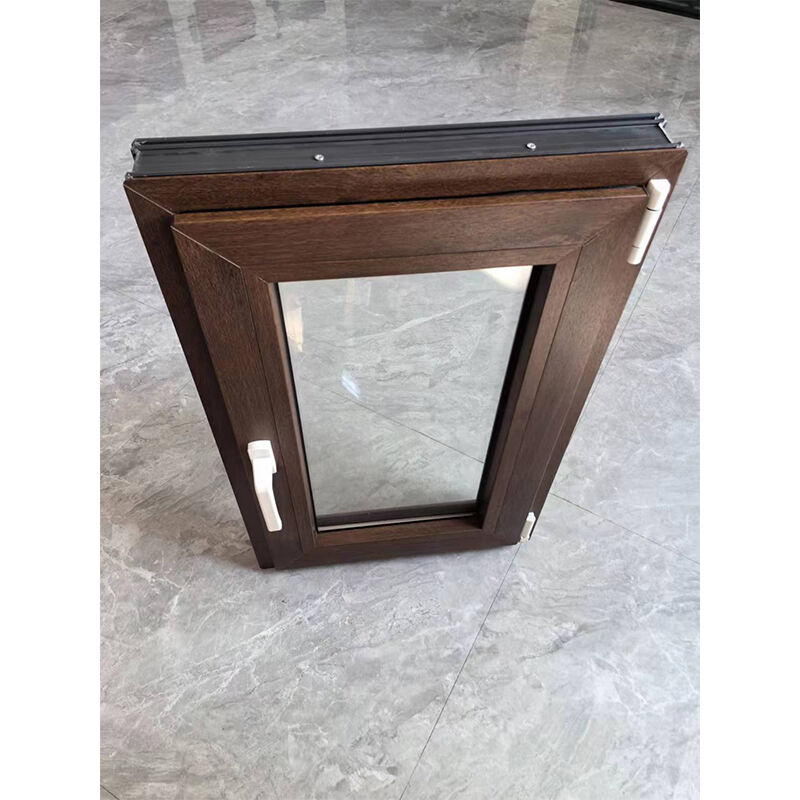
Sourcing upvc windows for residential, commercial, or industrial projects requires a strategic approach that balances quality, performance, cost, and supplier reliability. As one of the most popular fenestration solutions globally, upvc windows offer exceptional thermal efficiency, durability, and low maintenance requirements. However, the market presents buyers with a wide spectrum of product quality, manufacturing standards, and service levels. Understanding the critical factors that differentiate superior upvc windows from substandard alternatives enables procurement professionals, contractors, architects, and property developers to make informed decisions that protect project budgets, meet regulatory requirements, and deliver long-term value to end users.
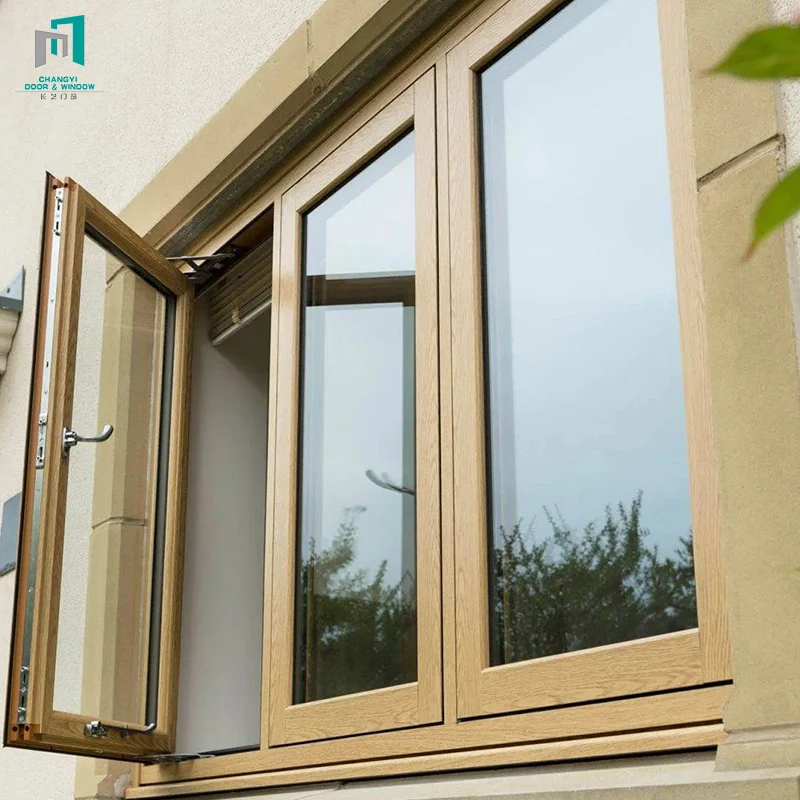
The sourcing process for upvc windows extends far beyond comparing initial purchase prices. Buyers must evaluate material composition, profile design, hardware quality, glazing specifications, manufacturing capabilities, certification compliance, warranty terms, and post-sale support. Each of these elements directly impacts the operational performance, aesthetic appeal, lifespan, and total cost of ownership of the installed windows. This comprehensive analysis explores the essential considerations that should guide buyer decisions throughout the upvc windows procurement journey, from initial supplier evaluation through final installation and beyond.
Material Quality and Profile Specifications
PVC Resin Grade and Composition Standards
The foundation of any high-performance upvc windows system lies in the quality of the polyvinyl chloride resin used in profile extrusion. Virgin PVC resin provides superior structural integrity, color stability, and weather resistance compared to recycled or low-grade alternatives. Buyers should verify that suppliers use lead-free stabilizer systems that comply with modern environmental and health regulations. The calcium-zinc or organic-based stabilizers represent the current industry standard, replacing older lead-based formulations. Premium upvc windows manufacturers typically specify the exact resin grade, stabilizer type, and additive package used in their profiles, providing transparency that allows technical evaluation.
Profile wall thickness constitutes another critical material specification that directly affects structural performance and longevity. Exterior-facing walls should typically measure between 2.5mm and 3.0mm in residential applications, with thicker profiles required for commercial installations or areas with extreme weather conditions. The reinforcement steel embedded within upvc windows profiles must meet specific gauge requirements and receive proper galvanization treatment to prevent corrosion. Buyers should request detailed cross-sectional drawings that clearly illustrate wall thickness distribution, chamber configuration, and reinforcement placement. These technical specifications directly correlate with the window's ability to maintain structural integrity under wind loads, thermal expansion cycles, and mechanical stress over decades of service.
Multi-Chamber Design and Thermal Performance
Modern upvc windows incorporate multi-chamber profile designs that create insulating air pockets, significantly enhancing thermal efficiency. The number of chambers typically ranges from three to seven, with each additional chamber contributing to improved insulation properties. However, chamber count alone does not determine thermal performance—chamber geometry, wall thickness distribution, and overall profile depth play equally important roles. Buyers evaluating upvc windows should examine the U-value ratings provided by manufacturers, which quantify heat transfer rates. Lower U-values indicate superior insulation capability, with premium systems achieving values below 1.0 W/m²K when combined with appropriate glazing.
The profile depth dimension affects both thermal performance and structural capacity. Standard residential upvc windows typically feature profile depths between 60mm and 80mm, while premium systems may extend to 90mm or beyond. Deeper profiles accommodate thicker glazing units, provide space for additional chambers, and offer greater structural rigidity. Buyers must balance thermal performance requirements against available installation depth, particularly in retrofit applications where existing frames impose spatial constraints. Geographic climate conditions should guide the selection of appropriate profile depth and chamber configuration, with cold climate installations justifying investment in deeper, more heavily chambered systems that deliver measurable energy savings throughout the building's operational life.
Hardware Components and Operating Mechanisms
Locking Systems and Security Features
The hardware components integrated into upvc windows directly determine security performance, operational smoothness, and long-term reliability. Multi-point locking systems represent the current industry standard, engaging the frame at multiple locations simultaneously to distribute forces and resist forced entry attempts. Buyers should specify systems with at least five locking points for standard residential applications, with additional points recommended for larger window configurations. The lock mechanism materials warrant careful examination—stainless steel or zinc-alloy components resist corrosion and maintain functionality in coastal or high-humidity environments where inferior materials would deteriorate rapidly.
Security certification provides objective validation of hardware performance under standardized testing protocols. European standards such as RC2 or RC3 ratings indicate tested resistance against specific break-in scenarios, while similar certification systems exist in other markets. Buyers specifying upvc windows for commercial buildings, ground-floor residential applications, or high-security facilities should prioritize suppliers offering certified security hardware with documented test results. The cylinder locks integrated into the hardware system should feature anti-drill, anti-pick, and anti-snap protection mechanisms. Keying options including master key systems, restricted keyways, and electronic access control integration may warrant consideration for multi-unit residential or commercial projects requiring centralized security management.
Hinges, Operators, and Movement Mechanisms
The hinges supporting operable upvc windows must possess sufficient load capacity to handle the sash weight while maintaining smooth operation through hundreds of thousands of cycles. Stainless steel hinges with concealed bearings provide superior durability and aesthetic appeal compared to surface-mounted alternatives. Buyers should verify that hinge specifications match or exceed the weight of the glazed sash, with safety factors appropriate for the application. Friction stays or egress hinges may be required to meet building code requirements for emergency escape and rescue openings in sleeping rooms.
Sliding window mechanisms demand particular scrutiny due to their susceptibility to wear and maintenance issues. High-quality roller systems with stainless steel wheels and sealed bearings maintain smooth operation with minimal maintenance over extended service lives. The track design should incorporate drainage channels and debris management features that prevent performance degradation from accumulated dirt or water. Tilt-and-turn hardware systems offer versatile operation but require precise adjustment and premium components to function reliably. Buyers evaluating these configurations in upvc windows should request demonstration units that allow hands-on assessment of operational quality, adjustment mechanisms, and maintenance accessibility before committing to large-quantity orders.
Glazing Specifications and Energy Performance
Insulated Glass Unit Construction
The glazing component typically accounts for the largest surface area in upvc windows and exerts dominant influence over thermal performance, acoustic control, and solar heat management. Double-glazed units represent the minimum standard for modern applications, while triple-glazed configurations deliver superior performance in cold climates or high-performance building projects. The spacing between glass panes directly affects insulation capability—optimal spacing typically ranges from 12mm to 16mm for double-glazed units and 12mm for each cavity in triple-glazed assemblies. Gas fills using argon or krypton replace air within the sealed cavity, reducing conductive and convective heat transfer due to their lower thermal conductivity compared to air.
Low-emissivity coatings applied to glass surfaces dramatically improve thermal performance by reflecting infrared radiation while maintaining visible light transmission. Buyers should understand the distinction between hard-coat and soft-coat low-e technologies, with soft-coat formulations delivering superior performance but requiring protected placement within the insulated glass unit cavity. The coating placement position affects performance characteristics—coating on surface two (counting from exterior) optimizes solar heat gain in cold climates, while coating on surface three minimizes solar gain in cooling-dominated climates. Specifying appropriate low-e coating configurations for upvc windows requires careful consideration of building orientation, local climate data, and energy modeling results that quantify annual heating and cooling loads under various glazing scenarios.
Acoustic Performance and Specialty Glass Options
Projects located near transportation corridors, industrial facilities, or entertainment districts may require upvc windows with enhanced acoustic attenuation capabilities. Sound transmission class ratings quantify acoustic performance, with higher values indicating greater sound blocking capability. Achieving superior acoustic performance typically requires asymmetric glass thickness configurations, laminated glass construction, or increased air space dimensions within the insulated glass unit. Buyers should recognize that optimizing for acoustic performance may conflict with thermal performance objectives, requiring careful balancing of competing priorities based on project-specific conditions.
Safety and security applications may necessitate laminated or tempered glass integration into upvc windows. Laminated glass incorporates polyvinyl butyral interlayers that hold glass fragments together upon impact, providing protection against injury and forced entry. Tempered glass undergoes heat treatment that increases strength and causes fragmentation into small, relatively harmless pieces upon breakage. Building codes mandate tempered or laminated glass in specific locations including doors, sidelights, and glazing near floor levels. Buyers must ensure specified upvc windows incorporate appropriate safety glazing that complies with local building regulations while meeting performance requirements. Specialty coatings addressing bird strike prevention, ultraviolet filtration, or privacy requirements may warrant consideration for specific applications, though each additional feature incrementally increases cost and may affect other performance characteristics.
Manufacturing Capabilities and Quality Control
Production Equipment and Process Control
The manufacturing infrastructure supporting upvc windows production directly determines achievable quality levels, dimensional precision, and production consistency. Modern CNC machining centers enable precise cutting, routing, and drilling operations with tolerances measured in fractions of millimeters. Automated welding systems using either four-corner or V-notch cutting approaches create corner joints that maintain structural integrity and aesthetic appeal. Buyers visiting potential suppliers should observe welding quality, corner alignment, and post-weld cleaning processes. High-quality manufacturers employ multi-head welding machines with programmed heating profiles and automated cooling systems that produce consistently strong, visually clean corner joints across all production runs.
Quality control protocols implemented throughout manufacturing operations provide assurance that finished upvc windows meet specified requirements. Statistical process control methods track critical dimensions, weld strength, hardware operation, and other parameters across production batches. Third-party inspection services offer independent verification when buyers lack resources to conduct on-site quality audits. Manufacturers should maintain documented quality management systems certified to ISO 9001 or equivalent standards, demonstrating organizational commitment to consistent quality delivery. The presence of in-house testing facilities equipped to verify thermal performance, structural integrity, water penetration resistance, and air leakage rates indicates manufacturing sophistication and technical capability that translate into superior product performance.
Customization Capabilities and Design Flexibility
Projects with architectural distinction or specific performance requirements often demand customized upvc windows configurations beyond standard catalog offerings. Suppliers with in-house design capabilities can adapt standard profiles, integrate custom hardware, modify frame geometries, or develop entirely new systems addressing unique project needs. Buyers should assess supplier design resources including engineering staff qualifications, CAD capabilities, structural analysis tools, and prototyping facilities. The ability to produce sample units for testing and approval before full production commencement reduces risk and ensures final products meet expectations.
Color and finish options extend beyond standard white upvc windows to include woodgrain foils, solid colors, and dual-color configurations with different exterior and interior finishes. The lamination process bonding decorative films to profile surfaces requires specialized equipment and technical expertise to achieve durable, aesthetically consistent results. Buyers specifying non-white finishes should examine sample profiles exposed to accelerated weathering tests that simulate years of ultraviolet exposure, thermal cycling, and moisture exposure. Premium lamination systems maintain color stability and adhesion integrity for decades, while inferior applications may experience delamination, fading, or surface degradation within years. The available color range, minimum order quantities for custom colors, and lead time implications should factor into sourcing decisions for projects with specific aesthetic requirements.
Certification Compliance and Performance Validation
Building Code Requirements and Regional Standards
Regulatory compliance represents a non-negotiable requirement for upvc windows installations, with building codes establishing minimum performance thresholds for structural integrity, energy efficiency, egress provisions, and safety glazing. Buyers must verify that specified products meet or exceed applicable code requirements in the project jurisdiction. In North America, products typically require evaluation reports from recognized agencies confirming compliance with building codes and standards. European markets mandate CE marking demonstrating conformity with essential requirements of relevant directives. Suppliers unable to provide appropriate certifications and test reports expose buyers to regulatory compliance risks, installation delays, and potential liability.
Energy code compliance has grown increasingly stringent as jurisdictions adopt more aggressive efficiency requirements addressing climate change concerns. ENERGY STAR certification in applicable markets provides convenient verification that upvc windows meet defined efficiency thresholds for specific climate zones. However, high-performance building projects may require performance levels exceeding ENERGY STAR criteria, necessitating detailed review of NFRC-rated U-factors, solar heat gain coefficients, visible transmittance values, and air leakage rates. Buyers should obtain product-specific performance data rather than relying on generic profile system ratings, as actual performance varies based on glazing specifications, frame configurations, and installation details. Computer energy modeling using project-specific performance data provides the most accurate assessment of how upvc windows selections will impact whole-building energy consumption and operating costs.
Third-Party Testing and Performance Verification
Independent laboratory testing validates manufacturer performance claims and provides objective comparison data supporting informed sourcing decisions. Standardized test protocols evaluate structural performance under design pressure loads, water penetration resistance under wind-driven rain conditions, air leakage rates at specified pressure differentials, and forced entry resistance under security testing scenarios. Buyers should request complete test reports rather than summary certifications, allowing detailed review of test methods, sample configurations, and measured results. Testing should reflect actual production units rather than prototype samples, ensuring reported performance accurately represents delivered products.
Long-term durability testing provides insights into how upvc windows will perform after years of environmental exposure and operational cycling. Accelerated aging tests using ultraviolet exposure, thermal cycling, humidity conditioning, and mechanical cycling simulate decades of field service in compressed timeframes. These tests reveal potential failure modes including material degradation, hardware wear, seal failure, and coating deterioration that may not manifest during short-term testing. Manufacturers investing in comprehensive durability testing demonstrate confidence in long-term product performance and provide buyers with greater assurance of achieving expected service life. Warranty terms should align with testing results, with extended warranty periods backed by durability testing data providing meaningful protection against premature failures.
Supplier Evaluation and Commercial Considerations
Production Capacity and Lead Time Management
Assessing supplier production capacity relative to project requirements prevents delivery delays that cascade through construction schedules. Buyers should evaluate existing order backlogs, production line availability, and raw material inventory levels that affect ability to meet required delivery schedules. Suppliers with multiple production lines offer greater scheduling flexibility and redundancy against equipment failures or maintenance shutdowns. Rush capacity for accommodating unexpected schedule compression or order increases provides valuable flexibility for buyers managing complex projects with evolving timelines. The geographic location of manufacturing facilities affects transportation costs and delivery schedules, with local or regional suppliers potentially offering advantages over distant manufacturers despite potentially higher unit costs.
Lead times for custom or non-standard upvc windows configurations typically extend beyond stock product availability, requiring advance planning to maintain project schedules. Buyers should obtain detailed production schedules showing material procurement periods, manufacturing duration, quality inspection timelines, and shipping transit times. Phased delivery schedules aligned with installation sequences optimize on-site storage requirements and reduce risk of damage or loss. Suppliers with established logistics partnerships and experience shipping to the project region provide greater confidence in on-time delivery. Container optimization for international shipments affects transportation costs and delivery efficiency, with suppliers offering container loading optimization potentially delivering significant cost savings on large-volume orders.
Pricing Structure and Total Cost Analysis
Upvc windows pricing encompasses multiple components including base material costs, manufacturing complexity charges, hardware selections, glazing specifications, finish options, and quantity discounts. Buyers should request detailed pricing breakdowns that itemize each cost component, enabling identification of optimization opportunities and value engineering options. Volume-based pricing tiers incentivize larger single orders, though buyers must balance volume discounts against inventory carrying costs and project phasing requirements. Payment terms affect cash flow management, with progressive payment schedules tied to production milestones or shipment releases providing better financial predictability than large advance payments or final payment on delivery terms.
Total cost of ownership analysis extends beyond initial purchase price to encompass installation costs, energy performance impacts, maintenance requirements, and expected service life. Premium upvc windows with higher initial costs may deliver superior value through reduced installation labor due to better manufacturing tolerances, lower energy costs from enhanced thermal performance, minimal maintenance requirements, and extended service life avoiding premature replacement costs. Life-cycle cost analysis incorporating these factors provides more complete economic comparison than simple unit price evaluation. Buyers should also consider warranty coverage, parts availability, and technical support quality as elements of total ownership cost. Suppliers offering comprehensive warranties backed by responsive service organizations provide greater protection against unexpected costs from product failures or performance issues.
Technical Support and Installation Assistance
Supplier technical support capabilities affect installation success, performance optimization, and problem resolution throughout the project lifecycle. Comprehensive installation instructions, detail drawings, and installation videos enable installers to properly execute installations achieving designed performance levels. On-site installation training or supervision by manufacturer representatives reduces installation errors and ensures warranty validity. Buyers working with installation teams unfamiliar with specific upvc windows systems should prioritize suppliers offering robust installation support including technical hotlines, field representatives, and troubleshooting assistance. Post-installation commissioning services verifying proper operation, adjustment, and performance provide additional assurance of successful project completion.
Long-term parts availability ensures maintenance and repair capabilities throughout the expected service life of upvc windows installations. Suppliers maintaining extensive replacement parts inventories and publishing parts catalogs facilitate future maintenance activities. Standardized component designs using industry-common hardware and accessories simplify parts sourcing compared to proprietary systems requiring manufacturer-specific components. Buyers should clarify parts availability commitments, typically spanning 10-15 years minimum, and understand procedures for ordering replacement components. Suppliers with established distribution networks or local service centers provide more accessible parts and service access than manufacturers requiring direct ordering from distant facilities. These considerations prove particularly important for large-scale installations where ongoing maintenance and occasional repairs are inevitable over multi-decade service lives.
FAQ
What is the typical lifespan of upvc windows and what factors affect durability?
High-quality upvc windows typically deliver service lives exceeding 30-40 years when properly manufactured, installed, and maintained. The primary factors affecting durability include PVC resin quality, UV stabilizer effectiveness, profile wall thickness, reinforcement specifications, hardware quality, glazing seal integrity, and exposure to environmental stressors. Premium formulations using virgin resin with advanced stabilizer systems resist discoloration, chalking, and material degradation more effectively than economy-grade alternatives. Proper installation ensuring adequate drainage, correct fastening, and appropriate sealing prevents water infiltration and structural stress that accelerate deterioration. Regular maintenance including cleaning, lubrication of moving parts, and seal inspection extends operational life and maintains performance.
How do upvc windows compare to aluminum or wood windows in terms of performance and value?
Upvc windows offer superior thermal performance compared to standard aluminum windows due to PVC's lower thermal conductivity, though thermally-broken aluminum systems narrow this performance gap. Maintenance requirements favor upvc windows, which require no painting or refinishing unlike wood windows that demand periodic maintenance to prevent rot and decay. Initial costs typically position upvc windows between economy aluminum systems and premium wood windows, though total lifecycle costs often favor upvc due to minimal maintenance needs and good durability. Aesthetic preferences vary by market and application, with wood offering traditional appeal but upvc providing consistent appearance with modern profile designs and finish options. The optimal choice depends on specific project requirements balancing performance priorities, budget constraints, aesthetic objectives, and maintenance capabilities.
What minimum specifications should be required for upvc windows in cold climate applications?
Cold climate installations should specify upvc windows with profile depths of at least 70mm incorporating five or more chambers, continuous steel reinforcement in all frame and sash members, and triple-glazed insulated glass units with low-e coatings and gas fills. Target U-values should not exceed 0.8 W/m²K for the complete window assembly, with performance verification through certified testing rather than calculated values. Hardware must function reliably at temperature extremes, requiring appropriate lubrication and corrosion-resistant materials. Weatherstripping should employ EPDM or equivalent materials maintaining elasticity and sealing effectiveness at low temperatures. Enhanced corner joint welding and additional structural reinforcement prevent deflection under snow loads and thermal expansion stresses common in cold climates. Proper installation with continuous insulation around the frame perimeter prevents thermal bridging that compromises designed thermal performance.
How can buyers verify that upvc windows meet environmental and health safety standards?
Buyers should request documentation confirming lead-free stabilizer systems, with calcium-zinc or organic stabilizers representing current best practices replacing older lead-based formulations. Certifications from recognized environmental product declaration programs or green building rating systems provide independent verification of environmental compliance and sustainable manufacturing practices. Material safety data sheets detail chemical composition and identify any substances of concern. Testing reports from accredited laboratories can verify absence of restricted substances and compliance with regulations such as REACH in European markets or similar frameworks in other jurisdictions. Recycling programs and end-of-life management capabilities demonstrate manufacturer commitment to circular economy principles. Indoor air quality certifications confirm minimal emissions of volatile organic compounds or other contaminants that could affect building occupant health, particularly important for sensitive applications including schools, healthcare facilities, and residential buildings.
Table of Contents
- Material Quality and Profile Specifications
- Hardware Components and Operating Mechanisms
- Glazing Specifications and Energy Performance
- Manufacturing Capabilities and Quality Control
- Certification Compliance and Performance Validation
- Supplier Evaluation and Commercial Considerations
-
FAQ
- What is the typical lifespan of upvc windows and what factors affect durability?
- How do upvc windows compare to aluminum or wood windows in terms of performance and value?
- What minimum specifications should be required for upvc windows in cold climate applications?
- How can buyers verify that upvc windows meet environmental and health safety standards?