 EN
EN
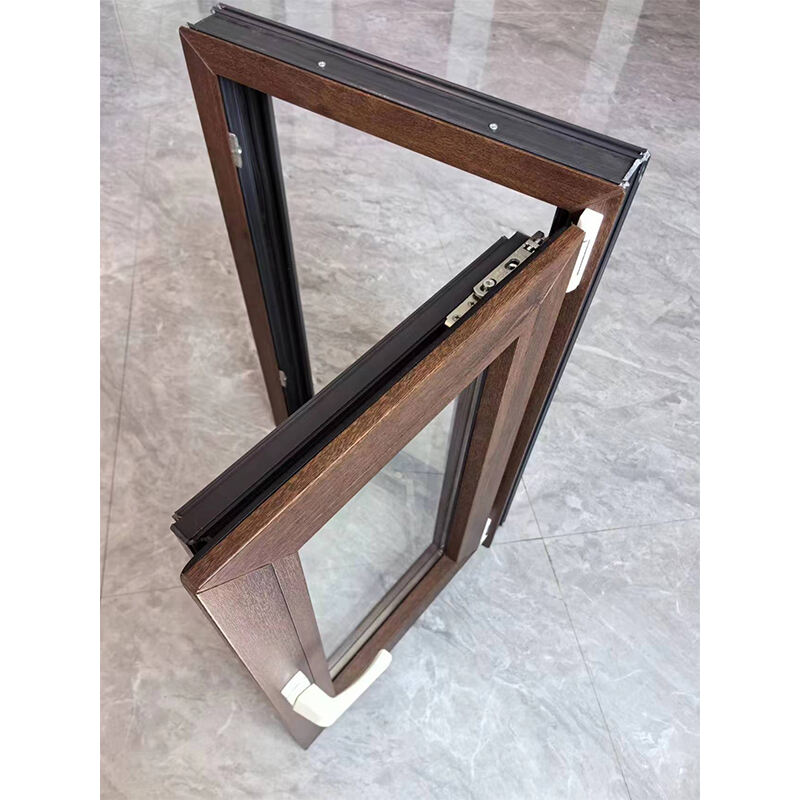
Maintaining the structural integrity and operational efficiency of upvc windows requires a systematic approach that addresses both preventive care and responsive maintenance strategies. While UPVC material offers inherent advantages in durability and weather resistance, the long-term performance stability of these window systems depends significantly on proper maintenance protocols that account for environmental exposure, mechanical wear, and material aging. Industrial facilities, commercial buildings, and residential properties all face distinct challenges in preserving window functionality over extended service periods, making tailored maintenance approaches essential for maximizing investment value and operational reliability.
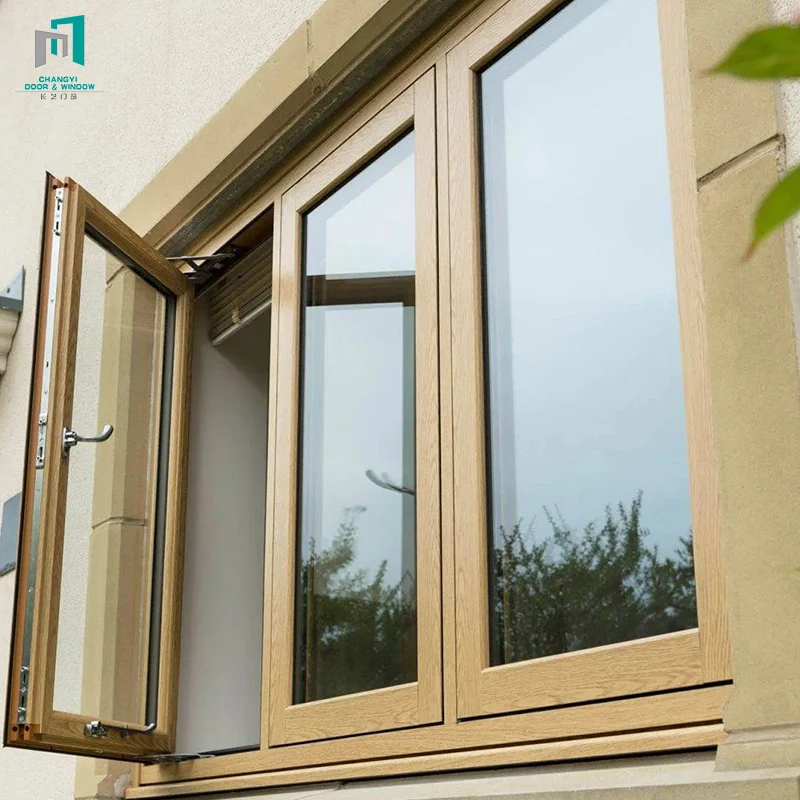
The deterioration patterns observed in upvc windows typically manifest through specific failure modes including seal degradation, hardware malfunction, profile discoloration, and thermal expansion complications. Understanding these degradation mechanisms enables facility managers and property owners to implement targeted maintenance interventions that prevent cascading failures and extend functional lifespan. Professional maintenance protocols differ substantially from basic cleaning routines, incorporating detailed inspections of drainage systems, weatherstripping integrity, glazing unit performance, and structural fastener conditions. This comprehensive approach to upvc windows maintenance ensures that both aesthetic appearance and functional performance remain optimal throughout the anticipated service life, which can exceed thirty years when proper care protocols are consistently applied.
Understanding UPVC Window Component Deterioration Patterns
Primary Wear Mechanisms Affecting Frame Integrity
The polymer matrix within upvc windows undergoes gradual molecular changes when exposed to ultraviolet radiation, thermal cycling, and atmospheric pollutants. These environmental stressors initiate surface oxidation that manifests as chalking or discoloration, particularly on south-facing installations where solar exposure intensity reaches maximum levels. The degradation process accelerates in coastal environments where salt aerosols combine with UV exposure to create aggressive surface conditions. Regular inspection protocols should document any surface texture changes, color shifts, or brittleness indicators that suggest advanced polymer degradation requiring intervention.
Frame distortion represents another critical failure mode resulting from inadequate thermal expansion accommodation or improper installation constraints. UPVC profiles experience dimensional changes across temperature ranges, with linear expansion coefficients requiring specific allowances in frame design and installation methodology. When expansion joints or installation tolerances prove insufficient, frame sections develop internal stresses that compromise sealing interfaces and hardware mounting points. Maintenance inspections must verify that expansion gaps remain functional and that no binding conditions have developed between fixed and operable sash components.
The multi-chamber profile design characteristic of quality upvc windows provides structural rigidity and thermal performance, but these internal cavities also create pathways for moisture accumulation when drainage weep holes become obstructed. Blocked drainage systems allow water to pool within frame cavities, potentially causing hardware corrosion, glazing seal failure, and even biological growth in severe cases. Systematic maintenance schedules should include drainage verification procedures ensuring that weep holes remain clear and that water exits frames efficiently during precipitation events.
Hardware Component Degradation and Functional Decline
Operating hardware assemblies on upvc windows experience mechanical wear patterns determined by usage frequency, load distribution, and lubrication adequacy. Hinge mechanisms bear continuous static loads while accommodating cyclical opening forces, creating wear surfaces that gradually develop play and misalignment. The zinc-plated steel or stainless steel components commonly used in window hardware resist corrosion effectively under normal conditions, but coating damage or inappropriate lubrication products can accelerate degradation significantly. Maintenance protocols should incorporate hardware inspection intervals that identify developing play or resistance changes before functional failure occurs.
Locking mechanisms on upvc windows provide both security functions and weatherseal compression, making their proper operation critical for multiple performance criteria. Multi-point locking systems distribute compression forces across frame perimeters, maintaining consistent gasket engagement that prevents air and water infiltration. As hardware components wear or adjustment mechanisms drift out of specification, compression patterns become uneven and seal effectiveness deteriorates. Regular adjustment procedures ensure that locking systems maintain specified compression levels across all engagement points, preserving both security and environmental sealing performance.
Sliding and rolling hardware systems present distinct maintenance requirements compared to hinge-based casement configurations. Track contamination from atmospheric dust, biological debris, or construction residues increases rolling resistance and accelerates bearing wear. Roller assemblies incorporate precision bearings that require appropriate lubricants formulated for plastic-compatible applications, as petroleum-based products can attack UPVC materials. Maintenance schedules for sliding window systems should specify cleaning frequencies adequate for local environmental conditions and lubrication intervals that prevent premature bearing failure.
Implementing Systematic Inspection Protocols
Seasonal Inspection Requirements and Documentation
Effective maintenance programs for upvc windows incorporate seasonal inspection cycles that address weather-specific concerns and prepare installations for upcoming environmental challenges. Pre-winter inspections focus on weatherseal integrity, drainage system functionality, and hardware adjustment to ensure that windows perform reliably during precipitation events and temperature extremes. These assessments should document gasket condition, compression uniformity, and any air leakage indicators discovered through visual inspection or simple smoke testing procedures. Facilities in cold climates must verify that condensation management features function properly and that interior surface temperatures remain above dew point thresholds under design heating conditions.
Spring inspection protocols emphasize cleaning requirements and assessment of winter damage effects. Accumulated debris from deciduous vegetation, ice dam formations, or wind-driven precipitation events may have compromised drainage pathways or damaged external trim components. Thorough cleaning of frame surfaces, track systems, and drainage channels removes contaminants that could accelerate material degradation or harbor biological growth. This seasonal transition also provides optimal conditions for applying protective treatments or performing minor repairs before summer heat complicates material handling and curing processes.
Documentation practices transform routine inspections into valuable maintenance intelligence that supports long-term performance optimization. Digital photographic records establish baseline conditions and enable objective comparison across inspection intervals, revealing gradual changes that might otherwise escape notice. Standardized inspection checklists ensure consistent evaluation criteria across multiple window installations and different inspection personnel. When inspection documentation links to specific window identifiers within building management systems, maintenance history becomes accessible for warranty claims, renovation planning, and life-cycle cost analysis.
Diagnostic Procedures for Performance Verification
Beyond visual inspection, diagnostic testing procedures provide objective performance data for upvc windows that may appear functionally adequate but actually operate below specification. Air infiltration testing using calibrated measurement equipment quantifies seal effectiveness and identifies specific leakage paths requiring remediation. While comprehensive testing protocols typically occur during commissioning or major renovation cycles, simplified assessment methods using thermal imaging cameras or anemometers can identify problem areas during routine maintenance activities. Thermal imaging proves particularly valuable for detecting frame areas where insulation performance has degraded due to internal moisture accumulation or structural damage.
Operational force measurement ensures that hardware systems function within acceptable resistance ranges that balance security requirements with accessibility standards. Excessive opening forces indicate developing hardware problems, seal compression issues, or frame distortion conditions requiring correction. Simple spring scales or digital force gauges enable maintenance personnel to quantify operational characteristics and track changes over time. When force measurements exceed manufacturer specifications or accessibility code requirements, detailed hardware inspection and adjustment procedures become necessary to restore proper function.
Water penetration resistance verification protects building envelopes from moisture intrusion damage that can compromise structural components, insulation systems, and interior finishes. Simplified water testing procedures applying controlled spray patterns to window assemblies reveal seal deficiencies, installation detail failures, or drainage system inadequacies. These diagnostic procedures prove especially valuable following severe weather events or when interior moisture staining suggests possible window leakage. Addressing water infiltration promptly prevents secondary damage propagation and maintains the protective envelope integrity that building occupants depend upon.
Establishing Effective Cleaning and Surface Treatment Regimens
Proper Cleaning Methodology for UPVC Surfaces
The cleaning approach applied to upvc windows significantly influences both immediate appearance and long-term material integrity. Appropriate cleaning solutions must effectively remove atmospheric soiling, biological growth, and environmental deposits without attacking the polymer matrix or degrading surface characteristics. Mild alkaline detergents formulated specifically for UPVC applications provide optimal cleaning effectiveness while maintaining material compatibility. Harsh solvents, abrasive cleaners, or strongly acidic solutions can damage surface finish, remove stabilizer compounds, or create microscopic surface roughness that accelerates subsequent soiling accumulation.
Application methodology affects cleaning outcomes as significantly as product selection. Soft cloths or non-abrasive sponges prevent surface scratching while providing adequate mechanical action for soil removal. High-pressure washing equipment should be avoided or used with extreme caution, as excessive pressure can force water past seal interfaces, damage weatherstripping, or drive contaminants into drainage channels. When environmental conditions produce heavy soiling loads requiring more aggressive cleaning approaches, testing procedures on inconspicuous frame areas verify compatibility before treating visible surfaces.
Glass cleaning procedures integrated with frame maintenance ensure comprehensive appearance quality while avoiding material interactions that could damage UPVC components. Ammonia-based glass cleaners should not contact frame surfaces, as these formulations can discolor or weaken polymer materials over time. Dedicated glass cleaning operations using appropriate solutions and application tools maintain optical clarity without compromising adjacent frame components. Careful masking or directional application techniques prevent glass cleaning products from migrating onto UPVC surfaces during maintenance operations.
Protective Treatments and Surface Restoration
While UPVC material incorporates internal UV stabilizers and pigmentation systems designed for outdoor exposure, supplemental surface treatments can extend appearance retention and ease subsequent cleaning operations. Specialized UPVC protectants create temporary hydrophobic surface layers that resist soiling adhesion and facilitate water shedding. These treatments typically require reapplication at intervals ranging from six months to two years depending on environmental exposure intensity and product formulation. Application should follow thorough cleaning operations to ensure proper surface adhesion and avoid sealing contaminants against frame surfaces.
Surface restoration procedures address oxidation and discoloration effects that develop on upvc windows despite preventive maintenance efforts. Specialized restoration compounds incorporate mild abrasives and chemical agents that remove degraded surface layers, revealing unweathered material beneath. These treatments prove most effective during early degradation stages before substantial material property changes have occurred throughout the profile cross-section. Professional assessment determines whether restoration treatments offer viable solutions or whether advanced degradation requires component replacement to maintain performance and appearance standards.
Protective treatments for hardware components complement frame maintenance procedures and extend operational lifespan. Appropriate lubricants formulated for plastic compatibility maintain smooth operation while preventing corrosion on metal components. Silicone-based or PTFE-formulated lubricants provide effective performance without attacking UPVC materials or migrating onto glass surfaces where they could compromise visibility. Regular lubrication intervals prevent dry operation conditions that accelerate mechanical wear and ensure that hardware systems continue functioning smoothly throughout their service life.
Addressing Common Maintenance Issues and Repair Requirements
Seal and Weatherstripping Replacement Procedures
Weatherseal components on upvc windows experience accelerated aging compared to frame materials due to their exposure position and material composition. Elastomeric seals undergo compression set, surface hardening, and eventual cracking as plasticizers migrate and polymer chains degrade. Regular inspection identifies seal deterioration before functional failure occurs, allowing planned replacement during scheduled maintenance windows rather than emergency response to water infiltration events. Replacement procedures require proper identification of original seal profiles and material specifications to ensure compatibility with frame geometry and performance requirements.
Installation methodology significantly affects seal performance and longevity following replacement operations. Proper cleaning of seal channels removes accumulated debris and degraded material remnants that could compromise new seal adhesion or create irregular compression patterns. Seal materials must be stored and installed within specified temperature ranges to maintain material properties and dimensional stability. Stretching or compressing seals beyond manufacturer tolerances during installation creates internal stresses that accelerate subsequent failure and reduce effective service life.
Corner joints and transitions represent critical seal locations requiring particular attention during replacement operations. These geometric discontinuities create potential leakage paths when seal sections are improperly joined or when corner pieces are omitted. Proper corner treatment using molded corner sections or carefully mitered seal joints maintains continuous weatherproofing performance. Post-installation verification ensures that seals engage properly under hardware compression and that no gaps exist at vulnerable corner locations or transition points.
Hardware Adjustment and Component Replacement
Maintaining proper hardware adjustment on upvc windows ensures continued operational performance and prevents accelerated wear resulting from misalignment conditions. Three-dimensional hinge adjustment capabilities enable precise positioning of operable sashes within frame openings, maintaining consistent perimeter gaps and seal compression. Systematic adjustment procedures verify that sash-to-frame clearances meet specifications around entire perimeters and that diagonal measurements confirm proper squareness. When adjustment capabilities prove insufficient to correct alignment problems, underlying causes such as frame distortion or structural movement require investigation and remediation.
Component replacement becomes necessary when hardware elements reach end-of-service condition or when damage occurs from operational stress or external impact. Identifying appropriate replacement components requires access to original manufacturer specifications or careful measurement and analysis of existing hardware systems. Compatibility extends beyond simple dimensional correspondence to include load capacity, operational characteristics, and finish specifications. When original components are no longer available, equivalent replacement options must provide comparable performance without requiring frame modifications that could compromise structural integrity or warranty coverage.
Installation procedures for replacement hardware must address both functional performance and aesthetic integration. Proper fastener torque specifications ensure adequate component retention without over-stressing UPVC frame materials that can crack under excessive localized loads. Pilot hole dimensions require careful attention, as undersized holes create installation stress while oversized holes reduce fastener retention capability. Surface finish matching maintains appearance consistency across window installations, particularly important in commercial applications where uniform presentation contributes to overall building image quality.
Developing Long-Term Maintenance Planning and Budgeting Strategies
Life-Cycle Cost Analysis for Window Systems
Comprehensive financial planning for upvc windows maintenance incorporates both routine care costs and anticipated major intervention requirements over expected service life. Life-cycle cost models account for cleaning frequency, inspection intervals, component replacement schedules, and eventual end-of-life disposal or renovation expenses. These projections enable facility managers to establish appropriate reserve funding levels and avoid deferred maintenance patterns that accelerate deterioration and increase total ownership costs. Accurate modeling requires realistic service life assumptions based on environmental exposure conditions, usage intensity, and maintenance program quality rather than theoretical maximum potential lifespans.
Preventive maintenance investment levels significantly influence long-term cost outcomes for window systems. Adequate funding for systematic inspection and timely minor repairs prevents cascading failures that generate expensive emergency response requirements and secondary building damage. Economic analysis comparing preventive maintenance costs against reactive repair expenses consistently demonstrates financial advantages of proactive care approaches. Organizations managing large window populations benefit particularly from systematic maintenance programs that identify developing problems before functional failures occur, enabling planned interventions during convenient scheduling windows rather than disruptive emergency response scenarios.
Energy performance considerations integrate with maintenance economics when evaluating upvc windows life-cycle value. Maintaining proper seal integrity, hardware compression, and glazing unit performance preserves thermal efficiency that reduces heating and cooling costs throughout building operational life. Degraded seals or misaligned hardware that allow air infiltration create continuous energy penalties far exceeding repair costs. Comprehensive economic analysis incorporating energy impacts alongside direct maintenance expenses provides complete financial perspective supporting appropriate maintenance investment decisions.
Vendor Management and Service Provider Selection
Organizations lacking internal expertise for specialized upvc windows maintenance procedures require qualified service providers offering appropriate technical capabilities and response availability. Vendor selection criteria should emphasize demonstrated experience with specific window systems, technical training credentials, and comprehensive insurance coverage protecting against installation errors or property damage. Service agreements establishing clear performance expectations, response timeframes, and quality standards create accountability frameworks ensuring consistent service delivery. Long-term vendor relationships enable service providers to develop detailed knowledge of specific installations, improving diagnostic efficiency and intervention effectiveness.
Quality assurance procedures verify that contracted maintenance activities meet established standards and actually deliver anticipated performance benefits. Post-service inspections confirm work completion, proper material usage, and functional performance restoration. Documentation requirements ensure that service records provide detailed maintenance history supporting warranty claims, regulatory compliance demonstration, and future planning requirements. When service quality proves inadequate, defined corrective action procedures and contract enforcement mechanisms protect facility interests and maintain system performance standards.
Training programs for internal maintenance staff complement contracted services and enable routine care activities without requiring external vendor engagement. Basic cleaning procedures, simple hardware adjustments, and inspection protocols can be performed effectively by properly trained building maintenance personnel. This hybrid approach reserves specialized service providers for complex diagnostic procedures, major component replacements, and technical interventions requiring specialized tools or expertise. Balancing internal capabilities with external specialty services optimizes maintenance program cost-effectiveness while ensuring that all required activities receive appropriate technical attention.
FAQ
How frequently should comprehensive inspections be performed on upvc windows in commercial buildings?
Commercial installations typically require semi-annual comprehensive inspections conducted before winter and summer seasons, with additional assessments following severe weather events or when operational problems are reported. High-traffic applications or harsh environmental exposures may warrant quarterly inspection intervals. Each inspection should document frame condition, hardware operation, seal integrity, drainage functionality, and glass unit status. Facilities maintaining detailed inspection records can refine scheduling based on observed deterioration rates and environmental factors specific to their installations.
What specific lubricants are safe for use on upvc windows hardware without damaging frame materials?
Silicone-based spray lubricants or PTFE dry lubricants formulated specifically for plastic compatibility provide optimal performance without attacking UPVC materials. Petroleum-based oils and greases should be avoided as they can soften or discolor polymer surfaces over time. Application should target moving metal components while minimizing contact with UPVC surfaces. Excess lubricant should be removed promptly to prevent dust accumulation and surface staining. Manufacturer specifications for specific window systems may designate preferred lubricant formulations providing optimal compatibility and performance.
Can discolored or chalky upvc windows be restored to original appearance through maintenance procedures?
Early-stage surface oxidation and discoloration can often be improved through specialized UPVC restoration treatments that remove degraded surface layers. These procedures prove most effective when degradation remains limited to surface zones rather than extending throughout profile cross-sections. Professional assessment determines restoration viability based on discoloration severity and material condition. Advanced degradation cases may require surface coating systems or component replacement rather than restoration procedures. Preventive maintenance including regular cleaning and protective treatments minimizes discoloration development and extends the period before restoration becomes necessary.
What are the primary indicators that upvc windows require immediate professional maintenance attention?
Critical warning signs include visible water infiltration during precipitation, dramatically increased operational force requirements, audible air leakage during windy conditions, condensation between glazing layers, hardware components that no longer engage properly, visible frame distortion or cracking, and persistent fogging or moisture accumulation on interior surfaces. Any of these conditions warrant prompt professional evaluation as they indicate functional failures requiring correction to prevent secondary damage or continued performance degradation. Delaying intervention when these symptoms appear typically results in more extensive and expensive repairs compared to timely professional assessment and targeted correction.
Table of Contents
- Understanding UPVC Window Component Deterioration Patterns
- Implementing Systematic Inspection Protocols
- Establishing Effective Cleaning and Surface Treatment Regimens
- Addressing Common Maintenance Issues and Repair Requirements
- Developing Long-Term Maintenance Planning and Budgeting Strategies
-
FAQ
- How frequently should comprehensive inspections be performed on upvc windows in commercial buildings?
- What specific lubricants are safe for use on upvc windows hardware without damaging frame materials?
- Can discolored or chalky upvc windows be restored to original appearance through maintenance procedures?
- What are the primary indicators that upvc windows require immediate professional maintenance attention?