 EN
EN
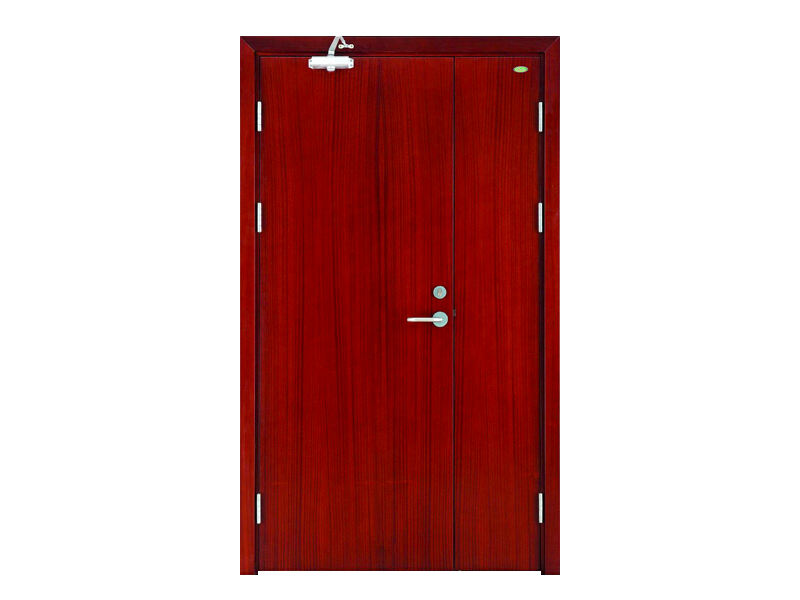
In today's competitive construction and renovation markets, the choice of sourcing partners can significantly impact project outcomes, timelines, and overall profitability. When it comes to door procurement, businesses and contractors face a critical decision: should they work with intermediaries, general suppliers, or engage directly with a professional door factory? Understanding the distinct advantages of partnering with a specialized door factory helps stakeholders make informed decisions that align with their quality requirements, budget constraints, and operational efficiency goals. This article explores the comprehensive benefits that emerge when businesses establish direct relationships with professional door manufacturing facilities, examining how these partnerships deliver value across production quality, customization capabilities, cost structures, technical support, and long-term reliability.
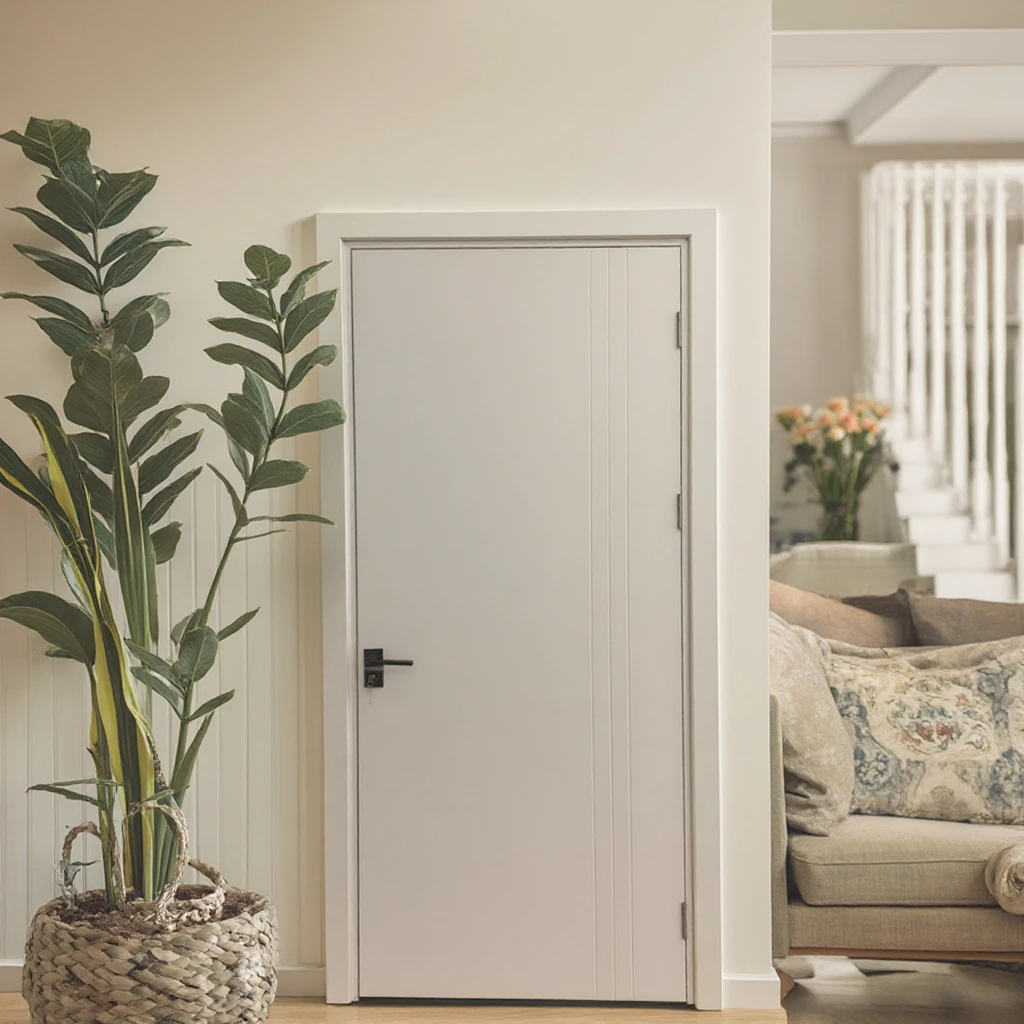
Professional door factories represent specialized manufacturing operations equipped with advanced production systems, quality control protocols, and technical expertise specifically focused on door manufacturing. Unlike general building material suppliers or trading companies, these facilities maintain complete control over the manufacturing process from raw material selection through final product delivery. This vertical integration creates numerous operational and strategic advantages that translate directly into better outcomes for commercial buyers, construction firms, property developers, and renovation contractors. The following sections detail the specific benefits that make professional door factory partnerships a strategic choice for businesses seeking reliable, high-quality door solutions at competitive prices.
Superior Manufacturing Quality and Consistency
Advanced Production Infrastructure and Technology
Professional door factory operations invest substantially in modern manufacturing equipment and production technologies that ensure consistent quality across large order volumes. These facilities typically employ precision cutting systems, automated assembly lines, computer-controlled finishing equipment, and advanced quality inspection tools that minimize human error and maintain tight tolerances. When you work directly with a door factory, you benefit from manufacturing processes that have been refined over years of specialized production experience. The factory environment is specifically designed around door manufacturing workflows, meaning every piece of equipment, every workstation layout, and every quality checkpoint exists to optimize door production efficiency and output quality.
The technological capabilities of a professional door factory extend beyond basic fabrication to include sophisticated testing equipment that validates product performance before shipment. Many established factories maintain in-house testing laboratories where doors undergo structural stress tests, weatherproofing evaluations, fire resistance measurements, and acoustic performance assessments. This testing infrastructure provides documented verification that products meet specified standards and regulatory requirements. Buyers who source from intermediaries rarely have access to such comprehensive quality validation, often receiving products without detailed performance documentation or independent verification of claimed specifications.
Standardized Quality Control Protocols
Quality consistency represents one of the most significant advantages when working with a professional door factory. These facilities implement systematic quality control procedures at multiple production stages, from incoming raw material inspection through final product evaluation. Quality management systems in professional factories typically follow international standards such as ISO 9001, ensuring documented processes, regular audits, and continuous improvement methodologies. Each production batch undergoes inspection against established quality criteria, with defects identified and corrected before products reach customers. This systematic approach to quality management dramatically reduces the variation and defect rates that commonly occur when sourcing through less controlled supply chains.
The traceability systems maintained by professional door factories allow complete tracking of materials, production dates, quality inspection results, and handling procedures for every order. This documentation becomes invaluable when addressing warranty claims, conducting product performance analysis, or ensuring regulatory compliance for construction projects. When quality issues do arise, the direct factory relationship enables rapid identification of root causes and implementation of corrective actions, something nearly impossible when working through multiple intermediary layers that obscure the actual manufacturing source.
Material Selection and Sourcing Expertise
Professional door factories develop deep expertise in material science and raw material sourcing, understanding how different wood species, composite materials, hardware components, and finishing products affect final door performance and longevity. Factory purchasing departments maintain established relationships with quality material suppliers, often securing preferential pricing and priority access to premium materials. This material sourcing advantage translates directly to better product performance for end customers. A door factory with strong supplier relationships can specify exact material grades, moisture content parameters, and processing requirements that general suppliers cannot typically enforce or even verify.
The material knowledge within professional door factories extends to understanding how different materials interact during manufacturing and throughout product lifecycle. Factory engineers and production managers know which adhesives work best with specific substrates, which finishing systems provide optimal durability for different environments, and which hardware configurations deliver the best long-term performance. This accumulated material expertise helps prevent common failure modes and ensures that door assemblies perform reliably across their intended service life, reducing callback rates and warranty expenses for contractors and property owners.
Cost Efficiency and Transparent Pricing Structure
Elimination of Intermediary Markup Layers
One of the most tangible advantages of working directly with a door factory involves the cost savings achieved by eliminating intermediary markup layers. Traditional supply chains often include multiple intermediaries—importers, distributors, regional suppliers, and retailers—each adding their profit margin to the base manufacturing cost. When you establish a direct relationship with a door factory, you bypass these intermediary costs and access manufacturer-direct pricing that can result in savings of twenty to forty percent compared to retail or distributor pricing. For large projects involving hundreds or thousands of door units, these savings translate to substantial budget improvements that can be redirected toward other project priorities or improved profit margins.
The pricing transparency available when working with a professional door factory creates additional value beyond simple cost reduction. Factory pricing typically reflects actual production costs, material expenses, and reasonable manufacturer margins without the opacity that characterizes multi-tier distribution channels. This transparency allows buyers to understand exactly what they're paying for and facilitates more productive negotiations based on real cost drivers rather than arbitrary markup percentages. Professional factories can explain how order volume, specification complexity, delivery schedules, and payment terms affect pricing, enabling buyers to optimize their purchasing approach to achieve the best possible value.
Volume-Based Pricing Advantages
Professional door factories typically offer volume-based pricing structures that reward larger orders with progressively better unit costs. Manufacturing economics naturally favor longer production runs that amortize setup costs, tooling expenses, and process optimization efforts across more units. When you work directly with a door factory, you can negotiate volume commitments that unlock these manufacturing efficiencies, accessing pricing tiers that intermediaries cannot match. For contractors handling multiple projects or property developers working on large residential or commercial developments, these volume discounts create significant competitive advantages and improve project economics substantially.
Beyond simple quantity discounts, professional door factories often provide value-added services at reduced or no additional cost for substantial orders. These might include custom packaging, specialized quality documentation, extended warranty coverage, or priority production scheduling. The direct relationship allows buyers to discuss specific project needs and negotiate service packages that deliver maximum value for their particular circumstances. Such flexibility rarely exists when purchasing through distribution channels where standardized offerings and rigid pricing structures limit customization options.
Predictable Long-Term Cost Management
Establishing ongoing relationships with a professional door factory creates opportunities for predictable long-term pricing that supports better project budgeting and cost management. Many factories offer framework agreements or preferred customer programs that lock in pricing structures for defined periods, protecting buyers from market volatility and unexpected cost increases. This pricing stability proves particularly valuable for multi-phase projects, ongoing maintenance programs, or businesses that require consistent door specifications across multiple locations. The ability to forecast door costs accurately over extended periods improves financial planning and reduces the risk of budget overruns that can occur when relying on spot market pricing through general suppliers.
Customization Capabilities and Technical Flexibility
Design Modification and Specification Customization
Professional door factories possess the engineering expertise and production flexibility to accommodate custom design requirements that standard product catalogs cannot address. Whether projects require non-standard dimensions, unique aesthetic treatments, specific performance characteristics, or integration with particular architectural systems, a door factory can modify production processes to deliver exactly what specifications demand. This customization capability extends across all door attributes including size, material composition, core construction, surface finishing, hardware preparation, and performance ratings. The direct factory relationship enables detailed technical discussions between buyer specifications and manufacturing capabilities, ensuring that custom requirements are properly understood and accurately implemented.
The technical staff within professional door factories can provide valuable design consultation that helps optimize door specifications for intended applications. Factory engineers understand the practical implications of various design choices and can recommend modifications that improve performance, reduce costs, or enhance manufacturability without compromising project requirements. This consultative approach adds significant value beyond simple order fulfillment, helping buyers make informed specification decisions that balance aesthetic preferences, functional requirements, budget constraints, and long-term performance expectations.
Prototyping and Sample Development
When working with a professional door factory, buyers gain access to prototyping capabilities that allow physical validation of custom specifications before committing to full production runs. Factories can produce sample units that demonstrate exact appearance, construction quality, hardware integration, and performance characteristics, enabling stakeholders to evaluate products in real-world conditions before finalizing large orders. This prototyping capability proves invaluable for high-visibility projects where appearance and performance must meet exacting standards, or for innovative applications where standard products don't exist. The ability to test and refine specifications through iterative sampling reduces project risk and ensures final deliveries precisely match expectations.
Sample development services from professional door factories also facilitate approval processes with architects, building officials, and end clients. Physical samples provide tangible evidence of quality, appearance, and functionality that drawings and specifications alone cannot convey. For projects requiring formal product approvals or seeking to differentiate through unique door designs, factory-produced samples become essential tools for securing stakeholder buy-in and regulatory clearances. The direct factory relationship streamlines the sampling process, reducing turnaround times and enabling rapid iteration when specification adjustments are needed.
Integration with Project-Specific Requirements
Professional door factories can adapt production processes to accommodate project-specific requirements that extend beyond product specifications to include packaging, labeling, delivery sequencing, and installation support. For large construction projects involving multiple building phases or numerous door locations, factories can implement customized tracking systems that identify each door unit with specific installation locations, ensuring correct product placement and reducing installation errors. Custom packaging solutions can protect products during long transport routes or challenging site conditions, while specialized labeling systems can integrate with contractor inventory management processes.
The flexibility of professional door factory operations extends to production scheduling that aligns with project timelines and phasing requirements. Rather than forcing buyers to accept standard lead times or maintain large on-site inventories, factories can coordinate production and delivery schedules that match construction progress, delivering door units exactly when needed for installation. This just-in-time approach reduces storage requirements, minimizes product damage from prolonged site exposure, and improves overall project logistics. Such coordination requires direct communication between project teams and manufacturing facilities, something only possible through direct door factory relationships.
Comprehensive Technical Support and Service
Expert Product Application Guidance
Professional door factories employ technical specialists who understand product capabilities, application requirements, and industry standards in depth. When buyers work directly with a door factory, they gain access to this expertise for guidance on product selection, specification development, and application planning. Factory technical teams can evaluate specific project conditions and recommend optimal door solutions that balance performance requirements, aesthetic preferences, regulatory compliance needs, and budget parameters. This application engineering support helps ensure that specified products actually deliver intended performance in their installed environments, reducing the risk of premature failures or customer dissatisfaction.
The technical knowledge within door factories extends beyond product specifications to encompass installation best practices, maintenance requirements, and troubleshooting methodologies. Factory representatives can provide detailed installation guidelines, identify common installation errors that compromise performance, and recommend proper maintenance procedures that extend product service life. For contractors and facility managers, access to this factory-level technical knowledge improves installation quality, reduces warranty claims, and ensures long-term product satisfaction. The direct relationship enables buyers to consult factory experts when questions arise during specification, installation, or operational phases, receiving authoritative answers from the actual product manufacturers.
Documentation and Compliance Support
Modern construction projects require extensive product documentation including technical data sheets, performance test reports, material safety information, environmental certifications, and regulatory compliance declarations. Professional door factories maintain comprehensive documentation libraries that support project specification requirements and regulatory submissions. When working directly with a door factory, buyers can request specific documentation needed for their projects, often receiving customized reports that address particular compliance frameworks or certification programs. This documentation support streamlines project approval processes and reduces the administrative burden associated with product qualification and regulatory compliance.
Many professional door factories pursue third-party certifications and product testing that validate performance claims and demonstrate compliance with industry standards. These certifications might include fire ratings, acoustic performance classifications, environmental certifications, or structural load ratings depending on product types and target markets. Factory relationships provide direct access to certification documentation and test reports that general suppliers may not possess or readily share. For projects requiring certified products or seeking green building credits, the ability to obtain verified performance documentation directly from manufacturers becomes a significant advantage that simplifies specification processes and supports project certification goals.
After-Sales Support and Warranty Service
The service relationship with a professional door factory extends well beyond initial product delivery to encompass comprehensive after-sales support throughout product lifecycle. When performance issues, installation questions, or warranty claims arise, direct factory relationships enable efficient communication with personnel who understand product construction, can diagnose problems accurately, and possess authority to authorize corrective actions. This direct access to manufacturer support dramatically reduces resolution times compared to working through intermediary channels where information gets filtered through multiple parties without direct manufacturing knowledge.
Professional door factories typically back their products with substantial warranty programs that reflect confidence in manufacturing quality and long-term performance. Direct factory relationships ensure that warranty terms are clearly understood, properly documented, and effectively enforced when coverage is needed. Factory warranty departments can expedite claim processing, arrange replacement components, or coordinate field service when problems occur, providing responsive support that protects buyer investments and maintains project schedules. The accountability inherent in direct manufacturer relationships creates strong incentives for factories to address issues promptly and fairly, as reputation and ongoing business relationships depend on customer satisfaction.
Supply Chain Reliability and Production Visibility
Production Capacity and Scalability
Professional door factories maintain substantial production capacity that can accommodate large orders and support business growth over time. Unlike distributors with limited inventory or small fabricators with constrained production capabilities, established factories possess the equipment, workforce, and operational infrastructure to handle significant volume requirements and scale production as customer needs expand. This capacity advantage provides business continuity assurance for buyers, knowing that their door factory partner can support current projects and accommodate future growth without requiring constant source switching or capacity negotiations.
The scalability of professional door factory operations extends beyond raw production volume to include the ability to support product line expansion, new market entry, and evolving specification requirements. As buyer businesses grow into new geographic markets, tackle larger projects, or diversify into different building types, factory partners can adapt their offerings and production capabilities to support these business developments. This partnership approach to supply relationships creates mutual growth opportunities where factory capabilities evolve alongside customer needs, building long-term value for both parties.
Production Tracking and Order Visibility
When working directly with a professional door factory, buyers gain visibility into production status, quality control results, and delivery schedules that intermediary relationships cannot provide. Many modern factories implement digital tracking systems that allow customers to monitor order progress through manufacturing stages, review inspection results, and receive proactive updates about production milestones. This production transparency enables better project planning, more accurate scheduling, and proactive problem resolution when delays or issues emerge. Rather than operating blindly until products arrive on site, direct factory relationships provide the information visibility needed for effective project management and logistics coordination.
The communication protocols established with professional door factories typically include designated account managers or customer service representatives who understand specific buyer requirements and maintain awareness of ongoing orders. These dedicated contacts provide single points of communication for order inquiries, specification clarifications, delivery coordination, and issue resolution. The continuity and familiarity that develop through these ongoing relationships improve communication efficiency and reduce misunderstandings that commonly occur when dealing with rotating sales representatives or impersonal distribution channels.
Supply Continuity and Risk Mitigation
Direct relationships with professional door factories create supply chain resilience that protects against disruptions, shortages, and availability uncertainties. Factories with established customer relationships prioritize existing partners during periods of high demand or material constraints, ensuring supply continuity even when market conditions tighten. This preferred customer status provides substantial value during supply crunches, preventing project delays and avoiding the premium pricing that often accompanies shortage situations. The investment in building strong factory relationships pays dividends during challenging market periods when supply reliability becomes a critical competitive advantage.
Professional door factories also implement business continuity planning that addresses potential disruptions from equipment failures, material shortages, logistics problems, or other operational challenges. Their scale and sophistication enable them to maintain backup suppliers, alternative production capabilities, and contingency plans that smaller operations cannot support. When buyers work with established factories, they benefit indirectly from these risk mitigation investments, gaining supply chain stability that protects project timelines and business operations from external disruptions.
FAQ
How does working with a door factory differ from buying through distributors?
Working directly with a door factory eliminates intermediary markup layers, provides access to manufacturer pricing, enables direct communication with technical experts and production teams, and offers greater customization flexibility. Distributor relationships add convenience for small orders but introduce cost premiums, limit customization options, reduce technical support quality, and create communication barriers between buyers and actual manufacturers. For substantial projects or ongoing door requirements, direct factory relationships deliver superior value through better pricing, enhanced service, and stronger supply chain control.
What minimum order quantities do professional door factories typically require?
Minimum order requirements vary significantly among door factories based on their production scale, product types, and business models. Many professional factories accommodate relatively modest initial orders to establish new customer relationships, with minimum quantities often ranging from twenty to one hundred units depending on customization complexity and product specifications. As relationships develop and buyers demonstrate ongoing volume potential, factories typically become more flexible with order minimums and delivery scheduling. The key is communicating honestly about project scale and future volume expectations so factories can evaluate whether the business relationship makes sense for both parties.
Can door factories provide installation services or only manufacture products?
Most professional door factories focus exclusively on manufacturing and do not provide direct installation services, as their expertise and business models center on production rather than field installation work. However, many factories maintain relationships with qualified installation contractors in various markets and can facilitate introductions or recommend experienced installers familiar with their products. Additionally, factory technical teams provide detailed installation guidelines, training resources, and remote support that help contractors achieve proper installation results. Some larger factories offer on-site installation supervision or training services for significant projects, though actual installation labor typically remains the responsibility of local contractors.
How long does custom door production typically take when working with a factory?
Custom door production timelines depend on specification complexity, order volume, current factory workload, and material procurement requirements. Standard customization involving dimensional modifications or common finish options typically adds minimal time to regular production schedules, with total lead times ranging from four to eight weeks from order confirmation to delivery. More complex customization requiring special materials, unique engineering, or extensive testing can extend lead times to ten or twelve weeks. Professional door factories provide realistic production schedules during quotation processes and maintain communication about timeline expectations throughout order fulfillment, enabling buyers to plan project schedules accurately around confirmed delivery dates.
Table of Contents
- Superior Manufacturing Quality and Consistency
- Cost Efficiency and Transparent Pricing Structure
- Customization Capabilities and Technical Flexibility
- Comprehensive Technical Support and Service
- Supply Chain Reliability and Production Visibility
-
FAQ
- How does working with a door factory differ from buying through distributors?
- What minimum order quantities do professional door factories typically require?
- Can door factories provide installation services or only manufacture products?
- How long does custom door production typically take when working with a factory?