 EN
EN

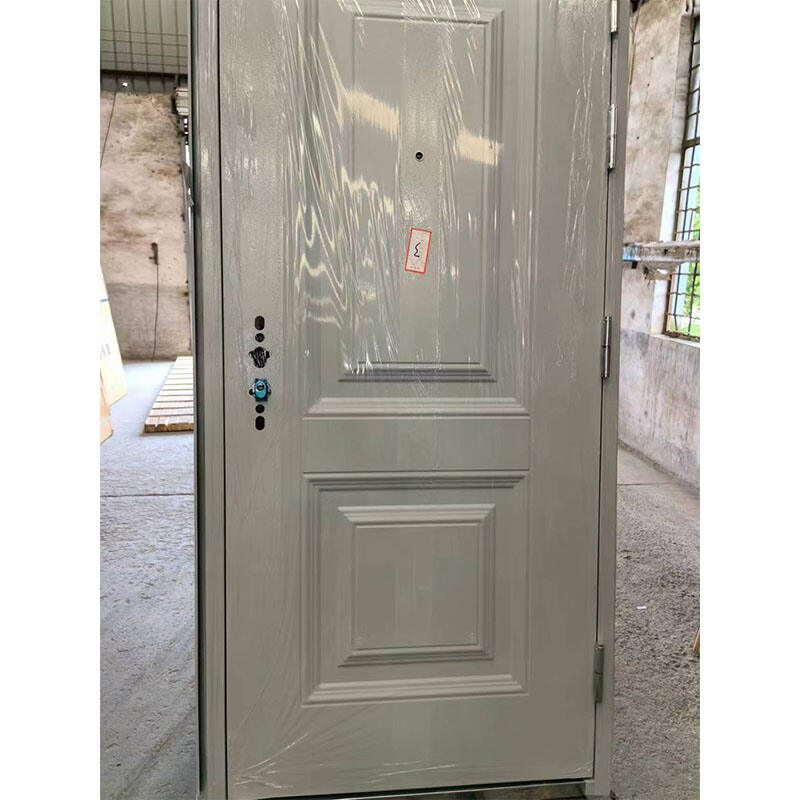
Commercial properties face persistent security threats ranging from forced entry attempts to sophisticated breach tactics that can compromise assets, data, and personnel safety. While businesses invest heavily in surveillance cameras, alarm systems, and access control technologies, the physical barrier at entry points remains the first and most critical line of defense. A steel door serves as the foundational element that determines whether security systems can effectively protect a facility or whether intruders can bypass expensive electronic measures through brute force. Understanding why steel doors are essential rather than optional components in commercial security architecture reveals critical insights about risk management, insurance compliance, and long-term operational resilience that decision-makers must consider when designing or upgrading facility protection strategies.
The integration of steel doors into commercial security systems addresses fundamental vulnerabilities that electronic systems alone cannot resolve, creating a layered defense approach that significantly elevates protection levels. Unlike residential security concerns, commercial environments must account for higher-value targets, regulatory requirements, multiple access points, and potential liability exposure that demands engineered solutions rather than conventional alternatives. This article examines the specific reasons why steel doors have become essential components in modern commercial security frameworks, exploring their role in threat mitigation, system integration, compliance requirements, and operational advantages that directly impact business continuity and risk profiles across diverse commercial applications.
Physical Barrier Performance That Defines Security Perimeter Integrity
Resistance to Forced Entry Methods That Compromise Conventional Doors
Commercial facilities face forced entry attempts using tools and techniques that easily defeat wood, fiberglass, or standard hollow metal doors within minutes. A properly constructed steel door provides measurable resistance against battering rams, pry bars, and sledgehammers through material density and structural reinforcement that absorbs impact energy without catastrophic failure. The gauge thickness of steel construction, typically ranging from 16-gauge to 14-gauge in commercial applications, creates a barrier that requires specialized cutting equipment and extended time to breach, fundamentally changing the risk calculation for potential intruders who seek quick access.
The door frame integration represents an equally critical component where steel door systems excel beyond alternative materials. A steel door mounted in a reinforced steel frame with proper anchor points distributes force across the entire assembly rather than concentrating stress at lock points or hinge locations. This system-level approach prevents the common failure mode where intruders bypass a strong door by attacking the surrounding frame or wall structure, a vulnerability frequently exploited when wood doors are retrofitted into existing openings without addressing the complete entry point architecture.
Testing standards such as ASTM F476 and UL 752 provide objective measurements of forced entry resistance that commercial steel doors can meet or exceed, offering quantifiable security levels that insurance providers and security consultants use to assess risk exposure. These performance specifications translate directly to real-world protection, with documented case studies showing steel door installations preventing break-ins that would have succeeded against conventional alternatives, thereby protecting inventory, equipment, and sensitive information from theft or tampering.
Environmental Durability That Maintains Security Function Over Extended Service Life
Commercial security systems must function reliably across years of continuous operation through varying weather conditions, temperature extremes, and physical wear that degrades inferior door materials. Steel door construction resists warping, cracking, and dimensional changes that compromise seal integrity and locking mechanism alignment in wood or composite alternatives. The material stability ensures that security hardware continues operating as designed rather than requiring frequent adjustments or premature replacement due to door distortion that creates gaps or prevents proper latching.
Corrosion-resistant treatments and protective coatings applied to commercial steel doors extend functional lifespan while maintaining structural integrity essential for security performance. Galvanized steel cores with powder-coated or specialized paint finishes prevent rust formation that weakens material strength and creates failure points exploitable during forced entry attempts. This durability proves particularly essential for exterior applications and facilities in coastal or industrial environments where accelerated corrosion would rapidly compromise alternative door materials.
The maintenance requirements for steel door systems remain minimal compared to wood doors requiring periodic refinishing or composite materials susceptible to delamination and moisture damage. This operational advantage translates to consistent security protection without performance degradation between service intervals, ensuring that the physical barrier maintains its intended protective function throughout the asset lifecycle rather than creating vulnerability windows as material condition deteriorates.
Integration Capabilities With Electronic Security Infrastructure
Structural Support for Access Control Hardware and Locking Mechanisms
Modern commercial security depends on electronic access control systems including magnetic locks, electric strikes, and biometric readers that require robust mounting surfaces and precise alignment for reliable operation. A steel door provides the structural rigidity and load-bearing capacity necessary to support heavy-duty electromagnetic locks generating 1,200 to 1,500 pounds of holding force without flexing or misalignment that compromises locking effectiveness. The material strength prevents the door movement and vibration that can cause intermittent contact failures in magnetic lock systems installed on less rigid door constructions.
Electric strike installations benefit from steel door frame compatibility that allows proper mortising and reinforcement of strike pockets without weakening the surrounding structure. The precise tolerances achievable in steel fabrication ensure consistent alignment between latch bolts and strike openings across repeated access cycles, preventing the mechanical failures that occur when door sag or frame distortion creates misalignment in wooden frame installations. This reliability directly impacts security system effectiveness by eliminating the vulnerability created when electronic access controls cannot mechanically secure the opening due to hardware misalignment.
Power transfer hinges and concealed wiring channels integrate seamlessly into steel door systems, providing protected pathways for the electrical connections required by access readers, request-to-exit sensors, and door position switches. The metal construction allows conduit installation and wire protection that prevents tampering or accidental damage to security system cabling, maintaining signal integrity and preventing the bypass vulnerabilities created when exposed wiring can be cut or manipulated to defeat electronic controls.
Sensor Integration That Enables Comprehensive Monitoring
Commercial security management systems require real-time status information from each access point to detect unauthorized entry, propped doors, and forced entry attempts. Steel doors accommodate the full range of monitoring sensors including magnetic contacts, balanced magnetic switches, and request-to-exit motion detectors with mounting configurations that ensure reliable operation and tamper resistance. The door stability prevents false alarms caused by door movement or vibration that triggers sensitive magnetic contacts installed on flexible door materials.
Integration with intrusion detection systems benefits from the steel door's ability to support sophisticated sensor arrays including shock sensors that detect forcible entry attempts and door position switches that precisely monitor open, closed, and ajar states. This sensor capability transforms the steel door from a passive barrier into an active component of the security network that provides actionable intelligence about access point status and potential security events requiring response.
The electromagnetic shielding properties of steel construction can be leveraged to prevent radio frequency interference that compromises wireless security device performance, while also providing options for Faraday cage configurations in high-security applications requiring protection against electronic eavesdropping or unauthorized wireless communication. This advanced integration potential positions steel doors as essential components in comprehensive security architectures addressing both physical and electronic threat vectors.
Regulatory Compliance and Insurance Requirements Driving Steel Door Adoption
Fire Rating and Life Safety Code Compliance
Commercial buildings must meet fire-resistance-rated assembly requirements at specific locations including stairwell doors, corridor separations, and exit pathways as mandated by International Building Code and NFPA 101 Life Safety Code provisions. Steel door assemblies readily achieve fire ratings from 20 minutes to 3 hours through tested and labeled configurations that simultaneously provide security and life safety protection. This dual functionality eliminates the need for separate fire doors and security doors, streamlining construction while meeting multiple code requirements through a single integrated solution.
The testing and certification process for fire-rated steel doors ensures consistent performance under standardized conditions, with independent laboratory verification providing the documentation required for building inspections and certificate of occupancy approvals. Insurance underwriters recognize listed fire-rated steel door assemblies as proven risk mitigation measures that reduce property damage exposure and liability concerns, often resulting in premium reductions that offset initial installation costs over the policy lifecycle.
Panic hardware and exit device compatibility represents another critical compliance dimension where steel doors excel by providing the structural strength to support crash bar mechanisms while maintaining the security functions required when facilities are occupied. The ability to configure steel door systems with fail-safe or fail-secure electrified panic hardware enables facilities to balance security requirements with emergency egress obligations, addressing the complex regulatory landscape governing commercial occupancies.
Industry-Specific Security Standards and Certification Requirements
Healthcare facilities handling controlled substances must comply with DEA security requirements specifying physical barriers meeting defined resistance standards, with steel door installations providing documented compliance through tested performance specifications. Similarly, financial institutions follow FDIC guidelines recommending steel doors with specific locking mechanisms and construction standards for vault approaches and cash handling areas. The verifiable performance characteristics of engineered steel door systems provide the compliance documentation required during regulatory inspections and audit processes.
Data centers and telecommunications facilities increasingly specify steel doors as part of their physical security compliance frameworks addressing standards such as PCI-DSS for payment card data protection and HIPAA physical safeguards for protected health information. The measurable security performance and access control integration capabilities of steel door systems directly support the technical controls required by these regulatory frameworks, making them essential components rather than discretionary upgrades in regulated environments.
Insurance policy conditions frequently include specific requirements for door construction and security hardware at commercial properties, with steel door specifications appearing in underwriting guidelines for high-value inventory, sensitive information storage, and premises liability coverage. Failure to meet these requirements can result in coverage limitations or claim denials following security breaches, creating financial exposure that far exceeds the incremental cost difference between steel door installation and conventional alternatives.
Operational Advantages That Reduce Total Cost of Ownership
Lifecycle Performance That Minimizes Replacement and Maintenance Costs
The extended service life of commercial steel doors, typically exceeding 20-30 years with proper maintenance, dramatically reduces lifecycle replacement costs compared to wood or fiberglass alternatives requiring replacement every 10-15 years due to material degradation. This longevity advantage becomes particularly significant in facilities with multiple access points where door replacement involves not only material costs but also labor, disruption to operations, and coordination with access control system reconfigurations.
Maintenance requirements for steel door systems focus primarily on hardware lubrication and adjustment rather than structural repairs or refinishing required by alternative materials. The material stability prevents the common failure modes including bottom rail rot, panel delamination, and frame deterioration that generate recurring repair costs and potential security vulnerabilities during the period between identifying damage and completing repairs. This reliability translates to lower facilities maintenance budgets and reduced security risk exposure from compromised door conditions.
Energy efficiency advantages emerge from the thermal performance achievable with insulated steel door cores that reduce heating and cooling costs at building perimeters. While security remains the primary driver for steel door selection, the operational savings from reduced energy consumption and improved climate control contribute to total cost of ownership calculations, particularly in facilities with high door traffic volumes or locations in extreme climate zones.
Operational Flexibility for Facility Modifications and Security Updates
Commercial facilities undergo periodic security upgrades as threats evolve and technologies advance, requiring door systems that can accommodate hardware changes without complete replacement. Steel door construction allows retrofitting of enhanced locking mechanisms, upgraded access control readers, and additional monitoring sensors through the door's service life, protecting the initial capital investment while enabling security improvements. This adaptability contrasts with alternative door materials where structural limitations or deterioration often necessitate complete door replacement when upgrading security systems.
The standardized construction and widespread availability of replacement components for steel door systems simplifies repair and upgrade processes compared to proprietary or discontinued door products. Facilities can source compatible hardware and replacement parts from multiple suppliers, avoiding vendor lock-in situations that create cost premiums and extended downtime when repairs require specialized components only available from original manufacturers.
Aesthetic customization options including various finishes, panel configurations, and architectural details allow steel doors to meet design requirements while maintaining security performance, eliminating the perceived trade-off between appearance and protection. This design flexibility proves essential in customer-facing applications where security doors must align with corporate branding and interior design standards without compromising the protective functions essential to the security architecture.
Risk Mitigation Value Across Diverse Commercial Applications
Retail and Warehouse Environments Facing Inventory Theft
Retail operations lose billions annually to burglary and smash-and-grab thefts that specifically target vulnerable entry points during closed hours. Steel door installations at rear entrances, storage areas, and perimeter access points create hardened barriers that increase the time and tools required for forced entry, often causing would-be thieves to abandon attempts rather than risk extended exposure at the scene. This deterrent effect extends beyond the immediate protection to surrounding businesses as criminals avoid areas with visible security investments in favor of softer targets.
Distribution centers and warehouse facilities storing high-value inventory face organized theft operations using vehicles and power tools to breach conventional doors within minutes. The enhanced resistance of steel door systems specifically addresses these escalated threat scenarios by requiring specialized cutting equipment and extended breach times that increase apprehension risk and reduce theft operation feasibility. Loss prevention metrics from facilities upgrading to steel door systems demonstrate measurable reductions in successful forced entry incidents and associated inventory shrinkage.
Loading dock security represents a particular challenge where frequent access requirements create tension between operational efficiency and theft prevention. Steel door installations with integrated access control allow authorized vehicle access while preventing unauthorized entry during non-operational hours, with the material strength providing protection against the pry attacks and battering methods commonly attempted at these high-activity locations.
Professional Offices and Healthcare Facilities Protecting Sensitive Information
Medical practices and healthcare facilities face unique security requirements protecting both physical assets and sensitive patient information subject to HIPAA regulations. Steel door installations at records storage areas, pharmaceutical storage, and after-hours access points provide the physical safeguards component of information security programs, demonstrating due diligence in protecting confidential data from unauthorized access. The integration with electronic access controls creates audit trails documenting entry to restricted areas, supporting compliance with privacy regulations and internal security policies.
Legal offices, accounting firms, and professional service providers handling confidential client information implement steel door systems as part of their professional liability risk management, recognizing that inadequate physical security can expose client data and create malpractice claims. The visible security investment also provides client reassurance that sensitive information receives appropriate protection, contributing to professional reputation and competitive positioning in security-conscious markets.
Research and development facilities protecting intellectual property and proprietary information specify steel doors with sophisticated access control integration to prevent industrial espionage and unauthorized disclosure of competitive information. The physical barrier combined with multi-factor authentication and comprehensive access logging creates the layered security approach required to protect high-value intangible assets from both external threats and insider risks.
FAQ
How much more secure is a steel door compared to a solid wood door for commercial applications?
Steel doors provide substantially greater forced entry resistance than solid wood doors through superior material strength and impact resistance. Testing data shows that steel doors withstand 5-10 times more forcible entry attempts before failure, with breach times extending from 2-3 minutes for wood doors to 15-30 minutes or more for properly installed steel door systems. The security advantage extends beyond the door itself to include frame integration and hardware compatibility that prevents the bypass methods commonly successful against wood door installations. For commercial applications where breach time directly correlates to loss exposure and emergency response effectiveness, this performance difference represents a fundamental security upgrade rather than an incremental improvement.
Can steel doors be integrated with existing commercial access control systems?
Modern steel door systems are specifically designed to accommodate the full range of commercial access control technologies including card readers, biometric scanners, electric strikes, magnetic locks, and electrified panic hardware. The structural strength of steel construction provides ideal mounting surfaces for heavy electromagnetic locks while maintaining precise alignment required for reliable operation. Most commercial steel doors include preparation options for power transfer hinges and concealed wiring channels that protect access control cabling. Integration typically requires coordination between door suppliers and access control installers during specification to ensure compatible hardware selections, but properly configured steel door systems seamlessly integrate with both new installations and existing security platforms through standard interface protocols.
What maintenance requirements do commercial steel doors have to maintain security performance?
Steel door maintenance focuses on hardware lubrication, adjustment of hinges and closing mechanisms, and periodic inspection of weatherseals and threshold conditions. Recommended maintenance intervals typically range from quarterly to annual depending on door traffic volume and environmental exposure. Critical maintenance points include lubricating hinges, locksets, and closer mechanisms; verifying proper door alignment and latching; inspecting and replacing worn weatherstripping; and checking that automatic door operators and access control hardware function correctly. Unlike wood doors requiring refinishing or composite doors needing panel replacement, steel door maintenance rarely involves structural repairs beyond addressing localized finish damage from impacts. Facilities should also verify that fire-rated steel door assemblies maintain their listed configuration without field modifications that could compromise the fire rating, ensuring continued code compliance throughout the service life.
Are there aesthetic limitations when specifying steel doors for commercial applications?
Contemporary steel door manufacturing offers extensive design flexibility including various panel configurations, decorative glass options, custom finishes, and architectural details that align with diverse aesthetic requirements. Steel doors are available in flush designs for modern minimalist interiors, raised panel configurations for traditional appearances, and custom patterns meeting specific architectural visions. Factory-applied finish options include powder coating in virtually unlimited colors, wood grain textures, and specialized coatings providing specific aesthetic effects. Many commercial projects successfully incorporate steel doors in customer-facing applications including building entrances, executive offices, and hospitality environments where design quality equals security performance in importance. The key to aesthetic success involves early specification development coordinating security requirements with design intent, allowing manufacturers to propose solutions meeting both functional and visual objectives rather than treating security and aesthetics as competing priorities.
Table of Contents
- Physical Barrier Performance That Defines Security Perimeter Integrity
- Integration Capabilities With Electronic Security Infrastructure
- Regulatory Compliance and Insurance Requirements Driving Steel Door Adoption
- Operational Advantages That Reduce Total Cost of Ownership
- Risk Mitigation Value Across Diverse Commercial Applications
-
FAQ
- How much more secure is a steel door compared to a solid wood door for commercial applications?
- Can steel doors be integrated with existing commercial access control systems?
- What maintenance requirements do commercial steel doors have to maintain security performance?
- Are there aesthetic limitations when specifying steel doors for commercial applications?