 EN
EN

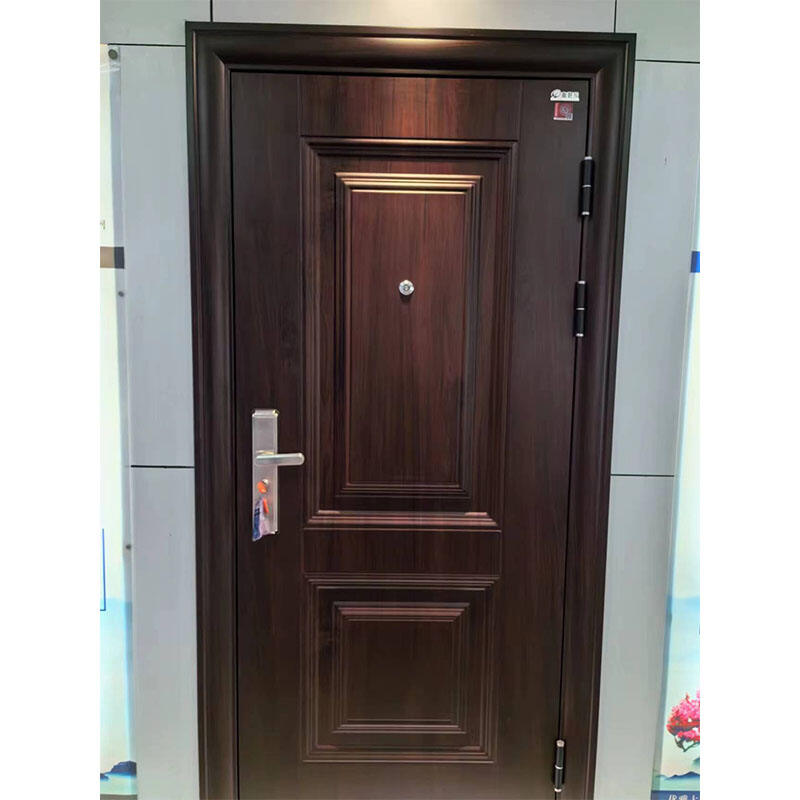
Selecting the right supplier for steel door procurement is a critical decision that directly impacts project timelines, budget adherence, and long-term operational safety. Whether you are outfitting a hospital, industrial facility, or commercial building, the quality and reliability of your steel door supplier can determine the success of your installation and the durability of your investment. Buyers often face challenges ranging from inconsistent product quality to delayed deliveries, making it essential to establish a comprehensive evaluation framework before committing to a supplier partnership. Understanding what to prioritize during the sourcing process helps avoid costly mistakes and ensures that your steel door requirements align with both regulatory standards and operational demands.
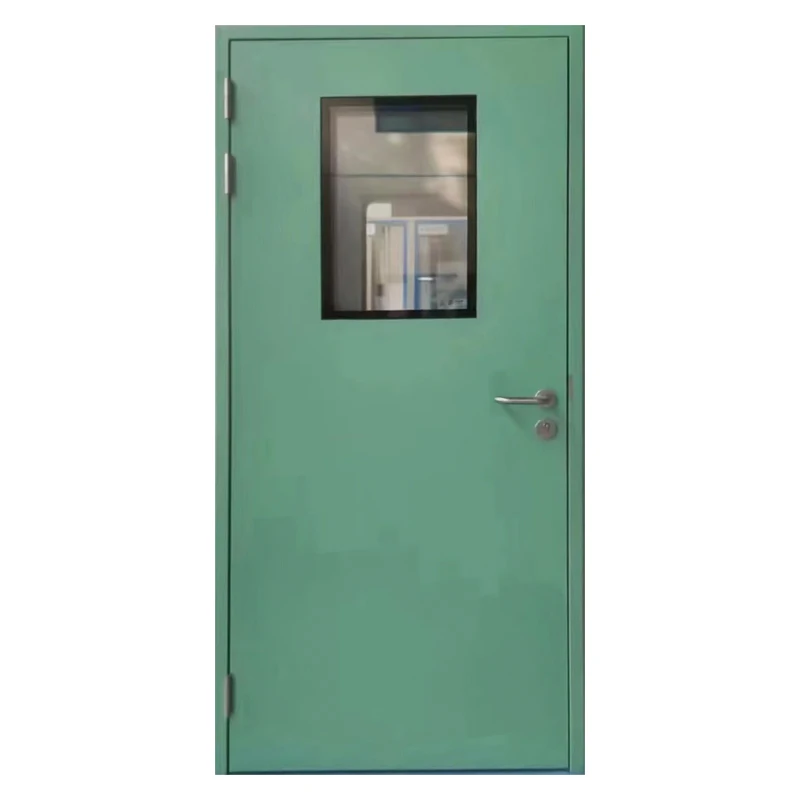
The procurement journey for steel door solutions involves multiple decision points that extend beyond price comparisons. Buyers must assess manufacturing capabilities, certification compliance, customization flexibility, supply chain reliability, and post-installation support. This article explores the key considerations that purchasing managers, project engineers, and facility planners should evaluate when sourcing steel door suppliers. By examining supplier qualifications, product specifications, quality assurance processes, and service capabilities, you can make informed decisions that protect your project from delays, safety risks, and budget overruns while securing durable and compliant steel door installations.
Understanding Supplier Manufacturing Capabilities and Infrastructure
Production Capacity and Scalability Assessment
When evaluating potential steel door suppliers, understanding their production capacity is fundamental to ensuring they can meet your project timeline and volume requirements. A supplier's manufacturing infrastructure reveals whether they can handle large orders without compromising quality or extending lead times. Buyers should investigate the factory's square footage, number of production lines, and workforce size to gauge operational scale. Suppliers with dedicated steel door fabrication facilities typically demonstrate better consistency in output quality compared to those managing multiple product categories across shared equipment. Inquire about their current production load and how much capacity remains available for new clients to avoid becoming a low-priority account during peak demand periods.
Scalability becomes particularly important for buyers planning phased rollouts or anticipating future expansion projects. A supplier with flexible manufacturing systems can adjust production volumes without significant delays or cost penalties. Ask about their experience handling rush orders and their protocol for scaling up production when project timelines compress. Suppliers with modern fabrication technology, such as automated cutting systems and robotic welding stations, generally offer better scalability compared to those relying primarily on manual processes. Understanding these capabilities upfront helps buyers avoid mid-project supplier changes that can introduce quality inconsistencies and logistical complications.
Equipment Technology and Process Modernization
The technological sophistication of a steel door manufacturer's equipment directly influences product precision, finish quality, and manufacturing efficiency. Advanced CNC cutting machines ensure dimensional accuracy for steel door frames and panels, while modern powder coating systems deliver superior surface finishes that resist corrosion and wear. Buyers should request facility tours or detailed documentation of key equipment used in steel door production, including forming presses, welding machinery, and finishing systems. Suppliers investing in equipment upgrades demonstrate commitment to quality improvement and competitive positioning, whereas those operating outdated machinery may struggle to meet contemporary performance standards or achieve cost-competitive pricing.
Process modernization extends beyond individual machines to encompass integrated manufacturing systems that improve traceability and quality control. Look for suppliers implementing digital manufacturing workflows, where production data gets captured and analyzed to identify defect patterns and optimize processes. This technological approach to steel door manufacturing reduces variability and improves consistency across large production runs. Suppliers with ISO-certified quality management systems typically maintain better equipment maintenance schedules and calibration protocols, ensuring that manufacturing precision remains stable over time. These technological factors collectively determine whether a supplier can reliably deliver steel door products that meet specification requirements without extensive rework or rejection rates.
Evaluating Certification Compliance and Quality Standards
Industry Certifications and Regulatory Approvals
Certification compliance represents a non-negotiable requirement when sourcing steel door suppliers, particularly for projects in regulated industries such as healthcare, education, and government facilities. Buyers must verify that suppliers maintain current certifications relevant to their application requirements, including fire-rating certifications, environmental compliance documentation, and industry-specific approvals. For steel door installations in hospitals or cleanroom environments, suppliers should provide evidence of compliance with antimicrobial coating standards and air-tightness performance criteria. Request copies of certification documents rather than relying solely on supplier claims, and verify these credentials directly with issuing authorities when feasible.
Beyond basic product certifications, evaluate the supplier's commitment to quality management systems such as ISO 9001, which indicates systematic approaches to process control and continuous improvement. Suppliers holding multiple relevant certifications typically demonstrate greater organizational maturity and investment in quality infrastructure. For international sourcing scenarios, confirm that certifications align with destination market requirements, as steel door standards vary significantly across regions. Suppliers experienced in export markets usually maintain documentation libraries organized by destination country, facilitating faster approval processes and reducing the risk of compliance-related project delays. This certification diligence protects buyers from legal liability and ensures that installed steel door systems will pass inspection requirements.
Testing Capabilities and Quality Verification
Robust testing capabilities distinguish quality-focused steel door suppliers from those offering minimal quality assurance. Buyers should investigate whether suppliers operate in-house testing laboratories or rely on third-party testing facilities. In-house capabilities typically enable faster quality verification and tighter process control, while third-party testing provides independent validation that may carry greater credibility with regulatory authorities. Key tests for steel door products include fire-resistance testing, impact resistance evaluation, corrosion resistance assessment, and dimensional accuracy verification. Suppliers should provide test reports for representative products and demonstrate testing frequency aligned with production volume.
Quality verification extends beyond finished product testing to include incoming material inspection and in-process quality checkpoints. Ask suppliers to describe their quality control workflow, including how they verify steel grade specifications, coating thickness measurements, and hardware integration accuracy. Suppliers implementing statistical process control methodologies can demonstrate quality trends over time and show how they respond to variation patterns. For high-stakes applications involving steel door systems in critical environments, request documentation of quality hold points where production pauses for verification before proceeding. This layered quality approach significantly reduces the probability of defective products reaching installation sites and minimizes costly rework scenarios.
Assessing Customization Flexibility and Technical Support
Design Adaptation and Engineering Services
Customization capability separates commodity steel door suppliers from strategic manufacturing partners capable of addressing unique project requirements. Buyers should evaluate how suppliers approach non-standard specifications, including custom dimensions, specialized hardware integration, and aesthetic modifications. Suppliers with in-house engineering teams can collaborate on design optimization, suggesting modifications that improve performance or reduce costs without compromising project requirements. Request examples of previous custom steel door projects to assess the supplier's comfort level with specification variations and their problem-solving approach when facing technical challenges.
Engineering support becomes particularly valuable when projects involve complex installation environments or integration with building management systems. Suppliers offering technical consulting services can provide guidance on appropriate steel door specifications for specific use cases, helping buyers avoid over-specification that inflates costs or under-specification that compromises performance. Ask about the supplier's capacity to provide shop drawings, installation guidelines, and technical documentation tailored to your project. Suppliers maintaining technical libraries and standardized documentation systems typically deliver more consistent support compared to those generating documentation on an ad-hoc basis. This engineering collaboration capability often determines whether custom steel door requirements can be successfully translated into manufactured products that perform as intended.
Material Options and Finish Customization
Material selection flexibility enables buyers to optimize steel door specifications for specific environmental conditions and aesthetic requirements. Evaluate whether suppliers offer multiple steel grade options, including galvanized steel for corrosion resistance, stainless steel for hygienic environments, and various gauge thicknesses for different security levels. Suppliers maintaining diverse material inventories can accommodate specification changes with minimal lead time impact, while those stocking limited options may require extended ordering cycles for non-standard materials. Inquire about minimum order quantities for custom material specifications, as some suppliers impose volume thresholds that may not align with smaller project scales.
Finish customization options significantly impact both aesthetic integration and long-term maintenance requirements for steel door installations. Suppliers should offer multiple powder coating color options, texture variations, and specialty finishes such as antimicrobial coatings for healthcare applications. Ask about color matching capabilities for projects requiring coordination with existing architectural elements or brand identity standards. Suppliers with advanced finishing systems can typically accommodate custom color formulations and provide sample panels for approval before full production. Understanding finish durability specifications, including scratch resistance and UV stability, helps buyers select appropriate surface treatments that will maintain appearance throughout the steel door's service life while minimizing maintenance burdens.
Analyzing Supply Chain Reliability and Logistics Performance
Lead Time Predictability and Production Scheduling
Supply chain reliability fundamentally determines whether steel door procurement will support or disrupt project schedules. Buyers must assess suppliers' track record for meeting committed delivery dates and their transparency regarding production scheduling. Request information about typical lead times for standard configurations versus custom specifications, as this distinction often reveals significant timeline differences. Suppliers with formalized production planning systems can provide realistic delivery estimates and proactively communicate if schedule risks emerge. Ask about their approach to managing competing priorities when multiple clients require expedited deliveries simultaneously, as this scenario tests their capacity planning and client relationship management.
Production scheduling transparency helps buyers plan installation activities and coordinate with other construction trades. Suppliers should provide milestone-based progress updates showing when steel door fabrication begins, when quality inspections occur, and when products enter shipping preparation. This visibility enables buyers to adjust downstream activities if delays emerge rather than discovering schedule problems only at expected delivery time. Evaluate whether suppliers maintain buffer inventory for commonly specified steel door configurations, as this practice can significantly accelerate delivery for standard requirements. Suppliers demonstrating consistent on-time delivery performance across their client base typically maintain better internal process discipline and resource planning compared to those with erratic delivery records.
Logistics Capabilities and Packaging Standards
Transportation and packaging competence directly affects whether steel door products arrive at installation sites in usable condition. Buyers should investigate suppliers' logistics capabilities, including their relationships with freight carriers, experience with international shipping if applicable, and protocols for handling oversized or heavy items. Suppliers managing their own logistics operations often provide better shipment tracking and faster issue resolution compared to those outsourcing transportation to third parties with minimal oversight. Ask about their approach to consolidating shipments for projects with multiple delivery locations, as this capability can reduce freight costs and simplify receiving processes.
Packaging standards significantly influence product condition upon arrival and installation efficiency. Steel door products require protective packaging that prevents surface damage, moisture exposure, and dimensional distortion during transit. Request details about packaging materials, corner protection methods, and labeling systems that facilitate product identification at job sites. Suppliers implementing standardized packaging protocols typically experience lower damage rates and fewer installation delays caused by product defects discovered during unpacking. For large projects, inquire about the supplier's capacity to sequence deliveries according to installation schedules, delivering steel door products in the order they will be installed rather than in single bulk shipments that create storage challenges and increase on-site damage risks.
Reviewing Pricing Structure and Commercial Terms
Cost Transparency and Quotation Detail
Pricing transparency enables buyers to accurately compare steel door suppliers and identify hidden costs that may emerge after contract signing. Detailed quotations should itemize material costs, fabrication charges, finishing expenses, hardware pricing, and any additional fees for custom specifications or expedited production. Suppliers providing comprehensive pricing breakdowns demonstrate confidence in their value proposition and facilitate apples-to-apples comparisons with competing offers. Be cautious of quotations listing only total prices without component detail, as these formats often conceal opportunities for cost optimization or may include assumptions that don't align with project requirements.
Volume-based pricing structures should be clearly explained, including threshold quantities where price breaks occur and how pricing adjusts for phased deliveries versus single shipments. Some steel door suppliers offer more favorable pricing for commitments spanning multiple projects or extended timeframes, rewarding buyers who can provide demand visibility. Request clarification on how pricing responds to raw material cost fluctuations, particularly for projects with extended timelines where steel prices may change significantly between quotation and production. Suppliers offering price protection mechanisms or material cost adjustment formulas provide greater budget predictability compared to those reserving the right to revise pricing without limitation. Understanding these commercial dynamics helps buyers negotiate more favorable terms and avoid budget surprises during project execution.
Payment Terms and Financial Stability
Payment term flexibility reflects both supplier financial health and their confidence in product quality and delivery performance. Buyers should evaluate whether suppliers require full advance payment, accept milestone-based payment schedules, or offer net payment terms following delivery. Suppliers demanding substantial deposits before production begins may face working capital constraints that could affect their ability to absorb unexpected costs or maintain inventory buffers. Conversely, suppliers offering extended payment terms typically enjoy stronger financial positions and view these terms as competitive differentiators. Request financial references or credit reports for suppliers being considered for significant contracts, as financial instability represents a major risk factor that could jeopardize project completion.
Commercial terms should address warranty provisions, defect remediation processes, and liability limitations. Comprehensive warranties covering both manufacturing defects and performance characteristics provide buyers with recourse if steel door products fail to meet specifications or experience premature failures. Evaluate warranty duration, coverage scope, and claim resolution procedures to understand what protections exist beyond initial acceptance. Suppliers confident in their quality systems typically offer more extensive warranty coverage compared to those limiting their liability exposure. These commercial protections become particularly important for steel door installations in critical applications where failures could compromise safety or disrupt essential operations, making robust warranty terms a valuable risk mitigation component worth negotiating carefully.
FAQ
How can buyers verify a steel door supplier's claimed certifications?
Buyers should request original certification documents with issue dates and expiration information, then verify these credentials directly with the certifying bodies. Most certification organizations maintain online verification systems where buyers can confirm certificate authenticity using document numbers or company names. For fire-rating and safety certifications, contact the testing laboratory directly to confirm that test reports match supplier claims. Additionally, asking suppliers to provide test reports for recently manufactured products rather than historical documentation helps ensure that current production maintains certified performance levels rather than relying on outdated approvals.
What red flags indicate potential reliability issues with steel door suppliers?
Several warning signs suggest caution when evaluating steel door suppliers. These include reluctance to provide facility tours or detailed process documentation, inability to provide client references from similar project types, vague responses regarding lead times and capacity, lack of formal quality management systems, and pressure to commit without adequate specification review. Suppliers offering prices significantly below market rates without clear explanations may compromise on material quality or manufacturing processes. Additionally, poor communication responsiveness during the quotation phase often predicts similar challenges during production and delivery, making communication quality itself an important evaluation criterion.
Should buyers prioritize local or international steel door suppliers?
The optimal supplier location depends on project-specific factors including budget constraints, timeline flexibility, specification complexity, and total cost of ownership considerations. Local steel door suppliers typically offer faster delivery, easier communication, simpler logistics, and lower transportation costs, making them advantageous for projects with tight schedules or requiring frequent design interaction. International suppliers may provide cost advantages for large-volume requirements and access to specialized capabilities not available domestically. Buyers should evaluate total landed cost including freight, duties, and potential delay risks rather than comparing ex-factory prices alone. For critical projects, local sourcing often reduces risk even if per-unit costs are higher, while commodity applications may benefit from international sourcing when sufficient lead time exists.
How much engineering support should buyers expect from steel door suppliers?
The appropriate level of engineering support varies with project complexity and buyer expertise. For standard steel door configurations in straightforward applications, minimal technical support beyond product specification confirmation may suffice. However, custom applications, specialized performance requirements, or integration with building systems warrant suppliers offering substantial engineering collaboration. Buyers should expect suppliers to provide technical guidance on appropriate specifications for intended use cases, review architectural drawings for compatibility issues, generate shop drawings showing fabrication details, and offer installation guidance addressing site-specific conditions. Suppliers positioning themselves as technical partners rather than simple product vendors typically provide more comprehensive support, though this service level may reflect in pricing structures.