 EN
EN

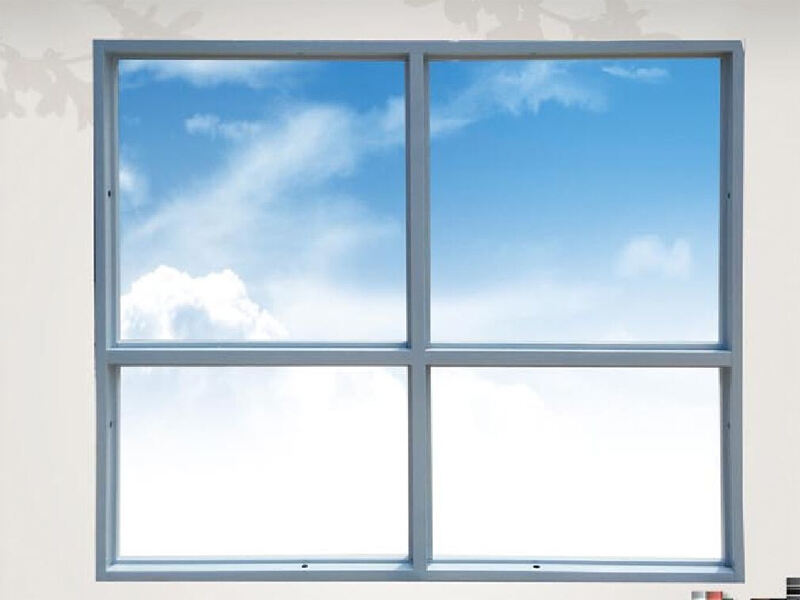
Selecting the right casement window system for optimal ventilation efficiency involves understanding the interplay between design mechanics, material properties, and architectural context. Unlike sliding or fixed windows, a casement window operates on hinges that allow the sash to swing outward, creating an unobstructed opening that maximizes airflow. This fundamental advantage makes casement windows a preferred choice in residential, commercial, and industrial applications where natural ventilation is a priority. However, not all casement window systems deliver the same performance. Factors such as hinge placement, seal integrity, frame material, glass configuration, and operational hardware significantly influence how effectively these windows facilitate air exchange while maintaining energy efficiency and weather resistance.
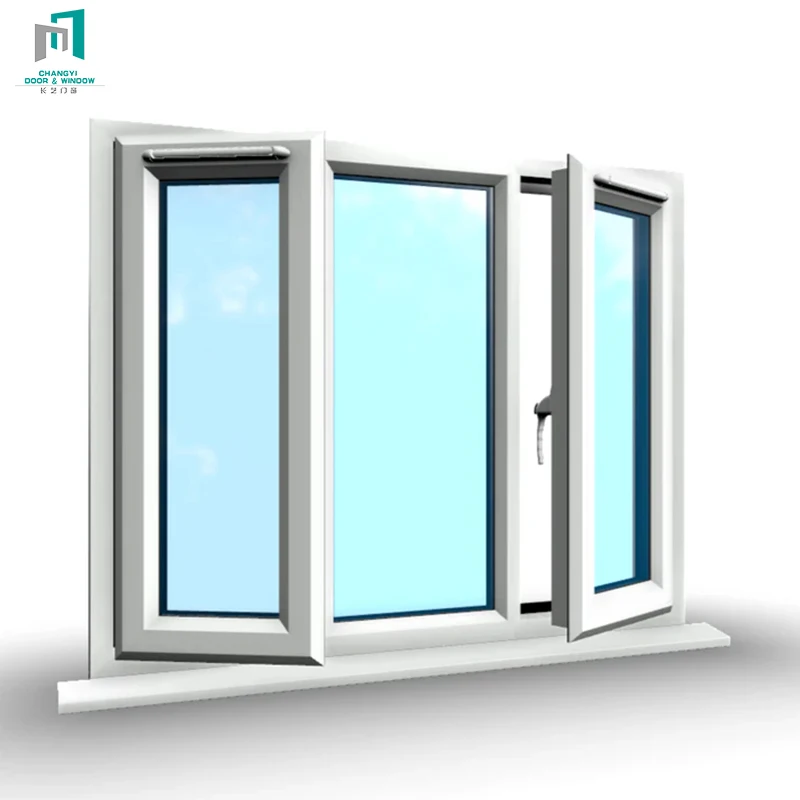
Achieving ventilation efficiency requires more than simply choosing a window that opens. It demands careful evaluation of how the casement window interacts with prevailing wind patterns, interior space requirements, and building envelope performance standards. The choice between side-hung, top-hung, or bottom-hung configurations affects airflow direction and volume. Material selection—whether uPVC, aluminum, or composite—impacts thermal bridging and long-term durability. Glass properties, including low-E coatings and gas fills, determine how much heat gain or loss occurs even when ventilation is active. Understanding these variables and aligning them with specific project goals ensures that the selected casement window system delivers consistent, controllable, and energy-conscious ventilation throughout its operational lifespan.
Understanding Ventilation Mechanics in Casement Window Design
How Casement Window Operation Enhances Airflow
The ventilation advantage of a casement window lies in its ability to open fully to one side, creating a clear aperture that captures and directs outdoor air into interior spaces. Unlike double-hung or sliding windows that offer partial openings, the casement window provides up to 100 percent of its frame area for air passage. When positioned to intercept prevailing winds, the casement window acts as an airfoil, funneling breeze into rooms and promoting cross-ventilation when paired with opposing openings. This mechanism reduces reliance on mechanical cooling systems, lowers energy consumption, and improves indoor air quality by facilitating natural air exchange.
The hinge placement on a casement window determines the angle and direction of airflow. Side-hung casement windows create lateral airflow patterns that sweep across room widths, while top-hung models direct air downward, which is beneficial in high-ceiling spaces or areas requiring rapid air turnover. The sash angle, controlled by friction stays or hinges, can be adjusted to modulate ventilation intensity. In windy climates, limiting the opening angle prevents excessive drafts while still maintaining substantial airflow. This adjustability makes the casement window a versatile solution for dynamic ventilation management across diverse environmental conditions.
The Role of Seal Integrity and Compression Points
Ventilation efficiency in a casement window is not solely about how much air enters when open, but also about how well the system prevents unwanted air leakage when closed. Multi-point locking mechanisms compress weatherstripping against the frame at multiple locations, creating continuous seals that minimize infiltration. High-quality casement window systems incorporate EPDM or silicone gaskets that maintain elasticity across temperature extremes, ensuring consistent performance over years of operation. The compression achieved by these locking points directly affects air tightness ratings, which influence both ventilation control and energy performance.
When evaluating a casement window for ventilation efficiency, attention must be given to the number and distribution of locking points. Systems with three or more points distribute sealing pressure evenly, preventing warping and maintaining frame alignment. This uniformity is critical in climates with wide temperature swings, where thermal expansion and contraction can compromise seal integrity. A well-sealed casement window allows for intentional ventilation when opened while preventing parasitic air exchange when closed, giving building occupants precise control over indoor environmental conditions.
Material Thermal Performance and Airflow Management
The frame material of a casement window influences both thermal conductivity and the ability to manage airflow without incurring energy penalties. uPVC casement windows offer low thermal conductivity, reducing heat transfer through the frame and maintaining interior temperatures even when ventilation is active. Aluminum casement window frames, while structurally robust, require thermal breaks to prevent conductive heat loss. Composite frames combine the benefits of both, offering strength with enhanced insulation. The choice of material affects not only energy performance but also the weight and operability of the sash, which in turn influences how easily and frequently the casement window can be opened for ventilation.
In high-performance applications, multi-chambered uPVC casement window profiles provide superior insulation while maintaining structural integrity. These chambers create air pockets that resist heat flow, allowing the window to remain thermally efficient even during periods of active ventilation. When the casement window is closed, these same chambers contribute to overall building envelope performance. This dual functionality—enabling efficient ventilation when open and minimizing energy loss when closed—is a defining characteristic of well-designed casement window systems and a key consideration in selection processes.
Evaluating Design Features That Impact Ventilation Performance
Hinge Configuration and Opening Angle Optimization
The hinge system of a casement window determines both the maximum opening angle and the ease of operation, both of which directly affect ventilation efficiency. Friction stay hinges allow the sash to be held at various angles, providing flexible ventilation control. This adjustability is particularly valuable in environments with variable wind conditions, where full opening may create discomfort while partial opening maintains adequate air exchange. The quality of the hinge mechanism affects long-term reliability; stainless steel or corrosion-resistant hinges ensure smooth operation and prevent binding that could limit ventilation capacity over time.
Top-hung casement window configurations offer unique ventilation advantages in specific scenarios. When opened, the sash tilts inward from the top, allowing warm air to escape near the ceiling while cooler outdoor air enters lower in the room. This stack-effect ventilation is particularly effective in buildings with high ceilings or in climates where nighttime cooling is desirable. The hinge location also affects rain protection; top-hung casement windows can remain partially open during light rain, maintaining ventilation without admitting significant moisture. Understanding these nuances helps specifiers match casement window configurations to specific ventilation strategies.
Glass Selection and Its Impact on Active Ventilation
While glass properties are often discussed in the context of closed-window performance, they also affect ventilation efficiency. Low-emissivity coatings on casement window glass reduce radiant heat transfer, which means that even when windows are open for ventilation, the surrounding glass surfaces contribute less to heat gain or loss. This is particularly relevant in mixed-mode buildings where mechanical and natural ventilation are used together. The thermal performance of the glass affects the overall energy balance, determining whether ventilation provides a net benefit or incurs a thermal penalty.
Double or triple glazing in a casement window impacts both weight and thermal performance. Heavier glazing units require more robust hardware and may reduce the ease with which the window can be opened frequently for ventilation. However, insulated glazing units maintain better frame alignment and reduce condensation risk, which can otherwise impair ventilation efficiency by causing seal degradation. The balance between insulation value and operational practicality is a critical consideration when selecting casement window systems for environments where frequent ventilation adjustments are anticipated.
Hardware Quality and Operational Ease
The operability of a casement window directly determines how effectively it serves ventilation needs. Stiff or poorly maintained hardware discourages users from opening windows, undermining the ventilation potential of even well-designed systems. Multi-point locking handles that operate smoothly with minimal force encourage regular use, while integrated locking mechanisms that compress seals evenly ensure consistent air tightness when closed. Stainless steel or zinc-alloy hardware resists corrosion, maintaining functionality in coastal or industrial environments where environmental exposure is severe.
Automatic or motorized operators enhance the ventilation efficiency of casement window systems in large buildings or difficult-to-reach installations. These systems can be integrated with building management systems to automate ventilation based on temperature, humidity, or air quality sensors. Motorized casement windows enable scheduled ventilation routines, such as night purging to reduce cooling loads, without relying on manual operation. While representing a higher initial investment, automated systems improve the consistency and effectiveness of ventilation strategies, particularly in commercial and institutional settings.
Aligning Casement Window Selection with Building and Climate Context
Assessing Wind Patterns and Site-Specific Conditions
Effective ventilation design begins with understanding local wind patterns and how they interact with building geometry. A casement window positioned on the windward side of a structure captures incoming air, while those on the leeward side facilitate exhaust. The orientation, size, and opening direction of each casement window should be coordinated to maximize cross-ventilation and create predictable airflow paths. In urban environments with variable wind directions, operable casement windows on multiple facades provide flexibility to adapt to changing conditions.
Topography, nearby structures, and vegetation influence how wind interacts with a building. A casement window placed in a sheltered location may require larger openings to achieve the same ventilation rate as one exposed to direct wind. Site surveys and computational fluid dynamics modeling can inform casement window placement and sizing decisions, ensuring that natural ventilation goals are met without oversizing openings or compromising structural or thermal performance. This level of analysis is particularly important in high-performance building projects where ventilation efficiency is a key design objective.
Climate Considerations and Seasonal Ventilation Strategies
In temperate climates, a casement window provides year-round ventilation opportunities. During cooler months, controlled ventilation reduces indoor pollutant concentrations without excessive heat loss. In warmer months, nighttime ventilation through strategically placed casement windows cools thermal mass, reducing daytime cooling loads. The ability to modulate opening size and duration makes the casement window an essential component of passive cooling strategies. In hot-humid climates, however, ventilation must be balanced against moisture ingress and mold risk, requiring careful coordination with dehumidification systems.
Cold climates present unique challenges for casement window ventilation. Prolonged opening during heating seasons results in significant energy penalties, yet ventilation remains necessary to control humidity and indoor air quality. High-performance casement window systems with superior thermal breaks and low-conductivity frames minimize heat loss during brief ventilation events. Trickle vents or other controlled ventilation features can be integrated into casement window designs to provide continuous background ventilation without fully opening the sash, balancing air quality and energy efficiency in extreme climates.
Building Use Patterns and Occupant Control
The ventilation efficiency of a casement window depends not only on its design but also on how it is used. In residential applications, occupants typically manage window operation based on comfort and preference. In commercial and institutional buildings, centralized control or automation may be necessary to ensure consistent ventilation performance. The accessibility of casement window hardware, the clarity of operational instructions, and the integration with building systems all influence whether the ventilation potential of the system is realized in practice.
In healthcare, education, and hospitality environments, ventilation requirements are often governed by codes and standards. A casement window in these settings must meet minimum ventilation rates while also providing occupant control for comfort. Balancing code compliance with user autonomy requires careful selection of casement window sizes, configurations, and operational mechanisms. Providing both manual and automated control options allows buildings to adapt to varying occupancy patterns and environmental conditions, maximizing the ventilation efficiency of the casement window system across diverse operational scenarios.
Technical Specifications and Performance Metrics for Selection
Air Permeability and Water Tightness Ratings
Performance ratings provide objective data for comparing casement window systems. Air permeability ratings, measured in cubic meters per hour per square meter of window area at a specified pressure differential, indicate how well the casement window prevents unwanted air leakage when closed. Lower values signify tighter seals and better control over ventilation. Water tightness ratings indicate the maximum wind-driven rain pressure the casement window can resist without water infiltration, which is critical in regions with severe weather exposure.
Selecting a casement window based on these ratings ensures that ventilation is controllable and intentional rather than parasitic. High-performance casement windows achieve air permeability ratings below 1.5 m³/h/m² and water tightness classifications of 600 Pa or higher. These specifications ensure that when the casement window is closed, the building envelope remains intact, and when opened, ventilation is maximized without compromising weather protection. Specifiers should verify that tested performance aligns with project requirements, particularly in coastal or high-altitude environments where wind and rain exposure are extreme.
Thermal Transmittance and Energy Balance
The U-value of a casement window indicates its overall thermal transmittance, affecting energy performance when the window is closed. While ventilation efficiency focuses on open-window performance, the closed-window U-value determines whether ventilation provides a net energy benefit over mechanical alternatives. A casement window with a U-value below 1.2 W/m²K in moderate climates or below 0.8 W/m²K in cold climates minimizes heat loss during non-ventilation periods, supporting overall energy efficiency goals.
Solar heat gain coefficient (SHGC) values also influence ventilation strategy. In cooling-dominated climates, low-SHGC glazing in a casement window reduces heat gain through closed windows, making natural ventilation more effective at maintaining comfort. Conversely, in heating-dominated climates, higher SHGC values allow passive solar gain, reducing heating demand and creating favorable conditions for controlled ventilation without excessive heat loss. Balancing U-value, SHGC, and ventilation capacity ensures that the casement window contributes positively to overall building energy performance.
Durability and Maintenance Requirements
Long-term ventilation efficiency depends on the durability of casement window components. Weather stripping degrades over time, reducing seal effectiveness and increasing air leakage. Hinges and hardware can corrode or bind, limiting opening capacity. Frame materials may warp or discolor, affecting both performance and aesthetics. Selecting a casement window with proven durability in similar environmental conditions reduces maintenance burdens and sustains ventilation performance over the building's lifespan.
Maintenance accessibility is another critical factor. A casement window with hinges that allow sash removal simplifies cleaning and hardware servicing, encouraging regular maintenance that preserves ventilation efficiency. Powder-coated aluminum or co-extruded color finishes on uPVC casement windows resist fading and corrosion, reducing the frequency of refinishing. When evaluating casement window options, consider the total cost of ownership, including maintenance labor and component replacement, to ensure that initial savings do not result in long-term performance degradation.
Integration with Broader Building Ventilation Strategies
Coordination with Mechanical Ventilation Systems
In many modern buildings, casement windows work in conjunction with mechanical ventilation systems. Mixed-mode ventilation strategies use natural ventilation when outdoor conditions are favorable and switch to mechanical systems during extreme weather. A casement window with sensor integration can communicate its open or closed status to the building management system, preventing energy waste by disabling HVAC equipment when windows are open. This coordination maximizes the energy benefits of natural ventilation while maintaining comfort and indoor air quality.
The sizing and placement of casement windows within a mixed-mode system require careful analysis. Oversized openings may create drafts or pressure imbalances that disrupt mechanical system performance, while undersized casement windows may fail to provide sufficient ventilation during natural mode operation. Computational modeling and iterative design processes help optimize the balance, ensuring that the casement window contributes effectively to overall building ventilation without compromising system integration or occupant comfort.
Smoke Control and Emergency Ventilation
In commercial and institutional buildings, casement windows may serve dual roles as both routine ventilation and emergency smoke venting. Operable casement windows in stairwells, corridors, and occupied spaces provide pathways for smoke and heat release during fire events, improving life safety and facilitating firefighting operations. The reliability of casement window hardware and the ease of operation are critical in these scenarios, as windows must open quickly and fully under emergency conditions.
Automated casement window actuators can be integrated with fire alarm systems to open windows automatically when smoke is detected. This integration enhances building resilience and supports code compliance in jurisdictions with stringent smoke control requirements. Selecting a casement window with robust, fail-safe hardware ensures that emergency ventilation capacity is available when needed, while also supporting routine ventilation strategies during normal operations. This dual-purpose functionality adds value and justifies investment in higher-quality casement window systems.
Acoustic Performance and Ventilation Trade-offs
Natural ventilation through a casement window inherently involves a trade-off with acoustic insulation. When open, outdoor noise enters freely, which can be problematic in urban or industrial environments. High-performance casement windows with superior acoustic ratings when closed provide some mitigation, allowing ventilation during quieter periods while maintaining sound insulation when closed during peak noise hours. Laminated glass and multi-chambered frames enhance closed-window acoustic performance, making the casement window more versatile in noise-sensitive applications.
In environments where both ventilation and acoustic control are priorities, such as schools or healthcare facilities, the casement window strategy must account for diurnal and activity-based noise patterns. Night ventilation may be feasible when outdoor noise is minimal, while daytime ventilation requires careful window orientation and sizing to avoid acoustic discomfort. Supplementary acoustic treatments, such as external baffles or vegetation screens, can reduce noise ingress without significantly impeding airflow through open casement windows, enabling effective ventilation in challenging acoustic environments.
FAQ
What makes a casement window more effective for ventilation than other window types?
A casement window opens fully on hinges, providing up to 100 percent of the frame area for air passage, unlike sliding or double-hung windows that offer only partial openings. This unobstructed aperture allows the casement window to capture and direct prevailing winds into interior spaces more effectively. The outward-opening design also acts as an airfoil, funneling outdoor air inward and promoting cross-ventilation when paired with opposing openings. Additionally, the multi-point locking mechanism ensures tight seals when closed, preventing unwanted air leakage and giving occupants precise control over ventilation timing and intensity.
How do frame materials affect the ventilation efficiency of a casement window?
Frame materials influence thermal conductivity, weight, and durability, all of which impact ventilation efficiency. uPVC casement window frames offer low thermal conductivity and multi-chambered profiles that minimize heat transfer, allowing effective ventilation without excessive energy loss. Aluminum frames are strong and lightweight but require thermal breaks to prevent conductive heat loss. Composite frames balance strength and insulation. The frame material also affects sash weight, which determines how easily the casement window can be opened frequently for ventilation. Heavier glazing in thermally efficient systems may require more robust hardware to maintain ease of operation, ensuring that the casement window remains practical for daily ventilation use.
Can a casement window provide adequate ventilation in climates with extreme weather conditions?
Yes, a casement window can deliver effective ventilation in extreme climates when properly specified. In hot climates, night ventilation through casement windows cools thermal mass, reducing daytime cooling loads. Low-E glazing reduces radiant heat gain even when windows are open. In cold climates, high-performance casement windows with superior thermal breaks and low U-values minimize heat loss during brief ventilation events. Trickle vents integrated into the casement window frame provide continuous background ventilation without fully opening the sash, balancing air quality and energy efficiency. Selecting casement windows with appropriate weather seals, hardware, and glazing configurations ensures reliable performance across temperature extremes and severe wind or rain exposure.
What role does casement window placement play in optimizing ventilation efficiency?
Placement determines how effectively a casement window captures and directs airflow. Positioning casement windows on windward facades maximizes air intake, while leeward placement facilitates exhaust, promoting cross-ventilation. Vertical placement affects stack ventilation; higher casement windows release warm air, while lower openings admit cooler outdoor air. Orientation relative to prevailing winds and solar angles influences both ventilation rates and thermal comfort. Site-specific factors such as topography, nearby structures, and vegetation affect wind patterns and should inform casement window placement decisions. Computational modeling and site analysis help optimize the number, size, and location of casement windows to achieve desired ventilation performance without compromising structural integrity or energy efficiency.
Table of Contents
- Understanding Ventilation Mechanics in Casement Window Design
- Evaluating Design Features That Impact Ventilation Performance
- Aligning Casement Window Selection with Building and Climate Context
- Technical Specifications and Performance Metrics for Selection
- Integration with Broader Building Ventilation Strategies
-
FAQ
- What makes a casement window more effective for ventilation than other window types?
- How do frame materials affect the ventilation efficiency of a casement window?
- Can a casement window provide adequate ventilation in climates with extreme weather conditions?
- What role does casement window placement play in optimizing ventilation efficiency?