 EN
EN

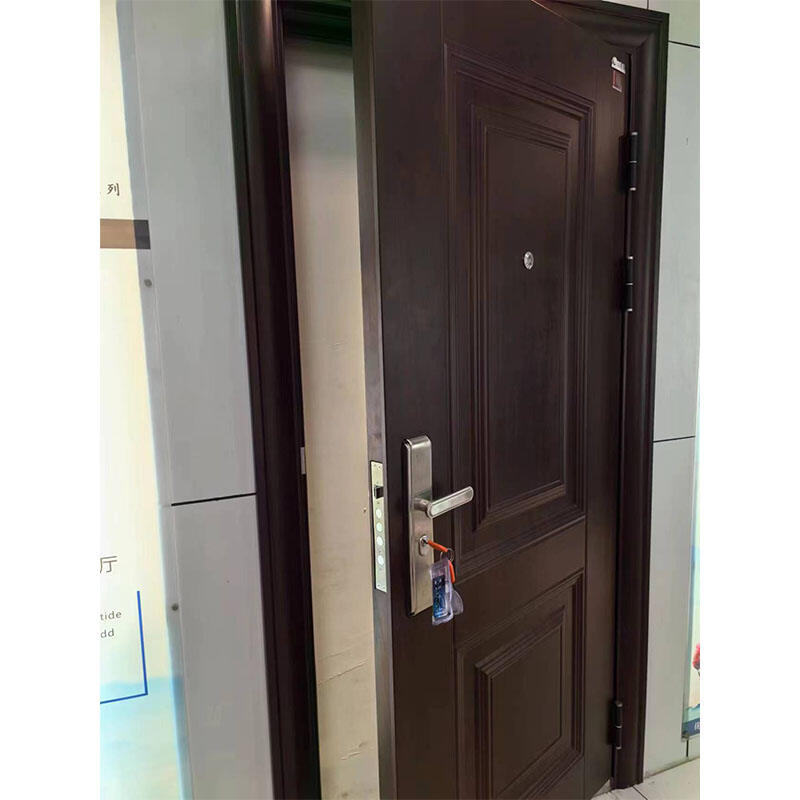
Steel doors are engineered to withstand significant physical stress and environmental challenges, yet their longevity in harsh conditions depends entirely on proper maintenance practices. Industrial facilities, coastal installations, chemical plants, and high-traffic commercial spaces expose steel door systems to corrosive agents, temperature extremes, moisture penetration, and mechanical wear that can rapidly degrade performance if left unaddressed. Understanding how to systematically protect and preserve these critical barriers ensures they continue delivering security, fire resistance, and operational reliability throughout their intended service life.
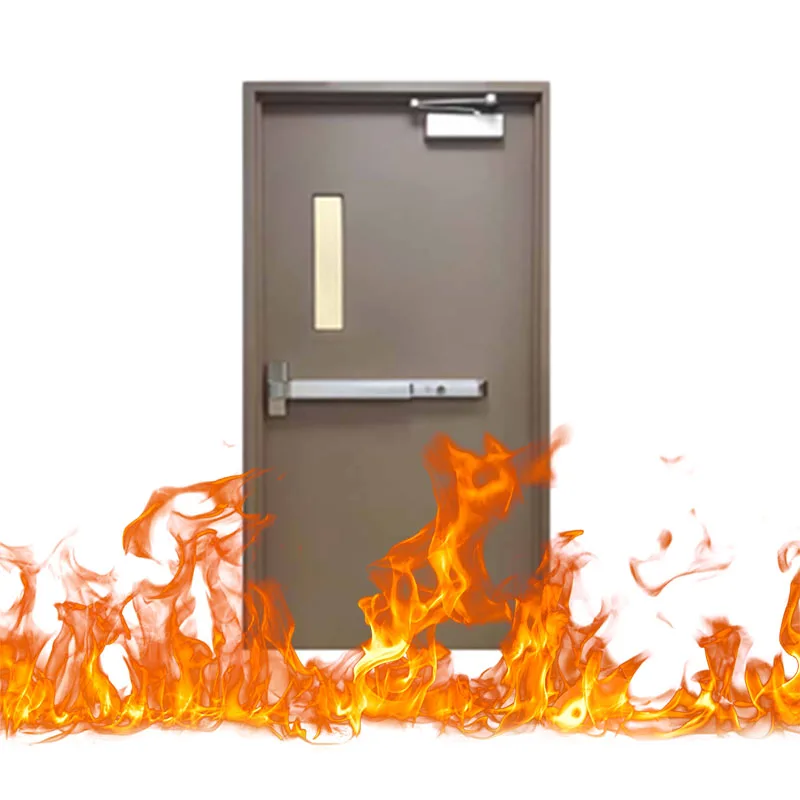
Maintaining steel door durability in harsh environments requires a strategic approach that addresses both the inherent vulnerabilities of metal construction and the specific aggression factors present in each application context. From selecting appropriate protective coatings to implementing scheduled inspection protocols, every maintenance decision influences whether a steel door system remains functional for decades or requires premature replacement. This comprehensive guide explains the mechanisms of environmental degradation, identifies critical maintenance interventions, and provides actionable protocols that facility managers and building operators can implement to maximize steel door performance even under the most challenging operational conditions.
Understanding Environmental Threats to Steel Door Systems
Corrosion Mechanisms in Aggressive Atmospheres
Corrosion represents the primary durability threat for steel door installations in harsh environments, occurring through electrochemical reactions between the metal surface and environmental moisture. Industrial atmospheres containing sulfur compounds, chlorides from coastal salt spray, or chemical vapors accelerate oxidation rates dramatically compared to benign indoor conditions. The steel door surface develops rust when iron molecules react with oxygen in the presence of water, creating iron oxide compounds that occupy greater volume than the original metal and cause progressive surface degradation. Understanding these mechanisms allows maintenance teams to target interventions at the critical moisture-metal interface where corrosion initiates.
Different corrosion types affect steel door components through distinct pathways requiring specific countermeasures. Uniform corrosion gradually reduces material thickness across entire surfaces, while pitting corrosion creates localized penetrations that compromise structural integrity disproportionately. Galvanic corrosion occurs when dissimilar metals in door hardware create electrochemical cells, accelerating degradation at connection points. Crevice corrosion develops in gaps between door frames and surrounding structures where stagnant moisture concentrations persist. Each corrosion mode demands tailored inspection focus and protective strategies to prevent progressive damage that ultimately necessitates complete steel door replacement.
Temperature Cycling and Thermal Stress
Extreme temperature variations impose significant mechanical stress on steel door assemblies through differential expansion and contraction cycles. Steel expands approximately 12 micrometers per meter per degree Celsius, creating dimensional changes that stress connection points, seals, and frame anchors during heating and cooling cycles. Facilities with process equipment generating high heat or cold storage operations subject steel door systems to temperature gradients that fatigue materials over time. The thermal cycling effect becomes particularly pronounced when one door face experiences drastically different temperatures than the opposite face, creating internal stress fields that can warp panels or loosen fasteners.
Thermal expansion also affects the dimensional tolerances critical for proper steel door operation and sealing performance. Hinges and latching mechanisms designed for standard clearances may bind or fail to engage properly when thermal expansion alters door geometry. Weatherstripping and fire-rated seals lose effectiveness when gaps open during thermal contraction, compromising both environmental control and safety compliance. Maintenance protocols must account for these thermal effects through appropriate hardware selection, adjustment procedures, and seal replacement schedules calibrated to actual temperature exposure rather than generic recommendations developed for moderate climates.
Moisture Intrusion and Humidity Effects
Persistent moisture exposure accelerates multiple degradation pathways simultaneously, making humidity control essential for steel door longevity in challenging environments. Water penetration behind protective coatings creates ideal conditions for rapid corrosion development, particularly when combined with contaminants that enhance electrolyte conductivity. High humidity environments maintain surface moisture films even without visible condensation, sustaining continuous electrochemical reactions that gradually consume metal substrates. Coastal installations face particularly aggressive conditions where salt-laden moisture provides both the electrolyte and the corrosive agent that rapidly attacks inadequately protected steel door surfaces.
Moisture also degrades non-metallic steel door components including insulation cores, adhesives, and composite panels that contribute to overall assembly performance. Water absorption reduces thermal insulation effectiveness, adds weight that stresses hardware, and creates dimensional instability that affects door alignment and sealing. Freeze-thaw cycles in cold climates compound moisture damage as expanding ice crystals mechanically disrupt material structures. Effective maintenance therefore requires both preventing moisture entry through intact protective barriers and ensuring drainage pathways allow any infiltrated water to escape rather than accumulating within door assemblies where it causes progressive hidden damage.
Protective Coating Systems and Surface Treatment
Selection of Industrial-Grade Coating Technologies
The protective coating applied to a steel door represents the primary defense against environmental attack, making coating selection and maintenance fundamental to durability in harsh conditions. Industrial coating systems typically employ multiple layers with distinct functions, beginning with conversion coatings or primers that bond directly to steel surfaces and provide corrosion inhibition through chemical passivation. Intermediate layers build film thickness and provide mechanical barrier properties, while topcoats deliver weather resistance, chemical resistance, and ultraviolet stability. High-performance systems may incorporate epoxy, polyurethane, fluoropolymer, or specialty formulations selected specifically for the chemical exposures and mechanical stresses anticipated in particular applications.
Coating specification must consider both the base metal substrate and the specific environmental challenges present at the installation location. Galvanized steel door surfaces require different primer chemistry than hot-rolled steel due to the zinc coating's surface characteristics. Environments with specific chemical exposures demand compatible coating systems; for example, acidic atmospheres require acid-resistant formulations while solvent-rich environments need solvent-resistant topcoats. Film thickness specifications increase for harsher exposures, with coastal industrial installations often requiring total dry film thickness exceeding 250 micrometers compared to 75-100 micrometers adequate for protected interior applications. Regular coating performance assessment and timely refinishing prevent the catastrophic corrosion that occurs once protective barriers fail completely.
Surface Preparation and Coating Application Standards
Coating longevity depends critically on proper surface preparation before application, making this step essential for steel door maintenance in demanding environments. Industrial standards specify abrasive blasting to achieve specific cleanliness grades and surface profiles that maximize coating adhesion. Near-white blast cleaning removing all visible oil, grease, rust, and mill scale creates optimal conditions for long-term coating performance. The microscopic surface roughness profile created by blasting provides mechanical anchoring for coating layers while removing contaminants that would otherwise cause premature adhesion failure. Facilities conducting field recoating of installed steel door systems must achieve comparable surface preparation despite access limitations and contamination control challenges.
Application technique significantly influences coating effectiveness and durability. Spray application typically provides superior uniformity and coverage compared to brush or roller methods, particularly for complex steel door geometries with recessed panels, hardware mounting areas, and edge details. Environmental conditions during application affect curing and film formation; temperature, humidity, and air movement must fall within manufacturer-specified windows to ensure proper cross-linking and adhesion development. Curing time requirements must be observed before returning steel door systems to service, as premature loading or exposure can damage incompletely cured coatings. Documentation of coating specifications, application procedures, and environmental conditions during maintenance creates accountability and enables performance tracking across multiple refinishing cycles.
Coating Inspection and Damage Assessment Protocols
Regular coating inspection identifies developing problems before they progress to substrate corrosion requiring extensive remediation. Visual examination detects obvious coating failures including cracking, peeling, blistering, and chalking that indicate weathering degradation or application defects. Close inspection of steel door edges, hardware mounting points, and ground-level areas reveals early corrosion frequently initiating at these vulnerable locations. Systematic documentation through photography and written condition reports enables tracking of degradation rates and supports data-driven maintenance scheduling rather than arbitrary time-based approaches that may intervene too early or too late for optimal resource efficiency.
Advanced inspection techniques provide quantitative assessment of coating condition and remaining service life. Dry film thickness gauges measure coating thickness at multiple locations to identify areas with inadequate protection or excessive wear. Adhesion testing through pull-off or cross-cut methods evaluates bond strength and detects incipient failure before visible delamination occurs. Electrochemical impedance spectroscopy can assess coating barrier properties and moisture ingress that precede visible damage. These inspection technologies enable condition-based maintenance strategies where refinishing occurs based on actual coating degradation rather than conservative scheduled intervals, optimizing both steel door protection and maintenance expenditure across large facility portfolios.
Mechanical Hardware Maintenance and Operational Adjustments
Hinge Systems and Pivot Point Lubrication
Steel door hardware represents a critical maintenance focus because mechanical component failure often occurs before coating or substrate degradation in properly specified systems. Hinges bear continuous loads and experience friction during every operation cycle, making them vulnerable to wear, corrosion, and mechanical failure. Regular lubrication with appropriate products maintains smooth operation while displacing moisture that would otherwise initiate corrosion in pivot points and bearing surfaces. Industrial-grade lubricants formulated for harsh environments provide superior performance compared to general-purpose products, offering better water resistance, temperature stability, and load-carrying capacity under the demanding conditions typical of heavy steel door installations.
Hinge adjustment maintains proper door alignment critical for both operational reliability and seal effectiveness. Thermal expansion, building settlement, and normal wear gradually alter steel door position relative to frames, creating binding, poor latching, and seal compression inconsistencies. Adjustment procedures typically involve loosening mounting fasteners, repositioning the door or hinge leaves, and retightening to specified torque values. Three-dimensional adjustable hinge systems simplify this process by providing set screws or eccentric adjusters that modify position without complete disassembly. Regular alignment checks using straightedges, feeler gauges, or laser alignment tools detect developing problems before they cause operational failures or allow environmental intrusion through compromised seals.
Locking Mechanisms and Latch Maintenance
Locking hardware experiences both mechanical wear and environmental exposure that degrades performance if maintenance is neglected. Latch mechanisms accumulate dirt, corrosion products, and debris that interfere with smooth engagement and retraction. Disassembly for cleaning and inspection reveals wear patterns indicating misalignment or excessive force during operation. Component replacement before complete failure prevents emergency situations where non-functional steel door locks compromise security or trap personnel. Lock cylinders require periodic lubrication with graphite or specialized lock lubricants that don't accumulate dust or stiffen in temperature extremes common in industrial environments.
Electronic access control hardware integrated with steel door systems introduces additional maintenance requirements including battery replacement, firmware updates, and electrical connection integrity verification. Corrosive atmospheres attack circuit boards and connectors, necessitating protective enclosures and periodic cleaning to prevent failure. Mechanical backup systems ensure continued operation during electronic component failure, making their maintenance equally important despite primary reliance on powered systems. Testing of fail-safe and fail-secure functions verifies that steel door systems respond appropriately to power failures and emergency conditions, maintaining both security and life safety requirements under all operational scenarios.
Seal Replacement and Environmental Barrier Maintenance
Weatherstripping and perimeter seals prevent moisture, contaminants, and thermal energy transfer through steel door assemblies, making seal condition essential for durability and performance. Compression set, ultraviolet degradation, and ozone attack gradually harden and crack elastomeric seals, reducing their effectiveness and allowing environmental intrusion. Regular inspection identifies seal degradation before gaps develop, enabling replacement during scheduled maintenance rather than emergency response to water intrusion or environmental control failures. Seal selection must consider specific environmental exposures; silicone formulations offer superior temperature and ultraviolet resistance compared to standard EPDM rubber, while specialized compounds resist specific chemicals present in particular industrial processes.
Proper seal installation ensures effective environmental isolation and extends seal service life. Adhesive-mounted seals require clean, dry mounting surfaces and appropriate adhesive selection for substrate materials and service temperatures. Compression seals must be installed with correct interference to provide adequate sealing force without overloading door hardware or causing operational difficulty. Seal geometry must accommodate thermal expansion ranges expected in the specific installation without either losing contact during expansion or over-compressing during contraction. Documentation of seal specifications and replacement intervals builds institutional knowledge supporting consistent maintenance quality across multiple steel door installations and successive maintenance personnel.
Preventive Maintenance Programs and Documentation Systems
Risk-Based Inspection Scheduling
Effective steel door maintenance programs allocate resources based on actual risk rather than uniform schedules applied regardless of exposure severity or criticality. Risk assessment considers both the likelihood of failure based on environmental conditions and the consequences of failure including safety impacts, security breaches, and operational disruptions. High-risk installations such as emergency exits, fire barriers, and security portals warrant more frequent and detailed inspection than low-criticality applications. Similarly, steel door systems in coastal or chemically aggressive environments require more intensive maintenance than those in controlled interior conditions, even when serving similar functions.
Inspection frequency should increase during the early service period to establish baseline degradation rates specific to each installation's actual conditions. Initial quarterly inspections generate data revealing whether annual, semi-annual, or more frequent attention is necessary to catch developing problems before they become critical. This evidence-based approach prevents both wasteful over-maintenance and catastrophic under-maintenance, optimizing resource allocation across facility portfolios containing dozens or hundreds of steel door installations. Risk assessments should be reviewed periodically as operating conditions, building uses, or environmental exposures change, ensuring maintenance strategies remain appropriately calibrated to actual requirements.
Condition Documentation and Performance Tracking
Systematic documentation transforms routine maintenance from repetitive tasks into data-generating activities that support continuous improvement and predictive analysis. Detailed condition reports capturing coating condition, hardware operation, alignment measurements, and seal integrity at each inspection create historical records revealing degradation trends and maintenance effectiveness. Photographic documentation provides objective evidence of conditions and facilitates comparison across multiple inspection cycles. Digital documentation systems enable rapid retrieval, trend analysis, and automated scheduling based on condition thresholds rather than arbitrary time intervals.
Performance metrics derived from maintenance records support budget justification, contractor evaluation, and specification refinement for future installations. Tracking mean time between failures, coating service life, and maintenance labor hours per steel door installation reveals which systems deliver optimal life-cycle value. Correlation analysis linking maintenance outcomes to environmental conditions, usage intensity, and specification details identifies factors most strongly influencing durability, enabling more informed decisions about protective measures, component selection, and maintenance intensity. This analytical approach elevates maintenance from a cost center to a value-generating activity that extends asset life and improves facility reliability.
Staff Training and Competency Development
Maintenance quality depends fundamentally on personnel competency, making training investment essential for steel door durability programs. Technical training covers proper inspection techniques, coating assessment methods, hardware adjustment procedures, and appropriate tool use. Understanding the degradation mechanisms threatening steel door systems enables maintenance personnel to recognize subtle indicators of developing problems rather than simply following rote checklists. Hands-on practice with actual hardware builds confidence and skill, reducing the likelihood of damage during adjustment or repair activities.
Safety training protects both personnel and facilities during maintenance activities. Working with industrial coatings involves exposure to solvents, particulates, and chemical hazards requiring appropriate respiratory protection, skin protection, and ventilation. Lockout-tagout procedures prevent accidents when maintaining steel door systems integrated with automated controls or connected to life safety systems. Fall protection becomes necessary when accessing doors at elevation, while confined space protocols apply to certain industrial installations. Comprehensive safety training demonstrates organizational commitment to personnel welfare while reducing liability exposure and ensuring compliance with occupational health regulations governing maintenance activities in harsh industrial environments.
FAQ
What inspection frequency is appropriate for steel doors in coastal industrial facilities?
Coastal industrial installations should conduct detailed steel door inspections quarterly during the first two years to establish baseline degradation rates specific to site conditions, then adjust to semi-annual or annual schedules based on observed corrosion progression. High-traffic or critical safety doors warrant more frequent attention regardless of environmental exposure. Monthly visual checks for obvious coating damage or operational problems supplement formal detailed inspections, enabling early intervention before minor issues escalate into major failures requiring extensive remediation.
Can existing coating systems be overcoated without complete removal to bare metal?
Overcoating existing finishes is feasible when the original coating remains well-adhered with only minor weathering or chalking, provided proper surface preparation removes all loose material, contaminants, and oxidation. Surface roughening through abrasive cleaning creates mechanical bonding opportunities for new coating layers. However, heavily degraded coatings with widespread blistering, cracking, or delamination require complete removal to bare steel door substrate before refinishing to prevent premature failure of repair coatings. Coating compatibility testing ensures new materials bond effectively with existing finishes without adverse chemical interactions that compromise adhesion or curing.
How does fire rating affect steel door maintenance requirements in harsh environments?
Fire-rated steel door assemblies incorporate intumescent seals, mineral core insulation, and specific hardware that must be maintained according to listing requirements to preserve certification. Environmental exposure can degrade these fire-protection components similarly to structural elements, making inspection of intumescent seals for swelling or deterioration particularly important in high-humidity conditions. Maintenance procedures must avoid compromising fire-rating integrity through unauthorized modifications, non-listed replacement parts, or coating systems that haven't been tested as part of the fire door assembly. Documentation demonstrating maintenance compliance with listing requirements supports code enforcement interactions and liability management.
What coating thickness provides adequate protection for steel doors in chemical processing environments?
Chemical processing facilities typically require total dry film thickness of 250-400 micrometers applied in multiple coats using chemically resistant formulations such as epoxy phenolics or fluoropolymers selected for specific chemical exposures present. This substantially exceeds the 75-125 micrometer thickness adequate for benign indoor environments. Coating specification should reference the facility's chemical inventory and consult manufacturer resistance charts to ensure compatibility with actual exposure conditions. Regular thickness measurements during maintenance verify that wear and cleaning procedures haven't reduced protection below minimum values, triggering recoating before substrate attack occurs.
Table of Contents
- Understanding Environmental Threats to Steel Door Systems
- Protective Coating Systems and Surface Treatment
- Mechanical Hardware Maintenance and Operational Adjustments
- Preventive Maintenance Programs and Documentation Systems
-
FAQ
- What inspection frequency is appropriate for steel doors in coastal industrial facilities?
- Can existing coating systems be overcoated without complete removal to bare metal?
- How does fire rating affect steel door maintenance requirements in harsh environments?
- What coating thickness provides adequate protection for steel doors in chemical processing environments?