 EN
EN

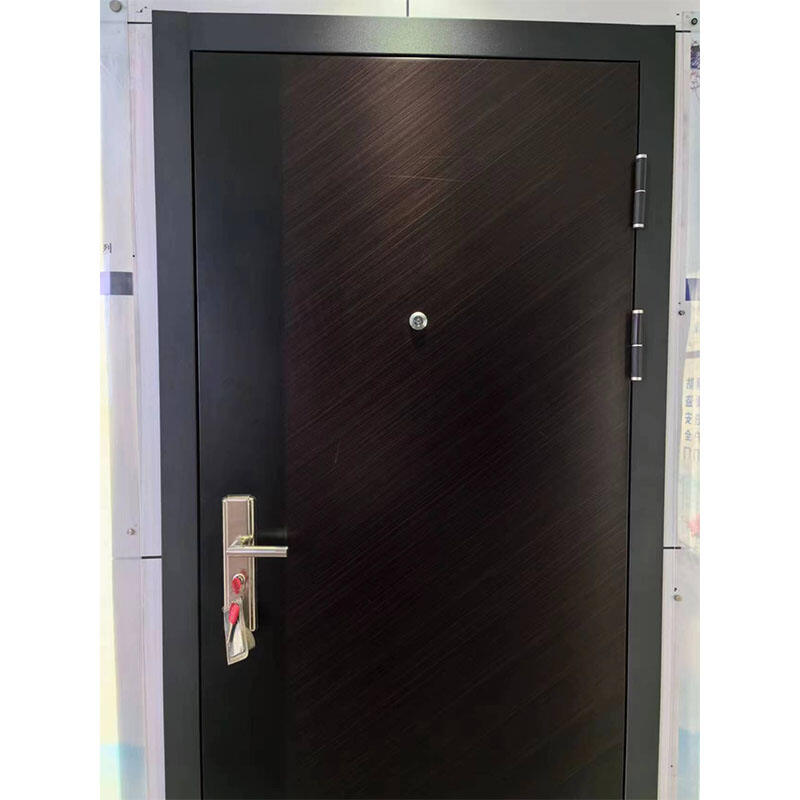
Selecting the appropriate steel door for commercial, industrial, or institutional facilities requires understanding which door types deliver certified strength and safety performance. This article examines specific steel door categories engineered to meet rigorous safety standards, focusing on construction quality, testing certifications, and application-specific requirements that ensure reliable protection against fire, forced entry, and environmental hazards.
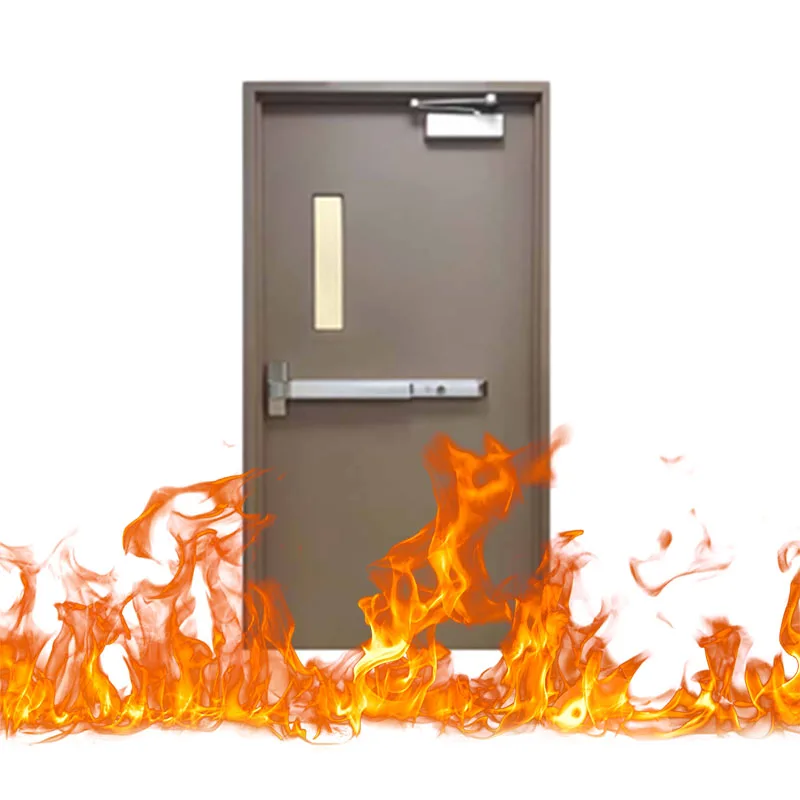
Identifying which steel door types genuinely meet high strength and safety standards depends on material thickness, construction methods, hardware specifications, and third-party certifications. Different facility types face distinct security and safety challenges, making door selection a critical decision that directly impacts occupant protection, regulatory compliance, and long-term operational reliability. This guide clarifies the key door types, their defining characteristics, and the standards they satisfy.
Fire-Rated Steel Door Assemblies and Certification Requirements
Understanding Fire Rating Classifications for Steel Doors
Fire-rated steel door assemblies represent the most widely recognized category meeting stringent safety standards. These doors undergo standardized fire endurance testing according to ASTM E152, UL 10C, or NFPA 252 protocols, earning ratings expressed in time increments such as 20-minute, 45-minute, 60-minute, 90-minute, or 180-minute classifications. The rating indicates how long the door assembly can withstand standard fire exposure while maintaining its integrity and preventing flame passage.
A properly certified steel door fire assembly includes not only the door panel itself but also the frame, hinges, closing hardware, and any glazing components. The entire system must be installed according to manufacturer specifications and local building codes to maintain the listed fire rating. Third-party certification from recognized laboratories ensures that the steel door has been tested under controlled conditions and meets documented performance criteria.
Steel door panels in fire-rated assemblies typically feature mineral core insulation sandwiched between steel faces, creating a barrier that resists heat transfer and structural collapse during fire events. The steel gauge ranges from 20-gauge to 16-gauge or heavier depending on the required rating, with thicker steel generally supporting higher endurance classifications. Edge construction and seam welding quality directly affect the door's ability to maintain its integrity when exposed to extreme temperatures.
Installation and Inspection Standards for Fire Door Compliance
Meeting fire safety standards extends beyond purchasing a certified steel door to encompass proper installation, ongoing maintenance, and regular inspection. Building codes typically require annual or semi-annual inspections of fire door assemblies to verify that latching mechanisms function correctly, seals remain intact, and no modifications have compromised the original fire rating. Non-compliant installations or deferred maintenance can render even the highest-rated steel door ineffective during an emergency.
Installation must follow detailed instructions provided by the door manufacturer and comply with NFPA 80 guidelines governing the care and maintenance of fire doors and windows. This includes proper clearances around the door perimeter, correct mounting of hinges and hardware, and appropriate sealing materials. Facility managers should maintain documentation of installation dates, inspection records, and any repairs to demonstrate ongoing compliance with safety standards.
Fire-rated steel door assemblies serve critical roles in compartmentalizing buildings to slow fire spread, protect egress routes, and provide safe areas for occupants during evacuation. Hospitals, schools, hotels, multi-family residences, and commercial buildings all rely on these doors to meet life safety codes and insurance requirements. Selecting the appropriate fire rating depends on building construction type, occupancy classification, and specific hazard assessments conducted during design.
Security-Rated Steel Doors for Forced Entry Resistance
Ballistic and Attack-Resistant Door Specifications
Security-focused steel door types meet high strength standards through enhanced construction designed to resist forced entry, ballistic threats, or physical attacks. These doors carry certifications from testing agencies such as UL, SDI, or ASTM that verify performance against specific threat levels. Ballistic-rated doors undergo testing according to UL 752 standards, which define protection levels ranging from handguns to high-powered rifles, while forced entry ratings follow ASTM F1915 or SDI 100 standards.
Construction of security-rated steel doors differs substantially from standard commercial doors. Panel thickness increases significantly, often using 14-gauge or 12-gauge steel with additional reinforcement plates around lock areas and hinge zones. Some high-security models incorporate composite materials, such as steel with ballistic fibers or ceramic inserts, to defeat specific attack methods while maintaining manageable weight and operability.
Hardware selection becomes equally critical in security applications. Steel door assemblies must integrate with high-security locking mechanisms, reinforced strike plates, continuous hinges, and tamper-resistant fasteners. The door frame receives similar reinforcement, often extending deep into surrounding wall structures to prevent frame spreading or removal. Security consultants typically specify complete systems rather than individual components to ensure all elements work together to achieve the desired protection level.
Application Scenarios Requiring Security-Grade Steel Doors
Financial institutions, government facilities, data centers, pharmaceutical manufacturing sites, and correctional facilities commonly require security-rated steel door installations. Each application involves specific threat assessments that determine appropriate protection levels. A bank vault door requires different specifications than a perimeter entrance door for a corporate office, even though both serve security functions and both utilize steel construction.
Detention facilities demand steel door types that resist prolonged attacks using improvised tools while providing visual observation capabilities and secure food pass systems. These specialized doors often combine security ratings with fire ratings, creating assemblies that meet multiple safety standards simultaneously. The steel gauge, frame anchoring depth, and hardware robustness all scale according to the security level required, with maximum-security installations using doors weighing several hundred pounds.
Selecting security-rated steel doors involves balancing protection requirements against operational needs, aesthetic considerations, and budget constraints. Facilities must consider not only initial door costs but also installation complexity, ongoing maintenance requirements, and potential operational delays caused by heavy or complex door systems. Security consultants help specify appropriate door types by conducting risk assessments that identify realistic threat scenarios and match them to tested door performance levels.
Hurricane and Impact-Resistant Steel Door Systems
Wind Load and Impact Testing Standards
Coastal and high-wind regions require steel door types certified to withstand hurricane-force winds and windborne debris impacts. These doors meet standards established by testing agencies such as Miami-Dade County Product Control, the Florida Building Code, or ASTM E1996 protocols. Testing subjects doors to positive and negative wind pressure cycles simulating hurricane conditions, followed by large and small missile impact tests using lumber projectiles launched at specified velocities.
Impact-resistant steel door construction typically features reinforced panels, heavy-gauge steel facings, and robust frame systems anchored deeply into structural elements. The door assembly must maintain its integrity and weathertightness after impact events, preventing wind-driven rain infiltration and maintaining building envelope integrity. Some designs incorporate energy-absorbing elements that distribute impact forces across the door surface rather than concentrating stress at single points.
Certification labels affixed to hurricane-rated steel door assemblies indicate the specific wind speed rating and impact resistance level. Facilities in designated high-velocity hurricane zones must install doors meeting local code requirements, which often exceed general building code minimums. Insurance companies frequently require certified impact-resistant doors as a condition of coverage in vulnerable coastal areas, making proper door selection both a safety and financial consideration.
Combining Weather Resistance with Other Performance Requirements
Many applications require steel door types that satisfy multiple performance standards simultaneously. A hospital in a coastal area might need doors that provide fire protection, security against unauthorized entry, and hurricane resistance all within the same assembly. Manufacturers offer specialized door lines designed to meet combined requirements, though these typically involve higher costs and more complex installation procedures than single-purpose doors.
Weather-resistant steel door systems also address thermal performance, air infiltration, and water penetration beyond basic structural integrity. Energy codes increasingly mandate minimum thermal resistance values for exterior doors, requiring insulated cores and thermal breaks in steel frames to prevent heat transfer. Weather sealing systems must maintain effectiveness throughout the door's service life despite repeated opening cycles and exposure to UV radiation and temperature extremes.
Facilities planning new construction or major renovations should engage design professionals who understand how to specify steel door types meeting all applicable standards. This includes coordinating door specifications with wall assembly designs, ensuring adequate structural support for heavy door weights, and planning electrical integration for access control or monitoring systems. Comprehensive specifications prevent costly change orders and ensure installed doors actually deliver the intended safety and strength performance.
Industrial and Cold Storage Steel Door Applications
Specialized Door Types for Extreme Environments
Industrial facilities and cold storage operations require steel door types engineered for extreme temperature differentials, heavy traffic volumes, and exposure to chemicals or moisture. These doors meet safety standards related to thermal efficiency, structural stability under thermal cycling, and resistance to corrosion or material degradation. Insulated steel door panels for cold storage applications often feature polyurethane or polystyrene foam cores with thermal resistance values exceeding R-10 or R-15.
Steel door construction for refrigerated environments must prevent thermal bridging while maintaining structural integrity at temperatures ranging from ambient to minus 40 degrees Fahrenheit or lower. Specialized gaskets and sweep seals minimize air infiltration, reducing energy costs and preventing ice buildup that can interfere with door operation. Heavy-duty hinges and track systems accommodate the additional weight of highly insulated panels while supporting tens of thousands of operating cycles annually.
Food processing, pharmaceutical manufacturing, and chemical storage facilities face additional regulatory requirements beyond basic structural safety. Steel door types serving these applications must support sanitary design principles, provide easy cleaning surfaces, and resist harboring bacteria or contaminants. Stainless steel or powder-coated steel finishes meet FDA, USDA, or GMP standards while delivering the strength and durability these demanding environments require.
Traffic Doors and Rapid-Cycle Steel Door Systems
High-traffic industrial applications employ specialized steel door types such as impact traffic doors or high-speed roll-up doors that maintain environmental separation while accommodating frequent opening cycles. These doors must withstand impacts from carts, forklifts, or personnel while maintaining their structural integrity and operational reliability. Impact-rated traffic doors feature flexible panels or breakaway designs that absorb collisions without permanent damage.
Rapid-cycle steel door systems minimize environmental exchange by reducing the time doors remain open during passage events. These systems incorporate sensors, automatic controls, and high-speed motors that open and close doors in seconds rather than the longer intervals required for conventional swing or slide doors. Steel components provide durability and security while automation ensures consistent operation that manual doors cannot match.
Selecting appropriate industrial steel door types requires understanding facility workflow, environmental control requirements, and maintenance capabilities. Doors that meet high strength and safety standards in these applications balance initial cost against lifecycle expenses including energy consumption, maintenance frequency, and replacement intervals. Properly specified doors deliver years of reliable service while improperly chosen alternatives fail prematurely, creating safety hazards and operational disruptions.
Certification Bodies and Standard-Setting Organizations
Understanding Third-Party Testing and Certification
Steel door types genuinely meeting high strength and safety standards carry certifications from recognized third-party testing laboratories rather than relying solely on manufacturer claims. Organizations such as Underwriters Laboratories, Intertek, Bureau Veritas, and SGS operate testing facilities that subject doors to rigorous evaluation protocols. These laboratories verify that door assemblies perform as claimed under standardized conditions, providing independent validation that facility managers and code officials can trust.
Certification involves more than single-sample testing. Laboratories conduct initial prototype testing, factory inspections to verify consistent manufacturing quality, and ongoing audits to ensure continued compliance with standards. Listed steel door products receive certification labels or listings that specify exact model numbers, configurations, and installation requirements necessary to maintain certified performance. Substituting components or deviating from specified installation procedures can void certifications and compromise safety.
Industry associations such as the Steel Door Institute, Door and Hardware Institute, and National Fire Protection Association develop and maintain the technical standards that testing laboratories use to evaluate products. These organizations bring together manufacturers, code officials, designers, and users to establish performance criteria that balance safety needs against practical manufacturing and installation considerations. Understanding the standards landscape helps facility managers select steel door types appropriate for their specific applications.
Navigating Building Codes and Regulatory Requirements
Local building codes and state regulations determine which steel door types and safety standards apply to specific facilities. Most jurisdictions adopt model codes such as the International Building Code with local amendments that may increase or modify requirements. Code officials review construction documents to verify that specified doors meet minimum standards for fire resistance, means of egress, accessibility, and structural adequacy.
Facility managers should engage code consultants or design professionals familiar with local requirements during project planning. Steel door specifications must address not only product selection but also installation details, inspection requirements, and documentation procedures. Some jurisdictions require special inspections of fire door installations, with inspectors verifying proper clearances, hardware adjustment, and overall assembly compliance before issuing occupancy permits.
Regulatory oversight extends beyond initial construction to ongoing facility operation. Life safety codes typically mandate regular testing and maintenance of fire doors, security doors, and other safety-critical components. Facilities must establish maintenance programs that preserve door performance throughout their service lives, documenting inspections and repairs to demonstrate continued compliance. Steel door types that meet high standards at installation will only continue performing safely if properly maintained according to manufacturer recommendations and code requirements.
FAQ
What certifications should I look for when selecting a steel door for fire safety?
Look for steel door assemblies carrying UL or Intertek listings with specific fire ratings such as 60-minute, 90-minute, or 180-minute classifications. The certification label should indicate the entire assembly including frame and hardware has been tested together. Verify that the door meets NFPA 80 requirements and local building code specifications for your facility type and occupancy classification. Documentation should include installation instructions and maintenance requirements necessary to maintain the fire rating throughout the door's service life.
How do I determine the appropriate security level for a steel door installation?
Conduct a formal security risk assessment identifying potential threats specific to your facility, including forced entry methods, ballistic risks, or physical attack scenarios. Match identified threats to tested performance levels such as UL 752 ballistic ratings or ASTM F1915 forced entry classifications. Consider operational requirements including traffic volume, access control integration, and emergency egress needs. Engage security consultants who can recommend steel door types providing appropriate protection without creating operational bottlenecks or excessive costs relative to actual risk levels.
Can a single steel door meet multiple safety standards simultaneously?
Yes, many manufacturers offer steel door types certified to meet combined requirements such as fire rating plus security rating, or hurricane resistance plus fire protection. These multi-rated doors undergo testing for each performance characteristic and carry certifications for all applicable standards. However, combined-rating doors typically cost more than single-purpose doors and may have specific installation requirements to maintain all certifications. Verify that the exact door model and configuration you select has been tested and listed for all the standards you need to meet.
What maintenance activities are required to keep steel doors compliant with safety standards?
Fire-rated steel doors require annual or semi-annual inspections verifying that latching mechanisms work properly, seals remain intact, clearances meet specifications, and no unauthorized modifications have been made. Security doors need periodic hardware checks, hinge lubrication, and access control system testing. All steel door types benefit from regular cleaning, touch-up painting to prevent corrosion, and prompt repair of any damage. Maintain detailed records of inspections, repairs, and hardware replacements to demonstrate ongoing compliance with applicable standards and code requirements.
Table of Contents
- Fire-Rated Steel Door Assemblies and Certification Requirements
- Security-Rated Steel Doors for Forced Entry Resistance
- Hurricane and Impact-Resistant Steel Door Systems
- Industrial and Cold Storage Steel Door Applications
- Certification Bodies and Standard-Setting Organizations
-
FAQ
- What certifications should I look for when selecting a steel door for fire safety?
- How do I determine the appropriate security level for a steel door installation?
- Can a single steel door meet multiple safety standards simultaneously?
- What maintenance activities are required to keep steel doors compliant with safety standards?