 EN

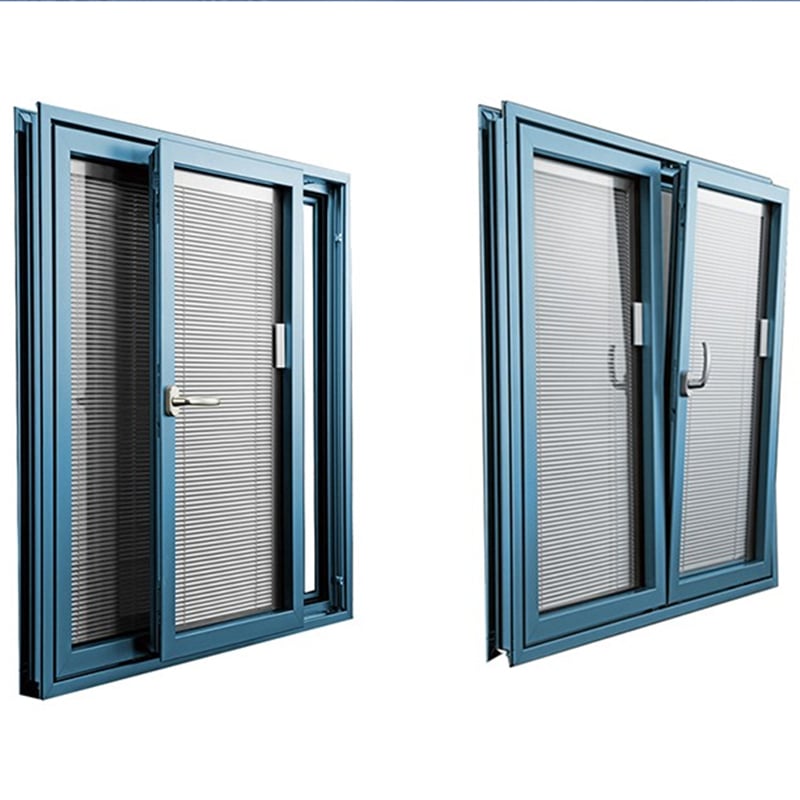
Choosing the right sliding window for your home or commercial property directly impacts both comfort and energy efficiency. A sliding window operates on a horizontal track system, allowing panes to glide smoothly left or right, making it one of the most versatile and practical window options available today. The sliding window design offers exceptional flexibility in controlling airflow, natural light penetration, and aesthetic appeal. Understanding which sliding window types best serve your ventilation and lighting needs is essential for making an informed decision that aligns with your property's specific requirements.
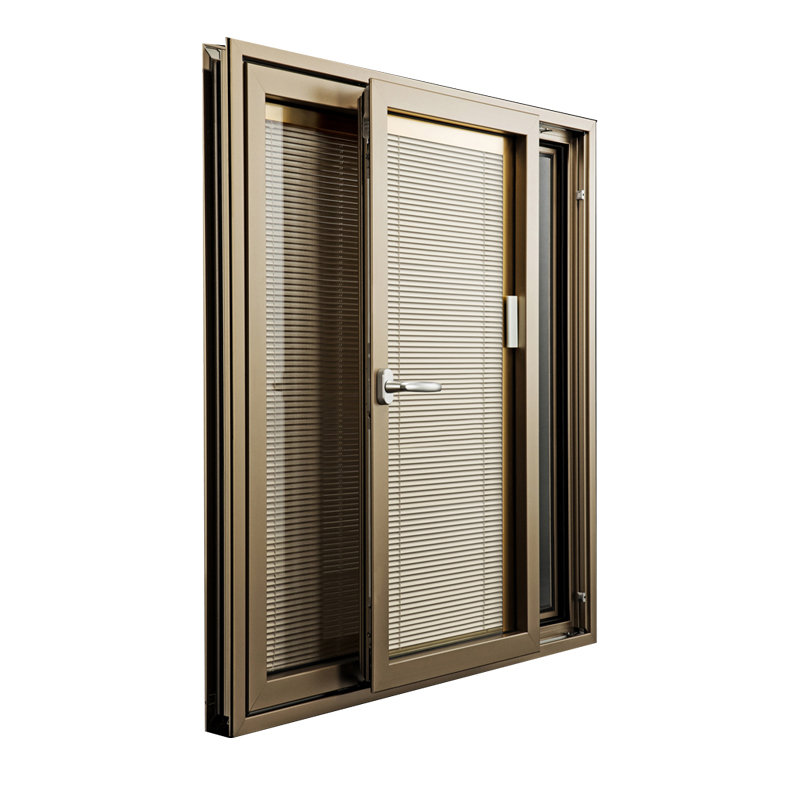
The performance of a sliding window depends heavily on its material composition, glass technology, and frame design. Modern sliding window systems integrate advanced sealing mechanisms and insulated glass units to maximize thermal efficiency while maintaining superior ventilation control. When you select a sliding window based on your climate, building orientation, and usage patterns, you create an optimized indoor environment that supports both occupant well-being and operational cost savings. This guide explores the primary sliding window types and how each configuration enhances ventilation and lighting in different scenarios.
Single-Pane and Double-Pane Sliding Window Configurations
Single-Pane Sliding Window Performance
A single-pane sliding window features one continuous layer of glass within the frame, offering maximum transparency and unobstructed views. While this sliding window configuration allows abundant natural light to enter your space, it provides minimal thermal insulation and reduced soundproofing compared to multi-pane alternatives. Single-pane sliding window designs work best in temperate climates where heating and cooling demands remain moderate. The simplified construction of a single-pane sliding window also reduces manufacturing complexity, making this option more economical for budget-conscious projects that prioritize ventilation over energy retention.
Double-Pane Sliding Window Advantages
A double-pane sliding window incorporates two glass layers separated by a sealed air or inert gas chamber, delivering superior insulation performance. This sliding window type maintains interior temperature stability while still permitting excellent natural light transmission, creating an ideal balance for most residential and commercial applications. The double-pane sliding window design reduces condensation buildup and minimizes drafts, enhancing user comfort during season transitions. Modern double-pane sliding window systems often include low-emissivity coatings that reflect infrared radiation, further optimizing thermal efficiency without compromising the luminous transmission that makes a sliding window attractive for brightening interior spaces.
Ventilation-Optimized Sliding Window Designs
Wide-Opening Sliding Window Systems
A wide-opening sliding window maximizes the ventilation aperture by allowing one or both panes to slide fully to the side, creating an unobstructed air passage. This sliding window configuration proves particularly valuable in applications requiring rapid air exchange, such as kitchens, bathrooms, and commercial break rooms. The sliding window mechanism permits occupants to modulate airflow precisely, opening partially for gentle ventilation or fully for rapid cooling. Wide-opening sliding window designs accommodate cross-ventilation strategies, where opposing windows work together to establish natural air circulation patterns throughout a building. When properly positioned, a sliding window becomes a critical component of passive cooling strategies that reduce air conditioning dependency.
Multi-Track Sliding Window Installations
A multi-track sliding window system incorporates multiple horizontal rails, enabling three, four, or more glass panels to operate within a single frame opening. This sliding window approach provides granular control over ventilation, allowing partial opening of different sections to meet specific airflow requirements. The sliding window configuration with multiple tracks creates flexibility in managing air distribution, particularly in large spaces requiring selective ventilation zones. A sliding window with multiple operational panes also reduces the wind load impact compared to a single large opening, enhancing safety and stability during high-wind conditions. This sliding window design frequently appears in commercial buildings, industrial facilities, and residential properties seeking advanced climate control capabilities.
Lighting Enhancement Through Sliding Window Glass Technology
Transparent Framing and Minimal Obstruction
The sliding window frame design minimizes vertical structural elements compared to traditional hinged windows, permitting superior light transmission. A sliding window frame typically features narrow horizontal rails and vertical stiles that occupy minimal glass area, maximizing the transparent surface through which natural light enters. The sliding window layout's horizontal orientation aligns with natural sight lines, creating a seamless visual connection between indoor and outdoor spaces. When selecting a sliding window for a light-critical application such as an art studio, display area, or patient-facing medical facility, the frame-to-glass ratio becomes a decisive factor. A well-designed sliding window balances structural integrity with optical clarity, ensuring that architectural aesthetics and functional performance work in harmony.
Glass Treatments and Light Quality
Advanced glass coatings applied to a sliding window significantly influence how natural light behaves as it enters your interior. A sliding window featuring anti-reflective treatments reduces glare while maintaining brightness, creating a more comfortable visual environment for extended periods. Tinted versions of a sliding window filter harmful ultraviolet radiation and reduce solar heat gain in climates where cooling dominates energy consumption. A sliding window with selective-transmission coatings permits visible light passage while blocking infrared wavelengths, supporting both daylighting strategies and thermal efficiency. When you install a sliding window with thoughtfully chosen glass technology, you optimize the relationship between luminous gain and thermal control, creating interior environments that feel brighter and more comfortable without requiring increased artificial lighting supplementation.
FAQ
How much does a sliding window improve natural ventilation compared to fixed windows?
A sliding window provides adjustable airflow control that fixed windows cannot offer, allowing occupants to modulate ventilation based on immediate environmental needs. Fixed windows provide no ventilation capability whatsoever, while a properly operating sliding window can achieve air exchange rates up to 50 percent greater than comparable casement or double-hung alternatives due to the horizontal opening geometry. The ventilation benefit of a sliding window depends on its size, orientation relative to prevailing winds, and whether cross-ventilation opportunities exist within your building layout.
Can a sliding window help reduce energy costs while maintaining adequate natural lighting?
Yes, a sliding window with double-pane insulated glass and low-emissivity coatings simultaneously maximizes natural light transmission while minimizing heat transfer, directly reducing heating and cooling expenses. A sliding window optimized for your climate zone balances solar heat gain during winter months with solar rejection during summer months, supporting net-positive energy performance across seasonal cycles. Selecting a sliding window with proper weatherstripping and sealing mechanisms prevents air leakage, further enhancing the energy efficiency benefit that this window type delivers.
What sliding window configuration works best for commercial office buildings?
Commercial office buildings typically benefit most from multi-track sliding window systems that permit sectional ventilation control and accommodate diverse occupancy preferences across different floor zones. A sliding window design featuring low-emissivity double-pane glass optimizes daylighting while protecting interior furnishings from ultraviolet fading and reducing glare on computer screens. Wide-opening sliding window configurations support building management flexibility, allowing facilities teams to adjust ventilation strategies seasonally and respond dynamically to occupancy changes, making this sliding window type an economical choice for organizations seeking operational adaptability.