 EN

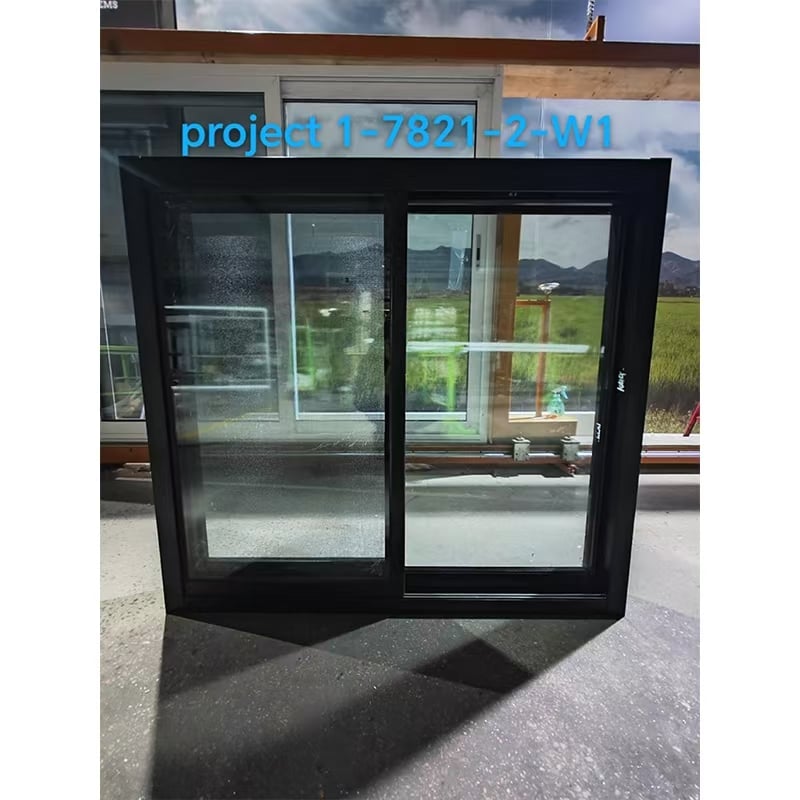
Maintaining your sliding window tracks is essential for ensuring smooth operation and extending the lifespan of your windows. Over time, dirt, debris, and weathering can accumulate in the tracks, causing friction and making windows difficult to open and close. Regular maintenance prevents costly repairs and keeps your home secure and energy-efficient. By following a straightforward maintenance routine, homeowners and facility managers can preserve the functionality and appearance of their sliding window systems for years to come.
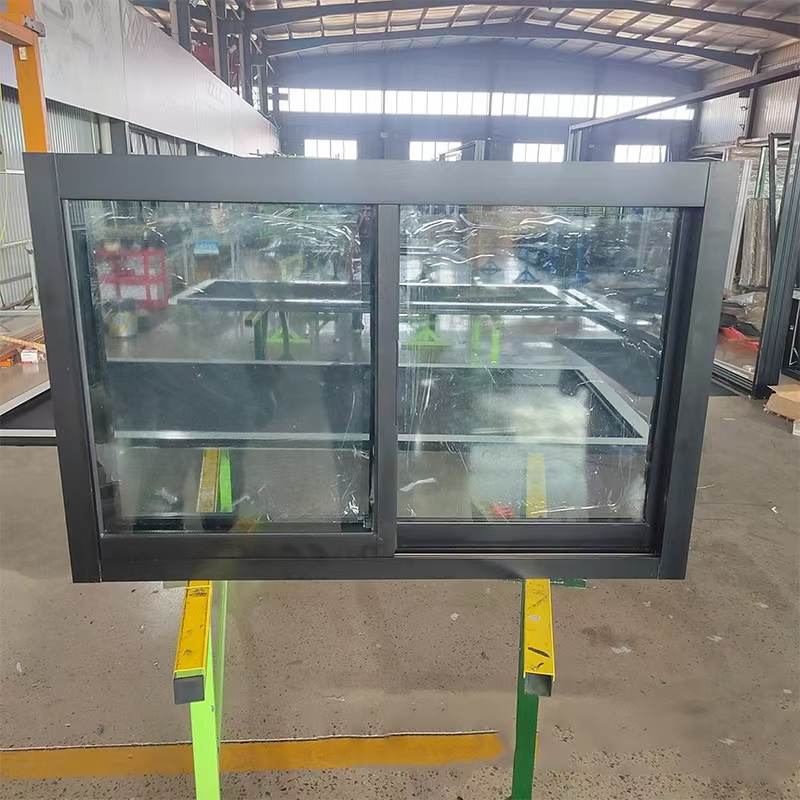
A well-maintained sliding window operates smoothly and provides optimal insulation and protection from the elements. The track system in a sliding window bears significant mechanical stress as the window panel moves back and forth repeatedly. Understanding the core components of your sliding window track and knowing how to care for them will help you avoid performance degradation and maintain the structural integrity of your installation.
Understanding Your Sliding Window Track System
Components of a Sliding Window Track
Every sliding window consists of several critical components that work together to enable smooth gliding motion. The sliding window frame houses the track, which is typically made from aluminum, vinyl, or composite materials. The bottom and sometimes the top channels guide the sliding window panel as it moves horizontally. Rollers and wheels sit within these channels and support the weight of the sliding window panel. Understanding these parts helps you identify areas that need maintenance and recognize when your sliding window requires professional attention.
Common Issues Affecting Sliding Window Performance
Debris accumulation is the leading cause of sliding window malfunction. Leaves, dust, pet hair, and other particles collect in the track grooves, creating friction that makes your sliding window difficult to operate. Moisture exposure can cause corrosion in metal sliding window components, particularly in coastal or humid environments. Poor lubrication leads to increased resistance when moving a sliding window panel, and over time, this can damage the rollers and bearing surfaces. Recognizing these issues early allows you to maintain your sliding window before problems worsen.
Essential Cleaning Procedures for Sliding Window Tracks
Removing Debris and Buildup
Begin your sliding window maintenance by removing loose debris from the tracks. Use a dry brush or vacuum with a narrow attachment to extract dirt, leaves, and dust from the sliding window channel. Pay special attention to the corners and crevices where debris accumulates most in your sliding window track. For stubborn buildup, use a plastic scraper or old toothbrush to gently dislodge compacted material without scratching the sliding window track surface. This basic cleaning step is crucial before applying any liquids to your sliding window system.
Deep Cleaning the Track Channels
After removing loose debris, apply a mixture of warm water and mild dish soap to the sliding window tracks. Use a soft-bristled brush to work the solution into all areas of your sliding window channel, including the bottom where rollers run. For mineral deposits or stubborn stains on your sliding window, a solution of equal parts white vinegar and water proves effective. Avoid harsh chemicals that can damage the finish or seals on your sliding window. Rinse thoroughly with clean water and dry the sliding window track completely before applying any lubricant.
Lubrication and Protection Strategies
Selecting the Right Lubricant for Sliding Windows
Proper lubrication is vital to maintaining smooth operation of your sliding window system. Choose silicone-based lubricants specifically designed for sliding window applications, as these resist dust accumulation better than oil-based products. Avoid WD-40 or heavy grease, which attract dirt and can gum up your sliding window tracks over time. Apply lubricant sparingly to the sliding window channel and roller mechanisms, as excess product traps debris. Test your sliding window movement after lubrication to ensure smooth gliding without resistance or binding.
Weatherproofing and Preventive Care
Beyond cleaning and lubrication, weatherproofing your sliding window track extends component life and reduces maintenance frequency. Apply weatherseal or protective coatings to vulnerable areas of your sliding window system, especially in regions with harsh weather. Clean your sliding window tracks seasonally, particularly before winter and after spring pollen season, to prevent seasonal buildup. Check the drainage holes in your sliding window frame to ensure water doesn't pool in the tracks. Regular inspections of your sliding window will help you catch minor issues before they require expensive repairs or replacement.
Advanced Maintenance and Troubleshooting
Addressing Alignment and Roller Issues
If your sliding window still operates roughly after cleaning and lubrication, the issue may involve misalignment or worn rollers. Most sliding window frames include adjustment screws that allow you to fine-tune the height and position of the panel. Carefully adjust these screws on your sliding window to ensure even contact between the rollers and track. If your sliding window panel has significant play or binding despite adjustment, the rollers may need replacement. Professional inspection of your sliding window by a qualified technician can determine whether repair or replacement is necessary.
Seasonal Maintenance Checklist for Sliding Windows
Establish a routine maintenance schedule for your sliding window to prevent performance decline. Every three months, vacuum and brush your sliding window tracks to remove debris. Twice yearly, perform a thorough cleaning of your sliding window with water and mild soap. Annually, apply fresh lubricant to all moving parts of your sliding window system. After severe weather events, inspect your sliding window for debris impact and damage. This proactive approach to sliding window care minimizes unexpected failures and preserves the investment in your home or facility.
FAQ
How often should I clean and lubricate my sliding window tracks?
Clean your sliding window tracks at least twice per year, ideally before winter and after spring. Light vacuuming and brushing of your sliding window can occur monthly if you live in a dusty environment. Lubricate your sliding window tracks annually or whenever you notice resistance during operation. More frequent maintenance may be necessary in coastal areas or regions with high pollen counts. The key is establishing a routine that keeps your sliding window clean and properly lubricated.
What should I avoid when maintaining my sliding window?
Never use harsh chemical cleaners or abrasive materials on your sliding window, as these can damage protective coatings and seals. Avoid applying excessive lubricant to your sliding window, which attracts dirt and can cause staining. Do not force your sliding window if it resists movement, as this may damage the rollers or track. Skip WD-40 and heavy oils for your sliding window maintenance, opting instead for silicone-based products designed for windows. Using improper techniques or materials on your sliding window can lead to costly damage requiring professional repair.
When should I seek professional help for my sliding window?
Contact a professional if your sliding window continues to bind or resist movement after thorough cleaning and lubrication. If your sliding window panel has visible damage, cracks, or separation from the frame, professional assessment is necessary. When your sliding window develops water leaks around the seals or frame, this indicates a problem requiring expert attention. If your sliding window track shows signs of severe corrosion or the rollers appear worn beyond simple lubrication, replacement parts or installation may be needed. Regular maintenance of your sliding window helps prevent these issues, but professional intervention ensures proper resolution when problems arise.