 EN

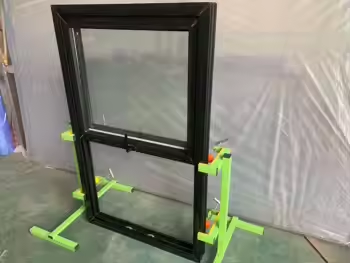
A hung window represents one of the most common and practical window designs found in residential and commercial buildings today. The hung window operates on a vertical sliding mechanism where one or both sashes move up and down within a frame, providing excellent ventilation control and timeless aesthetic appeal. Maintaining your hung window system is essential to ensure smooth operation, extend its lifespan, and prevent costly repairs that can arise from neglect or improper care. Understanding how to properly care for a hung window will save you time and money while keeping your indoor environment comfortable and secure.
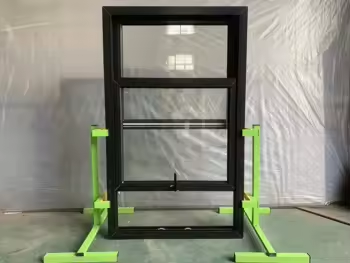
Whether your hung window is brand new or several decades old, regular maintenance is the cornerstone of reliable performance. A well-maintained hung window glides effortlessly, seals tightly against weather elements, and maintains its structural integrity year after year. This guide walks you through essential maintenance practices that every property owner should implement to keep their hung window operating at peak performance.
Understanding Hung Window Components and Maintenance Needs
Identifying Key Parts of Your Hung Window
Every hung window consists of multiple interdependent components working together to deliver smooth vertical movement. The frame provides the structural housing, while the sashes are the movable parts that slide up and down. Pulleys and cords or counterbalance mechanisms keep the hung window balanced and reduce the physical effort needed to open and close it. The meeting rails are where the upper and lower sashes meet, creating a seal. Weatherstripping surrounds the perimeter of a hung window, preventing air and moisture infiltration. Understanding these parts helps you identify which areas of your hung window require the most attention during regular maintenance routines.
Why Hung Window Maintenance Prevents System Failures
Neglecting hung window care allows dirt, debris, and moisture to accumulate in the tracks and mechanisms, leading to sticking, grinding sounds, and eventual jamming. When you fail to maintain a hung window properly, the balance system can weaken, making the sashes difficult to operate and potentially dangerous if they fall unexpectedly. Moisture that enters through deteriorated weatherstripping can cause wood rot in wooden frames and encourage mold growth inside your walls. Regular maintenance of your hung window catches problems early, when they are inexpensive and easy to fix, rather than waiting until major structural damage occurs.
Step-by-Step Maintenance Procedures for Hung Windows
Cleaning and Lubricating Your Hung Window Mechanism
Begin your hung window maintenance routine by thoroughly cleaning all exterior and interior surfaces of the frame and sashes. Use a soft brush or vacuum attachment to remove loose dust and debris from the tracks where your hung window slides. For stubborn dirt inside the tracks of your hung window, apply a small amount of warm soapy water with a damp cloth, then wipe dry to prevent moisture damage. Once clean, apply a silicone-based lubricant to the track surfaces and moving parts of your hung window. Avoid using heavy oils or grease, which attract and hold dust particles that will gum up your hung window mechanism over time. After lubrication, open and close your hung window several times to distribute the lubricant evenly throughout the system.
Inspecting and Replacing Weatherstripping
Weatherstripping is the first line of defense protecting your hung window from air leaks and water intrusion. Inspect the rubber or foam weatherstripping around your hung window frame for visible cracks, gaps, or areas where it has become compressed or separated from the frame. On your hung window, pay particular attention to the bottom rail of the lower sash and the horizontal meeting rails where sashes overlap, as these areas experience the most weather exposure. If your hung window weatherstripping is damaged or no longer creates a tight seal, remove the old material and install replacement weatherstripping designed for hung window applications. Quality weatherstripping materials restore the seal on your hung window and immediately improve thermal efficiency and weather resistance.
Checking and Adjusting Balance Systems
The balance system on your hung window keeps the sashes at any position without falling or requiring constant force to hold them open. For older hung window models with rope and pulley systems, inspect the cords for fraying, breaking, or unraveling, and replace them if compromised. Modern hung window designs often use spring-loaded counterbalance mechanisms that should move smoothly without sticking. If your hung window feels unbalanced or one sash is heavier than the other, the balance system may need adjustment or replacement. Test your hung window balance by opening each sash halfway and releasing it; both should stay in place without drifting up or down. Addressing balance issues on your hung window improves safety and prevents the sashes from slamming shut unexpectedly.
Seasonal Care and Troubleshooting for Hung Windows
Preparing Your Hung Window for Different Seasons
Before winter arrives, thoroughly inspect and maintain your hung window to ensure it will provide effective insulation during cold months. Apply fresh caulk around the exterior frame of your hung window where it meets the wall, sealing any gaps that allow drafts and heat loss. In spring, after winter weather has passed, open your hung window fully and clean the exterior sashes and frames, which accumulate winter grime and moisture. Before summer, ensure your hung window operates smoothly so you can open it for ventilation on warm days. During fall, check that your hung window closes tightly to prepare for temperature fluctuations as seasons transition.
Solving Common Hung Window Operating Problems
If your hung window sticks or resists movement, the most common cause is accumulated dirt and dried lubricant in the tracks. Clean the tracks thoroughly as described earlier, then apply fresh silicone lubricant to restore smooth operation of your hung window. If your hung window sashes rattle or move excessively when closed, weatherstripping may be worn and need replacement. When your hung window produces grinding or scraping sounds during operation, debris may be caught in the pulley system or track, requiring careful inspection and cleaning. If your hung window will not stay open at any position, the balance system is likely failing and needs professional adjustment or component replacement. For your hung window, identifying the specific problem allows you to apply the most effective maintenance solution.
FAQ
How often should I maintain my hung window?
You should inspect and clean your hung window at least twice per year, typically in spring and fall. If your hung window receives heavy use or you live in a harsh climate with significant temperature and humidity changes, increase maintenance frequency to quarterly. Quick monthly checks of your hung window operation can catch problems before they become serious and require expensive repairs.
What is the best lubricant for a hung window mechanism?
Silicone-based lubricants are ideal for hung window maintenance because they do not attract dust and remain effective in various temperatures. Avoid WD-40 and similar penetrating oils on your hung window, as they evaporate quickly and leave residue that can gum up the mechanism. For your hung window, apply lubricant sparingly to tracks and moving parts, then wipe away excess to prevent dust accumulation.
Can I repair a broken hung window cord myself?
Replacing a broken cord on your hung window is a moderate DIY task if you have basic tools and mechanical aptitude, though many homeowners prefer professional service. The process involves disassembling the frame trim to access the pulley system inside your hung window, feeding new cord through the pulleys, and reattaching the sashes. For your hung window, if you lack experience or confidence in performing this task, hiring a professional ensures the repair is done safely and correctly without damaging your hung window further.