 EN

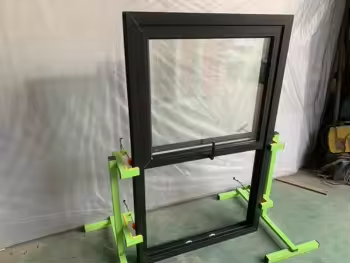
Selecting the right hung window for your property is one of the most important decisions you'll make during a renovation or new construction project. Whether you're replacing aging frames or installing windows in a new structure, understanding what to evaluate ensures you invest in units that deliver durability, energy efficiency, and aesthetic appeal. A hung window remains one of the most popular window styles in residential and light commercial applications, offering timeless functionality and design flexibility that appeals to builders and homeowners alike.
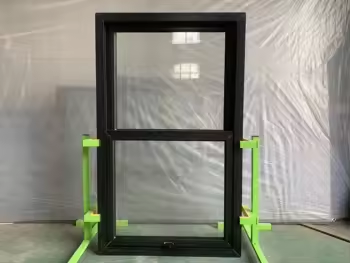
The process of choosing a hung window involves examining multiple technical, practical, and design factors that will influence long-term performance and satisfaction. Rushing through this evaluation can lead to costly mistakes, including poor thermal performance, difficult maintenance, improper fit, or aesthetic misalignment with your building's architectural character. This guide walks you through the key considerations that buyers should assess before committing to any hung window purchase or installation.
Material and Frame Construction Quality
Evaluating Frame Material Options
The material used in a hung window frame directly affects its lifespan, maintenance requirements, thermal performance, and overall cost. Wood frames offer classic beauty and excellent insulation properties, but require regular painting or staining to prevent rot and weathering. Vinyl hung window frames have become increasingly popular because they resist moisture, require minimal maintenance, and provide strong thermal resistance without the need for periodic refinishing. Aluminum frames are lightweight and durable but conduct heat and cold more readily than other materials, making them less ideal for energy-conscious applications unless they feature thermal breaks.
Construction Standards and Assembly
A quality hung window should be built with precision joinery, secure corner locks, and reinforced frame sections that resist warping and structural failure over time. Check whether the hung window manufacturer uses mortise-and-tenon joints, dowel reinforcement, or corner blocks to strengthen frame connections. The glazing system should feature proper spacers, desiccant materials, and sealed edges to prevent moisture infiltration and condensation between glass panes. Frame thickness, material gauge, and internal bracing all influence how well a hung window will perform under wind loads, temperature cycling, and daily operational stress.
Energy Efficiency and Thermal Performance
Understanding Window Performance Ratings
When selecting a hung window, you must evaluate its U-factor, Solar Heat Gain Coefficient (SHGC), and air leakage rating, as these metrics directly correlate to heating and cooling costs. A lower U-factor indicates better insulation value, meaning the hung window resists heat transfer more effectively. Low-emissivity (Low-E) coatings on insulated glass units reduce heat transfer by reflecting infrared radiation while allowing visible light to pass through, making them especially valuable in climates with extreme temperatures. The air leakage rating indicates how much outside air infiltrates around the frame and sashes; a hung window with superior weather stripping and frame fit will achieve lower infiltration rates and better overall thermal envelope performance.
Climate-Specific Selection Strategy
Your geographic location should heavily influence which hung window specifications you prioritize. In cold climates, selecting a hung window with triple glazing, gas-filled chambers, and thermal breaks becomes essential to minimize heat loss during winter months. In warm or mixed climates, a hung window with high SHGC ratings and reflective coatings helps reduce cooling loads by limiting solar heat gain. A properly selected hung window tailored to your climate zone will reduce energy consumption, lower utility bills, and improve interior comfort throughout the year.
Operation, Maintenance, and Functional Design
Sash Operation and Balance Systems
The operational quality of a hung window depends heavily on its balance system, whether traditional weights and pulleys or modern spring balances. A well-designed hung window with a quality balance system allows both the upper and lower sashes to move smoothly without binding, sticking, or drifting when released. Test the ease of raising and lowering both sashes; a hung window requiring excessive force to operate will create frustration during daily use and may suffer premature component wear. Tilt-in sashes on modern hung window designs simplify cleaning by allowing the interior surface to be accessed from inside the building, a convenience factor that adds significant practical value.
Maintenance Requirements and Material Durability
Different hung window materials demand varying maintenance schedules and techniques. A wood hung window requires periodic repainting or restaining, inspection for rot at sills and joints, and management of seasonal movement. Vinyl hung window frames need occasional cleaning and inspection of weather stripping but resist the major maintenance burdens associated with wood. When evaluating a hung window option, factor in long-term maintenance costs, time commitment, and whether your property management plan accommodates those requirements. Selecting a hung window with low maintenance demands is particularly important for properties with limited maintenance budgets or remote locations where service access is challenging.
Aesthetic Alignment and Design Integration
Style Consistency with Architectural Character
A hung window should complement your building's architectural style and era, whether your property features colonial, Victorian, contemporary, or ranch aesthetics. The muntin pattern, frame profile, glazing divisions, and exterior trim of a hung window dramatically influence the visual impact and period authenticity of your facade. Historic properties often require hung window designs that replicate traditional proportions and configurations, while modern homes may benefit from hung window styles with simpler profiles and larger glass areas. Before finalizing your hung window selection, visualize how the chosen design will appear on your actual building and ensure it enhances rather than detracts from architectural coherence.
Color, Finish, and Customization Options
Today's hung window manufacturers offer extensive color palettes, interior and exterior finish combinations, and custom sizing options that allow precise aesthetic matching. Vinyl hung window products now come in wood-grain finishes that replicate authentic wood appearance while providing vinyl's durability and low-maintenance benefits. If your design vision requires specific colors, exterior profiles, or hardware finishes, verify that your selected hung window supplier can deliver those customizations within acceptable timelines and price premiums. A hung window that matches your exact specifications will integrate seamlessly with your design intent and achieve superior long-term visual satisfaction.
FAQ
What is the typical lifespan of a hung window?
A well-maintained vinyl or wood hung window typically lasts 20 to 40 years, depending on climate, installation quality, and maintenance practices. High-quality hung window products with superior seals, hardware, and frame construction often exceed these estimates. Regular inspection and timely repairs to weather stripping, glazing seals, and balance systems extend the lifespan of any hung window significantly.
Can a hung window be retrofitted into an existing opening without frame modification?
Yes, most modern hung window designs are created to fit standard opening dimensions, allowing retrofit installation without major frame modification. However, older buildings or non-standard openings may require custom-sized hung window units or frame adjustments. Before purchasing, measure your opening carefully and confirm that your selected hung window will fit within the existing structural opening or determine the scope of modification work required.
Are double hung windows more efficient than single hung windows?
Double hung windows, where both upper and lower sashes operate, offer no inherent thermal advantage over single hung designs when both feature identical glazing and frames. However, a double hung window provides superior ventilation flexibility and operational convenience, making it the preferred choice for many applications. The energy efficiency of any hung window depends on glazing type, frame material, and seal quality rather than the number of operable sashes.