 EN

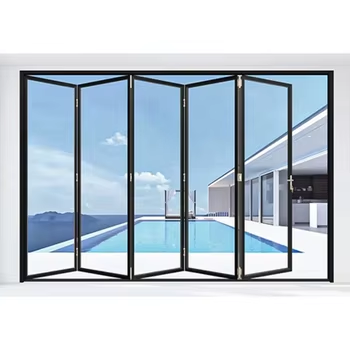
Commercial spaces demand functional, durable, and aesthetically versatile design solutions. A folding door represents one of the most innovative architectural choices for businesses seeking to maximize usable space while maintaining visual appeal and operational flexibility. Whether in retail storefronts, office partitions, hospitality venues, or industrial facilities, the right folding door can transform how a space functions and feels to customers and employees alike.
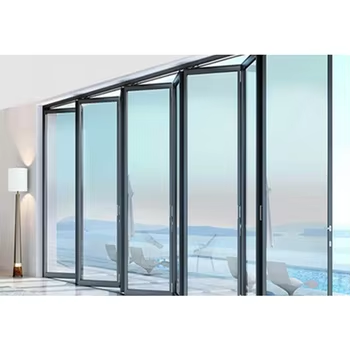
Selecting the appropriate folding door for commercial applications requires understanding how design variations impact durability, accessibility, maintenance, and the overall user experience. Commercial environments experience higher traffic volumes, varied weather exposure, and stricter compliance requirements than residential settings. A well-chosen folding door not only meets these demands but also creates a professional impression and supports long-term operational efficiency.
Aluminum Folding Doors for Retail and Storefront Applications
Why Aluminum Frames Dominate Commercial Folding Door Solutions
Aluminum framing has become the industry standard for commercial folding door installations due to its exceptional strength-to-weight ratio, corrosion resistance, and clean aesthetic appeal. Commercial retailers and businesses favor aluminum folding door systems because they withstand frequent opening and closing cycles while maintaining structural integrity under demanding conditions. The metal's natural resistance to rust and weathering makes a folding door constructed from aluminum ideal for storefronts exposed to moisture, salt air, or temperature fluctuations.
The lightweight nature of aluminum also means that a folding door operated manually requires minimal physical effort from users, while motorized folding door systems consume less energy. This efficiency translates directly to reduced operational costs and improved accessibility for staff managing customer flow during peak business hours. Additionally, aluminum frames can be finished in various powder-coat colors and anodized surfaces, allowing a folding door to complement any commercial brand identity or architectural style.
Glass Integration in Commercial Folding Door Designs
Modern commercial folding door applications frequently feature extensive glazing, combining large glass panels with aluminum frames to create transparent, light-filled spaces. This design approach allows retail businesses to showcase merchandise while maintaining an open, inviting appearance. A folding door incorporating tempered glass provides safety, durability, and clarity that enhances customer experience and brand perception in high-traffic commercial zones.
The integration of insulated glass units within a folding door frame improves thermal performance, reducing heating and cooling losses in climate-controlled commercial environments. This feature is particularly valuable in hospitality settings, office buildings, and retail spaces where energy efficiency directly affects operational profitability. A folding door with high-performance glazing also provides acoustic benefits, reducing outside noise intrusion and creating quieter interior environments.
Space Optimization and Operational Flexibility
Accordion-Style Folding Door Configurations for Open Layouts
Accordion folding door systems allow commercial spaces to transition seamlessly between open and enclosed configurations. This adaptability proves invaluable in office environments where conference rooms, training spaces, and collaborative zones must adjust throughout the day. A folding door that accordion-style folds completely against one wall creates unobstructed sightlines and open floor plans when maximum space is needed, then quickly closes to provide privacy and sound isolation when required.
Event venues, hospitality establishments, and multi-functional commercial spaces particularly benefit from accordion folding door flexibility. Whether hosting large gatherings requiring a unified space or dividing areas for simultaneous events, a folding door system enables rapid reconfiguration without permanent construction. This operational adaptability extends the functional capacity of commercial real estate, allowing businesses to serve multiple purposes and revenue streams from a single investment.
Bi-Fold and Multi-Panel Folding Door Arrangements
Bi-fold folding door systems feature two panels that fold back against adjacent walls, ideal for commercial applications where space constraints limit traditional swing-door clearance. This folding door configuration maximizes usable floor area while maintaining full-height opening capability. Retail storefronts frequently employ bi-fold folding door designs to eliminate barriers between indoor and outdoor merchandise displays, creating weather-protected outdoor shopping experiences that drive customer engagement.
Multi-panel folding door arrangements extend this concept, allowing commercial spaces to open or close larger apertures with precise control. A folding door incorporating four, six, or eight panels can span entire walls, transforming rigid commercial architecture into dynamic, responsive environments. These folding door configurations prove particularly effective in restaurants with outdoor seating areas, where seasonal weather changes require flexible perimeter control without compromising visual connection between indoor and outdoor zones.
Durability, Safety, and Commercial Compliance Standards
Weather-Resistant Sealing Systems in Commercial Folding Doors
Commercial folding door applications demand robust weather-sealing to prevent water infiltration, air leakage, and thermal loss in demanding external exposures. High-quality folding door systems incorporate compression gaskets, brush seals, and specialized hinge designs that maintain watertight integrity through thousands of operational cycles. The choice of sealing materials directly impacts the longevity and performance of a folding door in commercial environments experiencing regular weather exposure.
Smooth hinge mechanisms represent another critical aspect of durable commercial folding door performance. Premium folding door hinges feature precision bearings, reinforced pivot points, and hydraulic damping that prevent binding, jamming, and premature wear. This engineering ensures that a folding door continues operating smoothly regardless of traffic volume or environmental stress, reducing maintenance requirements and extending the overall service life of the commercial installation.
Safety Features and Regulatory Compliance for Commercial Folding Doors
Commercial applications require folding door systems compliant with building codes, accessibility standards, and safety regulations governing public spaces. This includes fire-rated materials, emergency egress requirements, and ADA-compliant operation specifications that a folding door must satisfy. Commercial building departments typically conduct rigorous inspections of folding door installations to verify compliance before occupancy approval.
Safety features integral to commercial folding door design include automatic closing mechanisms, pinch-point guards, and break-resistant glazing that prevent injuries during normal operation. Weight distribution along a folding door's hinge line must be carefully engineered to prevent tipping or collapse. Motorized folding door systems require integrated safety sensors, emergency manual override functions, and soft-start controls that prioritize user safety in high-traffic commercial environments where unpredictable interactions with the system occur frequently.
FAQ
What distinguishes a commercial-grade folding door from a residential folding door?
Commercial-grade folding door systems are engineered for higher cycle counts, featuring reinforced hinges, premium sealing systems, and compliance with stringent building codes. A folding door designed for commercial use typically incorporates heavier gauge materials, more sophisticated damping mechanisms, and safety features required by public building standards. Residential folding door applications experience lower traffic volumes and less demanding environmental exposure, allowing lighter-duty construction that would be inadequate in commercial settings.
Can a folding door effectively reduce noise between commercial spaces?
A folding door incorporating acoustic sealing materials and insulated glass panels can significantly reduce sound transmission between commercial zones. The effectiveness depends on panel thickness, gasket quality, and the frequency range of noise being blocked. While a folding door provides better acoustic performance than open partitions, it typically cannot match the sound isolation of permanent walls, but it offers superior flexibility and visual connection that justify the acoustic compromise in many commercial applications.
What maintenance requirements does a commercial folding door system demand?
A folding door system requires regular cleaning of glass surfaces, inspection of hinge mechanisms for debris or wear, and periodic lubrication of moving components. Commercial environments with higher traffic volumes necessitate more frequent maintenance than typical residential applications. Annual professional inspections of a folding door's structural integrity, sealing systems, and operational mechanisms help identify potential issues before they escalate into costly repairs or safety concerns.