 EN
EN

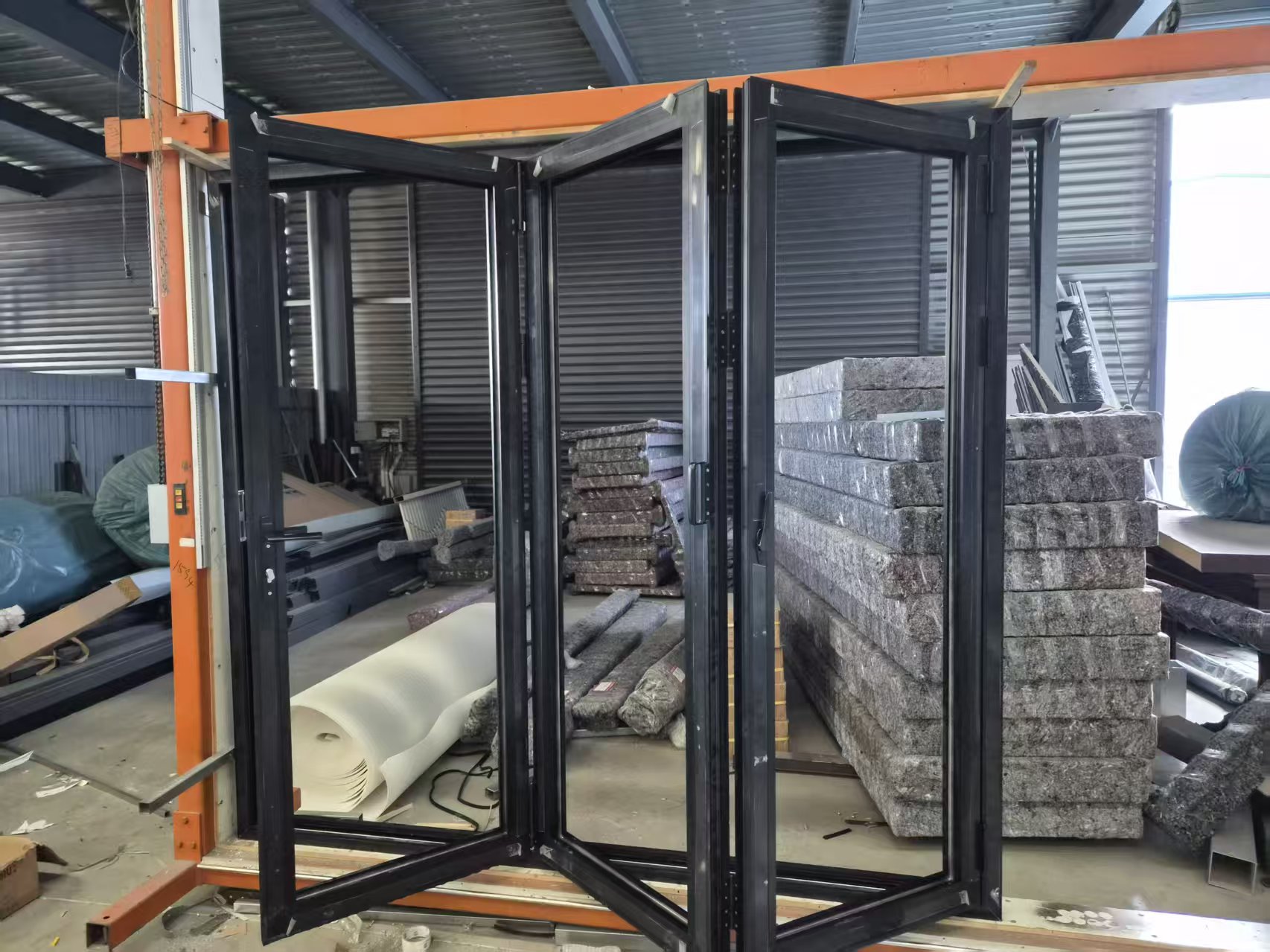
A well-maintained folding door is essential for smooth operation and longevity in both residential and commercial spaces. The folding door system depends heavily on its track components, which bear the weight and friction of daily use. Over time, dust, debris, and wear accumulate within the folding door tracks, causing resistance, noise, and potential damage to the entire assembly. Understanding how to maintain folding door tracks properly can prevent costly repairs and extend the functional life of your folding door installation by years.
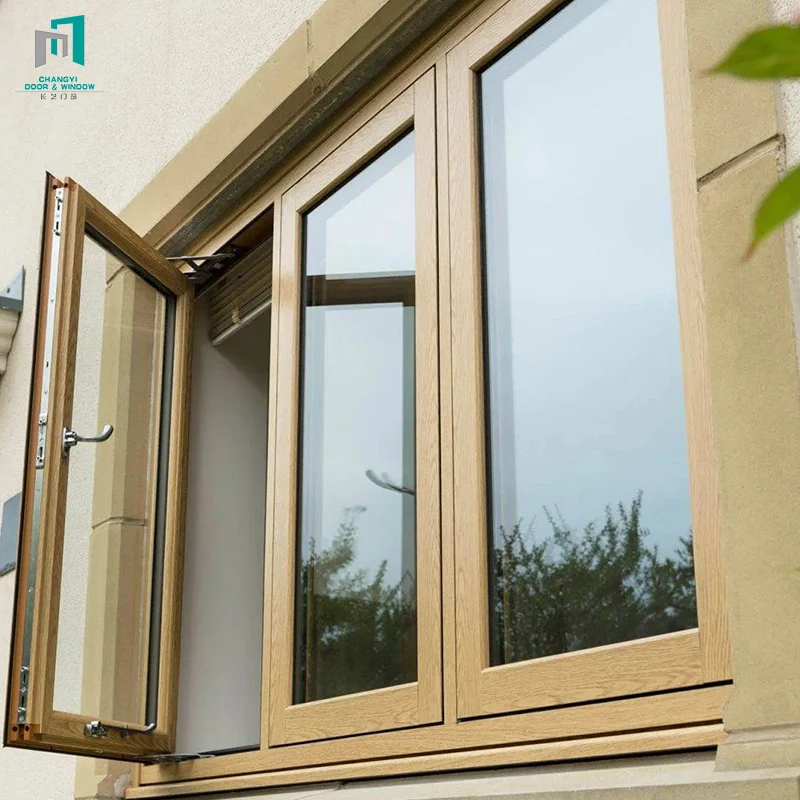
Regular maintenance of your folding door tracks is not complicated, but it does require consistency and attention to detail. Whether your folding door is aluminum, vinyl, or composite material, the track system operates on the same mechanical principles and needs similar care routines. By implementing a structured maintenance schedule, you can keep your folding door functioning smoothly, reduce operational noise, and avoid emergency repairs that disrupt your space and your budget.
Understanding Folding Door Track Components
Key Parts of the Folding Door System
The folding door track consists of several critical components that work together to enable smooth operation. The upper and lower tracks form the guide rails that direct the folding door panels as they open and close. Within these tracks sit rollers or wheels that support the weight of the folding door and reduce friction during movement. The folding door also includes pivot points, latches, and guide brackets that stabilize the panels and keep them aligned. Each of these components relies on clean, well-lubricated tracks to function properly, making track maintenance the foundation of folding door longevity.
How Tracks Experience Wear
Folding door tracks accumulate dirt, dust, sand, and debris from daily foot traffic and environmental exposure. Moisture intrusion can cause the folding door tracks to corrode or swell, especially in humid climates or near coastal areas. The repeated motion of the folding door panels creates microscopic wear patterns in the track surfaces, which accelerate if debris is present. Paint or coating deterioration on metal folding door tracks can expose bare material to oxidation. Over months and years, neglected folding door tracks can develop flat spots, bent sections, or misaligned grooves that prevent smooth folding door operation.
Essential Cleaning and Inspection Procedures
Regular Cleaning Schedule for Folding Door Tracks
Establish a monthly cleaning routine for your folding door tracks to prevent debris accumulation. Begin by vacuuming the upper and lower folding door tracks with a brush attachment to remove loose dust, pet hair, and surface debris. Use a dry cloth to wipe down the entire length of both folding door tracks, paying special attention to corners and crevices where dirt tends to collect. For visible grime or stubborn deposits, dampen a cloth with water and mild soap, then wipe the folding door tracks thoroughly. Never use harsh chemicals or abrasive scrubbers on aluminum or vinyl folding door tracks, as these can damage the protective coating and accelerate corrosion of the folding door system.
Detailed Inspection Techniques
Inspect your folding door tracks quarterly for signs of wear, corrosion, or misalignment that require attention. Run your fingers along the interior groove of both the upper and lower folding door tracks to feel for rough spots, burrs, or debris that visual inspection might miss. Check for visible rust, paint peeling, or discoloration on metal folding door tracks, which indicates moisture exposure or coating breakdown. Open and close the folding door slowly and listen for grinding, squeaking, or catching sounds that suggest track damage or obstruction. Look for gaps between the folding door panels and the frame, which may indicate that the track is bent or misaligned and needs professional assessment or repair.
Lubrication and Preventive Maintenance
Choosing the Right Lubricant for Folding Door Tracks
Proper lubrication is critical for maintaining smooth folding door operation and protecting the track components from friction damage. Silicone-based lubricants are ideal for folding door tracks because they repel dust and debris, reducing contaminant buildup inside the folding door system. Avoid using WD-40 or petroleum-based oils on folding door tracks, as these attract dust and can leave sticky residue that worsens performance over time. For aluminum or painted folding door tracks, use dry lubricants or PTFE-based products designed for metal surfaces and folding door systems. Test any lubricant on a hidden section of your folding door track first to ensure it does not discolor the material or leave permanent marks.
Application Methods and Frequency
Apply lubricant to your folding door tracks every six months or more frequently in high-use environments or humid climates. Spray a thin, even coat of silicone lubricant along the entire length of both the upper and lower folding door tracks. Wipe away excess lubricant with a clean cloth to prevent dust attraction and maintain a neat appearance of the folding door frame. Work the lubricant into the folding door track by opening and closing the folding door several times, which distributes the product evenly and activates its protective properties. Reapply lubricant more frequently—quarterly instead of biannually—if your folding door experiences heavy daily use, exposure to salt air, or operation in dusty environments where the folding door tracks receive extra stress.
Addressing Common Folding Door Track Issues
Misalignment and Jamming Problems
If your folding door sticks or jams during operation, misaligned tracks are often the culprit and require immediate attention. Check whether the upper and lower folding door tracks are parallel by placing a level against each track independently. Use adjustable brackets or shims to realign the folding door tracks if they have shifted due to settling or impact damage. For minor binding, apply lubricant first and operate the folding door repeatedly before assuming the tracks are bent, as lubrication often resolves temporary sticking in folding door systems. If realignment does not solve the problem, the folding door tracks may be permanently bent and require professional replacement to restore full functionality.
Noise Reduction and Smooth Operation
Squeaking, grinding, or rattling sounds from your folding door indicate that track maintenance has been neglected or that components have begun to wear. Thorough cleaning combined with proper lubrication eliminates most noise issues in folding door systems, as debris and friction are the primary causes. If the folding door still produces noise after cleaning and lubrication, inspect the rollers and hinges for wear or damage that may require component replacement. Tighten any loose bolts or brackets on the folding door frame and tracks, as vibration from loose fasteners commonly causes rattling. Document the specific noise type and when it occurs to help a technician diagnose the issue if DIY maintenance does not resolve the problem with your folding door tracks.
Seasonal and Climate-Specific Maintenance
Winter and Wet Climate Care
Cold weather and moisture present unique challenges for folding door track maintenance and require adjusted care routines. In winter, snow and salt spray can penetrate folding door tracks and accelerate corrosion of metal components within the folding door system. After winter storms, inspect and clean the folding door tracks thoroughly to remove salt residue and prevent long-term damage. In wet climates, apply water-repellent lubricants to folding door tracks and ensure drainage holes at the base of the tracks remain clear to prevent standing water. During humid seasons, monitor your folding door more frequently for rust or discoloration, and consider quarterly instead of biannual lubrication to maintain the folding door's weather resistance.
Dry Climate and UV Exposure
Arid environments and intense sun exposure stress folding door tracks through material brittleness and coating degradation. UV radiation can weaken the protective finish on aluminum or vinyl folding door tracks, making them more susceptible to corrosion and mechanical wear. In dry climates, apply UV-protective coatings or paints to metal folding door tracks every two to three years to maintain their integrity. Dust storms and sand can scratch the folding door track surfaces and embed particles that damage rollers during operation. Increase cleaning frequency to monthly or even bi-weekly in desert or sandy environments to keep your folding door tracks free from abrasive debris and operating smoothly.
Professional Maintenance and When to Seek Help
Recognizing When Professional Service Is Needed
Some folding door track issues exceed the scope of routine homeowner maintenance and require professional expertise. If the folding door tracks are visibly bent, cracked, or severely corroded despite your maintenance efforts, a professional assessment is necessary to determine whether repair or replacement is cost-effective. Persistent operational problems after thorough cleaning and lubrication suggest that internal damage, roller wear, or structural issues may be present in the folding door system. Strange noises that worsen over time, uneven resistance during operation, or visible gaps between panels indicate that professional diagnosis of the folding door tracks is warranted. Attempting to force a malfunctioning folding door or ignore warning signs can cause additional damage that increases repair costs significantly.
Documentation and Long-Term Planning
Maintain a maintenance log for your folding door that records cleaning dates, lubrication schedules, and any issues observed with the folding door tracks. This documentation helps you identify patterns, forecast when professional service may be needed, and demonstrate care history if warranty claims arise for your folding door. Photograph any damage or unusual wear on the folding door tracks to have a reference for conversations with maintenance professionals. Consider scheduling professional inspection of your folding door tracks annually, especially if the system is older or subject to heavy use, to catch developing problems early. A folding door track that receives proactive care will serve reliably for decades, making preventive maintenance the most cost-effective long-term strategy.
FAQ
How often should I clean my folding door tracks?
Clean your folding door tracks monthly under normal conditions to prevent debris accumulation. In high-traffic areas, dusty environments, or humid climates, increase cleaning frequency to bi-weekly or weekly. Regular cleaning of folding door tracks prevents the buildup that causes operational problems and extends the life of the system significantly.
What lubricant works best for aluminum folding door tracks?
Silicone-based lubricants or PTFE-based dry lubricants are ideal for aluminum folding door tracks because they provide protection without attracting dust. Avoid petroleum-based oils on folding door tracks, as these create sticky residue that traps contaminants. Always test lubricant on a hidden area of your folding door first to ensure it does not discolor the material.
Can I fix misaligned folding door tracks myself?
Minor misalignment of folding door tracks can sometimes be corrected using adjustable brackets and a level, but severe bending typically requires professional replacement. Try lubricating the folding door tracks first, as binding often resolves with proper lubrication. If the folding door still jams after cleaning and lubrication, consult a professional to assess whether the folding door tracks can be salvaged or need replacement.