 EN
EN

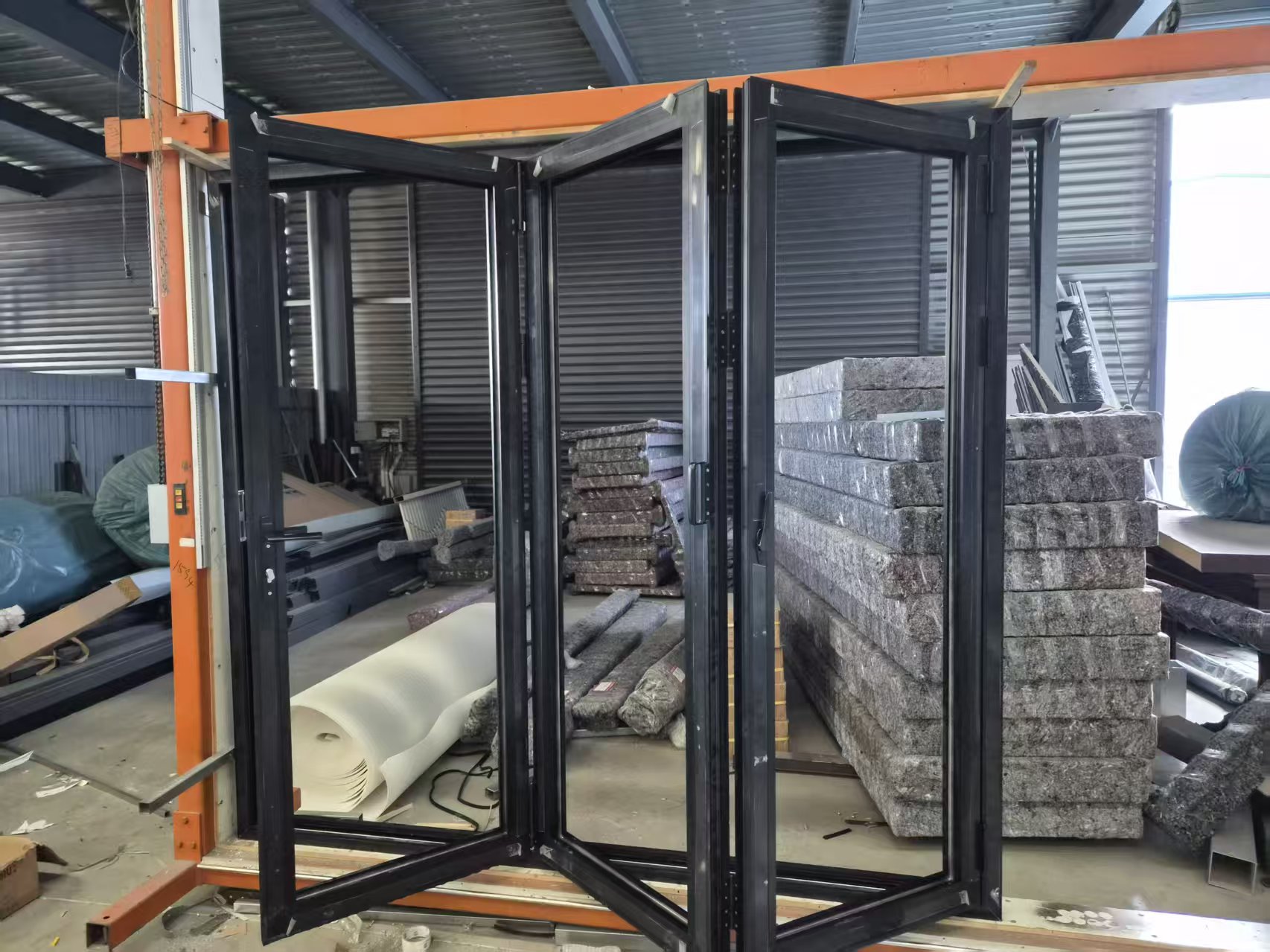
Selecting the right folding door requires careful evaluation of multiple technical and practical factors that directly impact long-term performance, maintenance costs, and user satisfaction. Whether you are sourcing folding doors for residential renovation, commercial construction, or industrial applications, understanding the key decision criteria will help you avoid costly mistakes and ensure the system meets your exact operational requirements. A folding door is more than just an architectural feature; it is a functional system that must balance aesthetics, durability, weather protection, and ease of use across years of daily operation.
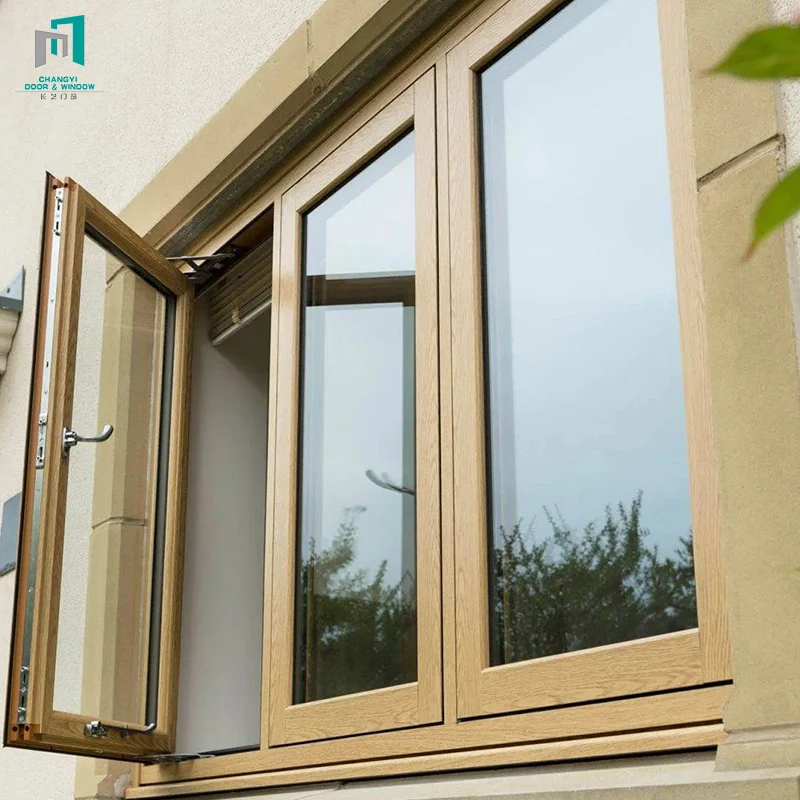
When buyers source a folding door system, they must evaluate material composition, frame strength, thermal efficiency, weather sealing integrity, and hardware reliability as interconnected components of a complete assembly. The folding door market offers multiple material options, profile designs, and operational mechanisms, each with distinct advantages and trade-offs. This guide walks you through the essential considerations that separate high-quality folding door solutions from those prone to early failure, drafts, and operational issues.
Material Quality and Frame Durability
Choosing Between UPVC, Aluminum, and Hybrid Frame Materials
The frame material of your folding door directly influences its lifespan, maintenance requirements, and resistance to environmental stresses. UPVC frames offer excellent thermal insulation and corrosion resistance, making them ideal for climate-controlled environments and moderate-traffic applications. Aluminum frames provide superior structural strength and a slimmer profile, though they require thermal breaks to prevent heat transfer. When sourcing a folding door, verify that the chosen material matches your climate zone, UV exposure level, and operational frequency to ensure long-term durability without premature degradation or thermal bridging issues.
Hybrid frame designs combine multiple materials to optimize performance across competing demands. A folding door with aluminum exteriors and UPVC interiors balances weather durability with thermal efficiency. Request material certifications and weathering test reports from suppliers before finalizing your folding door order. Confirm that frame profiles meet or exceed industry standards for structural rigidity, preventing sagging, warping, or panel misalignment over time.
Glass and Panel Specifications for Optimal Performance
Glass thickness, lamination, and tempering directly affect the safety, sound reduction, and thermal performance of your folding door system. Tempered glass resists impact and thermal shock better than annealed glass, reducing breakage risk in high-traffic or climate-variable locations. When evaluating a folding door, specify minimum glass thickness of 5mm for residential applications and 6mm to 8mm for commercial or industrial settings where impact resistance is critical. Laminated glass in a folding door adds structural integrity and safety; if breakage occurs, the glass fragments remain bonded to the plastic interlayer rather than scattering dangerously.
Double or triple glazing in a folding door improves thermal efficiency and sound attenuation, though it increases weight and hardware demands. Confirm that your chosen folding door design includes appropriate low-emissivity coatings and noble gas fills if thermal performance is a priority. Panel material transparency, tint options, and reflectivity should align with privacy and solar-control requirements specific to your installation location.
Thermal Performance and Weather Sealing Integrity
Thermal Insulation and Condensation Prevention in Folding Doors
A folding door's thermal resistance rating (U-value) determines its ability to maintain interior temperature control and prevent energy loss. Lower U-values indicate better insulation; modern high-performance folding door systems typically achieve U-values between 1.0 and 1.5 W/m²K. When sourcing a folding door for heated or cooled spaces, request the thermal performance data and verify that thermal breaks in frame profiles are continuous and not compromised by metal fasteners or structural junctions. Condensation occurs when warm interior air contacts cold folding door surfaces; superior sealing and insulation minimize this risk, protecting interior furnishings and preventing mold growth.
Folding door systems in cold climates require extra attention to glazing layer separation and frame material selection. Ensure your folding door specification includes edge-spacer technology that maintains consistent spacing between glass panes, preventing premature seal failure. Multi-chambered UPVC or thermally-broken aluminum in a folding door provides superior condensation resistance compared to basic single-chamber designs.
Weather Sealing, Gasket Selection, and Water Tightness
Water infiltration is one of the most common causes of folding door failure and interior water damage. A properly sealed folding door incorporates multiple gasket layers, drainage channels, and pressure-equalization design to manage wind-driven rain without allowing water into the interior space. When sourcing a folding door, verify that the supplier specifies gasket materials, their replacement intervals, and the folding door's tested water tightness classification (typically ranging from Class 1 to Class 9A per building standards).
The folding door design must include concealed drainage paths that direct any water ingress to the exterior, preventing pooling or moisture accumulation inside the frame cavity. Inspect the folding door specification for weep holes, sill design, and threshold configuration that facilitate proper drainage. High-quality gaskets in a folding door are typically replaced every 5-10 years; budget for this maintenance and confirm availability with your supplier before committing to a folding door purchase.
Hardware Reliability and Operational Smoothness
Hinge, Track, and Locking System Evaluation
The mechanical reliability of folding door hardware determines user satisfaction and long-term operational performance. Hinges and track systems must support full-panel weight while maintaining smooth, quiet operation through thousands of open-close cycles. When evaluating a folding door, request hardware specifications including weight capacity, material composition, and expected service life under typical and heavy-use scenarios. Stainless steel or powder-coated steel hardware in a folding door resists corrosion and maintains performance across humid or coastal environments better than uncoated alternatives.
Locking mechanisms in a folding door must be secure, weather-sealed, and operable by intended users without excessive force. Multi-point locking in a folding door distributes load across multiple engagement points, enhancing security and preventing warping or panel misalignment from concentrated stress. Test the folding door operation personally before finalizing supply agreements; smooth, quiet operation with consistent resistance indicates quality hardware and proper assembly alignment.
Maintenance Requirements and Hardware Serviceability
A folding door's long-term cost of ownership depends not only on initial purchase price but also on maintenance demands and spare-parts availability. Request detailed maintenance schedules from your folding door supplier, including lubrication intervals, gasket replacement procedures, and hardware adjustment protocols. Confirm that replacement components for your folding door are readily available through the manufacturer or authorized distributors, preventing extended downtime if repairs become necessary.
Some folding door systems incorporate self-lubricating tracks or sealed-bearing hinges that reduce maintenance burden compared to traditional designs requiring regular oiling. Inquire whether your folding door includes such features and verify warranty coverage for hardware failures. A folding door sourcing decision that ignores maintenance accessibility often results in expensive service calls or costly panel replacements when minor issues could have been resolved with appropriate component inventory.
FAQ
What is the typical lifespan of a quality folding door?
A well-maintained folding door constructed from quality materials and properly installed typically lasts 20-30 years. The folding door's actual longevity depends on environmental exposure, usage frequency, and adherence to recommended maintenance schedules. UV damage, salt-air corrosion, and accumulated weathering can shorten folding door lifespan if the system lacks appropriate material protection or thermal stability. Regular gasket replacement, hardware lubrication, and weatherseal inspection extend folding door performance well into decades of service.
How do I verify that a folding door meets energy-efficiency standards for my region?
Request the folding door supplier provide third-party thermal testing data and confirmation that the system meets or exceeds your region's building energy codes. The folding door's U-value rating, solar heat gain coefficient, and visible transmittance specifications should be documented and compared against mandatory performance thresholds. Many regions require folding door systems to achieve specific ENERGY STAR or equivalent certifications; verify compliance before finalizing your purchase order to avoid code violations and potential retrofit costs.
What distinguishes a commercial-grade folding door from a residential one?
Commercial-grade folding doors incorporate heavier-gauge materials, reinforced hinges, and hardware rated for higher cycle counts and load demands compared to residential folding door systems. A commercial folding door is engineered to withstand frequent operation in high-traffic environments while maintaining consistent performance and minimal maintenance requirements. Residential folding door systems are typically lighter, more cost-effective, and optimized for moderate use in controlled environments, whereas commercial folding door designs prioritize durability and reliability under intensive daily operation.