 EN
EN

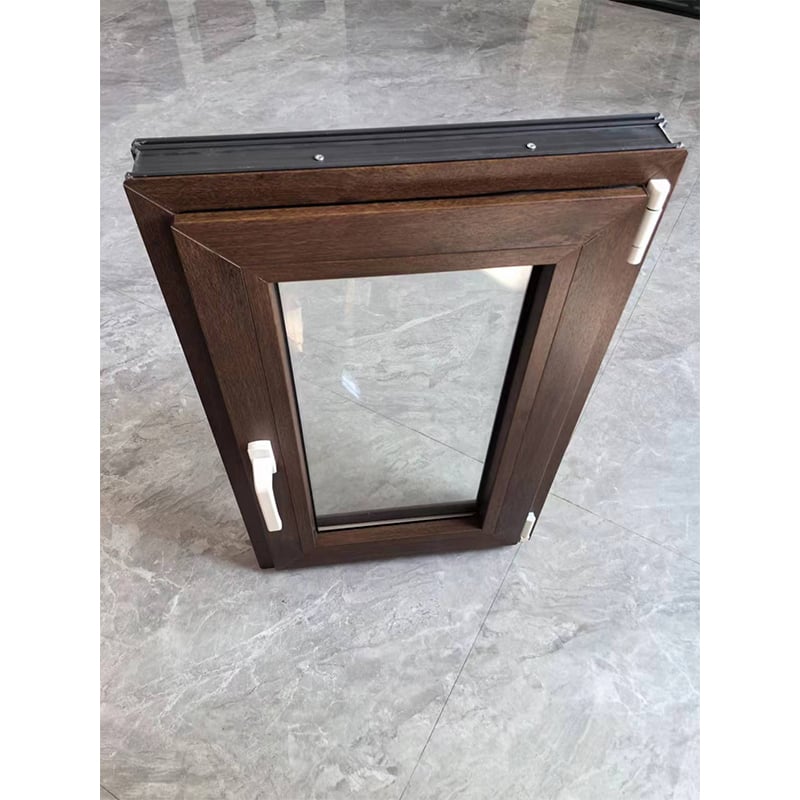
Modern construction demands materials that balance performance, sustainability, and cost-effectiveness. UPVC windows have emerged as a preferred choice for architects, builders, and property owners seeking reliable, long-lasting fenestration solutions. Understanding the key benefits of UPVC windows in modern construction helps stakeholders make informed decisions that enhance building performance and occupant comfort while managing lifecycle costs effectively.
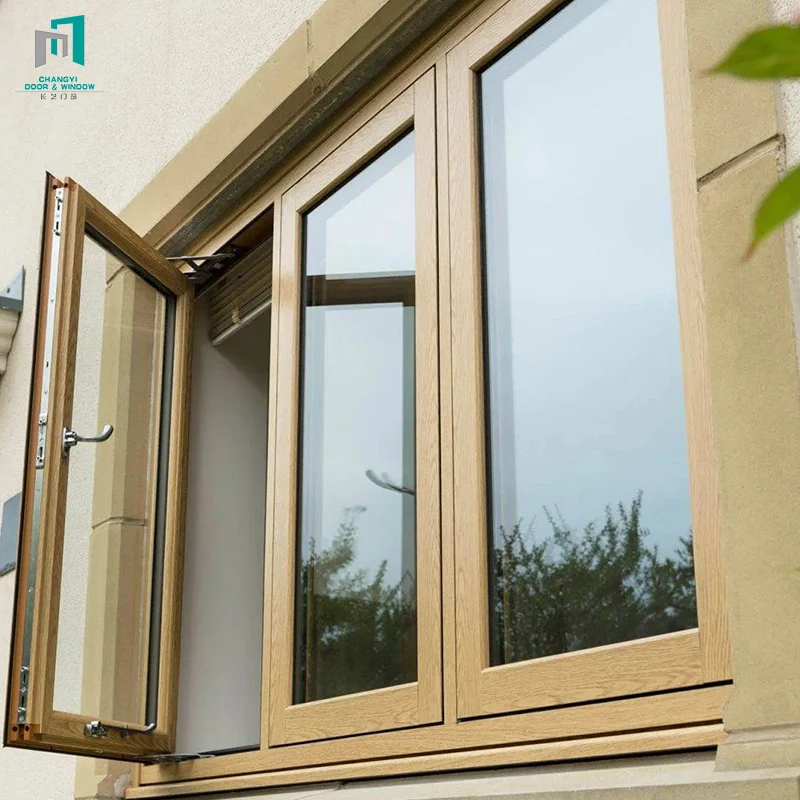
The adoption of UPVC windows in modern construction reflects a broader industry shift toward materials that deliver measurable environmental and economic advantages. UPVC windows combine proven performance characteristics with design flexibility, making them suitable for residential, commercial, and institutional projects across diverse climate zones. This article explores the primary benefits of UPVC windows and why modern construction professionals increasingly specify them in new builds and renovation projects.
Energy Efficiency and Thermal Performance
Superior Insulation Properties
UPVC windows deliver exceptional thermal insulation due to their multi-chamber design and low thermal conductivity. The material structure of UPVC windows includes multiple air-filled cavities that resist heat transfer, reducing heating and cooling loads on building systems. Modern UPVC windows, when paired with low-emissivity glass and insulated spacers, achieve U-values well below industry standards, directly lowering energy consumption and utility bills for property owners.
Climate Control and Comfort
Consistent indoor temperatures depend on effective window performance, particularly in extreme climate zones. UPVC windows maintain stable interior conditions by minimizing thermal bridging and air infiltration compared to traditional materials. Residents and workers in buildings with UPVC windows experience improved comfort levels, reduced temperature fluctuations, and lower reliance on mechanical heating and cooling systems. The thermal mass advantage of UPVC windows contributes to passive heating and cooling strategies valued in sustainable building design.
Durability, Maintenance, and Cost Benefits
Longevity and Minimal Degradation
UPVC windows resist weathering, UV exposure, and chemical degradation far better than many competing materials. The inherent stability of UPVC windows prevents warping, cracking, and color fading even after decades of exposure to harsh environmental conditions. Building owners benefit from extended service life, often exceeding 40 years with minimal maintenance, reducing the frequency and expense of window replacements over the building's operational lifetime.
Low Maintenance Requirements
Unlike wood windows requiring regular painting and sealing, UPVC windows need only occasional cleaning with mild soap and water. The non-porous surface of UPVC windows resists moisture absorption, mold growth, and pest infiltration, eliminating many maintenance tasks associated with traditional fenestration. Facility managers appreciate the reduced labor and material costs associated with maintaining UPVC windows, translating to lower total cost of ownership for institutional and commercial properties.
Sustainability and Environmental Performance
Material Efficiency and Recycling
UPVC windows contribute to sustainable construction through their resource efficiency and recyclability. The manufacturing process for UPVC windows requires less energy than producing alternative materials, reducing embodied carbon in building envelopes. End-of-life UPVC windows can be recovered and reprocessed into new products, supporting circular economy principles and reducing landfill waste. Builders selecting UPVC windows demonstrate commitment to environmental stewardship while maintaining performance standards.
Thermal Performance Impact on Building Emissions
Energy savings realized through upvc windows directly reduce operational greenhouse gas emissions from buildings. Over a 40-year lifecycle, UPVC windows installed in a typical commercial building generate far greater energy savings than the embodied emissions from manufacturing and transport. This dynamic environmental advantage positions UPVC windows as a practical choice for meeting building performance standards, regulatory compliance requirements, and corporate sustainability commitments.
Design Flexibility and Aesthetic Integration
Customization and Style Options
Modern UPVC windows accommodate diverse architectural styles through color, finish, and profile variations. The versatility of UPVC windows allows architects to achieve contemporary minimalist designs, traditional period aesthetics, or custom specifications matching unique project requirements. UPVC windows maintain consistent appearance and performance across large installations, supporting cohesive building facades and unified design intent.
Acoustic and Security Performance
UPVC windows provide effective sound insulation, reducing external noise transmission into buildings located near traffic, airports, or industrial facilities. The acoustic properties of UPVC windows enhance interior environments for occupants requiring quiet, focused workspaces. Multi-point locking systems integrated into UPVC windows improve building security, deterring unauthorized entry and reducing insurance liabilities. These secondary benefits of UPVC windows address important concerns for residential and commercial property owners seeking comprehensive performance solutions.
FAQ
How do UPVC windows compare to traditional materials in terms of thermal performance?
UPVC windows outperform traditional wood and metal windows in thermal insulation because of their multi-chambered construction and low thermal conductivity. Modern UPVC windows achieve U-values of 1.2 to 1.6 W/m²K, significantly better than aluminum windows, resulting in measurable reductions in heating and cooling costs. The superior thermal performance of UPVC windows makes them preferred for energy-conscious building projects and climate zones with extreme temperatures.
What is the typical lifespan of UPVC windows in commercial buildings?
UPVC windows typically remain functional for 40 to 50 years or longer in commercial applications when properly maintained and installed. The durable nature of UPVC windows means most commercial buildings equipped with UPVC windows will not require replacement over their typical 30 to 40-year operational lifecycle. This extended lifespan significantly reduces lifecycle costs and minimizes disruptions from window replacements in occupied commercial properties.
Are UPVC windows suitable for all climate zones and building types?
UPVC windows perform reliably across diverse climate zones, from cold northern regions to hot coastal environments. The stability of UPVC windows across temperature extremes and UV exposure makes them suitable for residential, commercial, institutional, and industrial building types. Designers should select appropriate glass packages and hardware specifications based on specific climate conditions, but UPVC windows as a material category provide versatile performance for virtually any construction application.