 EN

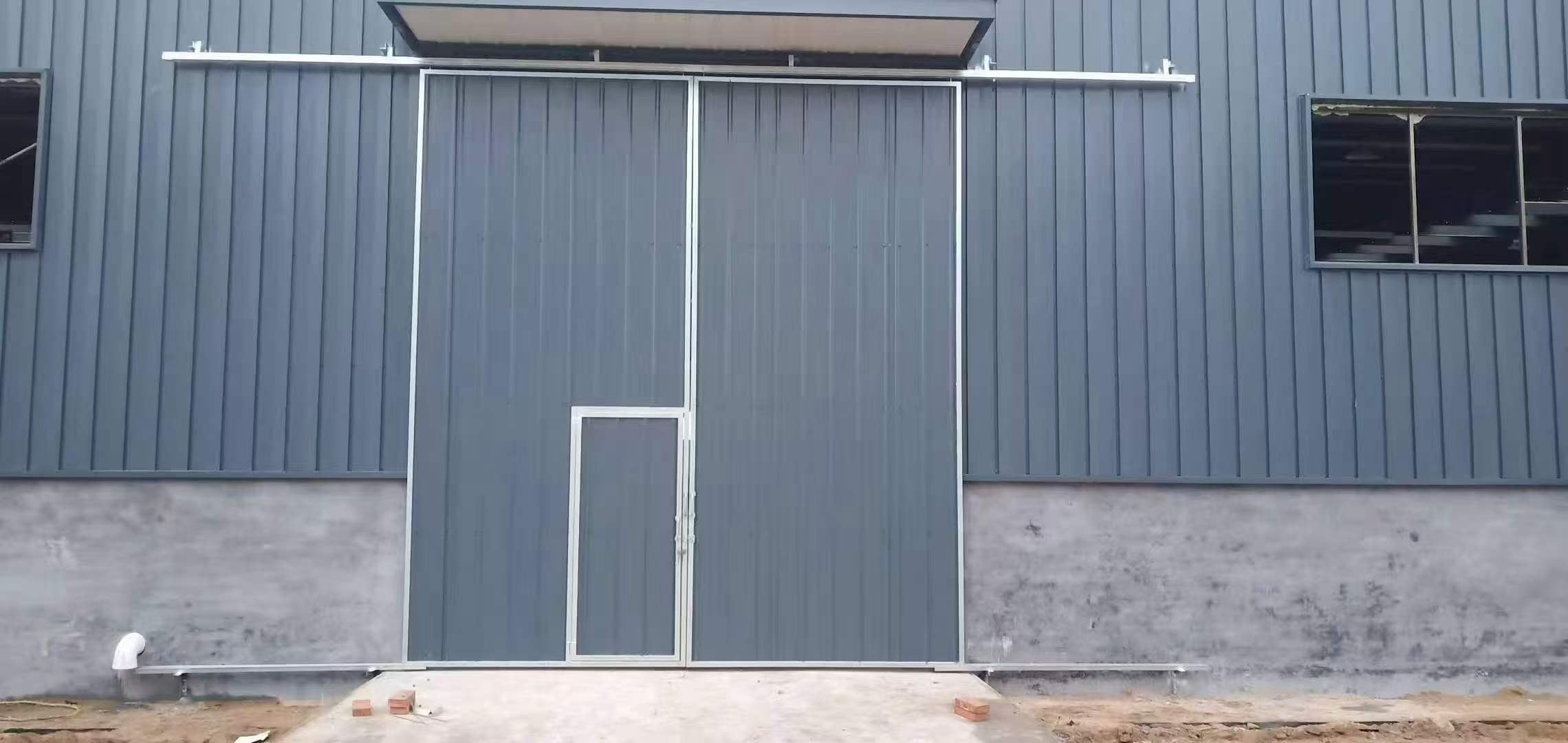
Factory operations depend on reliable infrastructure, and the industrial door stands as one of the most critical components in modern manufacturing environments. An industrial door serves far beyond simple entry and exit functions—it forms a fundamental part of facility management, worker safety, operational efficiency, and energy management. Understanding the benefits of an industrial door helps facility managers and plant directors make informed investment decisions that directly impact productivity, costs, and compliance with safety regulations.
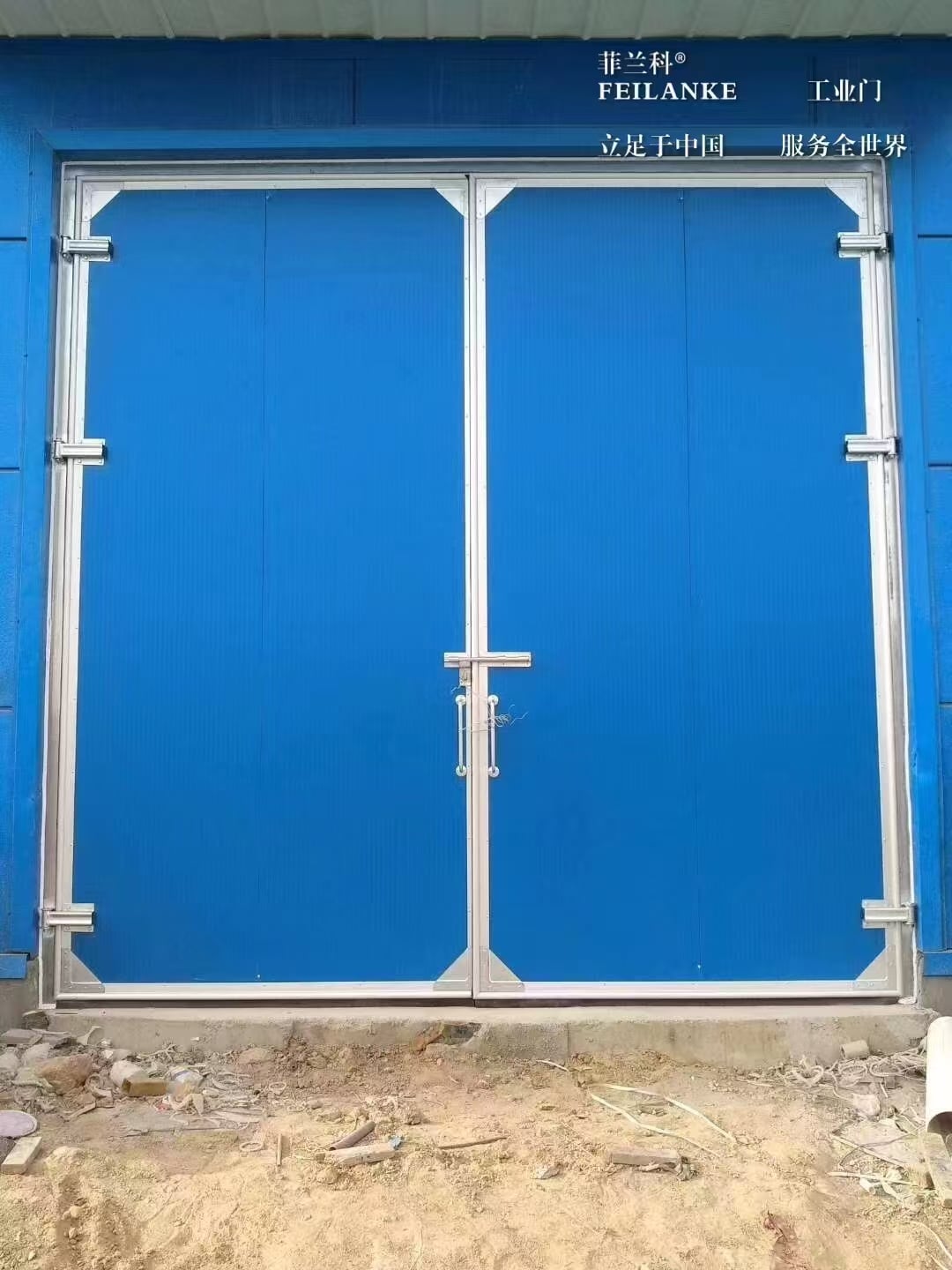
The selection and installation of an industrial door can transform how factories operate on a daily basis. Quality industrial door solutions reduce unplanned downtime, protect inventory and equipment, maintain environmental control, and create safer working conditions. This article explores the tangible benefits of industrial door systems and explains why investing in the right industrial door solution delivers measurable returns across safety, efficiency, and long-term operational success.
Enhanced Safety and Worker Protection
Preventing Accidents and Injuries
A properly functioning industrial door prevents accidents that can result in serious injuries or fatalities on the factory floor. An industrial door equipped with advanced safety features—such as emergency stops, sensors that detect movement, and reinforced construction—protects workers from pinch points, crushing hazards, and uncontrolled door operation. High-speed industrial door designs include protective mechanisms that prevent sudden closures, ensuring that personnel remain safe during normal operations and emergency situations alike.
Industrial door safety systems also reduce liability exposure for facility operators. When an industrial door meets or exceeds industry safety standards, plants demonstrate compliance with OSHA regulations, local building codes, and worker protection guidelines. This compliance protects both employees and company leadership from legal consequences and reduces workers' compensation claims related to door-related incidents.
Fire Safety and Emergency Response
An industrial door designed with fire-resistant materials and automatic closure mechanisms provides critical fire containment during emergencies. When a fire breaks out, specialized industrial door systems automatically activate, sealing compartments and preventing smoke and flames from spreading throughout the facility. This containment capability gives workers additional time to evacuate safely and allows emergency responders to control the situation more effectively.
Fire-rated industrial door installations also protect expensive equipment and inventory from heat damage. By containing fire to a specific zone, an industrial door minimizes financial losses and ensures business continuity. Insurance carriers often recognize the value of certified fire-rated industrial door systems through lower premiums, further justifying the investment.
Operational Efficiency and Productivity Improvements
Reducing Downtime and Maintenance Costs
An industrial door built from durable materials and engineered for heavy-duty use requires minimal maintenance and repairs compared to standard doors. Modern industrial door solutions utilize high-quality components, sealed mechanisms, and corrosion-resistant finishes that extend service life significantly. This reliability means factories experience fewer unexpected closures, less emergency repair costs, and more predictable maintenance schedules.
Rapid-cycle industrial door systems are especially valuable in fast-paced manufacturing environments. An industrial door that opens and closes in seconds rather than minutes dramatically increases throughput, reduces energy loss during material transfer, and improves workflow coordination between departments. Over a year, the cumulative time savings from an efficient industrial door system translate to measurable productivity gains and reduced labor costs.
Streamlining Material Flow and Access
Properly sized and positioned industrial door installations eliminate bottlenecks in material handling operations. An industrial door that accommodates large equipment, pallets, or vehicles without requiring multiple passes speeds up shipping, receiving, and inter-departmental transfers. This streamlined flow reduces congestion, minimizes handling damage, and allows operations teams to move goods more efficiently through the facility.
When an industrial door integrates with automated systems and production schedules, synchronization improves facility coordination. Workers spend less time waiting for access points to open, inventory moves faster, and equipment utilization increases. The cumulative effect of an optimized industrial door operation translates into higher throughput and faster order fulfillment.
Environmental Control and Energy Efficiency
Temperature and Climate Regulation
An industrial door with proper insulation properties maintains internal temperature control and reduces heating or cooling energy consumption. Facilities that manufacture temperature-sensitive products—such as pharmaceuticals, food processing, or electronics—depend on industrial door solutions that minimize thermal exchange. A well-insulated industrial door prevents climate-controlled zones from losing efficiency when personnel or equipment move between areas.
Modern industrial door designs incorporate weatherstripping, thermal breaks, and multi-layer construction that significantly reduce air infiltration. When an industrial door operates as part of an integrated climate control strategy, facilities achieve substantial energy savings, especially in large manufacturing environments where doors open and close frequently. Lower energy bills directly improve the bottom line and reduce the facility's carbon footprint.
Dust, Contaminant, and Noise Control
An industrial door serves as a physical barrier that contains dust, chemical vapor, and airborne contaminants within designated zones. In food production, pharmaceutical manufacturing, and electronics assembly, where contamination control is critical, an industrial door solution with proper seals and design prevents cross-contamination between production areas. This containment capability maintains product quality and protects worker health.
Sound insulation is another critical benefit of quality industrial door installations. An industrial door with noise-dampening materials reduces noise transmission from high-decibel manufacturing areas, creating healthier working conditions and improving worker focus and safety. Facilities with lower ambient noise levels typically experience fewer hearing-related injuries and higher employee satisfaction.
FAQ
What specific features should a high-quality industrial door have?
A high-quality industrial door should include durable construction materials, emergency safety features, weatherproofing seals, insulation properties, and compliance with local fire and safety codes. The industrial door should be sized appropriately for the facility's material handling needs and include automation capabilities if frequent operation is required. Professional installation ensures that the industrial door performs reliably and maintains all safety certifications throughout its service life.
How often does an industrial door require maintenance?
A well-manufactured industrial door typically requires minimal maintenance when operated within design specifications. The industrial door should undergo routine inspections quarterly to check for seal integrity, hinge lubrication, and sensor function. Most modern industrial door systems are designed to operate with annual maintenance visits, though heavily used doors in demanding environments may benefit from semi-annual inspections to ensure optimal performance and safety compliance.
Can an industrial door be retrofitted into an existing facility?
Yes, an industrial door can typically be retrofitted into existing facilities, though the installation process depends on the current doorway structure and facility layout. Professional installation teams assess the existing opening, structural integrity, and operational requirements to determine the best industrial door solution. Retrofitting an industrial door is often more cost-effective than facility redesign and can be completed with minimal production disruption when properly planned.