 EN

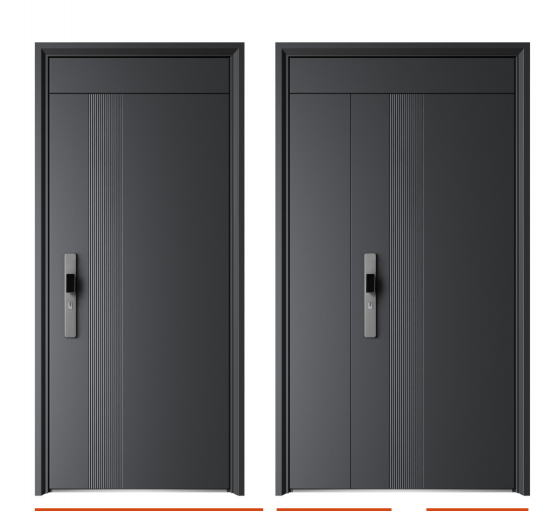
Selecting the right entrance door for a commercial building is a critical decision that impacts security, energy efficiency, aesthetics, and operational functionality. An entrance door serves as the first point of contact between your business and visitors, clients, and employees, making it essential to choose one that aligns with your building's specific requirements and long-term operational goals. The process of selecting an appropriate entrance door involves evaluating multiple factors including traffic volume, climate conditions, security needs, compliance standards, and budget constraints. Commercial buildings face unique demands that differ significantly from residential applications, requiring specialized knowledge to make an informed entrance door selection.
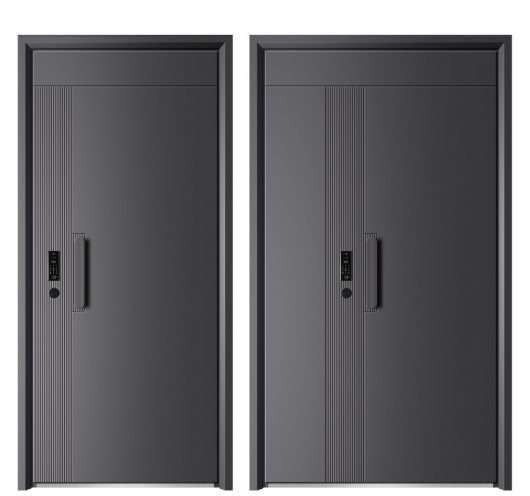
The right entrance door solution can enhance your building's operational efficiency while reducing maintenance costs and improving user experience. Whether you operate a retail establishment, office complex, hospitality venue, or industrial facility, understanding the key selection criteria for an entrance door ensures you invest in a system that delivers consistent performance over its lifespan. This comprehensive guide walks you through the essential decision-making framework for choosing an entrance door that meets your commercial building's unique needs.
Assessing Traffic Requirements and Operational Demands
Understanding Your Building's Traffic Patterns
Commercial buildings experience varying levels of foot traffic depending on their function and operating schedule. An entrance door must accommodate peak traffic periods without compromising security or requiring constant maintenance. High-traffic retail environments demand entrance door systems engineered for rapid cycling and durable hardware, while office buildings may prioritize different specifications based on employee density. Analyzing your building's typical traffic volume during peak hours helps determine the appropriate entrance door mechanism, whether manual swing doors, automatic sliding systems, or revolving doors. The operational demand directly influences the entrance door's durability rating, motor specifications, and component selection.
Evaluating Environmental and Climate Conditions
The geographic location and climate of your commercial building significantly influence entrance door performance and longevity. Buildings exposed to extreme temperatures, high humidity, coastal salt spray, or intense UV radiation require entrance door systems with specialized materials and protective finishes. An entrance door installed in a cold climate needs superior insulation to prevent heat loss and condensation, while one in a humid environment requires corrosion-resistant materials. Wind load considerations are critical for selecting an entrance door capable of withstanding structural pressures in exposed locations. Environmental factors should drive your entrance door material choice, whether aluminum alloy, steel, or composite construction.
Security and Access Control Integration
Selecting Security Features for Your Entrance Door
Security represents a fundamental consideration when choosing an entrance door for any commercial building. Your entrance door should feature robust locking mechanisms, tempered or laminated glass panels if applicable, and integration with your access control system. Modern entrance door solutions offer compatibility with keycard readers, biometric systems, and smart locks that enhance security while maintaining operational convenience. The frame construction and hardware quality of an entrance door directly impact its resistance to forced entry and tampering. Evaluating your building's security threat level helps determine whether your entrance door requires reinforced frames, security glazing, or emergency exit functionality.
Compliance with Safety and Building Codes
Commercial entrance door installations must comply with local building codes, fire safety regulations, and accessibility standards such as ADA requirements. An entrance door must provide appropriate egress during emergencies, which influences whether it requires panic hardware or automatic opening mechanisms. The width, threshold height, and opening force requirements for an entrance door are often mandated by regional regulations to ensure disabled access and rapid evacuation capability. Selecting a compliant entrance door protects your organization from liability issues and ensures safe operation for all users. Professional consultation during the entrance door selection process helps verify compliance before installation.
Energy Efficiency and Long-Term Operating Costs
Minimizing Energy Loss Through Door Selection
An energy-efficient entrance door significantly reduces heating and cooling costs by minimizing thermal transfer at the building perimeter. Modern entrance door systems feature insulated frames, low-emissivity glazing, and weatherstripping technologies that maintain indoor climate control. Double-glass or triple-glass entrance door designs provide superior insulation compared to single-pane options, particularly in extreme climate zones. The entrance door systems with thermal breaks in aluminum frames prevent conductive heat loss while maintaining structural strength. Evaluating the U-value and R-value ratings of candidate entrance door options helps quantify their thermal performance and projected energy savings.
Calculating Return on Investment and Lifecycle Costs
The initial purchase price of an entrance door represents only one component of total ownership cost over its operational lifespan. An entrance door with higher upfront investment but superior durability and lower maintenance requirements may deliver better financial returns than cheaper alternatives. Consider the warranty coverage, maintenance intervals, and expected service life when evaluating an entrance door for cost-benefit analysis. Energy savings from an efficient entrance door accumulate over years, often recovering the initial investment premium within five to seven years. Professional installers can provide lifecycle cost analysis to support your entrance door selection decision with quantifiable financial data.
Material Selection and Aesthetic Considerations
Evaluating Material Options for Durability and Appearance
Commercial entrance door systems are typically manufactured from aluminum alloy, stainless steel, or composite materials, each offering distinct advantages. Aluminum alloy entrance door frames provide lightweight construction with corrosion resistance and design flexibility, making them ideal for most commercial applications. Stainless steel entrance door components offer superior durability in harsh environments but require appropriate maintenance to prevent staining. The aesthetic appearance of an entrance door contributes to your building's professional image and brand perception, requiring alignment with architectural design standards. Material selection for your entrance door should balance functional requirements with visual impact and long-term maintenance capabilities.
Aligning Door Design with Building Architecture
The visual design of an entrance door significantly influences first impressions and brand perception of your commercial facility. Contemporary entrance door designs range from minimalist frameless glass systems to traditional mullioned configurations with various finish options. Color selection, glazing patterns, and hardware finishes for your entrance door should coordinate with your building's overall architectural style and interior design elements. Glass options for an entrance door include clear, tinted, frosted, or patterned varieties that balance transparency with privacy and aesthetic preferences. Professional design consultation ensures your entrance door selection enhances rather than detracts from your building's visual presentation.
FAQ
What is the typical lifespan of a commercial entrance door system?
A well-maintained commercial entrance door typically lasts 15 to 25 years depending on traffic volume, environmental conditions, and material quality. High-traffic installations may require component replacement or refurbishment within 10 to 15 years, while lower-traffic applications can exceed 25 years. Regular maintenance, including lubrication, adjustment, and seal replacement, significantly extends the operational life of your entrance door system. Investing in quality components and professional installation contributes substantially to achieving the upper range of expected lifespan for an entrance door.
How do I determine the correct size and configuration for my entrance door?
Proper entrance door sizing begins with measuring your opening dimensions and understanding traffic flow requirements. Building codes typically specify minimum widths for entrance door openings to accommodate wheelchair access and emergency egress, often requiring 32 to 36 inches for single doors. Configuration options for your entrance door include single swing, double swing, sliding, or revolving door systems, each suited to different traffic patterns and building types. Professional measurement and assessment ensure your entrance door installation meets all regulatory requirements while optimizing functionality. Consulting with experienced entrance door specialists prevents costly installation errors and performance issues.
What maintenance requirements should I expect for a commercial entrance door?
Commercial entrance door systems require regular maintenance including hardware inspection, lubrication, glass cleaning, and weatherstrip replacement to maintain optimal performance. Most entrance door systems benefit from monthly checks of hinges, locks, and closers, with professional servicing recommended annually. Seasonal adjustments help your entrance door compensate for temperature and humidity changes that affect operation and seal integrity. Promptly addressing any issues with your entrance door prevents minor problems from escalating into costly repairs or security vulnerabilities. Establishing a preventive maintenance schedule maximizes the longevity and reliability of your entrance door investment.