 EN
EN

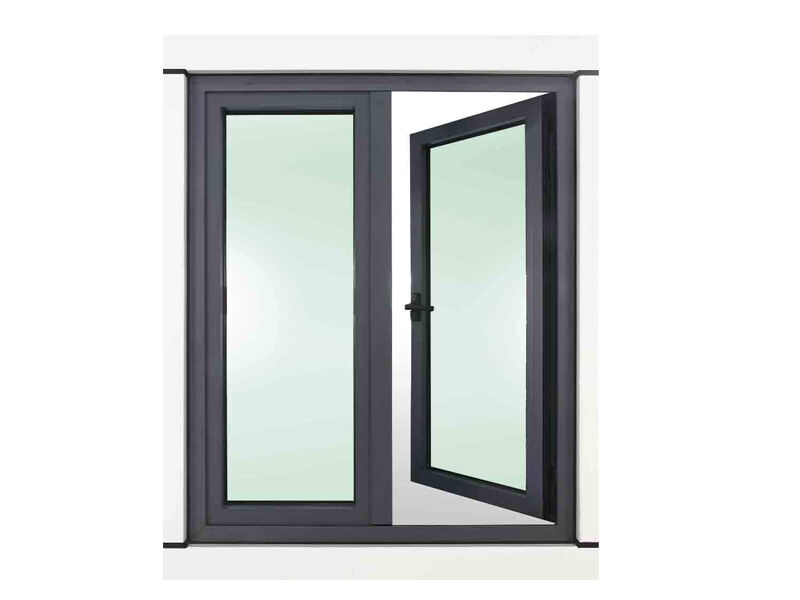
In the world of modern construction, selecting the right window type can significantly impact both the functionality and aesthetic appeal of a building project. A fixed UPVC window represents one of the most versatile and cost-effective solutions for architects, contractors, and property developers seeking to balance performance with budget considerations. Unlike operable windows, these stationary units provide unobstructed views while offering excellent thermal performance and minimal maintenance requirements. Understanding when to incorporate a fixed UPVC window into your building design requires careful consideration of various factors including structural requirements, energy efficiency goals, and occupant needs.
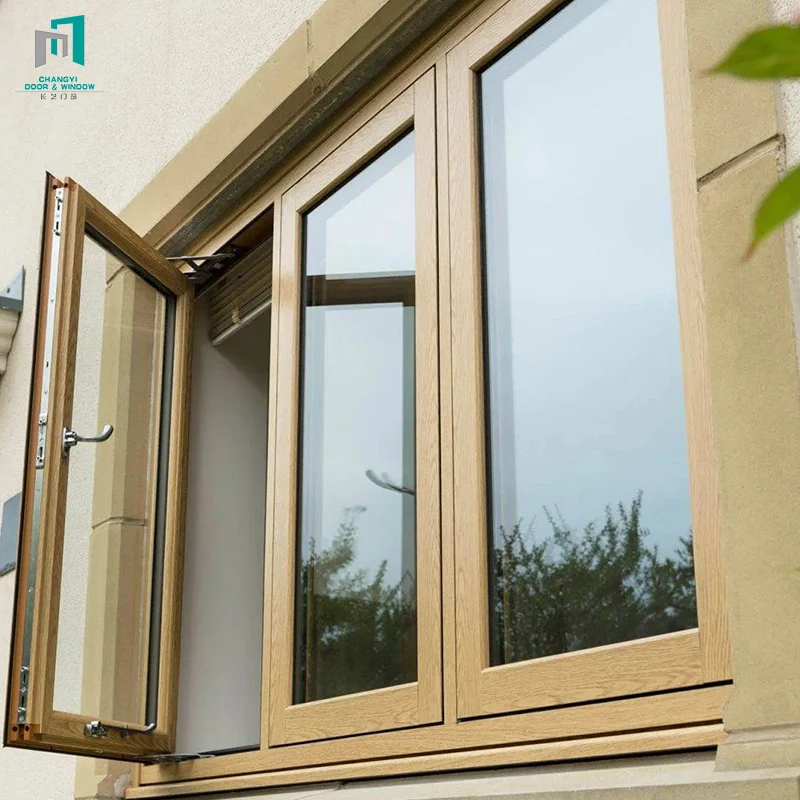
Understanding Fixed UPVC Window Applications
Commercial Building Integration
Commercial structures often benefit tremendously from strategically placed fixed UPVC window installations. Office buildings, retail spaces, and industrial facilities frequently utilize these units in areas where ventilation is provided through mechanical systems rather than natural airflow. The fixed design eliminates the need for complex hardware mechanisms, reducing both initial costs and long-term maintenance expenses. Property managers particularly appreciate how a fixed UPVC window maintains consistent performance without the wear and tear associated with moving parts.
Manufacturing facilities and warehouses represent prime candidates for fixed window installations. These environments typically require maximum natural light penetration while maintaining controlled internal atmospheres. A well-positioned fixed UPVC window can flood work areas with daylight, reducing artificial lighting costs and improving worker productivity. The inherent strength of UPVC materials ensures these windows can withstand the harsh conditions often found in industrial settings, including temperature fluctuations and chemical exposure.
Residential Design Considerations
Residential applications for fixed UPVC window systems continue to expand as homeowners recognize their practical advantages. Living rooms, dining areas, and bedrooms often feature picture windows that prioritize views over ventilation. These spaces benefit from the uninterrupted sightlines that only a fixed window can provide. Modern home designs frequently incorporate floor-to-ceiling fixed units that create dramatic architectural statements while maximizing natural light penetration throughout interior spaces.
Kitchen and bathroom installations present unique opportunities for fixed UPVC window applications. Privacy glass options allow natural light while maintaining discretion, and the moisture-resistant properties of UPVC materials make them ideal for high-humidity environments. Homeowners particularly value the streamlined appearance and easy cleaning that fixed installations provide in these frequently used spaces.
Technical Specifications and Performance Benefits
Structural Integrity Advantages
The engineering behind a fixed UPVC window offers superior structural performance compared to operable alternatives. Without the need to accommodate moving sashes or complex hardware, manufacturers can optimize frame designs for maximum strength and minimal material usage. This structural efficiency translates into larger glazing areas and thinner frame profiles, maximizing the glass-to-frame ratio that architects and designers consistently seek. The rigid construction also provides enhanced resistance to wind loads and seismic forces.
Multi-chamber UPVC profiles used in fixed window construction deliver exceptional thermal performance through advanced insulation properties. The absence of operable components eliminates potential air leakage points that commonly occur around hinges and locking mechanisms. This sealed construction approach ensures consistent energy efficiency ratings that remain stable throughout the window's operational lifetime. Building envelope specialists recognize how a properly installed fixed UPVC window contributes to overall building performance metrics.
Energy Efficiency Characteristics
Fixed UPVC window installations consistently outperform operable units in energy efficiency testing due to their simplified construction and superior sealing capabilities. The elimination of moving parts allows for continuous weather sealing around the entire perimeter, preventing thermal bridging and air infiltration. Energy consultants frequently recommend fixed units for buildings pursuing green certification or seeking to minimize operational energy costs. The inherent insulation properties of UPVC materials further enhance thermal performance.
Glazing options for fixed installations can accommodate advanced glass technologies including low-emissivity coatings, gas fills, and triple-pane configurations. These high-performance glazing systems work synergistically with UPVC frame materials to create thermal barriers that significantly reduce heating and cooling loads. Building owners typically observe measurable improvements in HVAC efficiency when fixed UPVC window systems replace older, less efficient alternatives throughout their facilities.
Installation Planning and Project Timing
Construction Phase Coordination
Successful integration of fixed UPVC window systems requires careful coordination with other construction activities and trades. The installation timing often depends on the building's structural completion and weather protection requirements. Construction managers typically schedule fixed window installation after exterior wall framing and sheathing completion but before final interior finishing work begins. This sequencing allows for proper flashing and sealing while protecting the units from construction damage.
Site preparation for a fixed UPVC window installation involves precise measurement verification and opening preparation. Unlike operable windows that may accommodate slight dimensional variations through hardware adjustments, fixed units require exact opening dimensions for proper fit and performance. Experienced installers emphasize the importance of verifying measurements multiple times throughout the construction process to prevent costly delays or custom modifications during installation.
Weather and Seasonal Factors
Environmental conditions significantly impact both the installation process and long-term performance of fixed UPVC window systems. Temperature extremes can affect UPVC material dimensions, requiring installers to account for thermal expansion and contraction during sizing and installation procedures. Professional installation teams typically avoid extreme weather conditions when installing fixed units, as proper sealant application and curing require specific temperature and humidity ranges.
Seasonal planning considerations extend beyond immediate installation requirements to include material delivery and storage protocols. UPVC materials require protection from direct sunlight and extreme temperatures during storage to prevent warping or discoloration. Project managers often coordinate fixed UPVC window deliveries to minimize on-site storage time while ensuring adequate protection until installation occurs.
Cost Analysis and Budget Considerations
Initial Investment Factors
The upfront cost of a fixed UPVC window system typically represents significant savings compared to operable alternatives due to simplified manufacturing requirements and reduced hardware components. Budget-conscious project managers appreciate how fixed installations can deliver premium aesthetics and performance at reduced cost points. Material costs remain relatively stable throughout the construction process, allowing for accurate budget planning and cost control. The standardized nature of fixed window production often provides opportunities for volume pricing on larger projects.
Installation labor costs for fixed UPVC window systems generally prove lower than operable alternatives due to simplified installation procedures and reduced hardware complexity. Experienced installation crews can typically complete fixed window installations more quickly, reducing overall labor expenses and construction schedule impacts. The absence of adjustment requirements and hardware calibration further streamlines the installation process, contributing to overall project efficiency.
Long-term Value Proposition
Lifecycle cost analysis consistently favors fixed UPVC window installations due to minimal maintenance requirements and exceptional durability characteristics. Property owners benefit from reduced maintenance costs as fixed units eliminate the ongoing expenses associated with hardware lubrication, adjustment, and replacement. The weather sealing integrity of a fixed UPVC window typically remains consistent for decades, avoiding the gradual performance degradation common with operable systems.
Energy savings associated with fixed UPVC window installations provide measurable returns on investment through reduced heating and cooling costs. Building operators frequently document significant utility bill reductions following fixed window upgrades, particularly in climate-controlled environments. The enhanced insulation properties and superior air sealing capabilities translate into quantifiable energy savings that accumulate substantially over the building's operational lifetime.
Design Integration and Aesthetic Considerations
Architectural Style Compatibility
Modern architectural trends increasingly favor the clean lines and uninterrupted views that a fixed UPVC window provides. Contemporary building designs often feature expansive glazing areas that emphasize the connection between interior and exterior spaces. Fixed installations allow architects to create dramatic design statements without the visual interruption of mullions, hardware, or operable components. The versatility of UPVC materials accommodates various color options and finishes that complement diverse architectural styles.
Traditional building renovations can successfully incorporate fixed UPVC window systems while maintaining historical character and architectural integrity. Careful selection of frame profiles and glazing configurations allows designers to respect original building proportions while upgrading performance characteristics. Preservation specialists often recommend fixed installations in situations where operational functionality is less critical than maintaining authentic visual appearance.
Size and Configuration Options
Fixed UPVC window systems offer virtually unlimited sizing options limited only by structural requirements and manufacturing capabilities. Large format installations can span significant dimensions without the size restrictions imposed by operable hardware weight limitations. This flexibility allows designers to create feature windows that serve as focal points while maximizing natural light penetration and view opportunities.
Custom configuration options for fixed installations include geometric shapes, radius curves, and complex multi-panel arrangements that would prove impractical or impossible with operable systems. These design possibilities enable architects to create unique visual elements that distinguish their projects while maintaining the practical advantages of fixed UPVC window construction. Advanced manufacturing techniques continue expanding the geometric possibilities available to creative designers.
FAQ
What are the main advantages of choosing a fixed UPVC window over operable alternatives
Fixed UPVC window systems offer several key advantages including superior energy efficiency due to continuous sealing, lower initial costs due to simplified construction, reduced maintenance requirements with no moving parts, enhanced structural integrity for larger sizes, and improved security with no operable components. These benefits make fixed installations ideal for applications prioritizing views, natural light, and long-term performance over ventilation functionality.
How do I determine the appropriate size limitations for a fixed UPVC window installation
Size limitations for fixed UPVC window systems depend on several factors including wind load requirements, structural support capabilities, glazing weight considerations, and local building codes. Generally, fixed installations can accommodate larger dimensions than operable units due to enhanced structural integrity and the absence of hardware weight restrictions. Consult with structural engineers and window manufacturers to determine optimal sizing for specific applications and environmental conditions.
What maintenance requirements should I expect with fixed UPVC window systems
Maintenance requirements for fixed UPVC window installations remain minimal throughout their operational lifetime. Regular cleaning of glass surfaces and occasional frame washing represent the primary maintenance activities. Unlike operable windows, fixed units require no hardware lubrication, adjustment, or component replacement. Weather sealing typically maintains integrity for decades without intervention, making fixed UPVC windows an excellent choice for applications where minimal maintenance is desired.
Can fixed UPVC window systems accommodate high-performance glazing options
Fixed UPVC window systems excel at accommodating advanced glazing technologies including triple-pane configurations, low-emissivity coatings, gas fills, and specialized glass options. The rigid frame construction provides stable support for heavy glazing units while maintaining proper alignment and sealing. This compatibility with high-performance glazing makes fixed UPVC windows ideal for energy-efficient building applications and extreme climate conditions where maximum thermal performance is required.
Table of Contents
- Understanding Fixed UPVC Window Applications
- Technical Specifications and Performance Benefits
- Installation Planning and Project Timing
- Cost Analysis and Budget Considerations
- Design Integration and Aesthetic Considerations
-
FAQ
- What are the main advantages of choosing a fixed UPVC window over operable alternatives
- How do I determine the appropriate size limitations for a fixed UPVC window installation
- What maintenance requirements should I expect with fixed UPVC window systems
- Can fixed UPVC window systems accommodate high-performance glazing options