 EN
EN
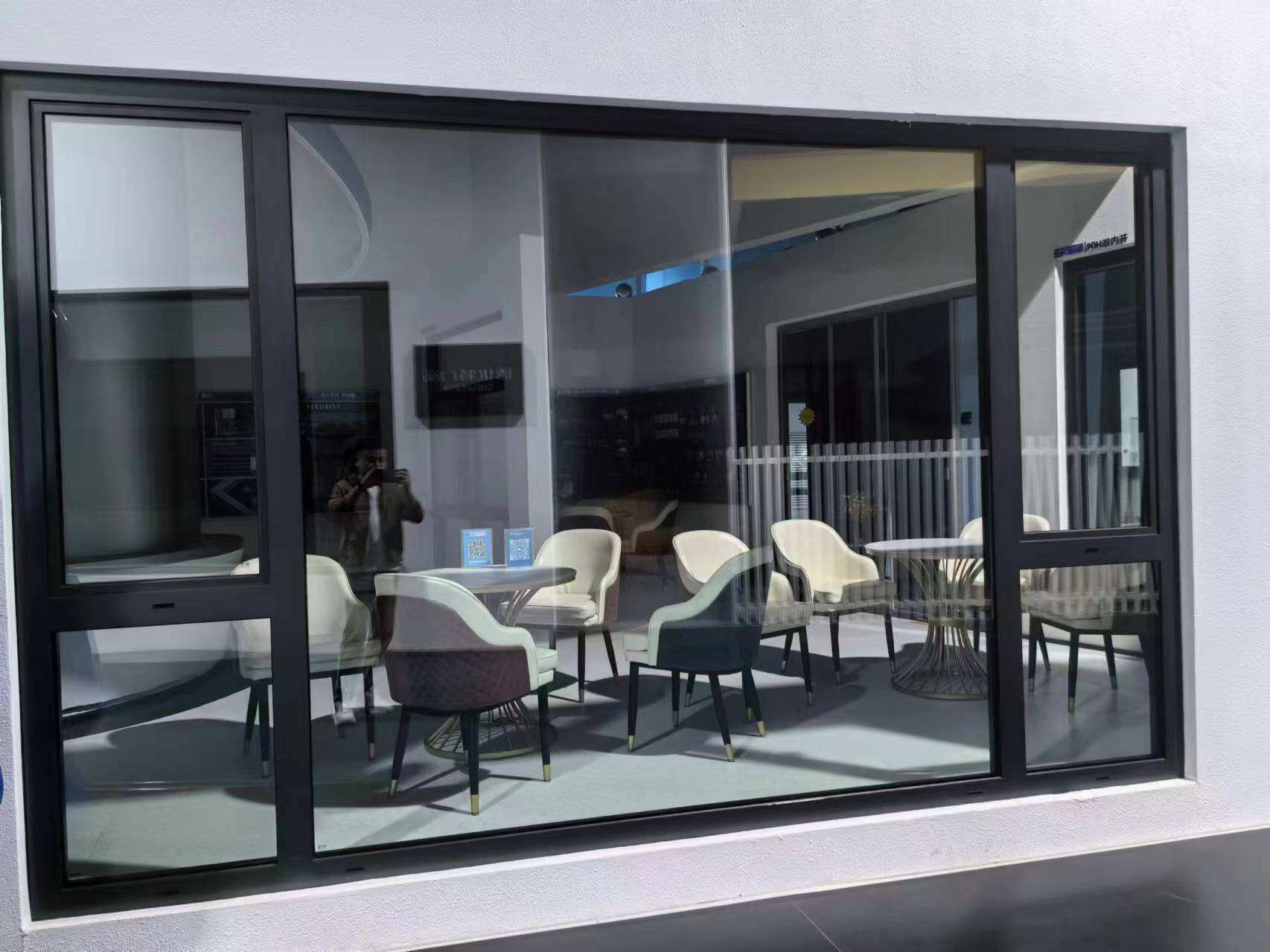
Energy efficiency has become a paramount concern for homeowners and commercial property managers seeking to reduce utility costs while enhancing indoor comfort. Among the various building envelope improvements available, installing a high-quality fixed UPVC window represents one of the most effective strategies for achieving superior thermal performance. These advanced window systems combine cutting-edge materials science with precision engineering to deliver exceptional insulation properties that significantly outperform traditional glazing solutions.
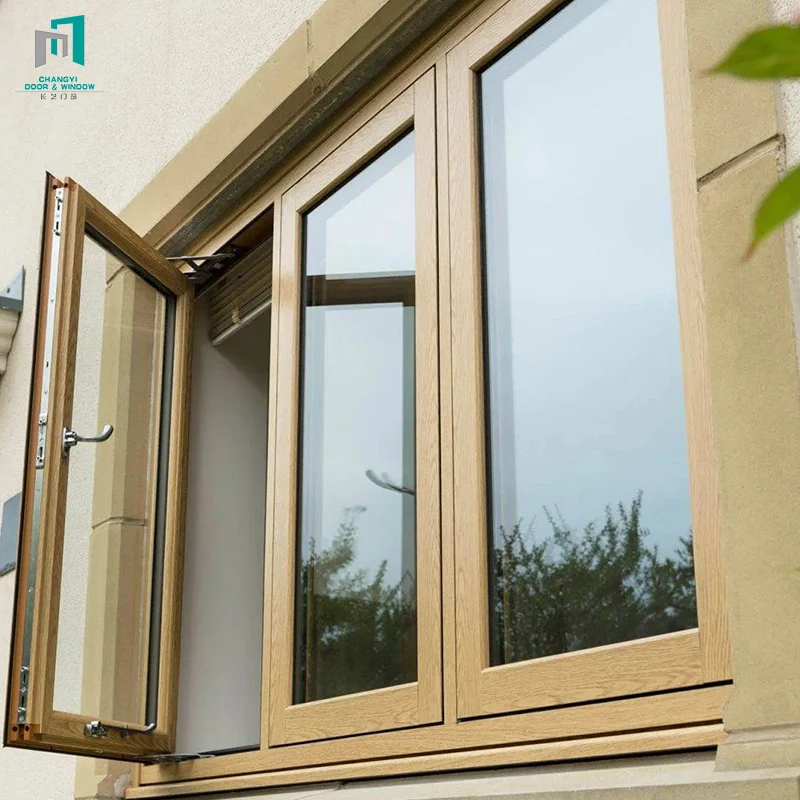
The growing emphasis on sustainable construction practices and energy conservation has elevated the importance of selecting appropriate fenestration products. Property owners increasingly recognize that a properly installed fixed UPVC window can dramatically impact overall building performance, contributing to reduced heating and cooling demands throughout the year. This comprehensive analysis explores the multifaceted benefits and technical considerations surrounding these innovative window systems.
Understanding UPVC Material Properties
Thermal Conductivity Characteristics
Unplasticized polyvinyl chloride demonstrates remarkably low thermal conductivity compared to traditional window frame materials such as aluminum or steel. A fixed UPVC window frame typically exhibits thermal conductivity values ranging from 0.14 to 0.17 watts per meter-kelvin, substantially lower than aluminum's 200+ W/mK rating. This fundamental material property creates an effective thermal barrier that minimizes heat transfer between interior and exterior environments.
The molecular structure of UPVC inherently resists thermal bridging, a phenomenon where conductive materials create pathways for heat loss through building envelopes. When properly formulated with appropriate additives and stabilizers, the polymer matrix maintains consistent thermal performance across varying temperature ranges. This stability ensures that energy efficiency benefits remain consistent throughout seasonal temperature fluctuations.
Weather Resistance and Durability
Weather resistance plays a crucial role in maintaining long-term energy efficiency performance. A quality fixed UPVC window demonstrates exceptional resistance to ultraviolet radiation, moisture infiltration, and temperature cycling without experiencing significant degradation. The polymer's inherent stability prevents warping, cracking, or dimensional changes that could compromise thermal seals and gaskets.
Laboratory testing consistently shows that properly formulated UPVC maintains structural integrity and thermal properties for decades under normal environmental conditions. This durability translates into sustained energy performance benefits, eliminating the efficiency degradation commonly associated with aging wood or metal frame systems. The material's resistance to corrosion and rot further ensures consistent sealing performance throughout the window's operational lifespan.
Multi-Chamber Frame Design Benefits
Enhanced Insulation Performance
Modern fixed UPVC window profiles incorporate sophisticated multi-chamber designs that significantly enhance thermal insulation capabilities. These internal chambers create multiple air spaces within the frame structure, effectively multiplying the insulating barriers between interior and exterior environments. Advanced profiles may feature five, six, or even seven distinct chambers, each contributing to overall thermal resistance.
The strategic placement and sizing of these chambers optimize convection patterns within the frame, minimizing heat transfer through air movement. Engineering analysis reveals that properly designed chamber configurations can achieve thermal resistance values exceeding 1.2 m²K/W for the frame component alone. This performance level approaches that of solid wall insulation systems, demonstrating the sophisticated engineering incorporated into contemporary window designs.
Structural Reinforcement Integration
Multi-chamber profiles also accommodate structural reinforcement elements without compromising thermal performance. Steel reinforcement sections can be positioned within dedicated chambers, maintaining structural integrity while preserving the insulating properties of surrounding chambers. This approach ensures that large fixed UPVC window installations maintain dimensional stability under wind loads and thermal cycling.
The integration of reinforcement within the thermal envelope prevents the creation of thermal bridges that would otherwise compromise energy efficiency. Advanced manufacturing techniques allow for precise placement of reinforcement elements, optimizing both structural performance and thermal characteristics. This balanced approach enables larger glazed areas without sacrificing energy efficiency or structural reliability.
Advanced Glazing Technologies
Low-Emissivity Coating Systems
The glazing component represents the largest thermal transfer surface in any window system, making advanced glass technologies essential for maximizing energy efficiency. Low-emissivity coatings applied to glass surfaces dramatically reduce radiant heat transfer while maintaining visible light transmission. When integrated with a fixed UPVC window frame, these coatings can reduce thermal transmittance by 30-50% compared to standard glazing.
Modern low-E coatings utilize microscopically thin metallic layers that selectively reflect infrared radiation while allowing visible light passage. This selective transmission characteristic enables passive solar heat gain during winter months while rejecting unwanted heat during summer periods. The resulting dynamic thermal performance optimizes year-round energy efficiency without requiring active control systems.
Insulated Glass Unit Configuration
Double and triple-glazed insulated glass units provide additional thermal barriers through strategically designed air or gas-filled cavities. These sealed spaces create insulating layers that significantly reduce conductive and convective heat transfer. When properly sealed and integrated with a fixed UPVC window frame, these units can achieve center-of-glass U-values below 0.3 W/m²K.
Inert gas fills, typically argon or krypton, further enhance insulating performance by reducing convective heat transfer within glazing cavities. These gases possess lower thermal conductivity than air, creating more effective insulating barriers. The combination of low-E coatings, optimized cavity dimensions, and inert gas fills maximizes overall glazing performance while maintaining structural integrity.
Professional Installation Requirements
Proper Sealing and Weather Stripping
Even the highest-performing fixed UPVC window cannot achieve optimal energy efficiency without proper installation techniques. Professional installation begins with precise measurement and preparation of rough openings, ensuring appropriate clearances for thermal expansion and structural movement. Weather sealing systems must be carefully selected and installed to prevent air infiltration while accommodating natural building movements.
High-quality weather stripping materials, including EPDM rubber seals and advanced foam tapes, create continuous barriers against air and moisture infiltration. These sealing systems must be properly compressed and positioned to maintain effectiveness throughout temperature cycling and structural settling. Professional installers understand the critical importance of maintaining seal continuity at corners and transitions where air leakage commonly occurs.
Thermal Bridge Prevention
Preventing thermal bridging during installation requires careful attention to connection details between the fixed UPVC window frame and surrounding building structure. Thermal breaks, typically consisting of low-conductivity materials or designed air gaps, must be incorporated at frame-to-structure interfaces. These measures prevent heat transfer through conductive pathways that would otherwise bypass the window's thermal performance.
Proper flashing and vapor barrier installation further enhances thermal performance by preventing moisture infiltration that could compromise insulation effectiveness. Professional installers utilize continuous membrane systems that integrate with building weather barriers, creating comprehensive moisture management strategies. These installations ensure that theoretical thermal performance translates into real-world energy efficiency benefits.
Energy Performance Quantification
Thermal Transmittance Measurements
Energy performance of a fixed UPVC window system is quantified through standardized thermal transmittance measurements, typically expressed as U-values in watts per square meter-kelvin. Comprehensive performance evaluation considers frame, glazing, and edge seal contributions to overall thermal transmittance. High-performance systems regularly achieve whole-window U-values below 1.0 W/m²K, representing substantial improvements over older window technologies.
Computer modeling and laboratory testing validate theoretical performance predictions, ensuring that specified energy efficiency levels are achievable in practice. These evaluation methods account for thermal bridging effects, air infiltration rates, and long-term performance degradation factors. The resulting data provides reliable foundations for energy modeling and building performance predictions.
Air Infiltration Control
Air infiltration represents a significant source of energy loss in conventional window systems, making infiltration control essential for maximizing efficiency benefits. A properly installed fixed UPVC window achieves extremely low air leakage rates, typically below 0.1 cubic meters per hour per meter of opening perimeter under standard test conditions. This performance level virtually eliminates uncontrolled air exchange through the window assembly.
Advanced sealing technologies, including multiple compression seals and corner welding techniques, contribute to superior air tightness performance. These systems maintain effectiveness throughout the window's service life, preventing degradation that commonly affects other window types. The resulting air infiltration control directly translates into reduced heating and cooling loads throughout the year.
Long-Term Performance Benefits
Maintenance Requirements and Lifecycle Costs
The minimal maintenance requirements of a fixed UPVC window contribute significantly to long-term energy performance and cost-effectiveness. Unlike wood frames that require periodic refinishing or metal frames susceptible to corrosion, UPVC maintains consistent performance with minimal intervention. Routine cleaning and occasional hardware lubrication represent the primary maintenance requirements throughout the window's operational lifespan.
This low-maintenance characteristic ensures that energy efficiency benefits remain consistent over decades of service. Thermal seals and gaskets maintain their effectiveness without requiring periodic replacement, preventing the gradual performance degradation common in other window systems. The resulting lifecycle cost advantages make fixed UPVC window installations highly attractive from both environmental and economic perspectives.
Return on Investment Calculations
Energy savings achieved through fixed UPVC window installation typically generate positive return on investment within 5-10 years, depending on local energy costs and climate conditions. Reduced heating and cooling loads translate directly into lower utility expenses, while improved comfort levels provide additional value benefits. These financial returns continue throughout the window's 30+ year service life, making the investment increasingly attractive over time.
Enhanced property values represent additional financial benefits associated with energy-efficient window upgrades. Market research consistently demonstrates premium valuations for properties featuring high-performance fenestration systems. These value improvements, combined with ongoing energy savings, create compelling economic justifications for fixed UPVC window investments.
FAQ
How much energy can I save with fixed UPVC windows
Energy savings from fixed UPVC windows typically range from 15-25% of total heating and cooling costs, depending on the existing window performance and local climate conditions. In moderate climates, annual savings of $200-500 per window are commonly achieved through reduced utility bills. These savings accumulate over the window's 30+ year lifespan, generating substantial long-term financial benefits.
What makes fixed UPVC windows more efficient than other materials
Fixed UPVC windows achieve superior efficiency through their inherently low thermal conductivity, multi-chamber frame designs, and excellent sealing capabilities. The polymer material naturally resists heat transfer, while sophisticated frame profiles create multiple insulating barriers. Advanced manufacturing techniques ensure precise tolerances and consistent thermal performance that surpasses traditional wood or metal frame systems.
How long do the energy efficiency benefits last
A properly installed fixed UPVC window maintains consistent energy efficiency performance for 25-30 years or more with minimal degradation. The material's inherent stability and weather resistance prevent the warping, cracking, or seal failure that commonly affects other window types. Regular maintenance consists primarily of cleaning and occasional hardware lubrication, ensuring sustained performance benefits throughout the window's operational lifespan.
Are there specific installation requirements for maximum efficiency
Professional installation following manufacturer specifications is essential for achieving maximum energy efficiency from fixed UPVC windows. Critical factors include proper sealing and weatherstripping, thermal bridge prevention, and accurate alignment. Professional installers understand the importance of continuous air barriers and moisture management systems that ensure theoretical performance translates into real-world energy savings.