 EN
EN

The architectural landscape has witnessed a significant transformation in recent years, with homeowners increasingly gravitating toward windows that combine the aesthetic appeal of natural wood with the durability and low maintenance of modern materials. Wood coloured UPVC windows have emerged as the perfect solution, offering the timeless beauty of traditional timber frames while delivering superior performance in terms of weather resistance, energy efficiency, and longevity. These innovative window systems have revolutionized the market by providing an extensive range of shades and finishes that authentically replicate various wood species, allowing homeowners to achieve their desired aesthetic without compromising on functionality or budget constraints.
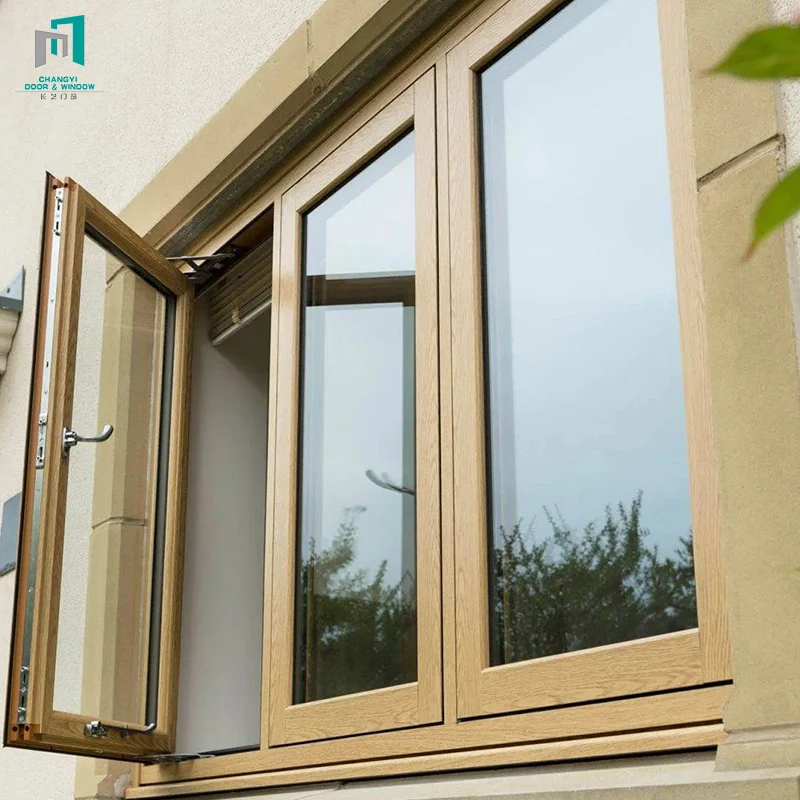
The popularity of wood coloured UPVC windows stems from their ability to seamlessly blend traditional charm with contemporary performance standards. Modern manufacturing techniques have enabled producers to create remarkably realistic wood grain textures and color variations that closely mimic natural timber species. From classic oak and mahogany to exotic teak and walnut finishes, these windows offer homeowners unprecedented choice in customizing their property's appearance while benefiting from the practical advantages of UPVC construction.
Classic Oak Finishes and Their Variations
Golden Oak Characteristics
Golden oak represents one of the most sought-after finishes in wood coloured UPVC windows, characterized by its warm honey tones and distinctive grain patterns that evoke the natural beauty of seasoned oak timber. This finish typically features lighter sapwood areas contrasted with darker heartwood sections, creating the authentic variations that make natural oak so appealing. The golden oak finish works exceptionally well with both traditional and contemporary architectural styles, making it a versatile choice for various property types from Victorian terraces to modern suburban homes.
The manufacturing process for golden oak wood coloured UPVC windows involves sophisticated lamination techniques that bond wood-effect films to the UPVC substrate. These films are designed to withstand UV radiation, temperature fluctuations, and moisture exposure while maintaining their color integrity and texture definition over extended periods. The result is a window frame that captures the essence of natural oak without the associated maintenance requirements of regular staining, sealing, or refinishing.
Irish Oak and Antique Oak Variants
Irish oak finishes in wood coloured UPVC windows offer a slightly more subdued palette compared to their golden counterparts, featuring deeper amber tones with pronounced grain patterns that reflect the character of mature oak trees. This finish is particularly popular in regions with traditional architecture, where the darker tones complement existing masonry and roofing materials. The Irish oak variant often incorporates subtle knot patterns and medullary ray markings that enhance its authenticity and visual appeal.
Antique oak finishes represent the aged beauty of weathered timber, incorporating grey undertones and worn grain patterns that suggest decades of natural weathering. These wood coloured UPVC windows are ideal for restoration projects or properties where a heritage appearance is desired. The antique oak finish typically features more pronounced color variation and texture depth, creating visual interest while maintaining the practical benefits of modern UPVC construction.
Rich Mahogany and Cherry Wood Effects
Traditional Mahogany Styling
Mahogany-finished wood coloured UPVC windows bring luxury and sophistication to any property, replicating the deep reddish-brown tones and fine grain patterns associated with this premium timber species. The mahogany effect is achieved through multi-layered finishing processes that create depth and richness in both color and texture. These windows are particularly favored for period properties and executive homes where a premium aesthetic is essential, offering the grandeur of genuine mahogany without the associated costs and maintenance challenges.
The durability of mahogany-effect wood coloured UPVC windows surpasses that of natural mahogany frames, as the UPVC substrate provides superior resistance to rot, warping, and insect damage. The finish incorporates UV-stable pigments that prevent fading and color degradation, ensuring that the rich mahogany appearance remains consistent throughout the window's service life. Professional installation and quality manufacturing result in windows that maintain their premium appearance for decades with minimal maintenance requirements.
Cherry Wood Finishes and Applications
Cherry wood effects in wood coloured UPVC windows showcase the distinctive pinkish-brown tones and smooth grain patterns characteristic of American black cherry timber. This finish appeals to homeowners seeking a refined yet warm aesthetic that complements both traditional and transitional architectural styles. Cherry-finished windows often feature subtle color variations that mirror the natural aging process of genuine cherry wood, where exposure to light gradually deepens the hue from lighter pink tones to rich reddish-brown shades.
The application of cherry wood finishes requires precise color matching and grain pattern alignment to achieve convincing results. Wood coloured UPVC windows with cherry finishes undergo rigorous quality control processes to ensure consistent appearance across all frame components, including sashes, mullions, and decorative elements. The result is a cohesive window system that captures the elegance of natural cherry wood while providing the performance benefits of modern UPVC construction.
Contemporary Walnut and Teak Inspirations
Walnut Grain Patterns and Textures
Walnut-finished wood coloured UPVC windows represent sophistication and contemporary elegance, featuring the distinctive chocolate brown tones and swirling grain patterns that make walnut timber highly prized in furniture and architectural applications. The walnut effect incorporates both light sapwood and dark heartwood characteristics, creating natural-looking color transitions that add visual depth and authenticity to window frames. These finishes are particularly popular in modern residential developments and commercial applications where a premium aesthetic is required.
Advanced printing and embossing technologies enable manufacturers to reproduce the complex grain structures found in genuine walnut timber, including the characteristic wavy patterns and varying color intensities. The surface texture of walnut-effect wood coloured UPVC windows often features subtle raised elements that enhance the tactile experience and visual realism. Quality control measures ensure that grain patterns align correctly across frame joints and that color consistency is maintained throughout the window assembly.
Exotic Teak and Tropical Wood Effects
Teak-finished wood coloured UPVC windows capture the golden-brown tones and straight grain patterns associated with this premium tropical hardwood. The teak effect is particularly valued for its association with marine applications and outdoor furniture, suggesting durability and weather resistance that aligns perfectly with the practical benefits of UPVC construction. These finishes often incorporate the natural oil-rich appearance of genuine teak, creating a lustrous surface that suggests premium quality and exotic origins.
The development of exotic wood effects in wood coloured UPVC windows has expanded to include species such as iroko, sapele, and meranti, offering homeowners access to premium tropical wood aesthetics without environmental concerns associated with harvesting rare timber species. These finishes undergo extensive testing to ensure color stability and weather resistance, particularly important given the outdoor exposure requirements of window applications. The result is sustainable access to exotic wood aesthetics through advanced manufacturing technologies.
Modern Grey and Painted Wood Finishes
Weathered Grey Wood Effects
Grey wood finishes represent a contemporary trend in wood coloured UPVC windows, offering the sophisticated appearance of weathered or painted timber without the maintenance challenges associated with natural wood exposure to elements. These finishes range from light driftwood grey to deep charcoal tones, often incorporating subtle grain patterns that suggest aged or treated timber. The grey wood effect is particularly popular in coastal properties and modern architectural designs where a contemporary aesthetic is desired.
The creation of grey wood effects requires careful balance between color saturation and grain definition to achieve realistic results. Wood coloured UPVC windows with grey finishes often feature multiple color layers that create depth and prevent the flat appearance sometimes associated with solid color applications. UV-resistant pigments ensure that grey tones remain stable over time, preventing the fading or yellowing that can occur with inferior finishing systems.
Painted Wood and Distressed Finishes
Painted wood effects in wood coloured UPVC windows simulate the appearance of timber that has been professionally painted, offering clean lines and uniform color while maintaining subtle wood grain textures beneath the paint layer. These finishes are available in various colors including classic white, cream, sage green, and navy blue, allowing homeowners to achieve specific design themes while retaining some wood character. The painted wood effect is particularly suitable for period properties undergoing renovation or new builds designed to complement historical contexts.
Distressed finishes in wood coloured UPVC windows replicate the charm of aged painted timber, incorporating wear patterns, color variations, and subtle texture irregularities that suggest decades of weathering and use. These specialized finishes appeal to homeowners seeking authentic period character or shabby chic aesthetics. The manufacturing process involves multiple layers of base color, wear simulation, and protective topcoats that create convincing aged effects while providing modern performance standards.
Installation and Maintenance Considerations
Professional Installation Requirements
The successful installation of wood coloured UPVC windows requires specialized knowledge and techniques to ensure optimal performance and appearance. Professional installers must understand the thermal expansion characteristics of UPVC materials and account for seasonal movement when fitting frames into openings. Proper installation techniques include adequate weathersealing, structural support, and thermal bridging prevention to maximize energy efficiency and longevity of the window system.
Quality installation of wood coloured UPVC windows involves careful handling to prevent surface damage during transportation and fitting processes. The wood effect finishes, while durable, require protection from sharp objects and abrasive materials during installation. Professional installers use appropriate tools and techniques to ensure that frame joints align correctly and that grain patterns flow naturally across meeting rails and stiles, maintaining the authentic wood appearance.
Long-term Maintenance and Care
One of the primary advantages of wood coloured UPVC windows lies in their minimal maintenance requirements compared to natural timber alternatives. Regular cleaning with mild detergent and water is typically sufficient to maintain appearance and performance, while the UPVC substrate eliminates concerns about rot, insect damage, or the need for periodic repainting or refinishing. The wood effect finishes are designed to withstand normal weathering and UV exposure without significant degradation.
Preventive maintenance for wood coloured UPVC windows focuses primarily on hardware lubrication, weatherstripping inspection, and drainage channel cleaning. The wood effect surfaces should be cleaned regularly to prevent dirt accumulation that could affect appearance, while care should be taken to avoid abrasive cleaning products that might damage the finish. Quality wood coloured UPVC windows typically carry extensive warranties covering both the UPVC substrate and the decorative finish, providing long-term peace of mind for homeowners.
Energy Efficiency and Performance Benefits
Thermal Performance Characteristics
Wood coloured UPVC windows deliver exceptional thermal performance through multi-chambered frame construction and advanced glazing technologies. The UPVC substrate provides natural thermal insulation properties that surpass those of aluminum frames and approach the performance levels of genuine timber construction. Modern wood coloured UPVC windows typically achieve U-values well below building regulation requirements, contributing significantly to energy efficiency and comfort levels within the property.
The thermal efficiency of wood coloured UPVC windows is enhanced by sophisticated design features including thermal breaks, insulated glazing cavities, and precision-fitted weatherstripping systems. These elements work together to minimize heat transfer and eliminate thermal bridging, reducing heating and cooling costs while maintaining consistent interior temperatures. Quality manufacturing ensures that thermal performance is maintained throughout the window's service life without degradation due to material aging or structural movement.
Weather Resistance and Durability
The weather resistance of wood coloured UPVC windows significantly exceeds that of natural timber alternatives, with the UPVC substrate providing inherent protection against moisture, UV radiation, and temperature extremes. The wood effect finishes undergo extensive testing to ensure compatibility with various climate conditions, from coastal salt exposure to extreme temperature variations. This comprehensive weather resistance ensures that wood coloured UPVC windows maintain both their appearance and performance characteristics throughout extended service periods.
Structural durability of wood coloured UPVC windows benefits from the dimensional stability of UPVC materials, which resist warping, twisting, and other deformations common in natural timber construction. The fusion welding techniques used in frame construction create joints that are stronger than the base material, eliminating weak points that could compromise long-term performance. Quality wood coloured UPVC windows are designed to maintain their structural integrity and operational smoothness for decades with minimal maintenance intervention.
FAQ
How long do wood coloured UPVC windows typically last
Wood coloured UPVC windows are designed to provide service life exceeding 25-30 years with proper installation and minimal maintenance. The UPVC substrate offers excellent durability and weather resistance, while modern wood effect finishes are formulated to maintain their appearance throughout the window's service life. Quality manufacturers typically provide warranties covering both structural performance and finish integrity for extended periods, often 10-15 years or more, demonstrating confidence in product longevity.
Can wood coloured UPVC windows be painted or refinished
While wood coloured UPVC windows are designed to maintain their appearance without refinishing, specialized UPVC paints can be applied if desired for color changes or refresh applications. However, painting over wood effect finishes may compromise the realistic texture and grain patterns that make these windows attractive. Most manufacturers recommend replacement rather than refinishing when appearance changes are desired, as this ensures optimal performance and maintains warranty coverage.
What factors should be considered when selecting wood coloured finishes
Selecting appropriate wood coloured finishes for UPVC windows involves considering architectural style, existing exterior materials, regional climate conditions, and personal aesthetic preferences. Lighter finishes may show dirt more readily but can make properties appear larger, while darker finishes provide better dirt concealment but may absorb more heat in sunny climates. Professional consultation helps ensure that selected finishes complement the overall property design while meeting performance requirements for the specific installation environment.
Are wood coloured UPVC windows more expensive than white alternatives
Wood coloured UPVC windows typically carry premium pricing compared to standard white alternatives due to the additional manufacturing processes required for wood effect finishing. The cost differential varies depending on finish complexity and manufacturer, but generally ranges from 15-30% above white window prices. However, the added value in terms of aesthetic appeal and property enhancement often justifies the additional investment, particularly when compared to the much higher costs associated with genuine timber window systems.