 EN
EN

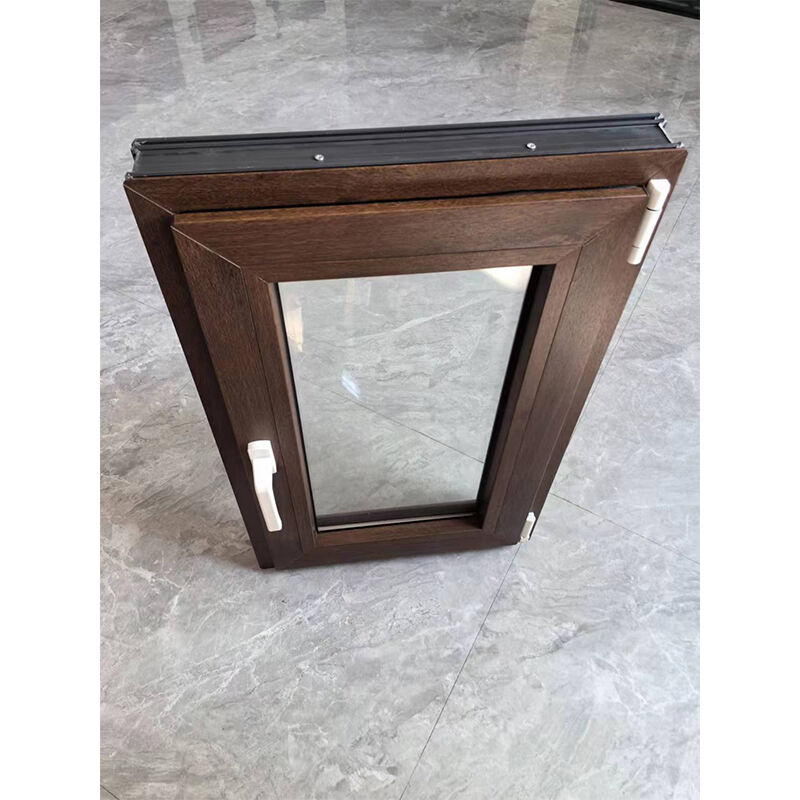
In today's competitive construction and renovation market, homeowners and commercial property developers are increasingly seeking building materials that combine aesthetic appeal with practical durability. Wood coloured UPVC windows have emerged as a revolutionary solution that addresses this demand perfectly, offering the timeless beauty of natural wood grain finishes while delivering the superior performance characteristics of modern uPVC technology. These innovative window systems represent a significant advancement in fenestration solutions, providing architects, builders, and property owners with an ideal balance between visual authenticity and long-term reliability. The growing popularity of wood coloured UPVC windows reflects a broader industry trend toward sustainable, low-maintenance building products that do not compromise on style or functionality.
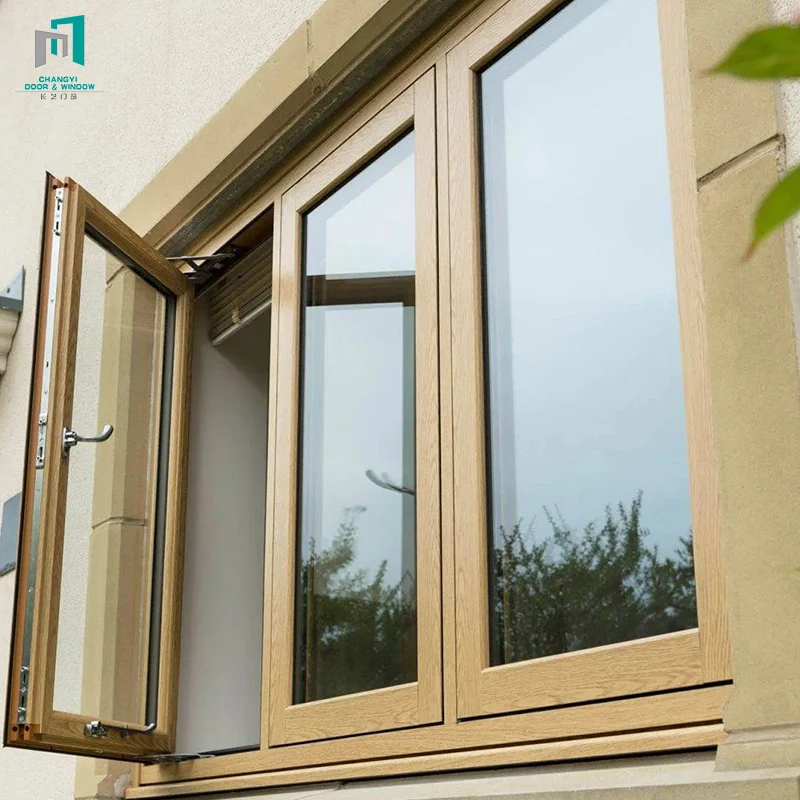
Understanding Wood Coloured UPVC Window Technology
Advanced Manufacturing Processes
The production of wood coloured UPVC windows involves sophisticated manufacturing techniques that create remarkably realistic wood grain textures and colors. Modern extrusion processes utilize specialized dies and surface treatment technologies to emboss authentic wood patterns directly onto the uPVC profiles during manufacturing. These advanced production methods ensure that the wood appearance is not merely a superficial coating but an integral part of the window frame structure. The result is wood coloured UPVC windows that exhibit exceptional dimensional stability and color retention over extended periods, far exceeding the performance of traditional painted or stained wooden windows.
Contemporary manufacturing facilities employ multi-layer co-extrusion techniques that bond colored and textured outer layers with structural inner cores, creating wood coloured UPVC windows with superior mechanical properties. These processes allow for precise control over surface characteristics, enabling manufacturers to replicate specific wood species with remarkable accuracy. The integration of UV-resistant compounds and weathering stabilizers during production ensures that wood coloured UPVC windows maintain their appearance and structural integrity across diverse climatic conditions, making them suitable for both residential and commercial applications worldwide.
Material Composition and Properties
High-quality wood coloured UPVC windows are manufactured using virgin uPVC compounds that are specifically formulated for exterior applications. These materials incorporate calcium carbonate fillers, impact modifiers, and thermal stabilizers that enhance the overall performance characteristics of the finished products. The base polymer provides excellent chemical resistance, preventing degradation from environmental factors such as acid rain, salt air, and industrial pollutants. Wood coloured UPVC windows benefit from the inherent properties of uPVC, including low thermal conductivity, which contributes to superior energy efficiency compared to traditional aluminum or steel window systems.
The cellular structure of extruded uPVC profiles used in wood coloured UPVC windows creates natural thermal barriers that significantly reduce heat transfer between interior and exterior environments. This multi-chamber design, combined with reinforced steel inserts where necessary, provides wood coloured UPVC windows with exceptional structural strength while maintaining lightweight characteristics. The material's natural resistance to moisture absorption prevents the warping, splitting, and rotting issues commonly associated with traditional wooden windows, ensuring dimensional stability and consistent operation throughout the product lifecycle.
Design Versatility and Aesthetic Options
Wood Grain Finishes and Color Variations
Modern wood coloured UPVC windows are available in an extensive range of wood grain finishes that accurately replicate popular timber species including oak, mahogany, cherry, pine, and walnut. These surface treatments are achieved through advanced embossing technologies that create three-dimensional textures with varying depths and patterns. The color palettes available for wood coloured UPVC windows encompass everything from light natural wood tones to rich, dark stains, allowing architects and designers to specify products that complement virtually any architectural style or color scheme. Many manufacturers offer dual-color options, enabling wood coloured UPVC windows to feature different finishes on interior and exterior surfaces.
The sophistication of contemporary wood coloured UPVC windows extends beyond simple color matching to include realistic aging effects and natural wood characteristics such as knots, grain variations, and subtle color gradations. These detailed surface treatments are developed using digital scanning technologies that capture authentic wood samples at microscopic levels, ensuring that wood coloured UPVC windows exhibit the organic irregularities and natural beauty that make real wood so appealing. The durability of these finishes is enhanced through specialized coating processes that bond the decorative layers permanently to the substrate material.
Architectural Compatibility and Style Integration
Wood coloured UPVC windows are designed to complement a wide variety of architectural styles, from traditional Tudor and Victorian designs to contemporary minimalist structures. The availability of different frame profiles, glazing bar configurations, and hardware options enables wood coloured UPVC windows to be customized for specific aesthetic requirements. Period-style properties benefit particularly from wood coloured UPVC windows that replicate historical window designs while providing modern performance standards. The ability to specify matching trim, sills, and cladding elements ensures seamless integration with existing building facades.
Contemporary architectural applications increasingly specify wood coloured UPVC windows for their ability to provide visual warmth and natural appeal while meeting stringent energy efficiency and security requirements. The slim sightlines achievable with modern uPVC profiles allow wood coloured UPVC windows to maximize glazed areas without compromising structural integrity. This design flexibility makes wood coloured UPVC windows particularly suitable for commercial applications where large expanses of glazing are required while maintaining the aesthetic appeal of natural materials.
Performance Advantages and Technical Benefits
Thermal Efficiency and Energy Performance
The thermal performance of wood coloured UPVC windows significantly exceeds that of traditional wooden windows due to the multi-chamber profile design and advanced glazing systems. Modern wood coloured UPVC windows can achieve U-values as low as 0.8 W/m²K when combined with high-performance glazing units and thermal break technologies. The low thermal conductivity of uPVC material minimizes heat transfer through the frame structure, reducing energy consumption for heating and cooling systems. This superior thermal efficiency makes wood coloured UPVC windows an excellent choice for buildings seeking high energy performance ratings or compliance with stringent building energy codes.
The energy efficiency of wood coloured UPVC windows is further enhanced by precision manufacturing techniques that ensure consistent thermal performance across all frame joints and connections. Advanced welding processes create seamless corner joints that eliminate thermal bridging, while high-quality weather sealing systems prevent air infiltration. These technical features combine to make wood coloured UPVC windows capable of contributing significantly to overall building energy efficiency, often qualifying for energy efficiency incentives and green building certifications.
Durability and Longevity Characteristics
The service life of wood coloured UPVC windows typically exceeds 30 years under normal operating conditions, representing exceptional value compared to traditional wooden windows that may require significant maintenance or replacement within 10-15 years. The inherent stability of uPVC material ensures that wood coloured UPVC windows maintain their structural integrity and operational performance throughout their extended service life. Unlike natural wood, uPVC does not expand and contract significantly with temperature variations, preventing the warping and binding issues that commonly affect wooden window systems.
Environmental resistance is a key advantage of wood coloured UPVC windows, with the material showing excellent performance in challenging conditions including coastal environments, industrial areas, and regions with extreme temperature variations. The UV stabilization incorporated into quality wood coloured UPVC windows prevents color fading and surface degradation even under intense solar exposure. This environmental durability, combined with resistance to biological attack from insects and microorganisms, ensures that wood coloured UPVC windows maintain their appearance and functionality with minimal maintenance requirements.
Installation Considerations and Best Practices
Site Preparation and Measurement Requirements
Successful installation of wood coloured UPVC windows begins with accurate site measurement and proper opening preparation. Professional survey techniques ensure that wood coloured UPVC windows are manufactured to precise dimensions that account for building tolerances and thermal movement requirements. The installation process requires careful attention to weatherproofing details, with specialized sealants and membranes used to create watertight and airtight installations. Proper cavity closure and insulation placement around wood coloured UPVC windows is essential for achieving optimal thermal performance and preventing condensation issues.
The installation of wood coloured UPVC windows must comply with relevant building codes and manufacturer specifications to ensure warranty coverage and optimal performance. Professional installation teams utilize specialized tools and techniques designed specifically for uPVC window systems, ensuring that wood coloured UPVC windows are properly aligned, secured, and sealed. The use of appropriate fixing methods and hardware is crucial for maintaining the structural integrity and security performance of wood coloured UPVC windows throughout their service life.
Quality Control and Performance Verification
Post-installation testing procedures verify that wood coloured UPVC windows meet specified performance criteria for air tightness, water resistance, and operational functionality. These quality control measures include checking hardware adjustment, seal compression, and glazing unit positioning to ensure optimal performance. Professional installation of wood coloured UPVC windows includes comprehensive testing of all moving parts, lock mechanisms, and weather sealing systems. Documentation of installation procedures and performance verification provides valuable reference information for future maintenance and warranty claims.
The commissioning process for wood coloured UPVC windows involves thorough inspection of all installation details and operational testing under various conditions. This systematic approach ensures that wood coloured UPVC windows deliver the expected performance benefits and aesthetic appeal. Regular post-installation inspections during the initial service period help identify any adjustments or modifications that may be required to optimize the performance of wood coloured UPVC windows in specific applications.
Maintenance Requirements and Care Procedures
Routine Cleaning and Surface Care
The maintenance requirements for wood coloured UPVC windows are minimal compared to traditional wooden windows, typically involving only periodic cleaning and basic hardware lubrication. Regular cleaning of wood coloured UPVC windows can be accomplished using mild detergent solutions and soft cloths, avoiding abrasive cleaners that might damage the decorative surface finishes. The smooth, non-porous surface of wood coloured UPVC windows resists dirt accumulation and can be easily restored to original appearance with simple cleaning procedures. Unlike wooden windows, wood coloured UPVC windows require no painting, staining, or protective coating applications.
Annual maintenance of wood coloured UPVC windows should include inspection of weather sealing systems, hardware adjustment, and drainage channel clearing. The removal of debris from drainage slots ensures proper water management and prevents moisture-related issues. Hardware components in wood coloured UPVC windows benefit from periodic lubrication with appropriate products recommended by the manufacturer, ensuring smooth operation and extended component life. These simple maintenance procedures help preserve the appearance and functionality of wood coloured UPVC windows while minimizing long-term care costs.
Long-term Performance Preservation
The long-term performance of wood coloured UPVC windows can be optimized through systematic inspection and preventive maintenance programs. Regular assessment of glazing unit condition, frame alignment, and hardware functionality helps identify potential issues before they affect window performance. The replacement of weather seals and hardware components as needed ensures that wood coloured UPVC windows maintain their energy efficiency and security characteristics throughout their service life. Professional maintenance services can provide comprehensive inspections and adjustments that maximize the performance and longevity of wood coloured UPVC windows.
Environmental factors may occasionally require specific care procedures for wood coloured UPVC windows in challenging locations. Coastal installations may benefit from more frequent cleaning to remove salt deposits, while industrial environments might require additional attention to chemical exposure effects. However, the inherent durability of quality wood coloured UPVC windows ensures that even in demanding conditions, maintenance requirements remain substantially lower than those associated with traditional wooden window systems.
Cost Analysis and Economic Benefits
Initial Investment Considerations
The initial cost of wood coloured UPVC windows is typically competitive with high-quality wooden windows while offering superior long-term value proposition. When comparing total ownership costs, wood coloured UPVC windows demonstrate significant economic advantages due to their extended service life and minimal maintenance requirements. The absence of regular painting, staining, and repair costs associated with wooden windows makes wood coloured UPVC windows an economically attractive option for both residential and commercial applications. Energy efficiency benefits provide additional cost savings through reduced heating and cooling expenses over the window lifecycle.
Volume purchasing opportunities and standardization of window sizes can provide additional cost advantages for wood coloured UPVC windows in larger projects. The manufacturing efficiency of uPVC systems enables competitive pricing while maintaining high quality standards. When factoring in installation costs, wood coloured UPVC windows often provide overall project savings due to lighter weight and simplified installation procedures compared to heavy wooden window systems. The predictable cost structure of wood coloured UPVC windows facilitates accurate project budgeting and financial planning.
Return on Investment Analysis
The return on investment for wood coloured UPVC windows is realized through multiple benefit streams including energy savings, reduced maintenance costs, and enhanced property values. Energy efficiency improvements typically provide measurable reductions in utility costs within the first year of installation. The elimination of periodic painting and maintenance requirements represents substantial cost avoidance over the window lifecycle. Property value enhancement from wood coloured UPVC windows often exceeds the initial investment cost, particularly in markets where aesthetic appeal and low maintenance features are highly valued.
Commercial applications of wood coloured UPVC windows can benefit from additional return on investment factors including reduced facility management costs and improved occupant satisfaction. The consistent appearance and reliable operation of wood coloured UPVC windows minimizes building maintenance disruptions and associated productivity impacts. These operational benefits, combined with energy cost savings and extended replacement cycles, create compelling economic justification for specifying wood coloured UPVC windows in commercial building projects.
Environmental Impact and Sustainability
Manufacturing and Material Sustainability
The environmental profile of wood coloured UPVC windows includes both manufacturing efficiency and end-of-life recyclability considerations. Modern uPVC production utilizes energy-efficient processes and incorporates recycled content where technically feasible. The durability and longevity of wood coloured UPVC windows contribute to resource conservation by extending replacement cycles and reducing overall material consumption over building lifecycles. Manufacturing processes for wood coloured UPVC windows have evolved to minimize waste generation and optimize material utilization rates.
The recyclability of uPVC material enables wood coloured UPVC windows to be reprocessed into new products at the end of their service life, supporting circular economy principles. Specialized recycling programs for building products are expanding the options for responsible disposal of wood coloured UPVC windows. The absence of toxic preservatives and coatings in wood coloured UPVC windows eliminates disposal concerns associated with chemically treated wooden windows, making them a more environmentally responsible choice for sustainable building practices.
Energy Performance and Carbon Impact
The energy efficiency of wood coloured UPVC windows contributes significantly to building carbon footprint reduction through decreased heating and cooling energy consumption. Superior thermal performance characteristics enable buildings with wood coloured UPVC windows to achieve higher energy efficiency ratings and reduced operational carbon emissions. The extended service life of wood coloured UPVC windows further enhances their environmental benefits by minimizing the embodied energy associated with frequent replacement cycles typical of less durable window systems.
Life cycle assessment studies demonstrate that the environmental benefits of wood coloured UPVC windows increase over time as energy savings accumulate and maintenance-related impacts are avoided. The combination of manufacturing efficiency, operational performance, and end-of-life recyclability positions wood coloured UPVC windows as an environmentally responsible choice for sustainable construction projects. These environmental advantages align with green building certification requirements and support broader sustainability objectives in the construction industry.
FAQ
How long do wood coloured UPVC windows typically last compared to traditional wooden windows
Wood coloured UPVC windows typically have a service life of 30-40 years with minimal maintenance, compared to traditional wooden windows which may require significant refurbishment or replacement after 15-20 years. The uPVC material does not rot, warp, or suffer from insect damage, ensuring consistent performance throughout the extended service life. While wooden windows require regular painting, sealing, and repair work, wood coloured UPVC windows maintain their appearance and functionality with only basic cleaning and occasional hardware lubrication.
Can wood coloured UPVC windows achieve the same thermal performance as modern wooden windows
Wood coloured UPVC windows typically achieve superior thermal performance compared to wooden windows due to the multi-chamber profile design and advanced glazing systems. Modern wood coloured UPVC windows can achieve U-values as low as 0.8 W/m²K, which often exceeds the thermal performance of wooden windows. The precision manufacturing of uPVC systems eliminates thermal bridging and air infiltration issues that commonly affect wooden window installations, resulting in better overall energy efficiency.
Are wood coloured UPVC windows suitable for heritage or period properties
Wood coloured UPVC windows can be highly suitable for heritage properties when specified with appropriate profiles and glazing bar configurations that match historical designs. Many manufacturers offer specialized ranges designed specifically for conservation applications, featuring authentic wood grain finishes and traditional proportions. However, planning permission and conservation area requirements should be verified before installation, as some authorities may have specific guidelines regarding window materials in heritage buildings. The realistic appearance and enhanced security features of modern wood coloured UPVC windows often make them acceptable alternatives to traditional wooden windows.
What maintenance is required to keep wood coloured UPVC windows looking their best
Wood coloured UPVC windows require minimal maintenance consisting primarily of regular cleaning with mild detergent and periodic hardware lubrication. Annual cleaning of frames and glass surfaces, clearing of drainage channels, and checking weather seal condition is typically sufficient to maintain optimal appearance and performance. Unlike wooden windows, wood coloured UPVC windows never require painting, staining, or protective coating applications. The durable surface finishes resist fading and weathering, ensuring that wood coloured UPVC windows maintain their attractive appearance throughout their extended service life with minimal care requirements.
Table of Contents
- Understanding Wood Coloured UPVC Window Technology
- Design Versatility and Aesthetic Options
- Performance Advantages and Technical Benefits
- Installation Considerations and Best Practices
- Maintenance Requirements and Care Procedures
- Cost Analysis and Economic Benefits
- Environmental Impact and Sustainability
-
FAQ
- How long do wood coloured UPVC windows typically last compared to traditional wooden windows
- Can wood coloured UPVC windows achieve the same thermal performance as modern wooden windows
- Are wood coloured UPVC windows suitable for heritage or period properties
- What maintenance is required to keep wood coloured UPVC windows looking their best