 EN
EN
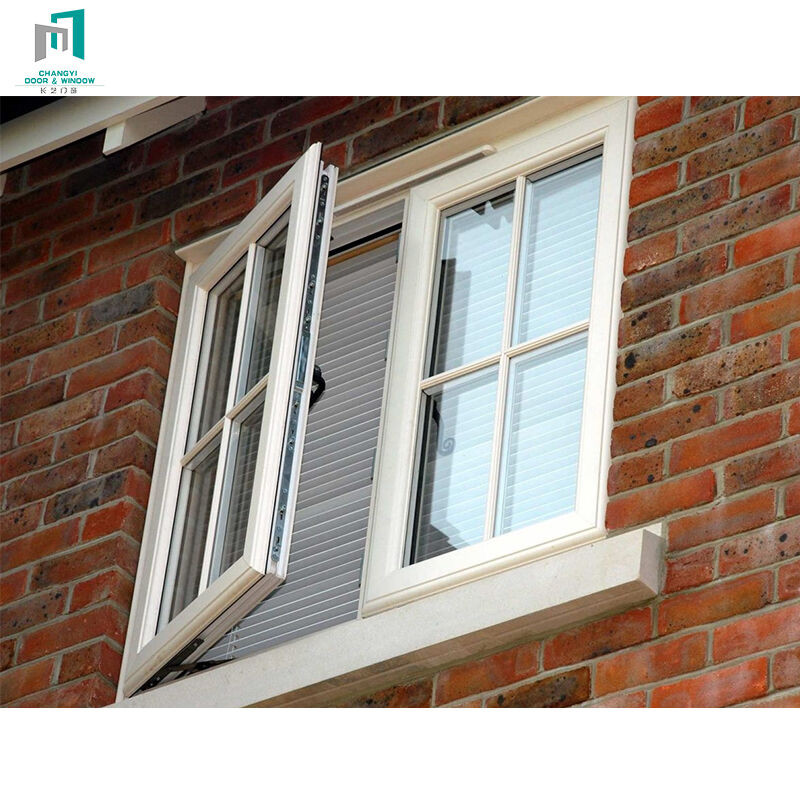
Modern homeowners are increasingly recognizing the transformative power of large UPVC windows in creating brighter, more inviting living spaces. These expansive glazing solutions not only flood interiors with natural light but also establish seamless connections between indoor and outdoor environments. The strategic installation of large UPVC windows can dramatically alter the aesthetic appeal and functional value of any residential property, making rooms feel more spacious and welcoming.
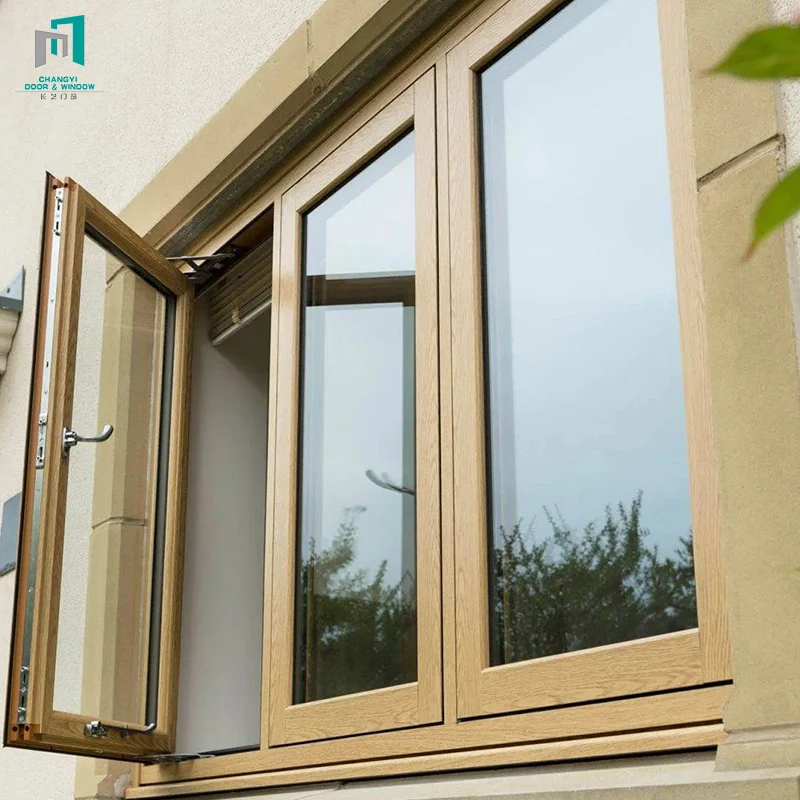
The versatility of large UPVC windows makes them suitable for various architectural styles, from contemporary minimalist designs to traditional family homes. Property owners can choose from numerous configurations, including floor-to-ceiling installations, panoramic sliding systems, and multi-panel arrangements that maximize daylight penetration. The inherent durability and energy efficiency of UPVC materials ensure these substantial window installations provide long-term performance benefits while maintaining their visual appeal.
Beyond their practical advantages, large UPVC windows serve as architectural focal points that enhance property values and create stunning visual statements. The combination of advanced glazing technologies with robust UPVC frames delivers superior thermal performance, noise reduction, and security features that modern families demand. These characteristics make large window installations an intelligent investment for homeowners seeking to improve both comfort and marketability of their properties.
Design Concepts for Maximum Light Enhancement
Floor-to-Ceiling Window Configurations
Floor-to-ceiling large UPVC windows represent one of the most dramatic ways to transform interior spaces and create breathtaking connections with outdoor landscapes. These expansive installations eliminate visual barriers between indoor and outdoor environments, allowing natural light to penetrate deep into living areas throughout the day. The seamless integration of large glazed surfaces creates an illusion of expanded space, making even modest-sized rooms feel significantly larger and more open.
The structural considerations for floor-to-ceiling large UPVC windows require careful planning and professional installation to ensure optimal performance and safety. Modern UPVC frame systems incorporate reinforcement elements that support substantial glass panels while maintaining thermal efficiency and weather resistance. These installations often feature multi-point locking mechanisms and toughened glass specifications that meet stringent building codes and security requirements.
Design flexibility allows homeowners to customize floor-to-ceiling configurations according to specific architectural requirements and personal preferences. Options include fixed panels combined with operable sections, integrated ventilation systems, and specialized glazing treatments that control solar heat gain while preserving transparency. The result is a sophisticated fenestration solution that enhances both functionality and aesthetic appeal of contemporary living spaces.
Corner Window Arrangements
Corner installations of large UPVC windows create dynamic lighting effects and unique architectural features that distinguish properties from conventional designs. These arrangements typically involve two perpendicular window walls that meet at building corners, eliminating traditional solid corner posts and creating uninterrupted glass surfaces. The resulting panoramic views and enhanced natural light distribution transform corner spaces into premium living areas with exceptional visual appeal.
The engineering challenges associated with corner large UPVC windows require specialized frame systems and structural support solutions. Advanced UPVC profiles incorporate thermal breaks and reinforcement elements that maintain structural integrity while accommodating the unique stress patterns created by corner installations. Professional installation ensures proper sealing, thermal performance, and long-term durability of these complex fenestration systems.
Interior design opportunities multiply with corner window arrangements, as these installations create natural focal points and enhance furniture placement options. The increased natural light from multiple directions reduces reliance on artificial lighting during daylight hours, contributing to energy savings and improved indoor environmental quality. Property values typically increase significantly when corner window features are professionally integrated into residential designs.
Energy Efficiency and Performance Benefits
Thermal Insulation Properties
The thermal performance of large UPVC windows has advanced significantly through innovations in frame design and glazing technologies. Multi-chamber UPVC profiles create effective thermal barriers that minimize heat transfer between interior and exterior environments. These sophisticated frame systems incorporate low-conductivity materials and precision manufacturing techniques that eliminate thermal bridging and maintain consistent insulation values across entire window installations.
Advanced glazing options for large UPVC windows include double and triple-pane configurations with specialized coatings and gas fills that optimize thermal efficiency. Low-emissivity coatings reflect infrared radiation while permitting visible light transmission, reducing heating and cooling loads throughout seasonal temperature variations. The combination of high-performance glazing with thermally efficient UPVC frames creates window systems that significantly exceed minimum energy code requirements.
Long-term energy savings from properly specified large UPVC windows can offset initial installation costs through reduced utility expenses and enhanced indoor comfort. The superior thermal performance maintains consistent interior temperatures, reduces condensation issues, and minimizes drafts that compromise occupant comfort. These benefits become increasingly valuable as energy costs rise and environmental regulations emphasize building efficiency standards.
Solar Heat Gain Management
Effective solar heat gain control in large UPVC windows balances natural lighting benefits with thermal comfort requirements throughout different seasons. Specialized glazing treatments and frame orientations allow homeowners to harness beneficial solar energy during winter months while preventing excessive heat buildup during summer periods. This dynamic approach to fenestration design optimizes year-round comfort and energy efficiency.
Window positioning and sizing strategies for large UPVC windows consider solar angles, prevailing weather patterns, and interior space functions to maximize performance benefits. South-facing installations typically incorporate solar control glazing or external shading systems, while north-facing windows can feature maximum transparency for consistent natural lighting. East and west orientations require specialized treatments to manage intense morning and afternoon solar exposure.
Integrated shading solutions and smart glazing technologies enhance the performance capabilities of large UPVC windows in managing solar heat gain. Motorized external blinds, retractable awnings, and electrochromic glass options provide dynamic control over light transmission and thermal properties. These advanced systems can be programmed to respond automatically to weather conditions and occupancy patterns, optimizing comfort and efficiency without manual intervention.
Installation Considerations and Best Practices
Structural Requirements
The installation of large UPVC windows demands thorough structural analysis and appropriate support systems to ensure long-term performance and safety. Building foundations, wall systems, and load-bearing elements must accommodate the increased glazing loads and potential wind forces that affect larger window installations. Professional structural engineers typically specify reinforcement details and support requirements based on specific building conditions and local climate factors.
Modern construction techniques for large UPVC windows incorporate advanced anchoring systems and weatherproofing methods that maintain structural integrity under various loading conditions. Proper installation procedures include precise measurement, level installation, and comprehensive sealing protocols that prevent air and water infiltration. These critical installation steps ensure optimal performance and prevent costly maintenance issues over the window system lifespan.
Quality assurance protocols for large UPVC windows installation include performance testing, warranty provisions, and ongoing maintenance recommendations. Professional installers provide detailed documentation of installation procedures, material specifications, and performance expectations that protect homeowner investments. Regular inspection and maintenance schedules help preserve optimal function and appearance of these significant building components.
Integration with Home Automation Systems
Contemporary large UPVC windows can incorporate smart home technologies that enhance convenience, security, and energy management capabilities. Automated opening and closing systems, integrated sensors, and connectivity with building management platforms create sophisticated fenestration solutions that respond to environmental conditions and occupant preferences. These technological integrations add substantial value and functionality to traditional window installations.
Security features for large UPVC windows benefit from integration with comprehensive home automation systems that monitor window status, detect unauthorized access attempts, and coordinate emergency responses. Advanced locking mechanisms, reinforced glazing, and sensor networks provide multiple layers of protection that exceed conventional security measures. These integrated approaches to window security align with broader smart home safety strategies.
Energy management capabilities of automated large UPVC windows contribute to overall building efficiency through coordinated operation with heating, cooling, and lighting systems. Programmable controls can optimize natural ventilation, solar heat gain, and daylight harvesting based on real-time weather conditions and occupancy patterns. These intelligent building features demonstrate the evolution of traditional windows into active building performance components.
Maintenance and Longevity Strategies
Cleaning and Care Protocols
Proper maintenance of large UPVC windows ensures sustained performance, appearance, and longevity throughout their operational lifespan. Regular cleaning schedules should address both glazing surfaces and frame components using appropriate cleaning solutions and techniques that preserve material properties. The substantial size of large window installations may require specialized equipment and safety procedures to access all areas safely and effectively.
Frame maintenance for large UPVC windows involves periodic inspection of seals, hardware, and drainage systems that affect overall performance. UPVC materials resist weathering, corrosion, and UV degradation better than traditional window materials, reducing maintenance requirements and extending service life. However, proper care of moving parts, locking mechanisms, and weatherstripping components ensures optimal function and prevents premature wear.
Professional maintenance services for large UPVC windows provide comprehensive inspection, adjustment, and repair capabilities that preserve manufacturer warranties and performance standards. These services typically include hardware lubrication, seal replacement, and glazing unit assessment that identify potential issues before they compromise window function. Regular professional maintenance schedules represent cost-effective insurance against major repair expenses and performance degradation.
Seasonal Performance Optimization
Seasonal adjustments and preparations for large UPVC windows maximize year-round performance and comfort benefits while preventing weather-related damage. Spring and fall maintenance routines should include thorough cleaning, hardware inspection, and weatherstripping assessment that prepare window systems for extreme temperature conditions. These proactive measures prevent minor issues from developing into costly repairs during peak heating and cooling seasons.
Winter preparations for large UPVC windows focus on thermal performance optimization and condensation prevention strategies. Proper ventilation, humidity control, and interior temperature management help maintain optimal indoor conditions while preventing moisture-related problems. The superior thermal properties of UPVC frames resist condensation formation better than metal alternatives, reducing maintenance requirements and preserving interior finishes.
Summer performance considerations for large UPVC windows emphasize solar heat gain management and ventilation optimization. Strategic use of shading devices, ventilation openings, and glazing treatments help maintain comfortable interior conditions while maximizing natural lighting benefits. The thermal stability of UPVC materials prevents warping and expansion issues that can affect operation and sealing performance during extreme temperature conditions.
Cost Considerations and Investment Value
Initial Investment Analysis
The initial cost of large UPVC windows reflects the substantial materials, engineering, and installation requirements associated with these premium fenestration solutions. While upfront expenses exceed those of standard window replacements, the long-term benefits and performance advantages justify the investment for most homeowners. Careful project planning and professional consultation help optimize specifications and control costs while achieving desired performance objectives.
Financing options and incentive programs may be available to help offset the initial costs of large UPVC windows installations. Energy efficiency rebates, tax credits, and manufacturer financing programs can significantly reduce net project expenses while accelerating payback periods. These financial incentives recognize the environmental and energy benefits associated with high-performance fenestration upgrades.
Value engineering approaches for large UPVC windows projects balance performance requirements with budget constraints to achieve optimal outcomes. Professional consultation helps identify cost-effective specifications, phased installation strategies, and priority areas that maximize impact within available budgets. These strategic approaches ensure homeowners receive maximum value from their fenestration investments.
Long-Term Return on Investment
The long-term financial benefits of large UPVC windows include energy savings, reduced maintenance costs, and enhanced property values that compound over time. Superior thermal performance reduces heating and cooling expenses throughout the window system lifespan, while low-maintenance UPVC materials minimize ongoing care requirements. These operational savings contribute to positive return on investment calculations that justify initial project costs.
Property value enhancement from large UPVC windows installations often exceeds project costs through increased market appeal and buyer preferences for energy-efficient features. Real estate professionals consistently report that homes with high-performance windows command premium prices and sell more quickly than comparable properties with standard fenestration. These market advantages provide immediate financial returns when properties are sold or refinanced.
Insurance and warranty benefits associated with large UPVC windows contribute to long-term investment protection and risk mitigation. Many insurance providers offer premium discounts for homes with impact-resistant windows and enhanced security features. Comprehensive manufacturer warranties protect against defects and performance issues, ensuring sustained value throughout the expected service life of these substantial building components.
FAQ
What are the typical sizes available for large UPVC windows
Large UPVC windows are available in numerous standard and custom sizes to accommodate various architectural requirements and design preferences. Standard large configurations typically range from 6 feet to 20 feet in width, with heights extending from 4 feet to 12 feet or more. Custom manufacturing capabilities allow for virtually unlimited sizing options, including curved, angled, or specialty shapes that meet specific design requirements. Professional consultation helps determine optimal sizing based on structural considerations, building codes, and performance objectives.
How do large UPVC windows perform in extreme weather conditions
Large UPVC windows are engineered to withstand extreme weather conditions including high winds, temperature variations, and severe precipitation. Advanced frame designs incorporate reinforcement elements and multi-point locking systems that resist structural deformation and maintain seal integrity under challenging conditions. Impact-resistant glazing options and enhanced hardware specifications provide additional protection against storm damage and security threats. Proper installation and maintenance ensure optimal performance throughout the window system lifespan, even in harsh climate zones.
Can large UPVC windows be retrofitted into existing homes
Retrofitting large UPVC windows into existing homes is possible with proper planning and structural modifications to accommodate the increased window sizes and loads. Professional assessment determines necessary structural reinforcements, opening modifications, and installation procedures required for successful retrofits. The process may involve foundation work, framing adjustments, and exterior finishing updates that integrate new windows seamlessly with existing architecture. Experienced contractors provide detailed project plans and timelines that minimize disruption while ensuring code compliance and optimal performance.
What maintenance schedule is recommended for large UPVC windows
Recommended maintenance schedules for large UPVC windows include monthly visual inspections, seasonal deep cleaning, and annual professional service to ensure optimal performance and longevity. Monthly checks should assess hardware operation, seal condition, and drainage function, while seasonal maintenance involves thorough cleaning and lubrication of moving parts. Annual professional service includes comprehensive inspection, adjustment, and replacement of wear components as needed. Following manufacturer maintenance guidelines and warranty requirements helps preserve performance standards and protect long-term investments in these premium fenestration systems.