 EN
EN

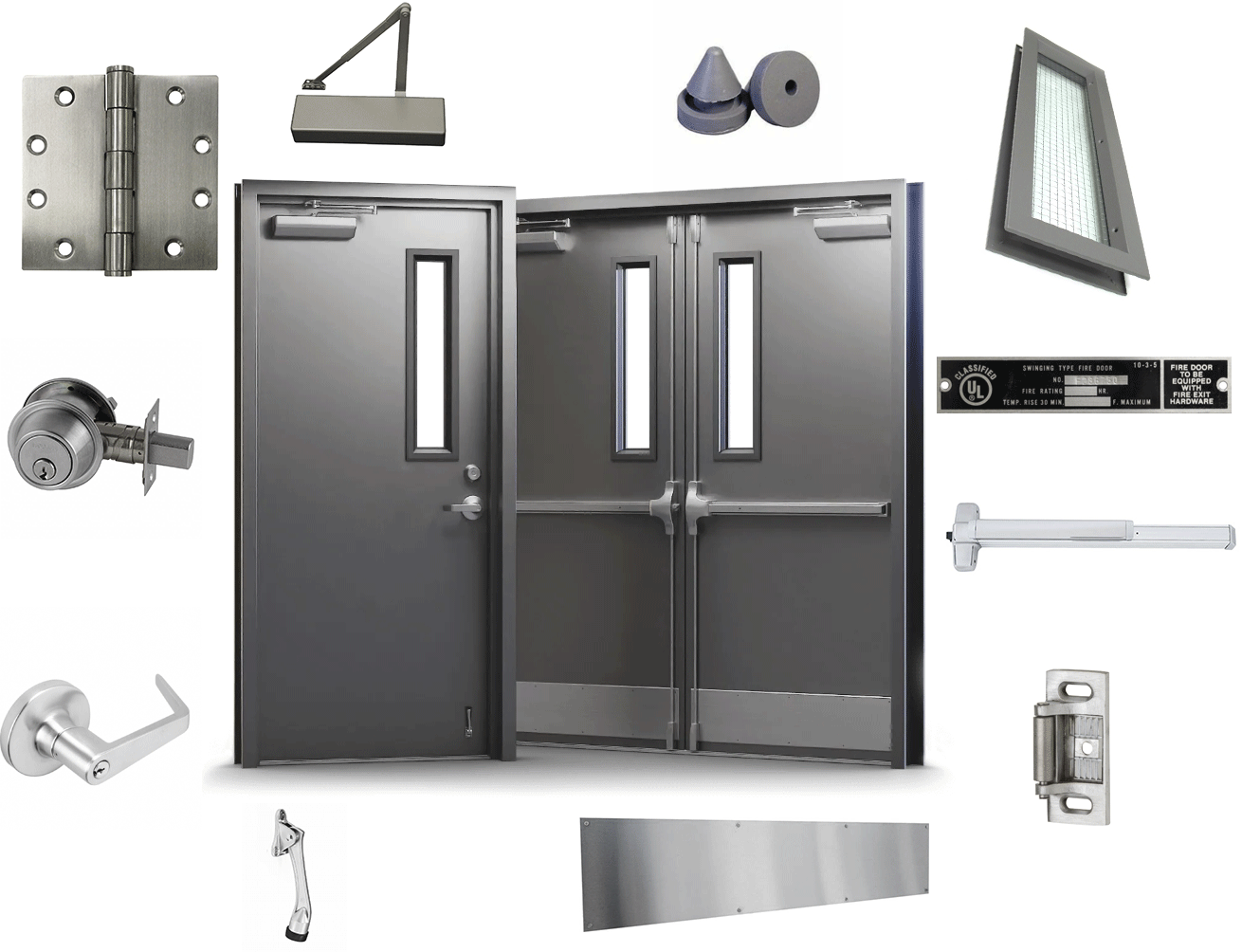
Galvanization represents one of the most effective methods for protecting steel from corrosion and environmental damage. This process involves applying a protective zinc coating to steel surfaces, creating a barrier that significantly extends the material's lifespan. When it comes to galvanised steel doors, this treatment becomes particularly crucial as these entry systems must withstand constant exposure to weather elements, moisture, and daily wear. Understanding the galvanization process and its benefits helps property owners make informed decisions about their security and access solutions.
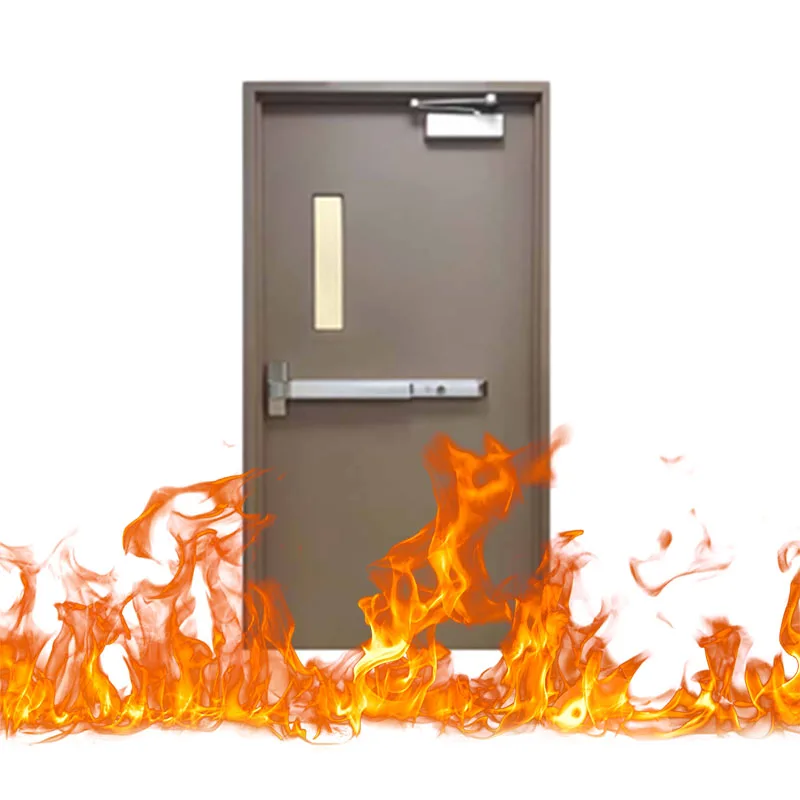
The galvanization process transforms ordinary steel into a highly durable material capable of resisting rust and corrosion for decades. This protection becomes essential in door applications where structural integrity and aesthetic appeal must be maintained over extended periods. Galvanised steel doors offer superior performance compared to untreated alternatives, making them ideal for commercial, industrial, and residential applications where reliability matters most.
Understanding the Galvanization Process
Hot-Dip Galvanizing Method
Hot-dip galvanizing involves immersing cleaned steel components into molten zinc at temperatures reaching approximately 450 degrees Celsius. This process creates a metallurgical bond between the zinc and steel substrate, forming multiple intermetallic layers that provide exceptional corrosion resistance. The zinc coating thickness typically ranges from 45 to 85 microns, depending on the steel's composition and surface preparation quality.
During the hot-dip process, the steel undergoes several preparation stages including degreasing, pickling, and fluxing before entering the zinc bath. These preparatory steps ensure optimal adhesion and uniform coating distribution across all surfaces. The resulting galvanised steel doors exhibit superior durability characteristics that cannot be achieved through alternative coating methods.
Electrogalvanizing Process
Electrogalvanizing utilizes electrochemical deposition to apply thin zinc layers onto steel surfaces. This method provides precise control over coating thickness and produces smooth, uniform finishes ideal for applications requiring specific aesthetic qualities. While electrogalvanized coatings are thinner than hot-dip applications, they offer excellent corrosion protection for interior and moderate exterior environments.
The electrogalvanizing process operates at room temperature and allows for selective coating of specific areas or components. This precision makes it particularly suitable for complex door hardware and intricate design elements. Galvanised steel doors produced through this method often feature enhanced paint adhesion properties, making them excellent candidates for custom color applications.
Corrosion Protection Mechanisms
Barrier Protection Properties
Zinc coatings provide primary protection by creating a physical barrier between the steel substrate and corrosive environmental elements. This barrier prevents oxygen, moisture, and other aggressive substances from reaching the underlying steel surface. The protective layer remains intact even under mechanical stress, maintaining its effectiveness throughout the service life of galvanised steel doors.
The barrier protection mechanism proves particularly valuable in coastal environments where salt spray and high humidity levels accelerate corrosion processes. Galvanised steel doors in these conditions maintain their structural integrity and appearance far longer than untreated alternatives, reducing maintenance requirements and replacement costs significantly.
Sacrificial Protection Benefits
Beyond barrier protection, zinc provides sacrificial or cathodic protection to exposed steel areas. When the zinc coating becomes damaged or scratched, it continues protecting the underlying steel by preferentially corroding instead of the base material. This electrochemical process ensures that even minor coating damage does not compromise the overall protection system.
The sacrificial protection mechanism explains why galvanised steel doors maintain their performance even when subjected to impact damage or wear. Small scratches and abrasions that might cause rapid corrosion in painted steel surfaces pose minimal threat to properly galvanized components. This self-healing characteristic makes galvanised steel doors particularly suitable for high-traffic applications.
Performance Advantages in Door Applications
Durability and Longevity
Galvanised steel doors demonstrate exceptional longevity in diverse environmental conditions, often lasting 50 years or more with minimal maintenance. The zinc coating provides continuous protection against atmospheric corrosion, ensuring that door frames, panels, and hardware maintain their structural integrity throughout their service life. This extended durability translates to significant cost savings compared to frequent replacement of non-galvanized alternatives.
Field studies consistently show that galvanised steel doors outperform painted steel and other materials in terms of corrosion resistance and structural stability. The zinc coating's ability to withstand temperature fluctuations, moisture exposure, and mechanical stress makes these doors ideal for challenging applications including emergency exits, loading docks, and exterior access points.
Maintenance Requirements
One of the most significant advantages of galvanised steel doors lies in their minimal maintenance requirements. Unlike painted surfaces that require regular recoating to maintain protection, galvanized coatings provide continuous corrosion resistance without periodic renewal. Routine cleaning with mild detergents and water typically suffices to maintain both appearance and performance characteristics.
When maintenance becomes necessary, galvanised steel doors can often be restored through simple cleaning and minor touch-up procedures. The zinc coating's self-healing properties mean that small scratches and abrasions naturally resist corrosion spreading, eliminating the need for immediate repair interventions that painted surfaces require.
Environmental and Economic Benefits
Sustainability Considerations
Galvanization contributes significantly to environmental sustainability through extended product lifecycles and material conservation. The longevity of galvanised steel doors reduces the frequency of replacements, minimizing resource consumption and waste generation over time. Additionally, zinc coatings are completely recyclable, allowing end-of-life products to be processed and reused in new applications.
The environmental benefits of galvanised steel doors extend beyond recyclability to include reduced maintenance-related impacts. Fewer coating renewals mean decreased volatile organic compound emissions and reduced chemical usage compared to regularly painted alternatives. This environmental advantage becomes particularly important for organizations pursuing green building certifications and sustainability goals.
Lifecycle Cost Analysis
While initial costs for galvanised steel doors may exceed those of painted alternatives, lifecycle cost analysis consistently demonstrates superior value propositions. The combination of extended service life, reduced maintenance requirements, and minimal replacement frequency creates substantial long-term savings. These economic benefits become more pronounced in challenging environments where corrosion rates accelerate.
Total cost of ownership calculations for galvanised steel doors typically show 20-30% savings compared to painted steel alternatives over 25-year periods. These savings result from reduced maintenance labor, material costs, and business disruption associated with door replacement activities. The economic advantages make galvanised steel doors particularly attractive for commercial and industrial applications where operational efficiency matters.
Application Considerations and Selection
Environmental Suitability
Different environments present varying challenges for galvanised steel doors, requiring careful selection based on specific exposure conditions. Coastal applications benefit tremendously from galvanization's salt spray resistance, while industrial environments with chemical exposures may require additional protective measures. Understanding environmental factors helps ensure optimal performance and longevity.
Temperature extremes, humidity levels, and pollutant concentrations all influence the performance of galvanised steel doors. Arctic conditions may require special zinc alloy formulations, while tropical environments benefit from standard hot-dip galvanizing. Proper environmental assessment ensures that door specifications match actual service requirements effectively.
Design and Aesthetic Options
Modern galvanised steel doors offer extensive design flexibility without compromising corrosion protection. Post-galvanizing treatments allow for various finish options including powder coating, wet painting, and specialized texture applications. These treatments bond excellently to galvanized surfaces, providing both aesthetic appeal and additional protection layers.
Architectural applications increasingly specify galvanised steel doors for their combination of performance and design versatility. The characteristic zinc appearance can be maintained for industrial aesthetics or modified through various finishing techniques to match specific architectural requirements. This flexibility makes galvanised steel doors suitable for diverse applications from utilitarian to high-end architectural projects.
FAQ
How long do galvanised steel doors typically last
Galvanised steel doors typically last 50 years or more in most environments, with some installations exceeding 70 years in favorable conditions. The actual lifespan depends on environmental factors such as humidity, temperature fluctuations, and exposure to corrosive substances. Proper installation and minimal maintenance help maximize the service life of these durable door systems.
Can galvanised steel doors be painted after installation
Yes, galvanised steel doors can be successfully painted after installation using appropriate surface preparation and compatible coating systems. The zinc surface should be lightly abraded or treated with etching primers to ensure proper paint adhesion. Many manufacturers offer pre-painted galvanised steel doors where the coating is applied over the zinc layer during production for optimal durability.
What maintenance is required for galvanised steel doors
Galvanised steel doors require minimal maintenance, typically involving periodic cleaning with mild soap and water to remove dirt and debris. Annual inspections should check for mechanical damage, hardware functionality, and weather seal integrity. Unlike painted surfaces, the zinc coating does not require regular reapplication, making maintenance both simple and cost-effective.
Are galvanised steel doors suitable for fire-rated applications
Galvanised steel doors are excellent for fire-rated applications as the zinc coating does not compromise the steel's fire resistance properties. Many fire-rated door assemblies utilize galvanized components for enhanced durability and corrosion resistance. The galvanization process actually improves the door's longevity without affecting its fire performance characteristics or certification requirements.