 EN
EN

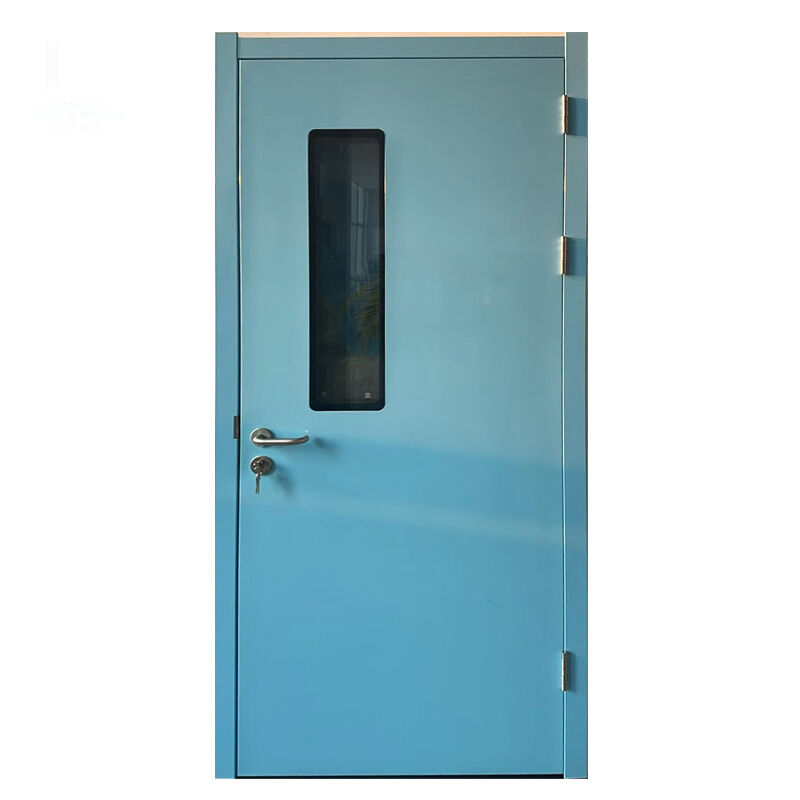
The architectural landscape has evolved significantly, with modern steel door solutions becoming the cornerstone of contemporary building design. These sophisticated entry systems combine industrial strength with aesthetic appeal, offering property owners an unmatched blend of security and visual impact. Today's modern steel door installations represent more than just functional barriers; they serve as design statements that define the character of commercial facilities, healthcare environments, and high-end residential properties. The integration of sleek handle sets and premium finishes transforms these robust structures into architectural focal points that enhance property value while maintaining superior performance standards.
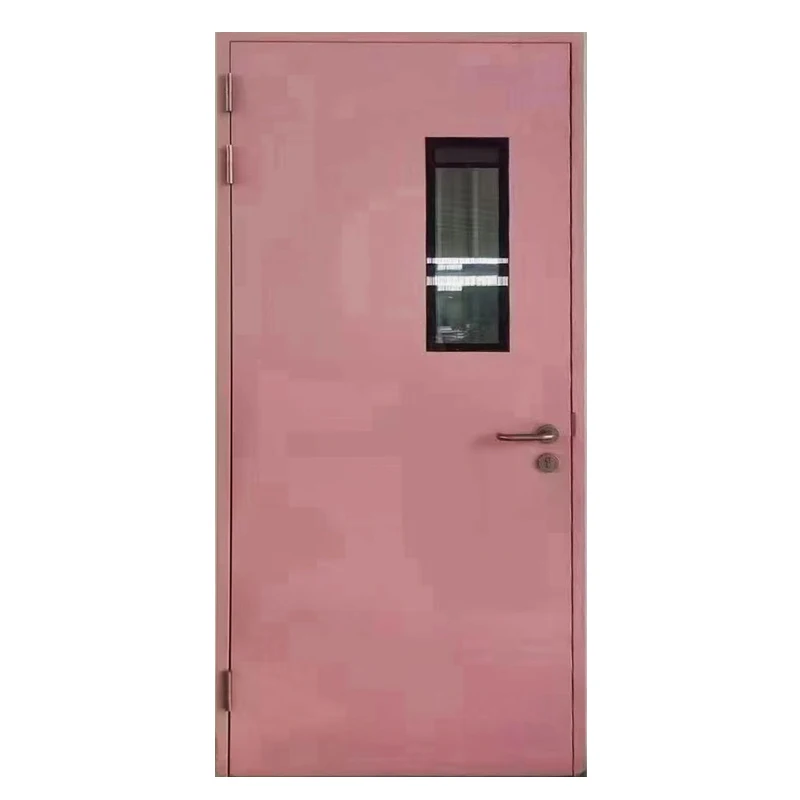
Essential Design Elements of Contemporary Steel Door Systems
Material Composition and Structural Integrity
The foundation of any exceptional modern steel door lies in its material composition and structural engineering. Premium-grade steel construction ensures long-lasting durability while maintaining the sleek profiles demanded by contemporary architecture. Advanced manufacturing techniques allow for precise tolerances and smooth operation mechanisms that complement the overall aesthetic vision. The steel composition undergoes specialized treatments to resist corrosion, weathering, and daily wear, making these doors ideal for high-traffic environments where reliability is paramount.
Structural reinforcement systems integrated within modern steel door frames provide enhanced security without compromising the clean lines that define contemporary design. These reinforcements are strategically positioned to maximize strength while maintaining minimal visual impact. The engineering process considers thermal expansion, seismic requirements, and operational stresses to ensure consistent performance across diverse environmental conditions.
Surface Preparation and Finish Application
Surface preparation forms the critical foundation for achieving premium finishes on modern steel door installations. Advanced preparation techniques remove impurities and create optimal adhesion surfaces for subsequent coating applications. Multiple preparation stages ensure uniform texture and eliminate potential failure points that could compromise long-term appearance. Professional preparation protocols include degreasing, abrasive cleaning, and chemical etching to establish the ideal surface profile for finish adhesion.
The finish application process employs state-of-the-art coating technologies that deliver exceptional durability and visual appeal. Electrostatic powder coating systems provide uniform coverage with superior resistance to chipping, fading, and environmental degradation. Liquid coating alternatives offer expanded color options and specialized performance characteristics for unique application requirements. Quality control measures throughout the finishing process ensure consistent results that meet stringent architectural specifications.
Handle Set Selection and Integration Strategies
Ergonomic Design Principles
Selecting appropriate handle sets for modern steel door applications requires careful consideration of ergonomic principles and user interaction patterns. Professional-grade handles incorporate contoured grips that accommodate diverse hand sizes while reducing operational fatigue during frequent use. The positioning and angle of handle components directly impact user comfort and accessibility compliance, making proper selection crucial for successful installations.
Material selection for handle components balances durability requirements with aesthetic preferences, ensuring seamless integration with the overall door design. Stainless steel, aluminum alloys, and specialized composites offer distinct advantages depending on environmental conditions and performance expectations. The integration process considers mounting techniques, reinforcement requirements, and maintenance accessibility to optimize long-term functionality.
Security Integration and Access Control
Modern handle sets incorporate sophisticated security features that complement the robust protection provided by modern steel door systems. Electronic access control integration allows for keyless entry, audit trails, and remote monitoring capabilities that enhance security management. Mechanical locking mechanisms provide backup protection and ensure continued operation during power outages or system maintenance periods.
The coordination between handle hardware and door frame components requires precise installation techniques to maintain security integrity. Reinforcement plates, strike systems, and alignment protocols ensure proper engagement and resistance to forced entry attempts. Professional installation practices include testing procedures that verify operational performance and security compliance across all operational scenarios.
Finish Options and Performance Characteristics
Powder Coating Technologies
Powder coating represents the gold standard for modern steel door finish applications, offering superior durability and environmental resistance compared to traditional liquid coating systems. The electrostatic application process ensures uniform coverage across complex geometries and recessed areas that characterize contemporary door designs. Curing temperatures and timing parameters are precisely controlled to optimize coating properties and achieve specified performance standards.
Color stability and fade resistance make powder coatings ideal for exterior modern steel door installations exposed to intense UV radiation and temperature fluctuations. The molecular structure of properly cured powder coatings provides exceptional resistance to scratching, chipping, and chemical exposure. Maintenance requirements are minimal, with routine cleaning sufficient to maintain original appearance for extended service periods.
Specialty Finish Applications
Specialty finishes expand design possibilities for modern steel door projects requiring unique aesthetic characteristics or specialized performance properties. Textured finishes provide enhanced grip surfaces and conceal minor imperfections while adding visual interest to large door installations. Metallic and pearlescent finishes create dynamic color shifts that respond to changing light conditions throughout the day.
Anti-microbial coatings have gained prominence in healthcare and food processing environments where modern steel door installations must meet stringent hygiene requirements. These specialized formulations inhibit bacterial growth while maintaining the appearance and durability characteristics expected from premium door systems. Application techniques for specialty finishes often require controlled environments and specialized equipment to achieve optimal results.
Installation Considerations and Best Practices
Pre-Installation Planning
Successful modern steel door installations begin with comprehensive pre-installation planning that addresses structural requirements, dimensional constraints, and coordination with other building systems. Site surveys identify potential conflicts with electrical, plumbing, or HVAC components that could impact installation procedures. Accurate measurements and template verification prevent costly delays and ensure proper fit during the installation process.
Coordination with other trades becomes critical when modern steel door installations intersect with security systems, access control networks, or specialized environmental controls. Scheduling considerations account for material delivery, equipment access, and cure times for adhesives or sealants used in the installation process. Quality control checkpoints throughout the planning phase verify compliance with architectural specifications and building code requirements.
Professional Installation Techniques
Professional installation of modern steel door systems requires specialized tools and techniques to achieve proper alignment, weatherproofing, and operational performance. Frame installation procedures ensure square and plumb positioning while accommodating structural tolerances and thermal movement. Shimming and adjustment protocols allow for fine-tuning that optimizes door operation and seal compression.
Hardware installation follows manufacturer specifications for mounting torque, thread engagement, and adjustment ranges to ensure reliable operation throughout the door's service life. Testing procedures verify smooth operation, proper locking engagement, and weatherseal effectiveness before final acceptance. Documentation of installation parameters provides valuable reference information for future maintenance and warranty service.
Maintenance and Long-Term Performance
Preventive Maintenance Protocols
Establishing preventive maintenance protocols extends the service life of modern steel door installations while preserving their aesthetic appeal and operational performance. Regular inspection schedules identify potential issues before they compromise door function or security integrity. Lubrication of moving components, adjustment of hardware settings, and cleaning of drainage systems form the foundation of effective maintenance programs.
Seasonal maintenance considerations address the unique challenges posed by temperature extremes, precipitation, and environmental contaminants that can affect modern steel door performance. Winter preparations include checking weatherseal condition, testing heating elements where applicable, and ensuring proper drainage to prevent ice formation. Summer maintenance focuses on thermal expansion accommodation, UV protection verification, and cooling system maintenance for climate-controlled environments.
Performance Monitoring and Optimization
Continuous performance monitoring helps identify trends that could indicate developing issues with modern steel door systems before they result in operational failures. Electronic monitoring systems track usage patterns, environmental conditions, and operational parameters to provide data-driven insights for maintenance planning. Regular performance assessments compare actual operation against design specifications to identify optimization opportunities.
Upgrade possibilities allow existing modern steel door installations to incorporate new technologies and improved components as they become available. Retrofit options include enhanced security hardware, improved weatherproofing systems, and updated access control integration. The modular nature of professional door systems facilitates selective upgrades without requiring complete system replacement.
FAQ
What factors determine the best handle set for a modern steel door installation
The selection of handle sets for modern steel door applications depends on several critical factors including traffic volume, security requirements, and aesthetic preferences. High-traffic environments benefit from heavy-duty handles with reinforced mounting systems and ergonomic designs that reduce user fatigue. Security considerations may require integrated access control compatibility or specialized locking mechanisms. The handle material and finish must complement the door's overall design while providing adequate durability for the intended application environment.
How do different finish options affect the longevity of modern steel door systems
Finish selection significantly impacts the long-term performance and appearance retention of modern steel door installations. Powder coated finishes typically provide superior durability with excellent resistance to chipping, fading, and environmental degradation compared to liquid coatings. Specialty finishes like anti-microbial or textured coatings offer additional performance benefits but may require specific maintenance protocols. The quality of surface preparation and application techniques directly influences finish longevity regardless of the coating type selected.
What maintenance requirements should be expected for modern steel door installations
Modern steel door systems require minimal maintenance when properly installed and finished with quality materials. Routine cleaning with mild detergents maintains appearance and prevents contamination buildup. Annual inspections should verify hardware operation, weatherseal condition, and finish integrity. Lubrication of moving components and adjustment of hardware settings may be required periodically based on usage patterns and environmental conditions. Professional maintenance services can provide comprehensive inspections and perform specialized repairs when needed.
How does proper installation impact the performance of handle sets and finishes
Professional installation techniques are crucial for optimizing the performance of both handle sets and finishes on modern steel door systems. Proper mounting procedures ensure handle alignment and secure attachment that prevents loosening or damage during operation. Installation environment control protects freshly applied finishes from contamination or damage during the construction process. Correct adjustment of all components during installation establishes optimal operation parameters and minimizes wear on both hardware and finish surfaces throughout the door's service life.
Table of Contents
- Essential Design Elements of Contemporary Steel Door Systems
- Handle Set Selection and Integration Strategies
- Finish Options and Performance Characteristics
- Installation Considerations and Best Practices
- Maintenance and Long-Term Performance
-
FAQ
- What factors determine the best handle set for a modern steel door installation
- How do different finish options affect the longevity of modern steel door systems
- What maintenance requirements should be expected for modern steel door installations
- How does proper installation impact the performance of handle sets and finishes