 EN
EN

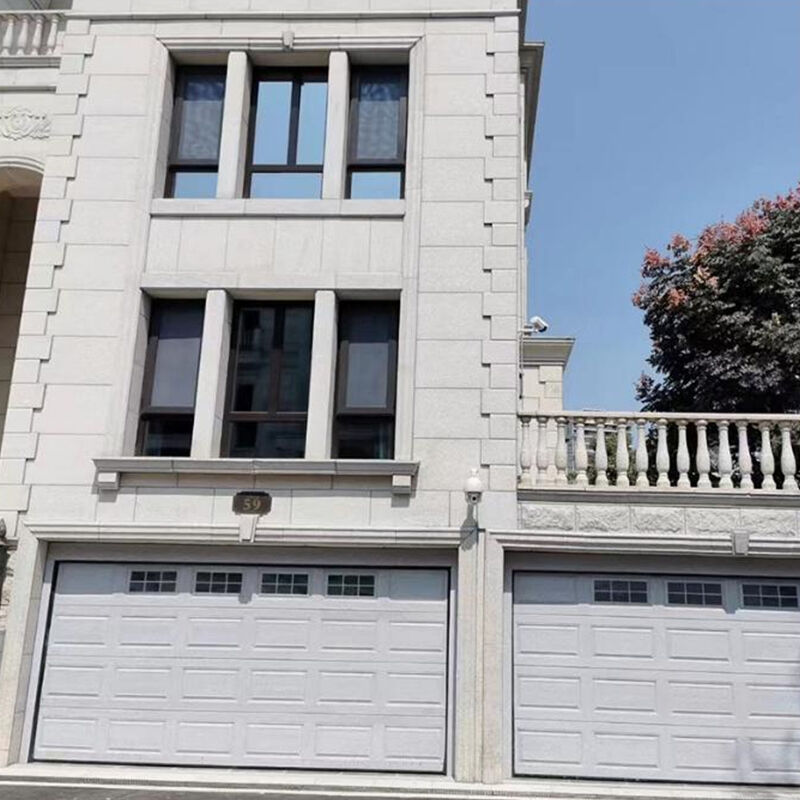
Contemporary architecture continues to evolve with cutting-edge materials and innovative design approaches that prioritize both aesthetics and functionality. Among the most significant developments in architectural hardware, modern steel door designs have emerged as a defining element that bridges industrial strength with sophisticated visual appeal. These advanced door solutions represent a paradigm shift from traditional materials, offering architects and homeowners unprecedented opportunities to create stunning entrances that complement today's sleek architectural styles while delivering superior performance and durability.
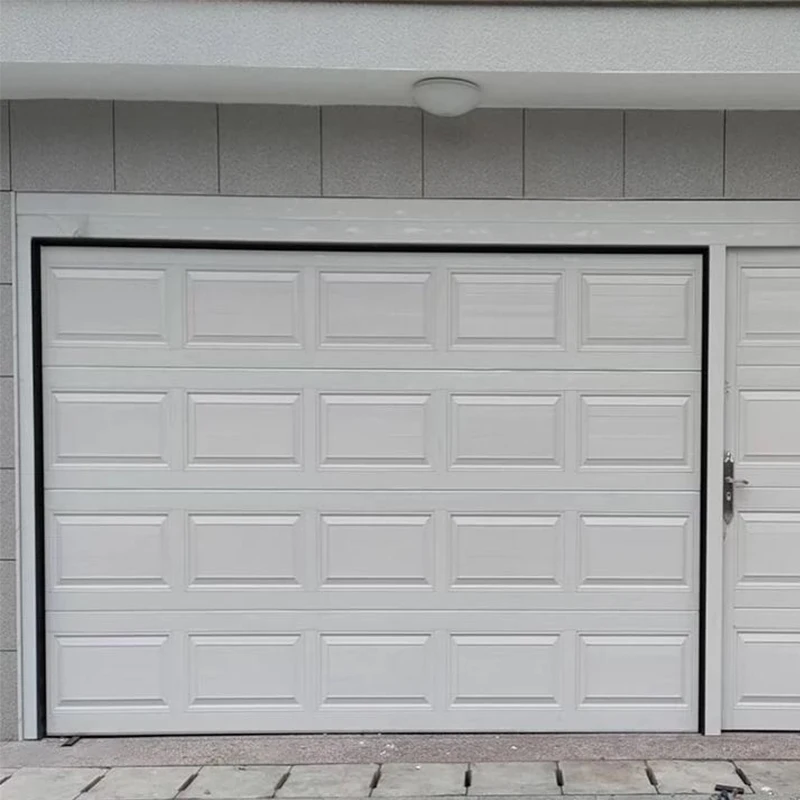
The integration of steel as a primary material in door manufacturing reflects the broader trend toward sustainable, long-lasting building components that reduce maintenance costs while enhancing property value. Modern steel door designs incorporate advanced metallurgy techniques that produce lighter yet stronger materials, enabling architects to create expansive openings without compromising structural integrity. This technological advancement has revolutionized the way we approach entrance design, allowing for seamless integration with glass panels, automated systems, and smart home technologies that define contemporary living spaces.
Evolution of Steel Door Technology in Modern Architecture
Advanced Manufacturing Processes and Material Innovation
The transformation of steel door manufacturing has been driven by breakthrough technologies in metallurgy and precision engineering. Contemporary production methods utilize high-strength steel alloys that undergo specialized heat treatment processes, resulting in doors that possess exceptional resistance to environmental factors while maintaining elegant profiles. Modern steel door designs benefit from computerized manufacturing systems that ensure consistent quality and enable complex geometric patterns that were previously impossible to achieve with traditional fabrication methods.
Powder coating technologies have revolutionized surface finishing for steel doors, providing superior protection against corrosion, UV radiation, and extreme weather conditions. These advanced coating systems offer virtually unlimited color options and texture variations, allowing designers to create custom finishes that perfectly complement architectural themes. The durability of modern powder coatings extends the lifespan of steel doors significantly, making them an economically sound investment for both residential and commercial applications where appearance and performance are paramount.
Integration with Smart Technology Systems
Contemporary steel door installations increasingly incorporate sophisticated automation and security technologies that enhance both convenience and safety. Smart lock systems, biometric access controls, and integrated sensor networks transform traditional entrances into intelligent gateways that respond to user preferences and security protocols. Modern steel door designs accommodate these technological integrations seamlessly, with concealed wiring channels and reinforced mounting points that maintain clean aesthetic lines while supporting advanced functionality.
The compatibility of steel construction with electromagnetic and wireless technologies makes these doors ideal for smart home ecosystems. Remote monitoring capabilities, automatic opening sequences, and integration with building management systems represent just a few of the advanced features that modern steel doors can support. This technological versatility positions steel doors as future-ready solutions that adapt to evolving user requirements and emerging technologies without requiring structural modifications.
Aesthetic Principles in Contemporary Steel Door Design
Minimalist Design Philosophy and Clean Lines
The minimalist movement in architecture has profoundly influenced modern steel door designs, emphasizing simplicity, functionality, and visual clarity. Contemporary steel doors feature clean geometric forms with minimal decorative elements, allowing the inherent beauty of the material and craftsmanship to create visual impact. This design philosophy aligns perfectly with current architectural trends that prioritize uncluttered spaces and emphasize the relationship between interior and exterior environments through thoughtful material selection and proportional relationships.
Precision manufacturing enables the creation of steel doors with remarkably thin profiles and seamless joints that contribute to the overall architectural aesthetic. The ability to achieve consistent gap tolerances and perfect alignment enhances the visual appeal while ensuring optimal performance. Modern steel door designs often incorporate flush-mounted hardware and concealed hinges that maintain clean surfaces and eliminate visual distractions, supporting the minimalist aesthetic while providing reliable operation for decades of use.
Material Combinations and Textural Contrasts
Contemporary architects increasingly explore the dramatic visual possibilities created by combining steel with complementary materials such as glass, wood, and natural stone. Modern steel door designs serve as striking focal points that anchor larger compositional schemes while maintaining functional excellence. The industrial character of steel provides an ideal contrast to softer materials, creating dynamic visual relationships that enhance the overall architectural narrative and establish memorable entrance experiences.
Textural variations in steel finishing techniques offer designers extensive creative possibilities for customization and brand expression. Brushed finishes create subtle directional patterns that interact beautifully with natural light, while embossed textures add tactile interest and visual depth. The versatility of modern steel door designs allows for the incorporation of custom patterns, corporate logos, or artistic elements that reflect specific design intentions while maintaining the inherent strength and security characteristics that define quality steel construction.
Performance Characteristics and Engineering Excellence
Structural Integrity and Load-Bearing Capabilities
The engineering excellence of modern steel door designs stems from advanced structural analysis and optimized material distribution that maximizes strength while minimizing weight. Contemporary steel doors utilize hollow-core construction with strategic reinforcement zones that provide exceptional rigidity and impact resistance. This sophisticated approach to structural design enables the creation of large-scale doors that operate smoothly while maintaining perfect alignment over extended service periods, even under demanding environmental conditions.
Advanced finite element analysis during the design phase ensures that modern steel door designs meet or exceed industry standards for structural performance and safety. The ability to model stress distribution patterns and predict long-term behavior enables engineers to optimize material usage and identify potential failure points before manufacturing begins. This scientific approach to door design results in products that deliver consistent performance and exceptional longevity, making them ideal for high-traffic applications and demanding architectural projects.
Energy Efficiency and Thermal Performance
Thermal bridging control represents a critical consideration in modern steel door designs, as steel's high thermal conductivity requires sophisticated engineering solutions to achieve acceptable energy performance. Contemporary manufacturing techniques incorporate thermal breaks, insulated core materials, and advanced weatherstripping systems that significantly improve the energy efficiency of steel doors. These technological innovations enable architects to specify modern steel door designs for projects with stringent energy codes while maintaining the aesthetic and security benefits of steel construction.
Multi-chamber weatherstripping systems and compression seals create multiple barriers against air infiltration and moisture penetration, enhancing both energy performance and interior comfort. The precision manufacturing capabilities of modern steel door production ensure consistent seal compression and optimal contact pressure across the entire door perimeter. These engineering refinements contribute to significant improvements in thermal performance while maintaining the sleek appearance and reliable operation that define quality steel door installations.
Installation Considerations and Best Practices
Site Preparation and Structural Requirements
Successful installation of modern steel door designs requires careful attention to site preparation and structural compatibility to ensure optimal performance and longevity. The substantial weight of steel doors necessitates adequate foundation support and properly sized structural framing that can accommodate both static loads and dynamic forces generated during operation. Professional assessment of existing conditions and potential modifications helps identify any structural reinforcement requirements before installation begins, preventing costly delays and ensuring code compliance.
Precise measurement and alignment during installation are critical factors that determine the long-term performance of steel door systems. Modern steel door designs incorporate tight manufacturing tolerances that require corresponding precision during installation to achieve proper fit and operation. Professional installers utilize laser measurement tools and specialized adjustment mechanisms to ensure perfect alignment and optimal seal contact pressure across the entire door perimeter, maximizing both performance and aesthetic appeal.
Integration with Building Systems and Infrastructure
The integration of modern steel door designs with existing building systems requires careful coordination with electrical, security, and automation infrastructure. Contemporary steel doors often incorporate sophisticated control systems that interface with building management networks, requiring proper cable routing and connection protocols. Professional installation teams coordinate with other trades to ensure seamless integration while maintaining the clean aesthetic lines that characterize modern steel door installations.
Proper grounding and electrical safety measures are essential considerations when installing steel doors, particularly in applications involving automated operation or electronic security systems. Modern installation practices incorporate surge protection and proper circuit isolation to protect sensitive electronic components while ensuring reliable operation under all conditions. These technical considerations require specialized knowledge and experience that qualified installation professionals bring to each project, ensuring both safety and optimal performance.
Maintenance and Longevity Considerations
Preventive Maintenance Protocols
The exceptional durability of modern steel door designs requires minimal maintenance when proper preventive care protocols are established and followed consistently. Regular inspection of hardware components, lubrication of moving parts, and cleaning of surface finishes help maintain optimal appearance and operation while preventing costly repairs or premature replacement. Professional maintenance programs typically include detailed checklists and schedules that address all critical components and systems integrated into contemporary steel door installations.
Advanced coating systems used in modern steel door designs provide excellent protection against environmental factors, but periodic inspection and touch-up procedures help maintain peak performance and appearance. Professional maintenance teams utilize specialized cleaning products and techniques that preserve coating integrity while removing accumulated dirt and contaminants. This proactive approach to maintenance significantly extends service life while maintaining the pristine appearance that defines quality steel door installations.
Troubleshooting and Performance Optimization
Modern steel door designs incorporate sophisticated adjustment mechanisms that enable fine-tuning of operation characteristics and seal performance throughout their service life. Professional technicians utilize precision measurement tools and calibrated adjustment procedures to optimize door operation and maintain manufacturer specifications. Regular performance assessments help identify potential issues before they affect operation, enabling proactive maintenance that prevents costly emergency repairs and ensures consistent performance.
The modular construction of contemporary steel door systems facilitates component replacement and system upgrades without requiring complete door replacement. This design philosophy supports long-term value and adaptability to changing requirements, making modern steel door designs an economically sound investment for discerning property owners. Professional service providers maintain comprehensive parts inventories and technical documentation that enable rapid response to service requirements and system modifications.
Environmental Impact and Sustainability
Recycled Content and Material Lifecycle
The environmental advantages of modern steel door designs include high recycled content and complete recyclability at the end of service life, supporting sustainable building practices and LEED certification requirements. Steel manufacturing utilizes significant quantities of recycled materials, reducing the environmental impact of raw material extraction while maintaining structural properties and performance characteristics. This closed-loop material cycle positions steel doors as environmentally responsible choices for architects and developers committed to sustainable construction practices.
The exceptional durability and longevity of modern steel door designs contribute to their environmental sustainability by reducing replacement frequency and associated material consumption. Contemporary steel doors routinely provide decades of reliable service with minimal maintenance requirements, significantly reducing lifecycle environmental impact compared to alternative materials that require more frequent replacement. This durability advantage makes steel doors particularly attractive for projects where long-term sustainability objectives are prioritized alongside performance and aesthetic considerations.
Energy Performance and Carbon Footprint
Advanced insulation systems and thermal break technologies in modern steel door designs contribute to building energy efficiency and reduced operational carbon footprint. Improved thermal performance reduces heating and cooling loads while maintaining comfortable interior conditions, supporting overall building sustainability objectives. The ability to achieve excellent energy performance while maintaining the security and durability advantages of steel construction makes contemporary steel doors ideal for high-performance building applications.
Manufacturing efficiency improvements and transportation optimization further reduce the environmental impact of modern steel door designs throughout their lifecycle. Advanced production techniques minimize material waste while improving quality consistency, and regional manufacturing capabilities reduce transportation distances and associated emissions. These comprehensive sustainability advantages position modern steel door designs as preferred solutions for environmentally conscious projects that demand both performance excellence and responsible material selection.
FAQ
What are the main advantages of modern steel door designs over traditional materials
Modern steel door designs offer superior durability, security, and longevity compared to traditional materials like wood or aluminum. Steel doors provide exceptional resistance to forced entry, weather damage, and everyday wear while maintaining their appearance for decades. The strength-to-weight ratio of contemporary steel alloys enables larger door sizes and more complex designs while ensuring reliable operation and minimal maintenance requirements.
How do modern steel door designs integrate with smart home systems
Contemporary steel doors readily accommodate smart lock systems, automated opening mechanisms, and integrated security sensors through concealed wiring channels and reinforced mounting points. The electromagnetic compatibility of steel construction supports wireless communication systems while providing excellent security for electronic components. Modern steel door designs can interface with building management systems, mobile applications, and voice control platforms for seamless smart home integration.
What maintenance is required for modern steel door designs
Modern steel door designs require minimal maintenance consisting primarily of regular cleaning, hardware lubrication, and periodic inspection of seals and adjustment mechanisms. Professional maintenance typically includes annual inspection of all components, cleaning of tracks and hardware, and verification of proper alignment and operation. The advanced coating systems used on contemporary steel doors provide excellent protection with minimal touch-up requirements when proper care protocols are followed.
Are modern steel door designs energy efficient
Yes, modern steel door designs incorporate advanced thermal break technologies, insulated core materials, and sophisticated weatherstripping systems that achieve excellent energy performance. Contemporary manufacturing techniques address the thermal conductivity of steel through strategic insulation placement and thermal bridging control. These engineering solutions enable steel doors to meet or exceed energy code requirements while maintaining the structural and security advantages of steel construction.