 EN
EN

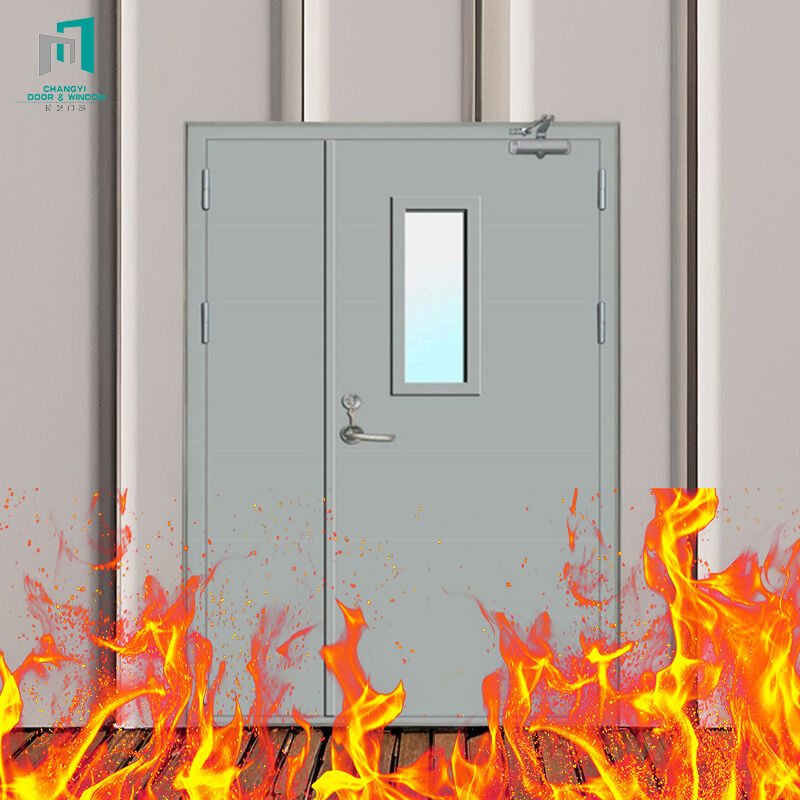
Basement water intrusion remains one of the most persistent challenges facing property owners, with inadequate door sealing contributing significantly to moisture-related damage. A properly installed steel basement door provides superior protection against water infiltration while offering enhanced security and durability compared to traditional wooden alternatives. Professional installation techniques and quality materials ensure long-term performance in demanding basement environments where moisture control is paramount.
Understanding Steel Basement Door Construction
Material Composition and Structural Benefits
Steel basement doors feature heavy-gauge construction that withstands extreme weather conditions and provides exceptional structural integrity. The galvanized steel core resists corrosion while maintaining dimensional stability across temperature fluctuations. Advanced powder coating finishes protect against moisture penetration and provide long-lasting aesthetic appeal. These doors typically incorporate reinforced hinges and locking mechanisms designed for basement-specific applications.
Modern steel basement door designs integrate multiple weather sealing systems including adjustable thresholds, compression seals, and drainage channels. The frame construction utilizes thermal breaks to minimize condensation formation while maintaining structural strength. Quality manufacturers employ precision welding techniques that eliminate potential water entry points along seam connections.
Waterproofing Technology Integration
Advanced waterproofing systems in steel basement doors utilize multi-layer sealing approaches that address hydrostatic pressure concerns. Primary sealing occurs through compression gaskets that create watertight barriers when properly adjusted. Secondary protection involves integrated drainage systems that channel water away from entry points.
Contemporary steel basement door installations incorporate vapor barriers and insulation systems that prevent moisture accumulation within door assemblies. These integrated solutions work synergistically with foundation waterproofing systems to create comprehensive moisture management strategies.
Site Preparation and Assessment Requirements
Foundation Condition Evaluation
Successful steel basement door installation begins with thorough foundation assessment to identify potential structural issues that could compromise water sealing performance. Foundation settling, crack formation, and existing water damage require remediation before door installation proceeds. Professional evaluation ensures proper door alignment and prevents future sealing failures.
Drainage system evaluation around the installation site determines whether additional waterproofing measures are necessary. Poor drainage conditions necessitate corrective action including French drain installation or surface grading modifications. Proper site drainage protects the steel basement door installation and extends service life significantly.
Opening Preparation and Measurement
Precise opening measurements ensure proper steel basement door fit and optimal sealing performance. Frame opening dimensions must accommodate both the door assembly and required sealing materials. Tolerance specifications typically allow minimal clearance to maintain structural integrity while ensuring smooth operation.
Opening preparation includes surface preparation for anchor point installation and sealant application. Concrete surfaces require proper cleaning and priming to ensure adhesive bonding of waterproofing materials. Metal anchoring systems demand precise drilling and placement to achieve specified holding strength requirements.
Professional Installation Techniques
Frame Assembly and Positioning
Professional installers begin steel basement door installation by assembling the frame system according to manufacturer specifications. Frame components require precise alignment to ensure proper door operation and sealing effectiveness. Temporary bracing maintains frame position during concrete anchoring procedures.
Level and plumb verification throughout the installation process prevents operational issues and sealing failures. Advanced laser leveling equipment ensures accuracy within industry tolerance standards. Frame positioning must account for thermal expansion while maintaining structural attachment to foundation walls.
Anchoring and Sealing Procedures
Mechanical anchoring systems for steel basement door frames utilize expansion anchors rated for basement moisture conditions. Anchor spacing follows structural engineering requirements to distribute loads evenly across foundation materials. Chemical anchoring systems provide additional holding strength in challenging foundation conditions.
Comprehensive sealing procedures involve multiple sealant types applied in specified sequences to create redundant water barriers. Primary sealing utilizes structural sealants between frame and foundation interfaces. Secondary sealing employs weather-resistant compounds around anchor penetrations and frame perimeters.
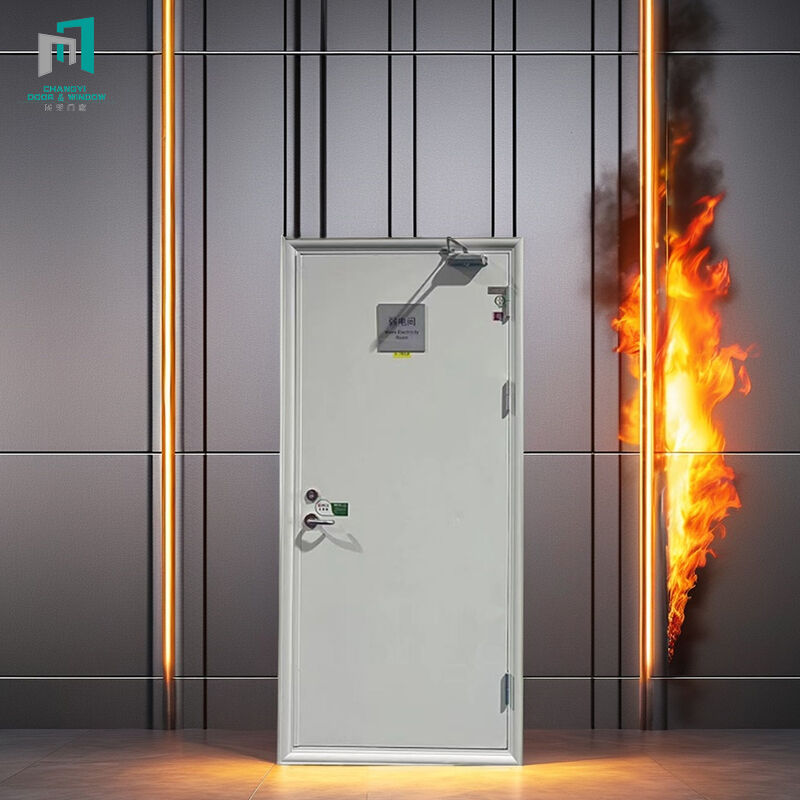
Quality Assurance and Testing Protocols
Water Penetration Testing
Professional steel basement door installations undergo rigorous water penetration testing to verify sealing effectiveness under simulated weather conditions. Testing protocols simulate driving rain conditions and hydrostatic pressure scenarios typical of basement environments. Performance verification ensures compliance with building code requirements and manufacturer warranties.
Advanced testing equipment measures water infiltration rates and identifies potential weak points in sealing systems. Testing procedures include multiple pressure levels to simulate various weather conditions. Documentation of test results provides verification of installation quality for property owners and insurance purposes.
Long-term Performance Monitoring
Ongoing performance monitoring of steel basement door installations involves periodic inspection of sealing systems and hardware components. Preventive maintenance schedules address normal wear patterns and environmental exposure effects. Early detection of potential issues prevents costly water damage and extends door service life.
Performance tracking includes documentation of seasonal adjustments required for optimal sealing effectiveness. Temperature fluctuations affect sealing material properties and door operation characteristics. Regular maintenance ensures continued watertight performance throughout service life expectations.
Cost Considerations and Return on Investment
Initial Investment Analysis
Steel basement door installations represent significant initial investments that provide substantial long-term value through water damage prevention and energy efficiency improvements. Cost factors include door assembly pricing, professional installation fees, and site preparation requirements. Quality installations justify higher initial costs through superior performance and longevity.
Comparative analysis with alternative door materials demonstrates the economic advantages of steel construction in basement applications. Steel doors typically provide lower lifecycle costs despite higher initial purchase prices. Insurance premium reductions often offset installation costs through reduced water damage risk profiles.
Energy Efficiency Benefits
Properly installed steel basement doors contribute to overall building energy efficiency through enhanced thermal performance and air sealing characteristics. Advanced insulation systems reduce heating and cooling loads in basement spaces. Energy savings accumulate over door service life to provide substantial economic returns.
Building envelope improvements through steel basement door installation often qualify for energy efficiency incentives and tax credits. Professional energy audits quantify actual savings and document performance improvements for rebate applications. Long-term energy cost reductions justify initial investment decisions.
Maintenance and Service Requirements
Routine Maintenance Procedures
Steel basement door maintenance involves regular inspection and adjustment of sealing systems to maintain watertight performance. Seasonal maintenance schedules address weather-related wear and environmental exposure effects. Proper maintenance extends door service life and preserves warranty coverage.
Hardware lubrication and adjustment procedures ensure smooth door operation and prevent premature component failure. Hinge mechanisms require periodic attention to maintain proper alignment and prevent binding. Lock mechanisms benefit from regular cleaning and lubrication to ensure reliable operation.
Professional Service Support
Professional service support for steel basement door installations provides expertise for complex maintenance and repair procedures. Qualified technicians possess specialized knowledge of sealing system adjustments and component replacement procedures. Professional service ensures warranty compliance and optimal performance maintenance.
Emergency repair services address urgent issues that could compromise water sealing effectiveness. Rapid response capabilities minimize potential water damage during severe weather events. Professional service relationships provide peace of mind for property owners investing in quality steel basement door systems.
FAQ
How long does professional steel basement door installation typically take
Professional steel basement door installation generally requires one to two full days depending on site conditions and preparation requirements. Complex installations involving extensive foundation work or drainage modifications may extend timeline requirements. Weather conditions can affect installation schedules, particularly during concrete anchoring procedures that require proper curing conditions.
What warranty coverage applies to steel basement door installations
Quality steel basement door installations typically include manufacturer warranties covering materials and workmanship for specified periods ranging from five to ten years. Installation warranties from qualified contractors provide additional coverage for installation-related issues. Warranty terms often require professional maintenance and proper operation to maintain coverage validity.
Can existing basement openings accommodate steel door installations
Most existing basement openings can accommodate steel basement door installations with appropriate preparation and modification procedures. Opening enlargement or reduction may be necessary to achieve proper fit and sealing performance. Professional assessment determines modification requirements and associated costs before installation proceeds.
What building permits are required for steel basement door installation
Building permit requirements for steel basement door installations vary by local jurisdiction and installation scope. Structural modifications typically require permits and inspection procedures. Professional installers familiar with local requirements assist with permit applications and ensure code compliance throughout installation processes.