 EN
EN

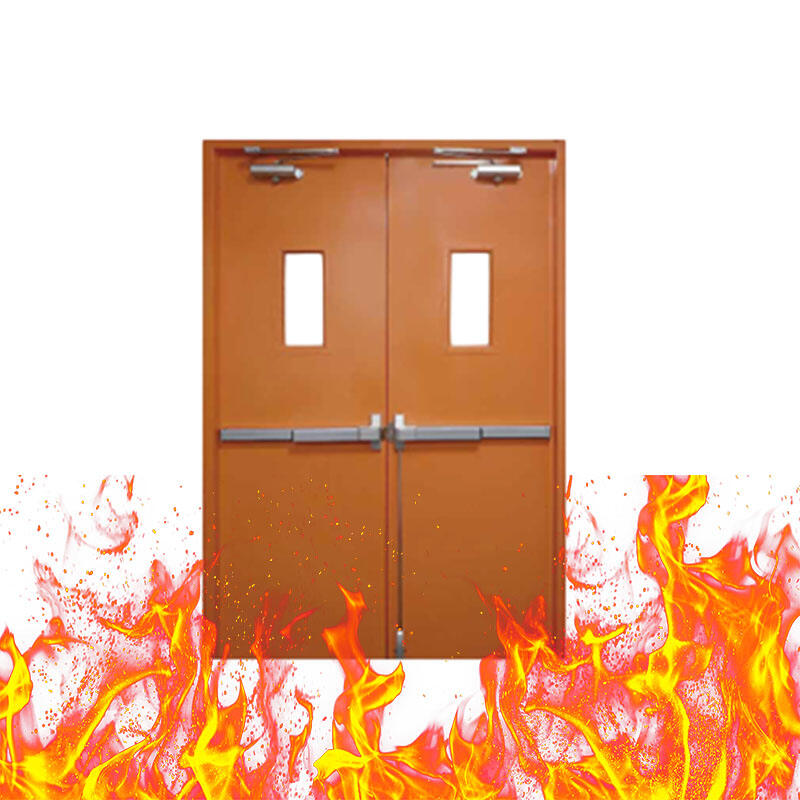
Modern industrial and commercial buildings require robust security solutions that can withstand harsh environmental conditions while maintaining structural integrity over decades. Galvanised steel doors represent the pinnacle of protective door technology, offering unparalleled resistance to corrosion, weather damage, and security threats. These specialized doors combine the inherent strength of steel with advanced galvanisation processes, creating barriers that excel in demanding applications across warehouses, manufacturing facilities, pharmaceutical plants, and high-security installations.
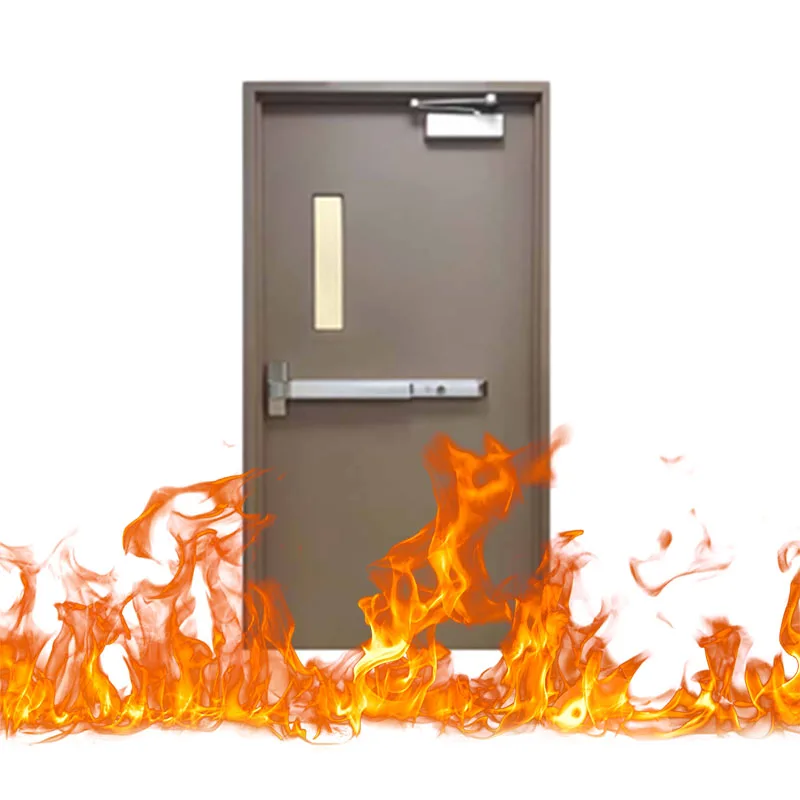
The galvanisation process transforms ordinary steel doors into corrosion-resistant fortifications through the application of protective zinc coatings. This metallurgical enhancement creates a sacrificial barrier that prevents moisture, oxygen, and corrosive elements from reaching the underlying steel substrate. Unlike painted surfaces that can chip or deteriorate over time, galvanised steel doors maintain their protective qualities through continuous electrochemical processes that actively defend against rust formation.
Understanding Galvanisation Technology in Door Manufacturing
Hot-Dip Galvanisation Process
The hot-dip galvanisation method represents the gold standard for protecting steel door components against environmental degradation. During this process, cleaned steel door frames and panels are immersed in molten zinc heated to approximately 450 degrees Celsius. The extreme temperature creates metallurgical bonding between the zinc coating and steel surface, forming multiple intermetallic layers that provide superior adhesion and longevity compared to alternative coating methods.
This intensive treatment ensures that galvanised steel doors develop uniform coating thickness across all surfaces, including complex geometries, welds, and hard-to-reach areas. The resulting zinc-iron alloy layers create a gradient of protection that becomes progressively harder toward the steel core, providing both flexibility and durability under mechanical stress and thermal cycling conditions.
Electrogalvanisation Techniques
Electrogalvanisation offers precise control over coating thickness and surface finish characteristics for specialized galvanised steel doors applications. This electroplating process deposits zinc through controlled electrical currents, allowing manufacturers to achieve specific coating weights and surface textures that meet particular performance requirements. The method proves especially valuable for doors requiring smooth finishes or precise dimensional tolerances.
Advanced electrogalvanisation systems incorporate sophisticated monitoring technologies that ensure consistent coating quality across large production batches. These controls enable manufacturers to produce galvanised steel doors with predictable performance characteristics and extended service lives in challenging environments such as coastal installations or chemical processing facilities.
Corrosion Resistance Advantages
Zinc Barrier Protection
The fundamental advantage of galvanised steel doors lies in their multi-layered defense system against corrosive attack. The outer zinc layer acts as an impermeable barrier that prevents moisture and atmospheric contaminants from reaching the steel substrate. Even when surface scratches or minor damage occurs, the surrounding zinc coating continues providing cathodic protection through electrochemical processes that actively inhibit rust formation.
Laboratory testing demonstrates that properly galvanised steel doors can withstand decades of exposure to salt spray, industrial chemicals, and extreme weather conditions without significant degradation. This exceptional durability makes them ideal choices for marine environments, chemical plants, and outdoor installations where conventional steel doors would quickly succumb to corrosion damage.
Self-Healing Properties
One remarkable characteristic of galvanised steel doors involves their ability to provide ongoing protection even after surface damage occurs. When scratches or abrasions penetrate the zinc coating, adjacent zinc molecules migrate to cover exposed steel areas through galvanic action. This self-healing mechanism ensures continuous protection without requiring immediate maintenance intervention.
The sacrificial nature of zinc coatings means that galvanised steel doors maintain their protective qualities throughout their service lives, gradually consuming the zinc layer while preserving the underlying steel structure. This gradual consumption process typically spans decades in normal service conditions, making these doors exceptionally cost-effective investments for long-term facility protection.
Industrial Applications and Performance Benefits
Manufacturing Environment Suitability
Manufacturing facilities present unique challenges for door systems, including exposure to chemical vapors, temperature variations, and frequent operational cycling. Galvanised steel doors excel in these demanding conditions, maintaining structural integrity and operational reliability despite continuous exposure to aggressive industrial atmospheres.
The thermal stability of galvanised coatings ensures that these doors perform consistently across wide temperature ranges without coating degradation or adhesion failure. This reliability proves crucial for automotive plants, pharmaceutical facilities, and food processing operations where door performance directly impacts production efficiency and regulatory compliance.
Coastal and Marine Applications
Coastal installations face severe corrosion challenges due to salt-laden air, high humidity, and temperature fluctuations. Galvanised steel doors demonstrate exceptional performance in these harsh marine environments, resisting salt spray corrosion that rapidly destroys unprotected steel surfaces. Port facilities, offshore platforms, and waterfront warehouses rely on galvanised doors to maintain security and weather protection despite constant exposure to corrosive marine atmospheres.
Extended exposure testing in simulated marine environments confirms that galvanised steel doors maintain their protective qualities and structural integrity far longer than alternative materials. This proven durability translates to reduced maintenance costs and improved facility security in challenging coastal applications.
Design Flexibility and Customization Options
Architectural Integration
Modern galvanised steel doors accommodate diverse architectural requirements while maintaining their protective advantages. Advanced manufacturing techniques enable the production of doors with complex profiles, decorative elements, and specialized hardware configurations that complement contemporary building designs. The uniform zinc coating adapts to various door geometries without compromising protection quality or aesthetic appeal.
Architects and facility designers appreciate the versatility that galvanised steel doors provide in meeting both functional and visual requirements. These doors can incorporate vision panels, louvered sections, and integrated hardware systems while maintaining their corrosion resistance and structural performance characteristics.
Hardware and Accessory Compatibility
Galvanised steel doors readily accommodate various hardware systems including electronic access controls, magnetic locks, and specialized hinges without compromising their protective qualities. The galvanised surface provides excellent adhesion for primer and paint systems when color matching or specific appearance requirements exist. This compatibility ensures that galvanised steel doors integrate seamlessly with existing security systems and facility aesthetics.
Professional installation teams can modify galvanised steel doors for specific hardware requirements using standard metalworking techniques while maintaining coating integrity around modification areas. Touch-up galvanising compounds and zinc-rich primers provide localized protection for field modifications, ensuring continued corrosion resistance throughout the door's service life.
Maintenance Requirements and Longevity
Minimal Maintenance Protocols
The inherent durability of galvanised steel doors significantly reduces maintenance requirements compared to alternative door materials. Routine maintenance typically involves periodic cleaning with mild detergents and visual inspection for hardware functionality rather than coating repairs or corrosion treatment. This simplified maintenance schedule reduces facility operating costs while ensuring continued door performance.
When maintenance becomes necessary, galvanised steel doors respond well to standard repair techniques including mechanical cleaning, primer application, and protective coating renewal. The stable zinc substrate provides excellent adhesion for maintenance coatings, ensuring long-lasting repairs that maintain the door's protective qualities.
Lifecycle Cost Analysis
Economic analysis consistently demonstrates that galvanised steel doors provide superior value over their extended service lives despite higher initial costs compared to basic steel alternatives. The combination of reduced maintenance requirements, extended replacement intervals, and superior performance reliability creates significant lifecycle savings for facility owners and operators.
Facilities that invest in galvanised steel doors typically experience decades of trouble-free service with minimal maintenance intervention. This reliability translates to reduced downtime, lower labor costs, and improved facility security throughout the door's operational lifetime, making them excellent investments for critical applications.
Environmental Impact and Sustainability
Recyclability and Resource Conservation
Galvanised steel doors contribute to sustainable building practices through their exceptional recyclability and resource conservation characteristics. At the end of their service lives, these doors can be completely recycled, with both the steel substrate and zinc coating recovered for use in new products. This circular economy approach reduces environmental impact while conserving valuable raw materials.
The extended service life of galvanised steel doors reduces replacement frequency, minimizing material consumption and waste generation over time. Facilities using these doors contribute to environmental sustainability by reducing their overall material footprint while maintaining necessary security and protection capabilities.
Energy Efficiency Considerations
Modern galvanised steel doors can incorporate thermal breaks and insulation systems that enhance building energy efficiency without compromising their corrosion resistance. The thermal mass of steel construction provides beneficial thermal inertia that helps stabilize interior temperatures, reducing HVAC energy consumption in well-designed installations.
Advanced galvanised steel doors featuring integrated insulation systems and weatherstripping provide excellent air sealing properties that minimize energy losses through infiltration. These performance characteristics make them valuable components in energy-efficient building designs and green building certification programs.
FAQ
How long do galvanised steel doors typically last in industrial environments
Galvanised steel doors routinely provide 20-30 years of reliable service in typical industrial environments, with many installations exceeding 40 years in moderate conditions. The actual service life depends on environmental severity, maintenance practices, and usage intensity, but the galvanised coating typically outlasts conventional paint systems by significant margins.
Can galvanised steel doors be painted or customized for specific color requirements
Yes, galvanised steel doors readily accept paint and coating systems after proper surface preparation. The zinc coating provides excellent adhesion for primers and topcoats, allowing customization to match facility color schemes or architectural requirements. Proper surface treatment ensures that painted galvanised steel doors maintain both their appearance and corrosion protection.
What maintenance is required to preserve galvanised steel doors performance
Galvanised steel doors require minimal maintenance beyond periodic cleaning and hardware lubrication. Annual inspections should check for coating damage, hardware functionality, and weatherstrip condition. Any damaged areas can be treated with zinc-rich primers or galvanising repair compounds to maintain protection integrity.
Are galvanised steel doors suitable for fire-rated applications
Many galvanised steel doors meet fire rating requirements when properly designed and tested according to relevant building codes. The galvanisation process does not interfere with fire-resistant properties, and these doors can achieve ratings from 20 minutes to several hours depending on construction details and certification requirements.
Table of Contents
- Understanding Galvanisation Technology in Door Manufacturing
- Corrosion Resistance Advantages
- Industrial Applications and Performance Benefits
- Design Flexibility and Customization Options
- Maintenance Requirements and Longevity
- Environmental Impact and Sustainability
-
FAQ
- How long do galvanised steel doors typically last in industrial environments
- Can galvanised steel doors be painted or customized for specific color requirements
- What maintenance is required to preserve galvanised steel doors performance
- Are galvanised steel doors suitable for fire-rated applications