 EN
EN

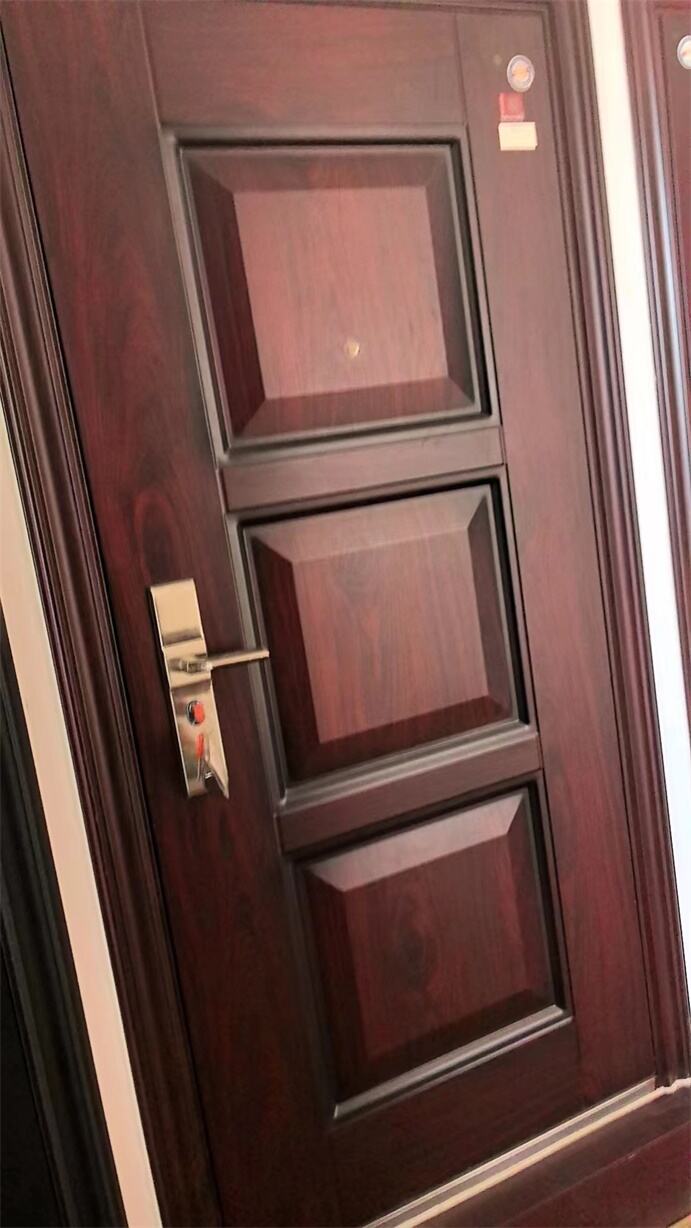
Steel residential doors have become increasingly popular among homeowners seeking enhanced security, durability, and energy efficiency for their properties. These robust entry solutions offer superior protection compared to traditional wooden or fiberglass alternatives while maintaining aesthetic appeal that complements various architectural styles. Modern manufacturing techniques have transformed steel residential doors from purely functional barriers into sophisticated design elements that enhance both home security and curb appeal.
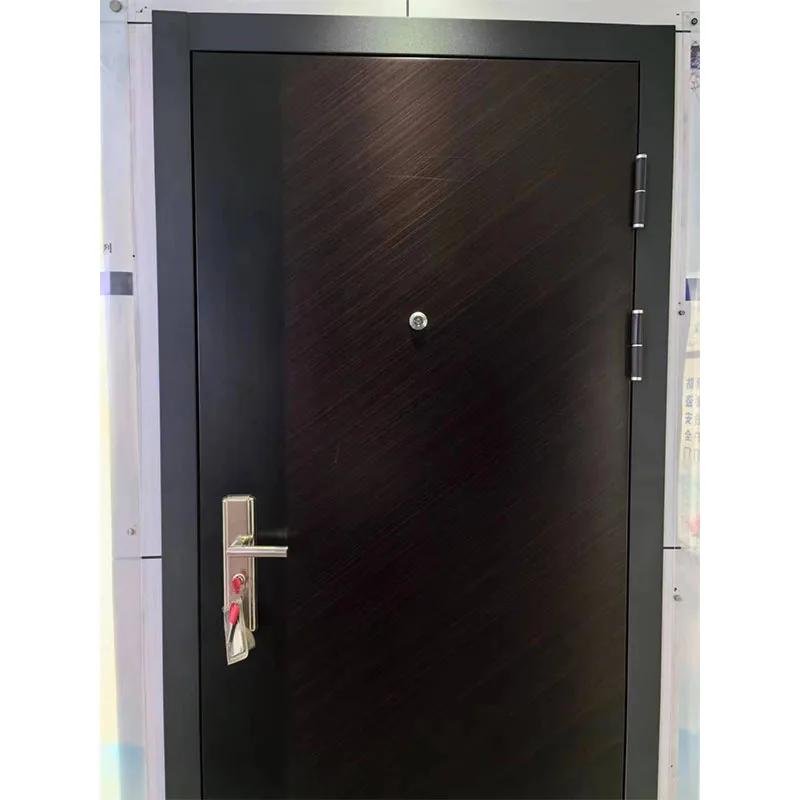
The construction industry has witnessed significant advancements in steel door technology, with manufacturers developing innovative solutions that address common concerns about thermal conductivity and condensation. Contemporary steel residential doors incorporate advanced insulation systems, weather-resistant finishes, and precision engineering to deliver exceptional performance in diverse climate conditions. These improvements have positioned steel doors as viable alternatives to traditional materials, offering homeowners comprehensive benefits that extend beyond basic security requirements.
Understanding the characteristics, advantages, and considerations associated with steel residential doors enables property owners to make informed decisions about their entry door investments. This comprehensive analysis examines the key factors that influence steel door performance, installation requirements, and long-term value proposition for residential applications.
Security Features and Performance Characteristics
Enhanced Protection Against Forced Entry
Steel residential doors provide exceptional resistance against forced entry attempts, significantly outperforming wooden doors in security applications. The inherent strength of steel construction creates formidable barriers that deter burglars and intruders, with reinforced frames and multiple locking points enhancing overall security effectiveness. Professional security assessments consistently demonstrate that steel residential doors require substantially more force and time to compromise compared to alternative materials.
Advanced locking mechanisms integrated into steel door systems include multi-point locking systems, deadbolts with extended throw distances, and reinforced strike plates that distribute impact forces across larger frame areas. These security features work synergistically with steel construction to create comprehensive protection systems that meet or exceed residential security standards established by industry organizations and insurance providers.
Structural Integrity and Longevity
The structural properties of steel residential doors ensure exceptional longevity under normal residential use conditions, with properly maintained installations lasting decades without requiring major repairs or replacements. Steel's resistance to warping, cracking, and dimensional instability maintains consistent operation and sealing performance throughout extended service periods, reducing maintenance requirements and long-term ownership costs.
Quality steel residential doors undergo rigorous testing protocols that simulate years of typical residential use, including thermal cycling, moisture exposure, and operational stress testing. These comprehensive evaluation procedures ensure that steel doors maintain their structural integrity and performance characteristics throughout their intended service lives, providing homeowners with reliable long-term value.
Energy Efficiency and Thermal Performance
Insulation Technologies and Heat Transfer Control
Modern steel residential doors incorporate sophisticated insulation systems that significantly improve thermal performance compared to earlier steel door designs. Polyurethane foam cores, thermal breaks, and advanced weatherstripping technologies minimize heat transfer through door assemblies, contributing to improved home energy efficiency and reduced heating and cooling costs.
Thermal bridging concerns associated with traditional steel construction have been addressed through innovative design solutions that interrupt direct heat conduction paths between interior and exterior door surfaces. These engineering improvements enable steel residential doors to achieve energy efficiency ratings comparable to or exceeding those of premium fiberglass and wooden door systems.
Condensation Prevention and Moisture Management
Condensation control represents a critical consideration in steel residential door applications, particularly in climates with significant temperature differentials between interior and exterior environments. Contemporary steel door designs incorporate vapor barriers, drainage systems, and surface treatments that minimize condensation formation and eliminate moisture-related performance issues.
Advanced manufacturing techniques enable precise control of interior surface temperatures through strategic insulation placement and thermal break integration. These design features maintain interior door surface temperatures above dew point levels under typical residential conditions, preventing condensation formation that could lead to moisture damage or operational problems.
Design Options and Aesthetic Considerations
Finish Systems and Color Choices
Steel residential doors offer extensive customization possibilities through advanced finishing systems that provide both protective and aesthetic benefits. Powder coating technologies enable durable color applications that resist fading, chipping, and corrosion while maintaining vibrant appearance throughout extended exposure periods. These finishing systems accommodate diverse color preferences and architectural requirements without compromising door performance or longevity.
Textured finishes and specialized coating systems can simulate natural wood grain patterns, providing traditional aesthetic appeal while retaining steel's inherent security and durability advantages. These advanced finishing techniques enable steel residential doors to complement various architectural styles, from contemporary minimalist designs to traditional colonial and craftsman aesthetics.
Hardware Integration and Functional Accessories
Steel door construction accommodates extensive hardware options that enhance both functionality and visual appeal of residential installations. Heavy-duty hinges, decorative hardware elements, and integrated lighting systems can be seamlessly incorporated into steel residential doors without compromising structural integrity or security performance.
Smart home technology integration capabilities enable steel residential doors to accommodate electronic locking systems, access control devices, and monitoring equipment that enhance security and convenience. The robust construction of steel doors provides stable mounting platforms for sophisticated hardware systems that might compromise the integrity of less substantial door materials.
Installation Requirements and Professional Considerations
Structural Support and Frame Specifications
Steel residential doors require adequate structural support systems to accommodate their increased weight compared to traditional wooden doors. Proper installation involves reinforced frames, appropriately sized hinges, and structural modifications that distribute door weight effectively throughout the building framework. These installation requirements necessitate professional assessment and installation to ensure optimal performance and longevity.
Frame compatibility considerations include thermal expansion compensation, weatherproofing integration, and structural attachment methods that maintain door alignment and operation throughout seasonal temperature variations. Professional installers understand these technical requirements and implement installation procedures that maximize steel residential door performance while minimizing potential operational issues.
Maintenance Protocols and Service Requirements
Steel residential doors require minimal maintenance compared to wooden alternatives, with periodic inspections and basic care procedures maintaining optimal performance throughout their service lives. Maintenance protocols include hardware lubrication, weatherstripping inspection, and surface cleaning procedures that preserve both functional and aesthetic qualities of steel door installations.
Professional maintenance services can identify potential issues before they affect door performance, including seal degradation, hardware wear, and finish deterioration. Regular professional assessments ensure that steel residential doors continue providing maximum security, energy efficiency, and aesthetic value throughout their intended service periods.
Cost Analysis and Value Proposition
Initial Investment and Lifecycle Costs
Steel residential doors typically require higher initial investments compared to basic wooden or fiberglass alternatives, but their superior durability and minimal maintenance requirements often result in lower total ownership costs over extended periods. Comprehensive cost analysis should consider energy savings, maintenance expenses, and replacement frequency when evaluating steel door investments.
Insurance benefits associated with enhanced security features of steel residential doors can offset initial cost premiums through reduced homeowner insurance rates. Many insurance providers offer discounts for properties equipped with steel security doors, recognizing their effectiveness in preventing break-ins and reducing claim frequency.
Property Value Enhancement
Quality steel residential doors contribute to overall property value through enhanced curb appeal, improved security ratings, and superior energy efficiency characteristics. Real estate professionals recognize steel doors as valuable home improvements that appeal to security-conscious buyers and contribute to positive first impressions during property showings.
Long-term value retention of steel residential doors exceeds that of many alternative materials due to their durability and timeless design flexibility. Property owners can expect steel doors to maintain their functionality and aesthetic appeal throughout multiple decades of service, providing consistent value enhancement throughout ownership periods.
Climate Adaptability and Environmental Considerations
Weather Resistance and Environmental Durability
Steel residential doors demonstrate exceptional resistance to various environmental conditions, including extreme temperatures, moisture exposure, and UV radiation. Advanced corrosion-resistant treatments and protective coatings enable steel doors to maintain their structural integrity and appearance in challenging climatic conditions that might damage alternative door materials.
Coastal environments with high salt content present particular challenges for metal building components, but specialized steel residential doors with enhanced corrosion protection systems perform reliably in these demanding applications. These environmental adaptations ensure consistent performance regardless of geographic location or local climate characteristics.
Sustainability and Environmental Impact
Steel residential doors offer significant environmental advantages through their recyclability and extended service lives that reduce replacement frequency. Steel manufacturing processes have become increasingly efficient, with many manufacturers incorporating recycled content into their steel residential door production while maintaining performance standards.
Energy efficiency benefits of properly insulated steel residential doors contribute to reduced home energy consumption, lowering environmental impact through decreased heating and cooling requirements. These environmental considerations align with contemporary sustainability goals while providing practical benefits to homeowners.
FAQ
How long do steel residential doors typically last compared to wooden doors
Steel residential doors generally last 20-30 years or more with proper maintenance, significantly exceeding the 10-15 year typical lifespan of wooden doors. The superior durability of steel construction resists warping, rotting, and pest damage that commonly affects wooden doors, resulting in extended service life and reduced replacement frequency. Regular maintenance involving hardware lubrication and surface cleaning helps maximize the longevity of steel residential doors.
Do steel doors require special maintenance in different climate conditions
Steel residential doors require minimal climate-specific maintenance beyond standard care procedures, though coastal environments may benefit from more frequent inspections of protective coatings and hardware components. Cold climate installations should include periodic weatherstripping checks to maintain energy efficiency, while hot climate applications benefit from regular cleaning to preserve finish quality. Modern steel residential doors incorporate protective treatments that minimize climate-related maintenance requirements.
Can steel residential doors be customized to match existing home architecture
Contemporary steel residential doors offer extensive customization options including various colors, textures, and decorative elements that complement diverse architectural styles. Advanced finishing techniques can simulate wood grain patterns, while modular design systems accommodate different sizes and configurations. Hardware options, glass inserts, and decorative panels enable steel residential doors to integrate seamlessly with existing home designs while maintaining their security and durability advantages.
What security advantages do steel doors provide over other materials
Steel residential doors provide superior forced entry resistance through their inherent material strength and ability to accommodate advanced locking systems without structural compromise. Multi-point locking mechanisms, reinforced frames, and impact-resistant construction create comprehensive security systems that significantly outperform wooden and many fiberglass alternatives. Insurance industry recognition of steel door security benefits often translates into reduced homeowner insurance premiums for properties equipped with quality steel residential doors.