 EN
EN

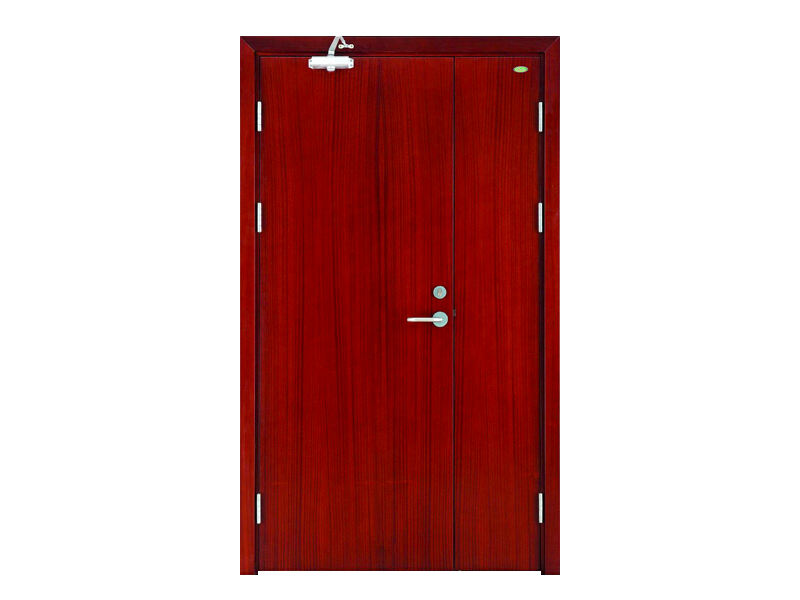
Understanding the comprehensive breakdown of steel door cost requires examining multiple interconnected factors that significantly impact your investment decision. Whether you're planning a residential upgrade, commercial renovation, or industrial facility construction, the steel door cost encompasses far more than the initial purchase price. From material specifications and manufacturing processes to installation requirements and long-term maintenance considerations, each element contributes to the total financial commitment. Professional buyers and project managers must evaluate these cost components strategically to make informed decisions that balance quality, functionality, and budget constraints effectively.
Material Quality and Grade Specifications
Steel Thickness and Gauge Impact
The steel thickness directly correlates with the overall steel door cost, as heavier gauge materials require more raw steel and enhanced manufacturing processes. Standard residential applications typically utilize 20-gauge steel, while commercial and industrial environments demand 16-gauge or 14-gauge construction for superior durability and security. The price differential between these grades can range from 30% to 75%, making gauge selection a critical cost consideration. Thicker steel provides enhanced structural integrity, improved fire resistance, and better insulation properties, justifying the increased investment for high-traffic or security-sensitive applications.
Premium steel grades incorporate specialized alloys that enhance corrosion resistance and structural performance, significantly affecting the steel door cost structure. Galvanized steel options provide superior rust protection through zinc coating applications, while stainless steel variants offer maximum durability for harsh environmental conditions. These advanced materials command premium pricing but deliver extended service life and reduced maintenance requirements, creating long-term value propositions that offset higher initial investments.
Surface Treatment and Coating Systems
Advanced surface treatments substantially influence steel door cost calculations through specialized preparation and application processes. Powder coating systems provide superior finish durability compared to traditional paint applications, requiring electrostatic application equipment and high-temperature curing processes that increase manufacturing costs. The powder coating process creates a uniform, chip-resistant finish that maintains appearance and protective qualities for extended periods, justifying the premium pricing through reduced maintenance requirements.
Specialized coatings for harsh environments, including marine-grade finishes and chemical-resistant treatments, can increase steel door cost by 40% to 60% above standard options. These advanced systems incorporate multiple coating layers, primer applications, and specialized topcoats that provide enhanced protection against specific environmental challenges. The investment in premium coating systems typically pays dividends through extended service life and maintained aesthetic appeal in demanding applications.
Manufacturing Complexity and Design Features
Hardware Integration Requirements
Sophisticated hardware systems significantly impact steel door cost through precision manufacturing requirements and premium component specifications. High-security locks, multi-point locking mechanisms, and electronic access control integration demand precise tolerances and specialized mounting provisions that increase production complexity. Commercial-grade hardware systems can represent 25% to 40% of the total door cost, particularly when incorporating biometric access controls or networked security features.
Custom hardware configurations require additional engineering and manufacturing adjustments that influence the overall steel door cost structure. Specialized hinges for high-frequency use, automatic closing mechanisms, and panic hardware compliance add layers of complexity that demand premium pricing. The integration of smart lock technology and IoT connectivity features represents emerging cost factors that provide enhanced functionality while requiring sophisticated manufacturing processes and quality control procedures.
Insulation and Thermal Performance
Energy efficiency requirements substantially affect steel door cost through advanced insulation systems and thermal bridge prevention measures. High-performance doors incorporate polyurethane foam cores, thermal breaks, and weather sealing systems that significantly enhance insulation values while increasing manufacturing complexity. These thermal performance features can increase door costs by 50% to 100% compared to basic configurations, but provide substantial energy savings over the product lifecycle.
Specialized thermal barriers and insulation systems require precise manufacturing techniques that impact the steel door cost calculation. Multi-layer insulation assemblies, vapor barriers, and thermal imaging quality control processes add manufacturing steps that influence pricing structures. The investment in thermal performance typically provides measurable energy cost reductions that create positive return on investment calculations for climate-controlled environments.
Installation Complexity and Site Conditions
Structural Requirements and Modifications
Site preparation and structural modifications represent significant components of the total steel door cost beyond the door unit itself. Existing openings may require reinforcement, frame adjustments, or complete reconstruction to accommodate new door specifications and security requirements. These structural modifications can range from simple frame adjustments costing several hundred dollars to complete opening reconstruction requiring thousands of dollars in additional investment.
Professional installation teams must evaluate load-bearing requirements, fire rating compliance, and building code adherence that influence the overall project cost structure. The steel door cost calculation must include professional installation services, permit fees, and potential structural engineering consultations that ensure proper integration with existing building systems.
Access and Logistics Challenges
Delivery and installation accessibility significantly impact the total steel door cost through specialized equipment requirements and labor considerations. High-rise installations, restricted access areas, and tight scheduling constraints demand premium installation services that can increase project costs by 25% to 50% above standard installation scenarios. Crane services, specialized lifting equipment, and extended labor hours for challenging installations must be factored into comprehensive cost projections.
Urban installation environments often require additional permits, parking arrangements, and coordination with building management that influence the overall steel door cost structure. These logistical considerations include traffic control measures, elevator reservations, and potential overtime labor costs that accumulate throughout complex installation projects. Proper planning and coordination help minimize these additional costs while ensuring successful project completion within budget parameters.
Security Features and Certification Requirements
Security Rating Classifications
Security certification requirements substantially influence steel door cost through testing procedures, documentation requirements, and specialized manufacturing processes. UL certification, security level ratings, and ballistic resistance testing demand significant investment in quality control and verification processes that increase manufacturing costs. These certifications provide measurable security performance guarantees that justify premium pricing for high-security applications.
Advanced security features including reinforced frames, anti-tamper hardware, and blast resistance capabilities require specialized engineering and manufacturing processes that significantly impact steel door cost calculations. These security enhancements often involve proprietary technologies and limited manufacturing sources that command premium pricing structures. The investment in certified security performance provides quantifiable risk reduction that creates substantial value for sensitive applications.
Fire Rating and Life Safety Compliance
Fire rating requirements add substantial complexity to steel door cost through specialized materials, testing protocols, and certification processes. Fire-rated doors must undergo rigorous testing procedures that verify performance under standardized fire conditions, requiring significant investment in testing and certification activities. These requirements can increase door costs by 75% to 150% compared to non-rated alternatives while providing critical life safety protection.
Specialized fire-resistant materials including intumescent seals, fire-resistant glass, and certified hardware systems contribute to elevated steel door cost structures. These components must meet strict performance criteria and maintain certification compliance throughout the manufacturing process. The investment in fire-rated performance provides essential building code compliance and occupant safety protection that justifies premium pricing for regulated applications.
Long-term Maintenance and Lifecycle Costs
Preventive Maintenance Requirements
Ongoing maintenance considerations represent significant components of the total steel door cost over the product lifecycle. High-quality doors with premium finishes and hardware systems typically require less frequent maintenance interventions while providing extended service life that reduces long-term ownership costs. Regular maintenance schedules including lubrication, adjustment, and inspection services help preserve door performance and extend operational life significantly.
Professional maintenance programs can range from basic annual inspections costing several hundred dollars to comprehensive service contracts exceeding several thousand dollars annually for complex installations. These maintenance investments help prevent costly emergency repairs and premature replacement requirements that can substantially exceed the original steel door cost. Proper maintenance planning ensures consistent performance and maximizes return on the initial door investment over extended service periods.
Replacement and Upgrade Considerations
Future replacement and upgrade requirements influence the total steel door cost calculation through lifecycle planning considerations. Doors installed in high-traffic environments typically require replacement every 15-20 years, while premium installations in protected environments can provide 25-30 years of service life. These lifecycle projections help establish annual cost amortization rates that support informed purchasing decisions and budget planning processes.
Technology upgrades and changing security requirements may necessitate door modifications or complete replacement before the end of the physical service life. Smart lock integration, access control updates, and evolving security standards create ongoing investment requirements that extend beyond the initial steel door cost. Planning for future upgrade requirements helps establish comprehensive cost projections that account for evolving technology and security needs throughout the door's service life.
FAQ
What factors have the greatest impact on steel door cost
Material specifications including steel gauge, surface treatments, and hardware quality represent the most significant cost drivers for steel doors. Security features, fire ratings, and thermal performance requirements can increase costs by 100-200% compared to basic configurations. Installation complexity and site-specific requirements often add 20-40% to the total project cost beyond the door unit price.
How do commercial steel doors differ in cost from residential options
Commercial steel doors typically cost 150-300% more than residential alternatives due to enhanced security features, fire rating requirements, and heavy-duty hardware specifications. Commercial applications demand thicker steel construction, specialized coatings, and certified performance standards that significantly increase manufacturing and testing costs. The enhanced durability and security features justify the premium pricing for commercial and industrial applications.
What ongoing costs should be considered beyond the initial purchase price
Maintenance, inspection, and potential upgrade costs typically represent 15-25% of the initial steel door cost over a 20-year service period. Professional maintenance contracts, hardware replacement, and periodic refinishing requirements create ongoing expenses that should be factored into total cost of ownership calculations. Energy savings from high-performance doors can offset some ongoing costs through reduced heating and cooling expenses.
How does customization affect steel door pricing
Custom steel doors typically cost 50-150% more than standard configurations due to specialized engineering, tooling, and manufacturing requirements. Unique sizes, specialized hardware integration, and custom finishes require individual attention that increases production time and costs significantly. The investment in customization provides optimized performance for specific applications while commanding premium pricing structures.