 EN
EN

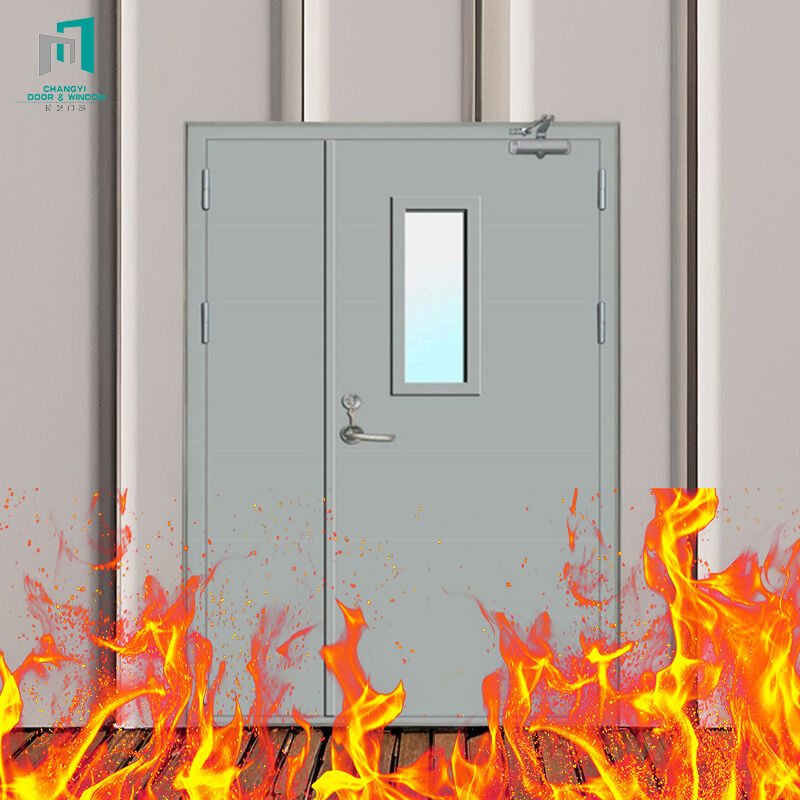
Modern construction projects increasingly rely on durable materials that can withstand harsh environmental conditions while maintaining aesthetic appeal. An outdoor steel door represents one of the most critical components in building security and weather protection, requiring specialized finishes that ensure longevity and performance. The selection of appropriate powder coating and finishing systems directly impacts the lifespan, maintenance requirements, and overall value proposition of these essential architectural elements. Understanding the relationship between coating technologies and steel door performance enables architects, contractors, and property owners to make informed decisions that optimize both initial investment and long-term operational costs.
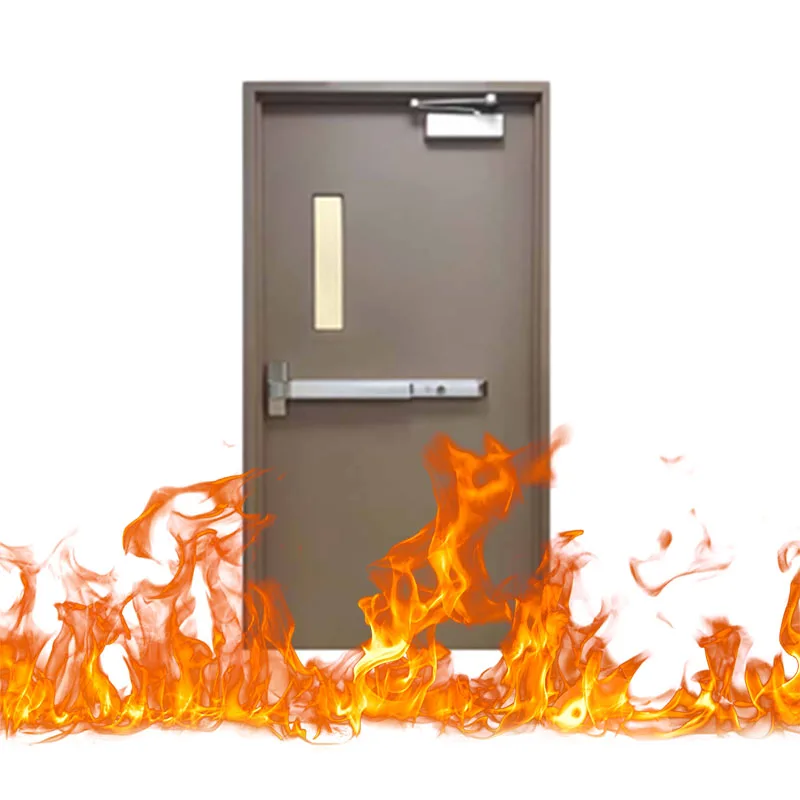
Advanced Powder Coating Technologies for Steel Doors
Thermosetting Polymer Systems
Thermosetting powder coatings provide exceptional durability for outdoor steel door applications through their cross-linked molecular structure. These advanced polymer systems undergo chemical reactions during the curing process, creating bonds that cannot be reversed through heat exposure. The resulting finish exhibits superior resistance to scratching, chipping, and environmental degradation compared to traditional liquid paint systems. Epoxy-based thermosetting coatings offer excellent adhesion properties and chemical resistance, making them particularly suitable for industrial and commercial outdoor steel door installations.
Polyester thermosetting systems deliver outstanding UV resistance and color retention, essential characteristics for maintaining the aesthetic appeal of an outdoor steel door over extended periods. The flexibility of these coatings accommodates thermal expansion and contraction cycles without cracking or delamination. Advanced hybrid formulations combine the benefits of multiple polymer types, providing balanced performance across various environmental challenges. Quality thermosetting powder coatings typically achieve film thicknesses between 50-100 microns, ensuring adequate protection while maintaining smooth surface finishes.
Electrostatic Application Methods
Electrostatic powder coating application ensures uniform coverage and optimal adhesion on complex outdoor steel door geometries. The process involves charging powder particles and attracting them to grounded steel substrates, creating even distribution across all surfaces including recessed areas and detailed profiles. This method achieves superior edge coverage compared to liquid coating systems, eliminating vulnerable points where corrosion typically initiates. Transfer efficiency rates often exceed 95%, minimizing material waste and reducing environmental impact.
Modern electrostatic equipment incorporates precise controls for powder flow rates, voltage settings, and application patterns, ensuring consistent results across production runs. Automated spray systems can be programmed for specific outdoor steel door configurations, maintaining quality standards while improving throughput. The dry powder application eliminates volatile organic compounds and hazardous air pollutants associated with solvent-based coatings. Reclaim systems capture overspray powder for reuse, further enhancing process efficiency and cost-effectiveness.
Environmental Protection Strategies
Corrosion Resistance Mechanisms
Effective corrosion protection for outdoor steel door applications requires multiple defense mechanisms working in combination. Barrier protection forms the primary defense layer, preventing moisture and corrosive agents from reaching the steel substrate. High-performance powder coatings create dense, pinhole-free films that maintain integrity under thermal cycling and mechanical stress. The chemical composition of the coating matrix determines resistance to specific environmental threats such as salt spray, acid rain, and industrial pollutants.
Cathodic protection can be incorporated through zinc-rich primer systems applied before powder coating topcoats. These sacrificial coatings provide electrochemical protection even if the barrier layer becomes compromised. The combination of zinc primers and powder topcoats extends the service life of an outdoor steel door significantly beyond single-layer systems. Regular inspection and maintenance protocols ensure early detection of coating degradation before substrate corrosion begins.
Weather Resistance Performance
Outdoor steel door coatings must withstand continuous exposure to UV radiation, temperature extremes, moisture variations, and wind-driven debris. UV-stable pigments and additives prevent color fading and chalking that compromise both appearance and protective properties. Thermal shock resistance ensures coating integrity during rapid temperature changes common in many climatic zones. Moisture permeability characteristics determine the coating's ability to allow substrate breathing while preventing water ingress.
Accelerated weathering tests simulate years of natural exposure in controlled laboratory conditions, allowing performance prediction for specific geographic locations. ASTM and ISO standards define test protocols that correlate with real-world performance data. Quality outdoor steel door coatings demonstrate minimal gloss loss, color change, and adhesion degradation after extended weathering exposure. Performance warranties often reflect these test results, providing end-users with confidence in long-term durability expectations.
Surface Preparation and Adhesion Optimization
Steel Substrate Conditioning
Proper surface preparation forms the foundation for successful powder coating adhesion on outdoor steel door substrates. Abrasive blasting removes mill scale, rust, and contaminants while creating the surface profile necessary for mechanical bonding. Surface cleanliness standards such as SSPC-SP10 or ISO 8501-1 Sa 2.5 ensure adequate preparation for demanding outdoor applications. The resulting surface roughness typically ranges from 25-75 microns Ra, providing optimal anchor patterns for coating adhesion.
Chemical pretreatments enhance adhesion through molecular bonding mechanisms that supplement mechanical interlocking. Phosphate conversion coatings create crystalline structures that improve paint adhesion and provide additional corrosion resistance. Iron phosphate treatments offer cost-effective solutions for standard outdoor steel door applications, while zinc phosphate systems provide enhanced performance for severe service conditions. Quality pretreatment processes include thorough cleaning, surface activation, coating application, and proper curing procedures.
Coating Thickness Control
Optimal coating thickness balances protection requirements with economic considerations and application constraints. Insufficient thickness compromises barrier protection and durability, while excessive thickness increases costs and may cause adhesion problems. Industry standards typically specify minimum dry film thickness ranges for different exposure categories, with outdoor steel door applications generally requiring 75-125 microns depending on environmental severity. Thickness measurement protocols using magnetic or eddy current gauges ensure compliance with specifications.
Uniform thickness distribution across complex outdoor steel door geometries requires careful attention to application parameters and part positioning. Sharp edges and inside corners tend to attract excessive powder buildup, while recessed areas may receive inadequate coverage. Proper gun positioning, voltage settings, and application sequences minimize thickness variations. Quality control procedures include statistical sampling and documentation to maintain consistent results across production lots.
Color and Aesthetic Considerations
Pigment Selection and Stability
Color selection for outdoor steel door applications involves balancing aesthetic preferences with technical performance requirements. Inorganic pigments such as titanium dioxide and iron oxides provide superior UV stability and color retention compared to organic alternatives. Dark colors absorb more solar radiation, creating higher surface temperatures that accelerate coating degradation. Light colors reflect heat more effectively, reducing thermal stress on both the coating and steel substrate.
Advanced pigment technologies include interference colors that create unique visual effects while maintaining durability. Metallic finishes using aluminum flakes or mica particles require specialized application techniques to achieve uniform appearance. Color matching systems ensure consistency across multiple production runs and replacement parts. Quality control procedures include spectrophotometric analysis to verify color compliance with established standards and customer specifications.
Texture and Finish Options
Surface texture significantly impacts both the appearance and performance characteristics of an outdoor steel door finish. Smooth finishes provide easy cleaning and maintenance but may show surface imperfections more readily. Textured surfaces hide minor defects and provide enhanced grip for adhesion while creating visual interest through light reflection patterns. The degree of texture affects dirt retention, cleaning requirements, and long-term appearance maintenance.
Various texturing methods create different aesthetic effects, from subtle orange peel textures to pronounced wrinkle or hammer-tone finishes. Powder coating formulations can incorporate texture-creating additives that develop during the curing process. Post-coating texturing through mechanical or chemical methods provides additional options for customized appearances. Consideration of maintenance requirements helps determine appropriate texture levels for specific outdoor steel door applications.
Quality Assurance and Testing Protocols
Adhesion Testing Methods
Comprehensive adhesion testing ensures reliable long-term performance of powder coatings on outdoor steel door substrates. Cross-cut adhesion tests following ASTM D3359 standards provide quantitative assessment of coating-to-substrate bonding strength. Pull-off adhesion testing measures the force required to separate coatings from steel surfaces, providing numerical values for comparison and specification compliance. These tests identify potential adhesion problems before outdoor steel door installation and service exposure.
Impact resistance testing evaluates coating flexibility and adhesion under dynamic loading conditions. Mandrel bend tests assess coating behavior during substrate deformation, simulating installation stresses and thermal movement. Salt spray testing accelerates corrosion processes to predict long-term performance in marine and industrial environments. Quality assurance protocols include statistical sampling plans and acceptance criteria based on performance requirements and industry standards.
Performance Validation Studies
Real-world performance validation provides the most reliable assessment of outdoor steel door coating systems under actual service conditions. Field exposure studies in various climatic zones generate performance data that correlates with laboratory test results. Monitoring programs track coating condition changes over time, documenting degradation rates and failure modes. This information enables refinement of formulations and application processes for improved durability.
Accelerated aging tests simulate extended outdoor exposure in compressed timeframes, allowing prediction of service life expectations. Cyclic corrosion testing combines multiple environmental stresses to replicate complex outdoor conditions. Performance databases compiled from multiple projects provide benchmarking information for new outdoor steel door applications. Warranty programs often reflect validated performance data, providing end-users with confidence in coating system reliability.
Maintenance and Lifecycle Management
Preventive Maintenance Strategies
Effective maintenance programs maximize the service life and appearance of powder-coated outdoor steel door installations. Regular inspection schedules identify minor coating damage before it progresses to substrate corrosion. Cleaning protocols remove accumulated dirt, salt, and pollutants that can accelerate coating degradation. Gentle cleaning methods using appropriate detergents and equipment prevent damage to the protective coating system.
Touch-up repair procedures address localized coating damage using compatible materials and proper application techniques. Early intervention prevents moisture ingress and corrosion initiation at damaged areas. Documentation of maintenance activities provides valuable feedback for future coating system selection and application improvements. Training programs ensure maintenance personnel understand proper techniques and material handling procedures for outdoor steel door care.
Lifecycle Cost Analysis
Comprehensive lifecycle cost analysis considers initial coating costs, maintenance requirements, and replacement intervals for outdoor steel door applications. High-performance powder coating systems often justify premium pricing through reduced maintenance needs and extended service life. Labor costs for maintenance and replacement activities typically exceed material costs over the door's operational lifetime. Energy efficiency considerations may influence coating color selection and thermal performance characteristics.
Economic modeling tools help evaluate different coating options based on specific project requirements and environmental conditions. Risk assessment factors include potential failure consequences and replacement costs for critical outdoor steel door applications. Value engineering approaches balance initial investment with long-term operational costs to optimize total cost of ownership. Performance warranties and maintenance contracts may affect economic calculations and risk allocation between stakeholders.
FAQ
What factors determine the ideal powder coating thickness for outdoor steel doors
The optimal powder coating thickness for an outdoor steel door depends on environmental exposure severity, substrate preparation quality, and performance requirements. Standard outdoor applications typically require 75-125 microns dry film thickness, while severe marine or industrial environments may need 150+ microns. Proper surface preparation and primer systems can reduce thickness requirements while maintaining protection levels. Thickness uniformity across complex door geometries is equally important as average thickness values.
How long do powder-coated outdoor steel doors maintain their appearance and protection
High-quality powder coatings on properly prepared outdoor steel door substrates can maintain acceptable appearance and protection for 15-25 years in moderate climates. Severe environments may reduce this to 10-15 years, while protected locations can extend service life beyond 25 years. Color retention, gloss preservation, and corrosion protection degrade at different rates depending on formulation and exposure conditions. Regular maintenance significantly extends both appearance and protective service life.
Can existing painted steel doors be recoated with powder coating systems
Recoating an existing painted outdoor steel door with powder coating is possible but requires careful evaluation of existing coating condition and compatibility. Complete removal of old coatings often provides the best long-term results, though adhesion testing may validate over-coating in some situations. Surface preparation requirements increase significantly for recoating applications compared to new steel substrates. Professional assessment helps determine the most cost-effective approach for specific outdoor steel door renovation projects.
What quality standards should specify for outdoor steel door powder coating
Quality specifications for outdoor steel door powder coating should reference AAMA 2604 or 2605 standards for architectural applications, depending on performance requirements and warranty expectations. These standards define requirements for color retention, gloss retention, chalking resistance, and adhesion performance after accelerated weathering exposure. Additional requirements may include impact resistance, flexibility, and specific environmental resistance based on installation location. Quality control testing protocols should verify compliance with all specified requirements before acceptance.
Table of Contents
- Advanced Powder Coating Technologies for Steel Doors
- Environmental Protection Strategies
- Surface Preparation and Adhesion Optimization
- Color and Aesthetic Considerations
- Quality Assurance and Testing Protocols
- Maintenance and Lifecycle Management
-
FAQ
- What factors determine the ideal powder coating thickness for outdoor steel doors
- How long do powder-coated outdoor steel doors maintain their appearance and protection
- Can existing painted steel doors be recoated with powder coating systems
- What quality standards should specify for outdoor steel door powder coating