 EN
EN

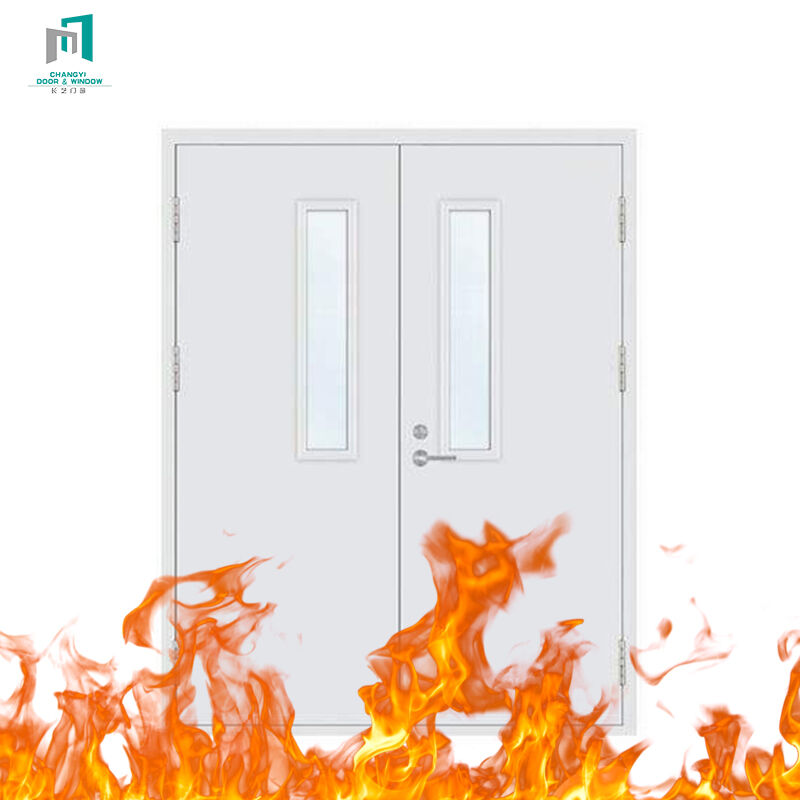
When evaluating building security and safety investments, understanding steel door cost becomes crucial for making informed decisions. The initial investment in quality steel doors often represents just a fraction of their total lifetime value, yet many facility managers focus solely on upfront expenses rather than considering long-term benefits. Steel door cost analysis requires examining multiple factors including purchase price, installation expenses, maintenance requirements, energy efficiency, and security benefits over the door's operational lifespan.
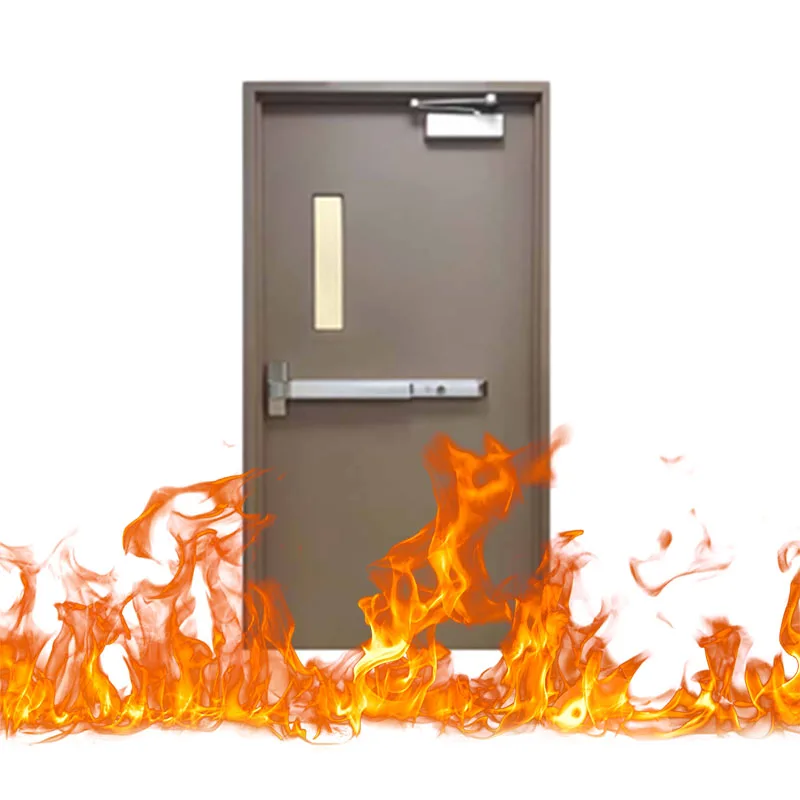
Commercial and industrial facilities increasingly recognize that steel door cost considerations extend far beyond the initial purchase. Modern steel doors serve as critical components in fire safety systems, security protocols, and energy management strategies. The comprehensive cost analysis must account for regulatory compliance requirements, insurance premium impacts, and potential liability reductions that quality steel doors provide throughout their service life.
Initial Investment Components in Steel Door Systems
Base Material and Manufacturing Costs
The foundation of steel door cost begins with raw material expenses and manufacturing processes. High-grade steel used in commercial door construction commands premium pricing due to specific alloy compositions and treatment processes required for durability and fire resistance. Manufacturing costs include precision cutting, welding, coating applications, and quality control measures that ensure each door meets industry standards and building codes.
Advanced manufacturing techniques such as computer-controlled cutting and automated welding systems contribute to steel door cost but also ensure consistent quality and dimensional accuracy. These processes reduce material waste and improve structural integrity, factors that ultimately benefit long-term performance. The integration of specialized hardware mounting systems and reinforcement structures adds to initial costs while providing superior functionality and security features.
Installation and Preparation Expenses
Professional installation represents a significant portion of total steel door cost, particularly in retrofit applications where existing openings require modification. Skilled technicians must ensure proper alignment, seal integrity, and hardware functionality while adhering to local building codes and manufacturer specifications. Installation costs vary based on opening size, structural requirements, and accessibility challenges within the facility.
Preparation work often includes frame reinforcement, electrical connections for access control systems, and coordination with other building systems. These activities require specialized tools and expertise, contributing to overall project expenses but ensuring optimal door performance and longevity. The investment in professional installation protects against future operational issues and warranty complications that could arise from improper mounting or adjustment.
Operational Efficiency and Energy Performance
Thermal Performance and Energy Savings
Modern steel doors incorporate advanced insulation technologies that significantly impact building energy consumption and operational costs. While initial steel door cost may be higher for insulated models, the energy savings over time often justify the premium investment. Proper thermal barriers reduce heating and cooling loads, particularly in climate-controlled environments where temperature maintenance is critical.
Energy-efficient steel doors feature polyurethane foam cores, thermal breaks, and weather sealing systems that minimize air infiltration. These components work together to maintain interior climate conditions while reducing HVAC system workload. The resulting energy cost reductions accumulate over years of operation, often offsetting the higher initial steel door cost within the first few years of installation.
Maintenance Requirements and Longevity
Steel door maintenance costs remain relatively low compared to other door materials, contributing to favorable long-term value propositions. Regular maintenance involves periodic cleaning, hardware lubrication, and seal inspection activities that preserve door functionality and appearance. The robust construction of quality steel doors minimizes repair frequency and extends service intervals between major maintenance events.
Protective coatings and finishes applied during manufacturing resist corrosion, scratching, and environmental damage that could compromise door integrity. These treatments reduce refinishing requirements and maintain professional appearance throughout the door's service life. The durability of steel construction ensures decades of reliable operation with minimal intervention, making steel door cost analysis favorable when viewed over extended time horizons.
Security Value and Risk Mitigation
Physical Security and Access Control
The security benefits provided by steel doors create substantial value that traditional steel door cost calculations often underestimate. Robust steel construction resists forced entry attempts, protecting valuable assets and sensitive areas within commercial facilities. This physical security capability reduces theft risks and provides peace of mind for facility managers responsible for asset protection.
Integration with electronic access control systems enhances security functionality while maintaining user convenience. Steel doors accommodate sophisticated locking mechanisms, card readers, and monitoring systems that provide comprehensive access management capabilities. The investment in security-grade steel doors often reduces insurance premiums and liability exposure, creating additional financial benefits that offset initial purchase costs.
Fire Safety and Code Compliance
Fire-rated steel doors serve as critical components in building life safety systems, providing protection that extends far beyond their initial steel door cost. These specialized doors maintain structural integrity during fire events, allowing safe egress while preventing fire spread between building zones. The life safety value of properly installed fire doors cannot be quantified purely in financial terms.
Compliance with fire safety regulations requires regular inspection and maintenance of fire-rated steel doors. While these activities add to operational costs, they ensure continued protection and regulatory compliance throughout the door's service life. The legal and liability protection provided by code-compliant installations represents significant value that justifies premium steel door cost investments in safety-critical applications.
Long-term Value Assessment and ROI Calculation
Lifecycle Cost Analysis Methods
Comprehensive steel door cost evaluation requires lifecycle analysis that considers all expenses and benefits over the door's expected service life. This methodology includes initial purchase price, installation costs, maintenance expenses, energy impacts, and end-of-life considerations. Professional lifecycle analysis provides objective data for comparing different door options and justifying investment decisions.
Net present value calculations help facility managers understand the true financial impact of steel door investments when accounting for time value of money. These analyses often reveal that higher-quality doors with greater initial steel door cost provide superior long-term value through reduced operating expenses and extended service life. The quantitative approach supports informed decision-making and budget planning for facility improvements.
Replacement Timing and Technology Updates
Strategic planning for door replacement considers both condition assessment and technology advancement factors. While steel doors may remain structurally sound for decades, evolving security requirements and building automation systems may drive earlier replacement decisions. Understanding these factors helps optimize steel door cost investments and replacement timing.
Technology integration capabilities become increasingly important as buildings adopt smart systems and IoT connectivity. Modern steel doors accommodate advanced sensors, communication devices, and monitoring systems that enhance building operations. The ability to upgrade and adapt existing door systems extends their useful life and improves return on investment for initial steel door cost expenditures.
Market Factors and Cost Optimization Strategies
Supply Chain and Material Price Trends
Steel door cost fluctuations reflect broader market conditions including raw material prices, manufacturing capacity, and global supply chain factors. Understanding these market dynamics helps facility managers time purchases and negotiate favorable pricing for large-scale door replacement projects. Strategic procurement planning can achieve significant cost savings while ensuring quality and delivery schedule requirements.
Vendor relationships and volume purchasing arrangements often provide opportunities for steel door cost optimization without compromising quality or service. Established suppliers offer technical support, warranty protection, and maintenance services that add value beyond the basic product price. These partnerships contribute to successful project outcomes and long-term satisfaction with door system performance.
Budget Planning and Financing Options
Capital budget planning for steel door projects requires careful consideration of funding sources and payment timing. Many organizations spread major door replacement costs over multiple budget cycles to manage cash flow while maintaining facility security and safety standards. Financing options and lease arrangements provide flexibility for managing steel door cost impacts on operational budgets.
Grant programs and tax incentives may be available for energy-efficient or accessibility-compliant door installations. These programs can substantially reduce effective steel door cost while supporting organizational sustainability and compliance objectives. Professional consultation helps identify applicable programs and optimize project financing to maximize available benefits and minimize out-of-pocket expenses.
FAQ
What factors most significantly impact steel door cost calculations
The most significant factors affecting steel door cost include door size and thickness, fire rating requirements, security grade specifications, and installation complexity. Additional cost drivers include specialized hardware, access control integration, custom finishes, and local building code requirements. Energy efficiency features and warranty coverage also influence total project costs but provide long-term value through operational savings and reduced maintenance requirements.
How do steel door costs compare to alternative materials over time
While initial steel door cost may exceed alternatives like aluminum or wood, lifecycle analysis typically favors steel due to superior durability, lower maintenance requirements, and better security performance. Steel doors often last 20-30 years with minimal maintenance, while alternatives may require replacement or major repairs much sooner. The energy efficiency and security benefits of steel doors provide additional value that improves their competitive position over extended time periods.
When should organizations prioritize premium steel door investments
Premium steel door cost investments are justified in high-security applications, fire-rated installations, and energy-critical environments where superior performance directly impacts operational success. Facilities with valuable assets, regulatory compliance requirements, or high traffic volumes benefit most from premium door features. The additional investment provides measurable returns through improved security, reduced insurance costs, and enhanced operational reliability.
What maintenance practices help optimize steel door value over time
Regular cleaning, hardware lubrication, and seal inspection help maximize steel door lifespan and performance while minimizing steel door cost impacts from repairs or premature replacement. Professional annual inspections identify potential issues before they become major problems, particularly for fire-rated doors that require documented compliance maintenance. Prompt attention to minor adjustments and hardware replacement preserves door functionality and extends service life significantly.