 EN
EN

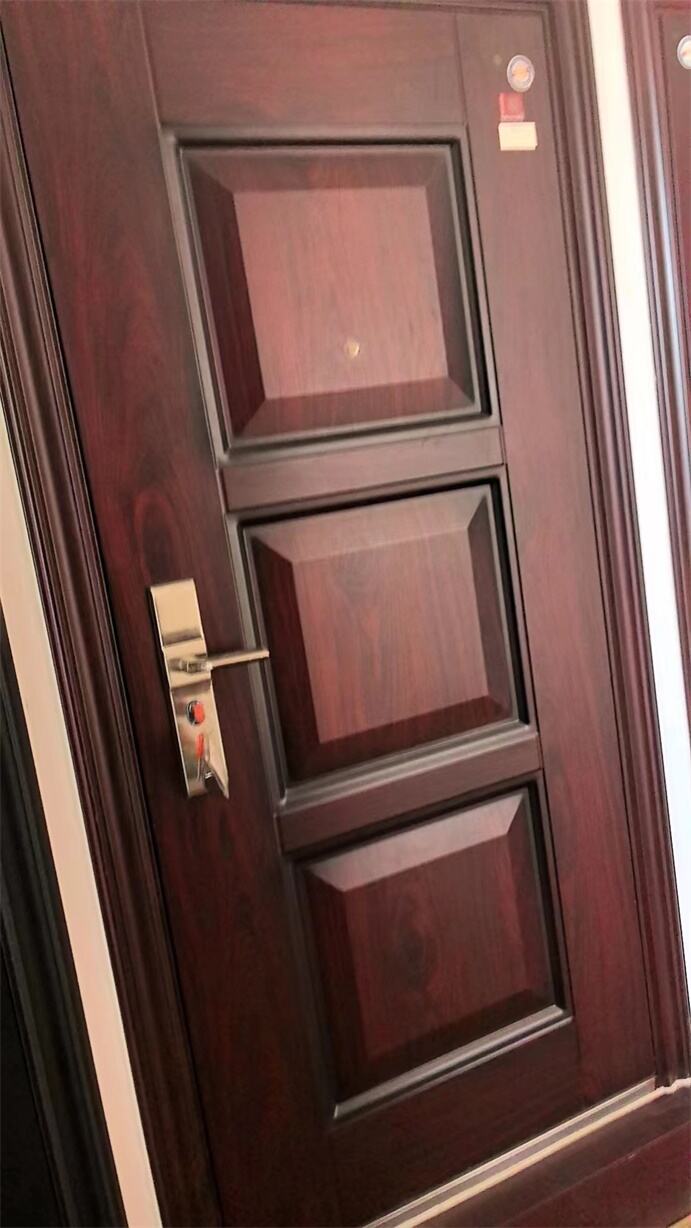
Modern property security demands have evolved significantly, with homeowners and business operators seeking robust solutions that combine functionality with aesthetic appeal. An outdoor steel door represents the pinnacle of exterior protection, offering unmatched durability and security features that traditional wooden or composite alternatives simply cannot match. These specialized security barriers have become increasingly popular among property owners who understand that effective perimeter protection begins with selecting the right entrance solutions for their specific applications.
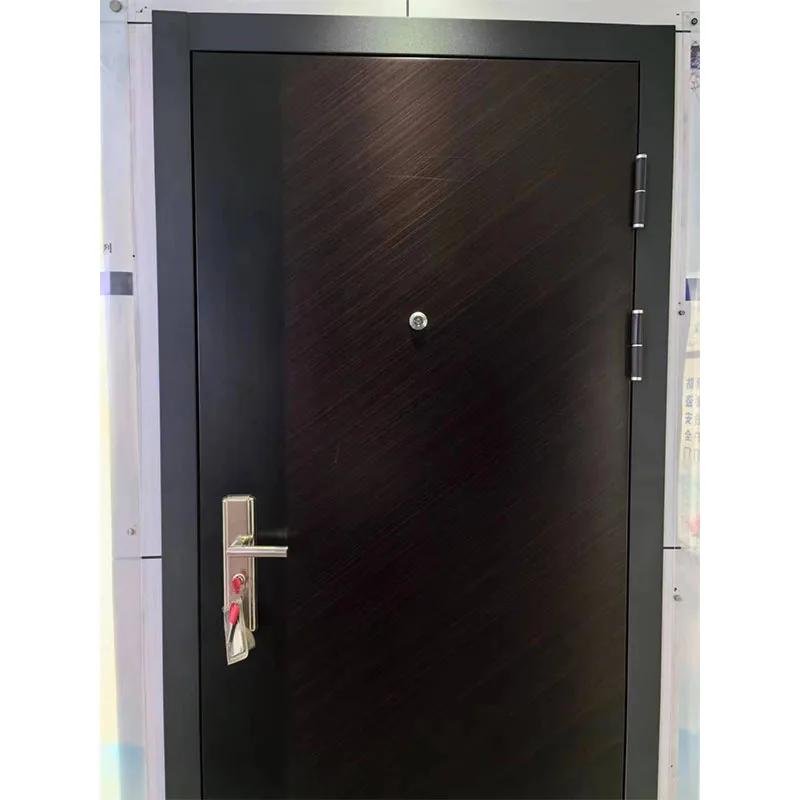
Steel construction provides exceptional resistance against forced entry attempts, weather exposure, and long-term wear that makes these doors particularly valuable for garden access points, perimeter gates, and primary security applications. The material properties inherent in steel manufacturing create barriers that maintain structural integrity under extreme conditions while delivering consistent performance across varied environmental challenges. Property security professionals consistently recommend steel options when durability and protection represent primary concerns for entrance applications.
Essential Features of Premium Steel Security Doors
Advanced Locking Mechanisms and Hardware Integration
Contemporary outdoor steel door designs incorporate sophisticated locking systems that far exceed standard residential hardware capabilities. Multi-point locking mechanisms distribute securing force across multiple contact points, creating comprehensive barrier protection that resists tampering and forced entry attempts. These advanced systems often feature reinforced strike plates, hardened steel bolts, and integrated deadbolt configurations that work together to create virtually impenetrable security barriers.
Professional-grade hardware components ensure long-term operational reliability while maintaining smooth functionality under regular use conditions. Heavy-duty hinges engineered specifically for steel applications support substantial door weight while providing consistent swing operation across thousands of opening cycles. Quality manufacturers design these hardware elements to resist corrosion, mechanical wear, and environmental degradation that could compromise security effectiveness over extended periods.
Weather Resistance and Environmental Durability
Steel door construction inherently provides superior weather resistance compared to alternative materials, making these solutions particularly effective for exposed outdoor applications. Galvanized steel treatments and specialized coating systems protect against rust formation, moisture penetration, and ultraviolet radiation that can degrade other door materials over time. This environmental resistance ensures consistent security performance regardless of climate conditions or seasonal weather variations.
Thermal expansion characteristics of properly engineered steel doors minimize warping, settling, or dimensional changes that could create security vulnerabilities. Professional installation techniques account for natural material movement while maintaining tight sealing tolerances that prevent moisture infiltration and energy loss. These design considerations make steel options particularly suitable for applications where consistent performance across varying environmental conditions represents a critical requirement.
Strategic Applications for Garden and Perimeter Security
Garden Access Control and Protection
Garden areas often contain valuable landscaping investments, specialized equipment, and seasonal storage that require secure access control solutions. An outdoor steel door provides reliable protection for tool sheds, greenhouse facilities, and storage areas while maintaining convenient access for authorized personnel. The durability characteristics of steel construction resist damage from gardening tools, equipment contact, and frequent use patterns common in active garden environments.
Integrated ventilation options and custom sizing capabilities allow steel doors to accommodate specific garden facility requirements without compromising security effectiveness. Many garden applications benefit from specialized features such as weather stripping, drainage considerations, and hardware positioned to minimize soil and debris accumulation. These design elements ensure long-term functionality while providing the security levels necessary to protect valuable garden investments and equipment.
Perimeter Gate Integration and Boundary Control
Property perimeter security strategies often incorporate steel doors as critical components of comprehensive boundary control systems. These applications require doors that integrate seamlessly with fencing systems, access control technology, and overall security protocols while maintaining aesthetic consistency with property design themes. Professional-grade steel doors offer customization options that accommodate various architectural styles without compromising security capabilities.
Automated access control systems integrate effectively with properly specified steel door installations, enabling remote operation, scheduling controls, and monitoring capabilities. These technological integrations create sophisticated security solutions that balance convenience with protection effectiveness. Property owners can implement access logging, visitor management, and emergency override features that enhance overall perimeter security while maintaining operational flexibility for authorized personnel.
Installation Considerations and Professional Requirements
Structural Support and Foundation Requirements
Proper installation of an outdoor steel door requires careful attention to structural support systems that can accommodate the substantial weight and operational forces involved. Professional contractors evaluate existing framework conditions and may recommend reinforcement measures to ensure adequate support for long-term performance. Foundation considerations include proper drainage, level installation surfaces, and structural attachment methods that distribute door weight effectively.
Frame preparation involves precise measurements, square alignment verification, and material compatibility assessments that prevent future operational problems. Steel doors require specific clearance tolerances and hardware positioning that differs significantly from standard residential door installations. Professional installers understand these requirements and implement installation techniques that optimize both security effectiveness and operational longevity while meeting manufacturer warranty specifications.
Security Integration and System Compatibility
Modern security applications often require steel door installations to integrate with existing alarm systems, access control networks, and monitoring equipment. Professional installation services ensure proper electrical connections, sensor positioning, and system compatibility testing that validates complete security system functionality. These integration considerations affect door selection, hardware specifications, and installation procedures that must be coordinated during planning phases.
Communication protocols between door hardware and security systems require specific technical expertise to implement correctly. Professional contractors work with security system providers to ensure seamless integration while maintaining manufacturer warranties and system reliability standards. This coordination prevents compatibility issues that could compromise either security effectiveness or operational convenience after installation completion.
Maintenance Strategies and Long-term Performance
Preventive Care and Inspection Protocols
Regular maintenance schedules significantly extend outdoor steel door service life while maintaining optimal security performance throughout operational periods. Inspection protocols focus on hardware functionality, surface condition assessment, and operational smoothness evaluation that identifies potential issues before they affect security effectiveness. Professional maintenance services understand specific requirements for steel door applications and implement care procedures that preserve both functionality and appearance.
Lubrication schedules, hardware adjustment procedures, and surface treatment maintenance represent critical aspects of comprehensive care programs. Environmental factors such as salt exposure, industrial pollution, and extreme weather conditions may require modified maintenance approaches that address specific degradation risks. Documented maintenance records support warranty compliance while providing operational history that guides future service planning and replacement timing decisions.
Performance Monitoring and Upgrade Considerations
Ongoing performance monitoring helps property owners understand how their outdoor steel door systems respond to actual use patterns and environmental conditions. This monitoring includes operational force measurements, sealing effectiveness assessments, and security feature functionality verification that ensures continued protection effectiveness. Regular performance evaluations identify opportunities for hardware upgrades, system enhancements, or operational improvements that optimize security investment returns.
Technology advancement in access control systems, hardware materials, and security features may justify upgrade considerations that enhance existing steel door installations. Professional evaluation services assess upgrade compatibility with existing installations while identifying cost-effective improvement options. These assessments help property owners make informed decisions about system enhancements that improve security effectiveness without requiring complete door replacement.
Cost Analysis and Investment Considerations
Initial Investment and Value Comparison
Investment analysis for outdoor steel door installations should consider both initial costs and long-term value propositions compared to alternative security solutions. While steel doors typically require higher initial investments than standard alternatives, their durability characteristics and security effectiveness often provide superior long-term value through reduced replacement frequency and enhanced property protection. Professional cost analysis includes installation expenses, ongoing maintenance requirements, and expected service life calculations.
Insurance considerations may affect overall investment calculations when steel door installations qualify for premium reductions or coverage enhancements. Property security improvements often influence insurance risk assessments in ways that provide measurable financial benefits over extended periods. These benefits should be factored into investment analysis along with potential property value enhancements that result from improved security infrastructure.
Return on Investment and Security Value
Security investments generate returns through loss prevention, insurance benefits, and property value enhancement that may not be immediately apparent in initial cost comparisons. An outdoor steel door installation provides measurable security improvements that protect against theft losses, vandalism damage, and unauthorized access incidents that could result in significant financial consequences. Professional security assessments quantify these protection benefits in terms that support investment decision-making.
Property value considerations include both direct improvements from enhanced security features and indirect benefits from improved aesthetic appeal and functional convenience. Steel door installations often contribute to overall property marketability while providing practical benefits that enhance daily operational efficiency. These combined benefits create investment returns that extend beyond simple security considerations to include broader property improvement value.
FAQ
How long do outdoor steel doors typically last in harsh weather conditions
Quality outdoor steel door installations typically provide 15-25 years of reliable service in harsh weather conditions when properly maintained and professionally installed. Galvanized steel construction with appropriate coating systems resists rust formation and environmental degradation that affects lesser materials. Regular maintenance including surface treatment renewal and hardware lubrication extends service life significantly beyond standard expectations for outdoor applications.
What security certifications should I look for when selecting steel doors
Professional security door certifications include ANSI/BHMA grading standards, forced entry resistance ratings, and fire resistance classifications that indicate performance capabilities under specific threat conditions. Look for Grade 1 hardware certifications, impact resistance ratings, and independent testing verification from recognized security industry organizations. These certifications provide objective performance standards that support informed selection decisions based on actual security requirements rather than marketing claims.
Can outdoor steel doors be customized to match existing architectural styles
Modern steel door manufacturing offers extensive customization options including decorative panels, window configurations, surface textures, and color selections that accommodate diverse architectural requirements. Professional manufacturers work with architects and contractors to develop custom solutions that maintain security effectiveness while meeting specific aesthetic objectives. These customization capabilities ensure that security improvements enhance rather than detract from overall property appearance and design consistency.
What maintenance is required to keep steel doors functioning properly
Outdoor steel door maintenance includes monthly operational checks, quarterly hardware lubrication, annual surface inspection, and professional service every 2-3 years depending on environmental exposure conditions. Specific maintenance tasks include cleaning drainage channels, adjusting hardware tension, inspecting sealing materials, and monitoring surface coating condition. Professional maintenance services provide comprehensive care that addresses both visible components and internal mechanisms that affect long-term performance and security effectiveness.