 EN
EN

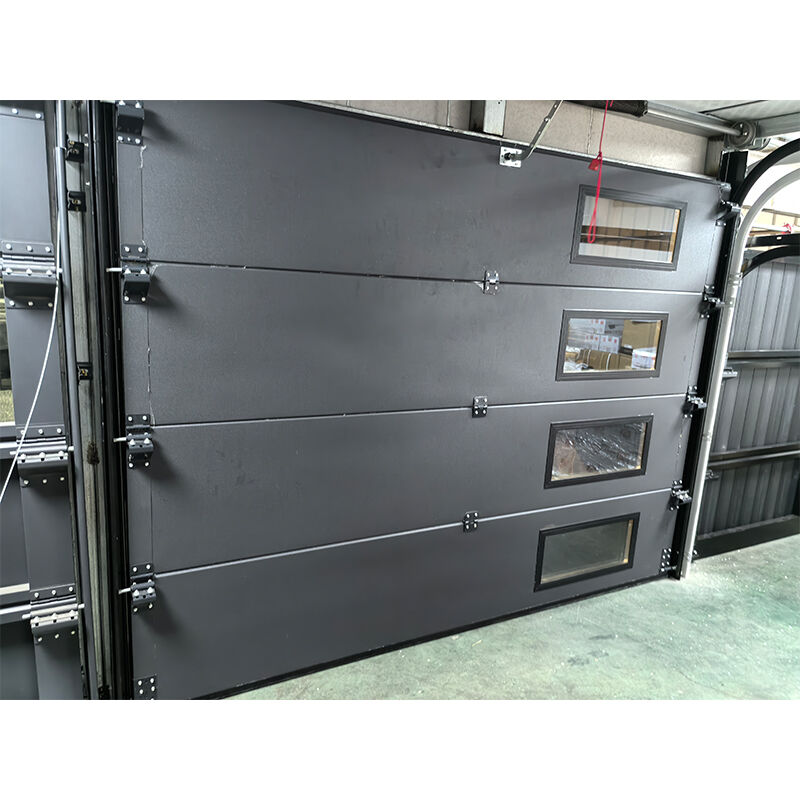
Choosing the right steel shop door for your industrial facility or commercial space can significantly impact operational efficiency, security, and long-term maintenance costs. Whether you're managing a warehouse, manufacturing facility, or retail establishment, the decision between rolling and swinging steel shop doors requires careful consideration of various factors including space constraints, traffic patterns, and security requirements. Both door types offer distinct advantages that make them suitable for different applications, and understanding these differences will help you make an informed decision that aligns with your specific operational needs.
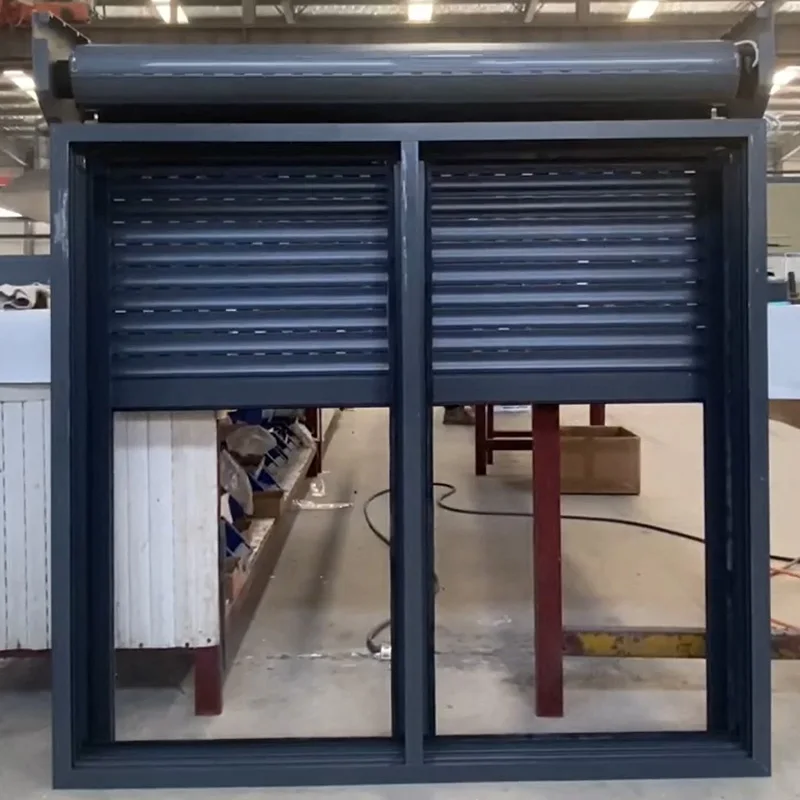
The steel shop door market has evolved considerably over recent decades, with manufacturers developing increasingly sophisticated solutions to meet diverse industrial requirements. Modern steel doors incorporate advanced materials, improved insulation properties, and enhanced security features that were not available in earlier generations. This evolution has made the selection process more complex but also more rewarding, as today's options provide superior performance across multiple criteria including energy efficiency, durability, and automated operation capabilities.
Understanding Rolling Steel Shop Doors
Design and Operational Mechanics
Rolling steel shop doors operate through a vertical lifting mechanism where interlocking steel slats roll up into a compact coil above the opening. This design maximizes available space both inside and outside the building, making it an ideal solution for facilities with limited clearance or high traffic areas. The door panels are typically constructed from galvanized steel, stainless steel, or aluminum, depending on the specific application requirements and environmental conditions.
The operational mechanics involve a counterbalance system that uses springs or motor-driven mechanisms to facilitate smooth opening and closing. Modern rolling steel shop door systems often incorporate variable frequency drives that allow for precise speed control, reducing wear and tear while improving operational safety. The track system guides the door panels through their vertical travel path, ensuring consistent alignment and preventing binding or jamming issues that could compromise security or accessibility.
Space Efficiency Advantages
One of the most significant benefits of rolling steel shop doors is their exceptional space efficiency. Unlike swinging doors that require substantial clearance areas for operation, rolling doors move vertically and store compactly above the opening. This characteristic makes them particularly valuable in urban environments where every square foot of usable space contributes to operational efficiency and cost management.
The compact storage requirement of a steel shop door in its rolled position typically occupies only 12 to 18 inches of overhead space, depending on the door height and slat thickness. This minimal footprint allows facility managers to maximize storage capacity near the door opening and optimize workflow patterns without worrying about door swing interference with equipment, vehicles, or personnel movement.
Security and Weather Protection
Rolling steel shop doors provide exceptional security through their continuous surface design and robust locking mechanisms. The interlocking slat system creates a solid barrier when closed, with minimal gaps that could be exploited by unauthorized entry attempts. Many rolling doors incorporate reinforced bottom bars, multiple locking points, and advanced locking systems that exceed standard commercial security requirements.
Weather protection capabilities of rolling steel shop doors are particularly noteworthy, especially in regions prone to severe weather conditions. The continuous surface design eliminates the gaps commonly found in sectional or swinging door systems, providing superior protection against wind-driven rain, snow, and debris. Advanced models include weather sealing systems along the guides and bottom rail that further enhance protection against environmental infiltration.
Exploring Swinging Steel Shop Doors
Traditional Design Benefits
Swinging steel shop doors represent the traditional approach to large opening access, operating on hinges that allow the door panels to pivot horizontally. This design offers several inherent advantages, including simple mechanical operation that requires minimal maintenance and provides reliable long-term performance. The hinge-based system distributes door weight across multiple mounting points, reducing stress concentrations and extending overall system lifespan.
The manufacturing process for swinging steel shop doors allows for greater customization in terms of panel configuration, window placement, and hardware selection. Facility managers can specify everything from the number of panels to the type of glazing materials, creating solutions that perfectly match their operational requirements and aesthetic preferences. This flexibility extends to security features, ventilation options, and specialized coatings that enhance corrosion resistance in challenging environments.
Maintenance and Durability Considerations
Swinging steel shop doors typically require less complex maintenance procedures compared to rolling systems. The mechanical simplicity of hinge-based operation means fewer moving parts that could require adjustment, lubrication, or replacement over time. This characteristic translates to lower long-term maintenance costs and reduced downtime for repairs or servicing, making swinging doors attractive for facilities with limited maintenance resources.
Durability of swinging steel shop doors benefits from their robust construction and time-tested design principles. The solid panel construction resists damage from impact, weather exposure, and normal operational stresses better than some alternative door types. Heavy-duty hinges and mounting hardware are designed to withstand decades of regular use while maintaining proper alignment and smooth operation, contributing to excellent long-term value proposition.
Cost and Installation Factors
Initial cost considerations often favor swinging steel shop doors, particularly for smaller openings or applications where automated operation is not required. The manufacturing process is generally less complex than rolling door systems, and installation requirements are typically straightforward, requiring standard structural mounting points and basic hardware installation. This simplicity can result in lower total project costs when factoring in both material and labor expenses.
Installation flexibility represents another advantage of swinging steel shop doors, as they can often be fitted to existing openings with minimal structural modifications. The mounting requirements are generally less demanding than rolling doors, which may require specific header configurations and additional structural support for the door coil and operating mechanism. This characteristic makes swinging doors particularly attractive for retrofit applications or buildings with architectural constraints.
Performance Comparison Analysis
Operational Speed and Efficiency
Operational speed differences between rolling and swinging steel shop doors can significantly impact facility throughput and energy efficiency. Rolling doors typically offer faster opening and closing cycles, with modern motorized systems capable of operating at speeds up to 2-3 feet per second. This rapid operation minimizes the time doors remain open, reducing energy loss and improving environmental control within conditioned spaces.
Swinging steel shop doors operate at slower speeds due to their horizontal movement pattern and the physics of pivoting heavy panels. However, this slower operation can be advantageous in applications where precise positioning is important or where gradual opening prevents sudden pressure changes that could affect sensitive processes or equipment. The operational speed of swinging doors can be optimized through proper balancing and high-quality hardware selection.
Energy Efficiency Performance
Energy efficiency considerations play an increasingly important role in steel shop door selection, particularly for climate-controlled facilities. Rolling doors generally provide superior thermal performance due to their continuous surface design and tight sealing characteristics. The absence of hinge gaps and the ability to incorporate advanced weather sealing systems contribute to lower air infiltration rates and reduced energy consumption for heating and cooling.
Insulation options for steel shop doors vary significantly between rolling and swinging configurations. Swinging doors can accommodate thicker insulation materials within their panel construction, potentially achieving higher R-values. However, the thermal bridging effects of hinges and the challenges of maintaining consistent sealing along swing paths often offset these theoretical advantages in real-world applications.
Safety and Code Compliance
Safety considerations for steel shop doors encompass both operational safety and emergency egress requirements. Rolling doors equipped with modern safety systems include photoelectric sensors, pressure-sensitive edges, and emergency stop mechanisms that prevent injury from door operation. The vertical movement pattern eliminates swing-related hazards but requires careful attention to overhead clearance and proper counterbalance adjustment to prevent sudden closure.
Swinging steel shop doors present different safety considerations, primarily related to their horizontal movement pattern and the potential for impact injuries. However, their operation is generally more intuitive for personnel, and emergency egress capabilities can be enhanced through panic hardware and quick-release mechanisms. Building code compliance varies by jurisdiction, with some codes favoring one door type over another for specific applications or occupancy classifications.
Application-Specific Considerations
Industrial and Manufacturing Environments
Industrial applications place unique demands on steel shop doors, including resistance to harsh chemicals, extreme temperatures, and heavy equipment traffic. Rolling doors excel in these environments due to their ability to provide complete closure without gaps that could allow contamination or process disruption. The vertical operation also eliminates ground-level tracks that could interfere with forklift traffic or accumulate debris that affects door operation.
Manufacturing facilities with high-frequency access requirements benefit from the rapid cycle times of automated rolling steel shop doors. The ability to integrate with facility management systems, vehicle sensors, and production scheduling software makes rolling doors particularly attractive for modern manufacturing operations that prioritize efficiency and automation. Specialized coatings and materials are available to address specific industrial challenges such as corrosion resistance or cleanroom compatibility.
Warehouse and Distribution Centers
Warehouse and distribution applications typically prioritize steel shop door solutions that maximize operational efficiency while minimizing interference with material handling equipment. Rolling doors provide clear advantages in these environments, offering unobstructed openings without floor tracks or swing clearance requirements. The rapid operation capability supports high-throughput operations where door cycle time directly impacts productivity.
Loading dock applications specifically benefit from rolling steel shop doors that can be integrated with dock levelers, seals, and shelters to create weather-tight connections with trailer vehicles. The ability to achieve precise positioning and maintain consistent sealing pressure enhances energy efficiency and protects stored products from environmental exposure. Advanced door systems can be synchronized with dock equipment operation to optimize loading and unloading procedures.
Retail and Commercial Applications
Retail environments require steel shop doors that balance security, aesthetics, and operational convenience. Rolling doors can incorporate glazing elements, decorative finishes, and architectural details that complement building design while maintaining robust security characteristics. The compact storage configuration preserves valuable retail space and eliminates the visual impact of door hardware when the door is open.
Commercial applications often benefit from the flexibility of swinging steel shop doors, particularly when partial opening capability is desired or when the door must serve dual purposes as both a security barrier and an architectural feature. Custom glazing configurations, integrated lighting, and specialized hardware options allow swinging doors to meet specific aesthetic and functional requirements that may be challenging to achieve with rolling systems.
Long-term Value and Investment Analysis
Total Cost of Ownership Factors
Evaluating the total cost of ownership for steel shop doors requires consideration of initial purchase price, installation costs, ongoing maintenance expenses, and operational efficiency impacts. Rolling doors typically command higher initial investment costs due to their more complex manufacturing requirements and specialized installation procedures. However, these costs may be offset by superior energy efficiency, reduced maintenance requirements, and enhanced operational productivity over the door's service life.
Maintenance cost analysis reveals different patterns for rolling versus swinging steel shop doors. Rolling systems may require more specialized service expertise and replacement parts, but their sealed construction often results in longer intervals between major maintenance events. Swinging doors benefit from simpler maintenance procedures that can often be performed by general maintenance staff, but may require more frequent attention to hinges, sealing elements, and alignment adjustments.
Service Life and Reliability Expectations
Service life expectations for steel shop doors depend heavily on application conditions, maintenance quality, and initial product selection. High-quality rolling doors can provide 15-20 years of reliable service in typical commercial applications, with some industrial-grade systems exceeding 25 years when properly maintained. The continuous operation capability and robust counterbalance systems contribute to consistent performance throughout the service life.
Swinging steel shop doors often demonstrate exceptional longevity, with properly maintained systems providing 20-30 years of service or more. The mechanical simplicity and robust construction of quality swinging doors contribute to their reputation for reliability, particularly in applications with moderate usage frequency. The ability to repair or replace individual components without complete system replacement enhances the long-term value proposition.
Technology Integration and Future-Proofing
Modern steel shop door systems increasingly incorporate advanced technologies including remote monitoring, predictive maintenance capabilities, and integration with building automation systems. Rolling doors generally offer more extensive technology integration options due to their motorized operation and sophisticated control systems. These capabilities support proactive maintenance scheduling, energy optimization, and operational analytics that enhance long-term value.
Future-proofing considerations include the ability to retrofit existing steel shop doors with new technologies as they become available. Rolling door systems typically provide better upgrade pathways for automation, security enhancements, and energy efficiency improvements. However, swinging doors can often accommodate technology additions such as access control systems, monitoring sensors, and automated operation mechanisms through aftermarket modifications.
FAQ
What factors should determine my choice between rolling and swinging steel shop doors
The choice between rolling and swinging steel shop doors should be based on several key factors including available space, frequency of use, security requirements, and budget considerations. Rolling doors are ideal for high-traffic applications with limited space, while swinging doors work well for moderate-use applications where cost is a primary concern. Consider your facility's specific operational needs, maintenance capabilities, and long-term growth plans when making this decision.
How do maintenance requirements differ between rolling and swinging steel shop doors
Rolling steel shop doors typically require more specialized maintenance due to their complex mechanical systems, counterbalances, and track components. However, they often need attention less frequently due to their sealed construction. Swinging doors require simpler maintenance that can usually be performed by general maintenance staff, but may need more frequent adjustments to hinges, seals, and alignment. Both types benefit from regular inspection and preventive maintenance programs.
Which type offers better security for commercial and industrial applications
Both rolling and swinging steel shop doors can provide excellent security when properly designed and installed. Rolling doors offer advantages through their continuous surface design with minimal gaps, while swinging doors can incorporate multiple locking points and reinforced construction. The security level ultimately depends on the specific door construction, locking mechanisms, and installation quality rather than the door type alone.
What are the typical cost differences between rolling and swinging steel shop doors
Rolling steel shop doors generally have higher initial costs due to their more complex manufacturing and installation requirements, typically ranging from 25-50% more than comparable swinging doors. However, total cost of ownership calculations should include energy efficiency benefits, operational productivity gains, and maintenance costs over the door's service life. In high-usage applications, rolling doors often provide better long-term value despite higher initial investment.
Table of Contents
- Understanding Rolling Steel Shop Doors
- Exploring Swinging Steel Shop Doors
- Performance Comparison Analysis
- Application-Specific Considerations
- Long-term Value and Investment Analysis
-
FAQ
- What factors should determine my choice between rolling and swinging steel shop doors
- How do maintenance requirements differ between rolling and swinging steel shop doors
- Which type offers better security for commercial and industrial applications
- What are the typical cost differences between rolling and swinging steel shop doors