 EN
EN

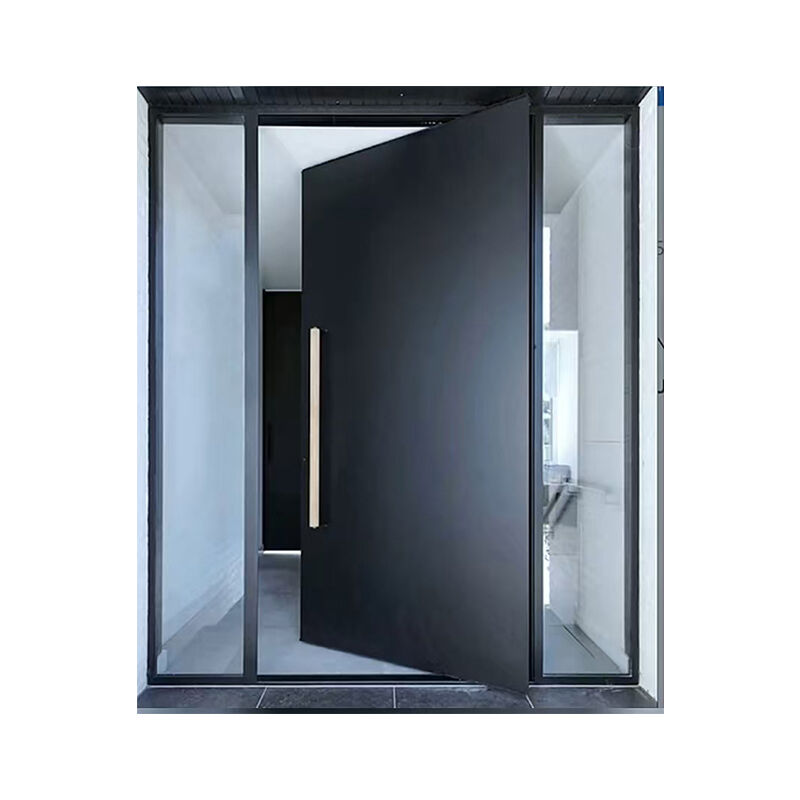
Security remains a paramount concern for retail and industrial establishments, where the choice of entrance solutions directly impacts both asset protection and operational efficiency. A steel shop door represents the cornerstone of commercial security infrastructure, offering unmatched durability and protection against unauthorized access. These robust entrance systems have evolved significantly, incorporating advanced materials and engineering principles to meet the demanding requirements of modern business environments. The strategic selection of appropriate entrance security measures can mean the difference between comprehensive protection and costly vulnerabilities that expose valuable inventory and equipment to potential threats.
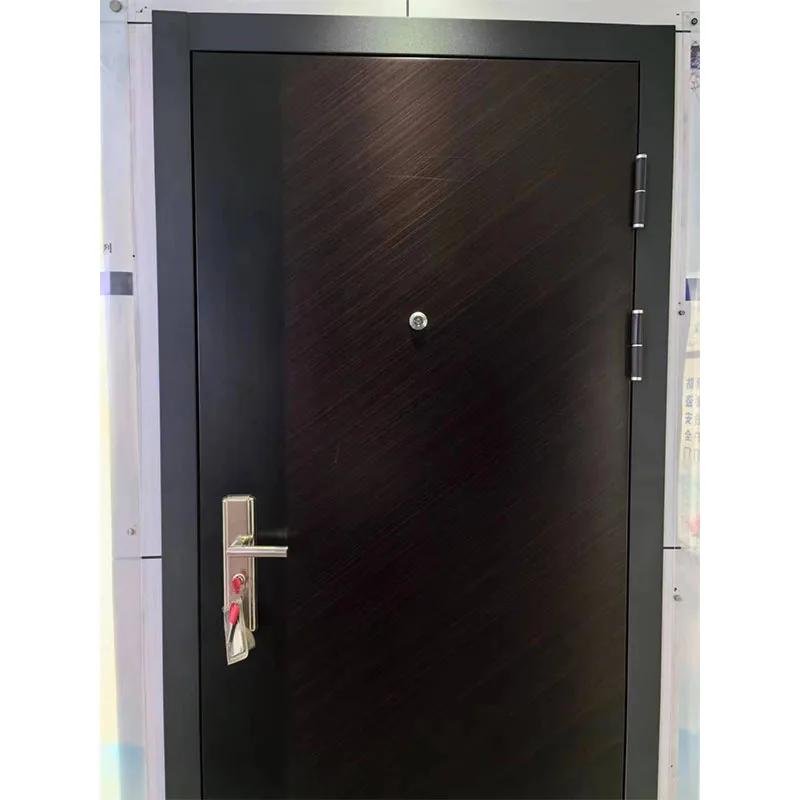
Understanding Steel Shop Door Construction and Materials
Advanced Steel Alloy Composition
Modern steel shop door manufacturing utilizes high-grade steel alloys specifically engineered to withstand extreme weather conditions and potential security breaches. These alloys typically incorporate carbon content ranging from 0.15% to 0.30%, providing optimal strength-to-weight ratios essential for commercial applications. The manufacturing process involves precision cold-rolling techniques that enhance structural integrity while maintaining workability for custom installations. Premium steel shop door systems often feature galvanized coatings that resist corrosion for decades, ensuring long-term performance in challenging industrial environments.
The metallurgical properties of commercial-grade steel doors exceed residential standards by incorporating tensile strength ratings of 50,000 to 70,000 PSI. This exceptional strength enables steel shop door installations to resist forced entry attempts while maintaining smooth operational characteristics. Advanced heat treatment processes further enhance durability, creating molecular structures that resist deformation under extreme pressure. These technical specifications make steel entrance systems ideal for high-security retail locations, warehouses, and manufacturing facilities requiring maximum protection.
Reinforcement Technologies and Design Features
Contemporary steel shop door designs incorporate multi-point locking mechanisms that distribute security loads across the entire frame structure. These systems feature reinforced strike plates, hardened steel bolts, and tamper-resistant hardware that collectively create formidable barriers against unauthorized access. The integration of steel reinforcement bars within door frames provides additional structural support, preventing frame distortion that could compromise security integrity. Professional installations include precisely machined hinges rated for thousands of operational cycles without performance degradation.
Thermal break technology has revolutionized steel shop door performance by addressing energy efficiency concerns while maintaining security standards. These systems incorporate polyamide thermal barriers that interrupt heat transfer pathways, reducing energy costs and improving interior comfort. The combination of thermal efficiency and security creates value propositions that appeal to cost-conscious business owners seeking comprehensive solutions. Modern steel shop door installations can achieve impressive U-values while providing superior protection against criminal activity and environmental challenges.
Security Performance and Access Control Integration
Multi-Layered Security Systems
Professional security assessments consistently rank steel shop door installations among the most effective deterrents against commercial break-ins. The visual presence of robust steel construction often discourages criminal activity before attempts occur, providing psychological security benefits that complement physical protection. Advanced locking systems can integrate with electronic access control networks, enabling remote monitoring and automated security protocols. These capabilities allow business owners to maintain complete oversight of entrance activity through sophisticated digital interfaces.
The integration of biometric readers, keypad systems, and proximity cards transforms traditional steel shop door installations into comprehensive access management platforms. These technologies enable detailed audit trails that track entry and exit activities, supporting both security and operational management requirements. Emergency override capabilities ensure that authorized personnel can maintain access during power outages or system malfunctions. The scalability of modern access control systems allows businesses to expand security coverage as operational needs evolve.
Physical Attack Resistance Standards
Industry testing protocols evaluate steel shop door performance against standardized attack methods including prying, drilling, and impact forces. These assessments utilize specialized equipment that simulates real-world criminal techniques, providing measurable data on security effectiveness. Premium systems consistently demonstrate resistance times exceeding 15 minutes against professional burglary tools, often discouraging criminal attempts entirely. The combination of material strength and design sophistication creates security barriers that require exceptional effort and time to compromise.
Ballistic resistance capabilities represent advanced security features available in specialized steel shop door configurations designed for high-risk environments. These systems incorporate layered steel plates and energy-absorbing materials that can withstand specific threat levels while maintaining operational functionality. The engineering requirements for ballistic protection demand precise manufacturing tolerances and quality control procedures that exceed standard commercial specifications. Such installations typically serve government facilities, financial institutions, and other sensitive commercial applications requiring maximum security assurance.
Installation Requirements and Professional Services
Site Assessment and Preparation Procedures
Successful steel shop door installations begin with comprehensive site evaluations that assess structural requirements, security vulnerabilities, and operational considerations. Professional installers examine existing masonry, concrete, or steel frame conditions to determine appropriate anchoring methods and reinforcement needs. These assessments identify potential challenges such as uneven floors, inadequate header support, or electrical integration requirements that could impact installation quality. Detailed measurements and structural analysis ensure that selected steel shop door systems will perform optimally within specific architectural constraints.
Environmental factors including wind loads, seismic considerations, and thermal expansion requirements influence installation specifications and hardware selection. Professional teams utilize laser measurement tools and structural analysis software to optimize door positioning and frame alignment. The preparation process often involves concrete work, steel reinforcement installation, and electrical rough-in procedures that must be completed before door installation begins. These preliminary steps establish foundation conditions that support long-term security performance and operational reliability.
Professional Installation and Quality Assurance
Certified installation teams bring specialized tools and expertise essential for proper steel shop door mounting and adjustment procedures. The installation process requires precision welding, mechanical fastening, and alignment techniques that ensure optimal security performance and operational smoothness. Professional installers understand the critical importance of proper frame-to-masonry connections that distribute loads effectively while preventing air infiltration. Quality installations include comprehensive testing of locking mechanisms, access control integration, and emergency operation procedures.
Post-installation services typically include operator training, maintenance scheduling, and warranty documentation that protects customer investments. Professional installation teams provide detailed instructions on proper operation, routine maintenance requirements, and troubleshooting procedures that maximize system longevity. The documentation includes security specifications, access control programming, and emergency contact information essential for ongoing support. Many installation companies offer maintenance contracts that ensure continued performance through regular inspections and preventive service procedures.
Commercial Applications and Industry Benefits
Retail and Shopping Center Implementations
Retail environments benefit significantly from steel shop door installations that provide security without compromising customer accessibility or aesthetic appeal. Modern designs incorporate glass panels, decorative elements, and architectural finishes that complement commercial building designs while maintaining security integrity. The flexibility of steel shop door systems allows customization for specific retail applications including jewelry stores, electronics retailers, and high-value merchandise locations. These installations often feature rapid-opening mechanisms that facilitate customer traffic flow during business hours while providing maximum security after closing.
Shopping centers and mall environments utilize steel shop door systems for individual tenant security and common area access control. The standardization of security systems across multiple retail locations creates operational efficiencies and consistent protection levels that benefit both property managers and tenants. Integrated access control capabilities enable centralized monitoring and emergency response coordination that enhances overall facility security. The durability of steel construction reduces maintenance costs and replacement frequency compared to alternative entrance systems.
Industrial and Manufacturing Facility Security
Manufacturing facilities require steel shop door systems that accommodate heavy equipment traffic while maintaining strict security protocols for valuable machinery and raw materials. Industrial applications often specify oversized door systems with reinforced frames capable of supporting frequent loading dock operations and material handling equipment passage. The integration of safety systems including motion sensors, warning lights, and emergency stops ensures worker safety while maintaining security effectiveness. These installations must withstand harsh industrial environments including chemical exposure, temperature extremes, and mechanical impacts.
Warehouse and distribution facilities utilize steel shop door technology for both perimeter security and internal access control between different operational zones. The ability to configure multiple access levels enables sophisticated security protocols that protect high-value inventory while facilitating efficient workflow management. Advanced steel shop door systems can integrate with inventory management software, creating automated access control that responds to specific operational requirements. The scalability of these systems allows facility expansion without comprehensive security system replacement.
Maintenance and Longevity Considerations
Preventive Maintenance Programs
Regular maintenance programs maximize steel shop door performance and extend operational life while maintaining security effectiveness throughout the service period. Professional maintenance schedules typically include lubrication of moving components, adjustment of closing mechanisms, and inspection of security hardware for signs of wear or tampering. The frequency of maintenance visits depends on usage levels, environmental conditions, and specific security requirements that vary among different commercial applications. Documented maintenance records support warranty claims and provide valuable data for system optimization and replacement planning.
Preventive maintenance protocols address common wear patterns including hinge pin degradation, weather seal deterioration, and electronic component aging that can compromise both security and operational performance. Professional service teams utilize specialized diagnostic equipment to identify potential problems before failures occur, minimizing downtime and maintaining continuous security coverage. The cost-effectiveness of preventive maintenance far exceeds reactive repair expenses while ensuring consistent protection for valuable assets. Modern steel shop door systems incorporate self-diagnostic capabilities that alert maintenance teams to emerging issues requiring attention.
Long-term Performance and Replacement Planning
Quality steel shop door installations typically provide 15-25 years of reliable service with appropriate maintenance and reasonable usage levels. The longevity of these systems creates excellent return on investment calculations that justify initial installation costs through extended service life and reduced replacement frequency. Environmental factors including coastal salt exposure, industrial chemical presence, and extreme temperature variations can influence service life and maintenance requirements. Strategic replacement planning considers security technology advances, building modifications, and changing operational requirements that may warrant system upgrades.
Technology evolution continues advancing steel shop door capabilities through improved materials, enhanced security features, and integrated smart building systems. Future replacement decisions should evaluate emerging technologies including IoT integration, artificial intelligence applications, and advanced biometric systems that may provide additional security and operational benefits. The modular design of modern systems often allows partial upgrades that extend system life while incorporating new capabilities. Investment planning should consider both immediate security needs and future technology integration opportunities that maximize long-term value.
FAQ
What makes steel shop doors more secure than other commercial entrance options
Steel shop doors provide superior security through robust construction materials, reinforced frames, and advanced locking mechanisms that resist common break-in methods. The inherent strength of steel construction creates physical barriers that require exceptional effort and time to compromise, often discouraging criminal attempts entirely. Multi-point locking systems and tamper-resistant hardware further enhance security effectiveness while integration capabilities with modern access control systems provide comprehensive protection solutions for commercial environments.
How do steel shop doors perform in different weather conditions and climates
Modern steel shop doors incorporate weather-resistant coatings, thermal break technology, and precision weather sealing that maintain performance across diverse climate conditions. Galvanized finishes and specialized paint systems resist corrosion from salt air, industrial chemicals, and moisture exposure while thermal barriers prevent condensation and energy loss. Professional installations include proper drainage systems and expansion joints that accommodate thermal movement without compromising security or operational performance throughout seasonal temperature variations.
What maintenance requirements should businesses expect with steel shop door systems
Regular maintenance for steel shop doors typically includes quarterly lubrication of hinges and locking mechanisms, annual inspection of weather seals and electronic components, and periodic adjustment of closing forces and alignment settings. Professional maintenance programs can extend system life significantly while maintaining optimal security performance and operational reliability. Most commercial installations benefit from professional service contracts that provide scheduled maintenance, emergency repair coverage, and priority support for critical security applications.
Can steel shop doors integrate with existing building security and access control systems
Contemporary steel shop door systems offer extensive integration capabilities with electronic access control networks, surveillance systems, and building automation platforms through standardized communication protocols. These integrations enable centralized monitoring, automated access scheduling, and comprehensive audit trail capabilities that enhance both security and operational management. Professional installation teams can configure custom integration solutions that accommodate existing infrastructure while providing upgrade pathways for future technology enhancement and system expansion needs.
Table of Contents
- Understanding Steel Shop Door Construction and Materials
- Security Performance and Access Control Integration
- Installation Requirements and Professional Services
- Commercial Applications and Industry Benefits
- Maintenance and Longevity Considerations
-
FAQ
- What makes steel shop doors more secure than other commercial entrance options
- How do steel shop doors perform in different weather conditions and climates
- What maintenance requirements should businesses expect with steel shop door systems
- Can steel shop doors integrate with existing building security and access control systems