 EN
EN

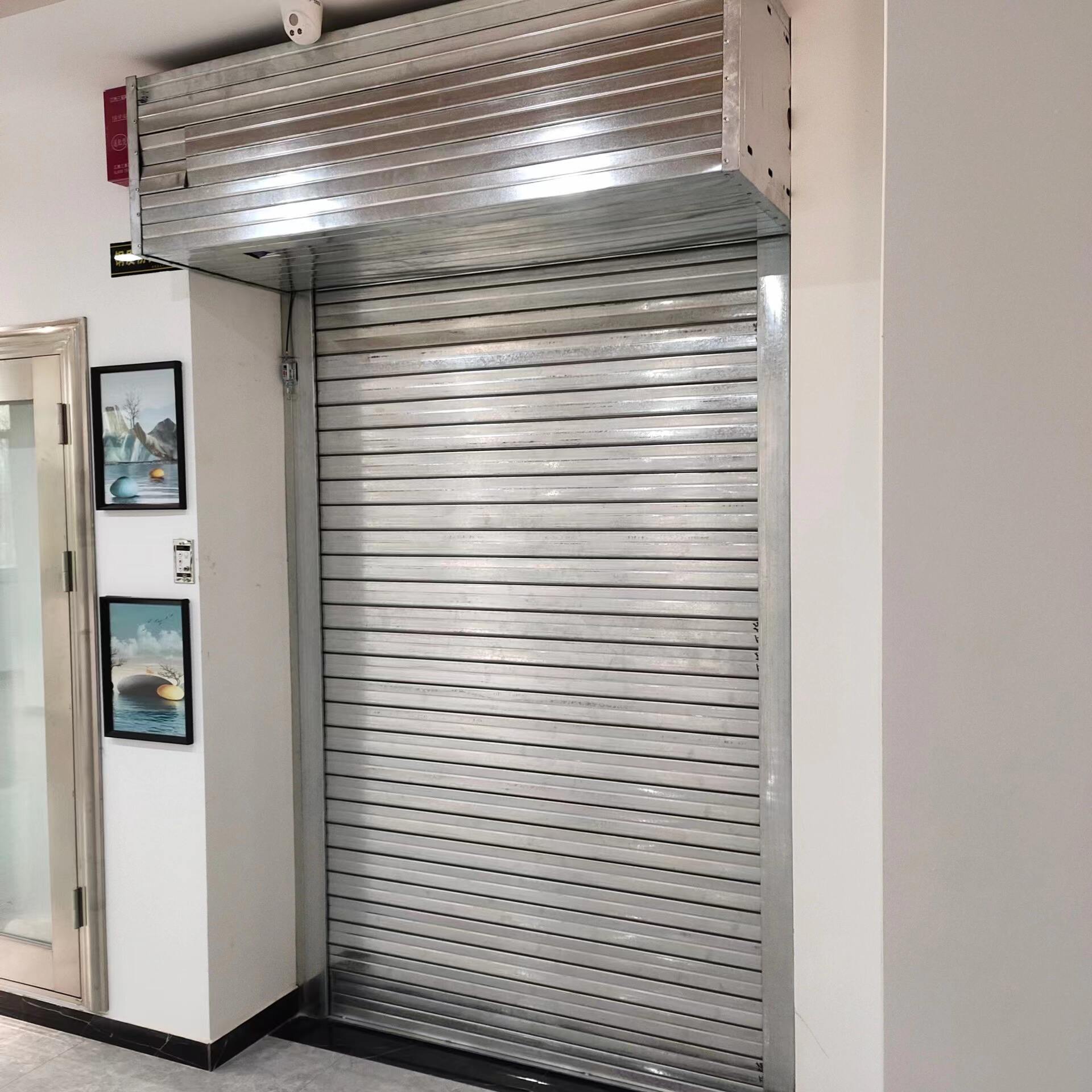
A steel outside door serves as the primary barrier between your property and the external environment, making its maintenance crucial for both security and aesthetic appeal. Unlike interior doors, exterior steel doors face constant exposure to moisture, temperature fluctuations, and various weather conditions that can accelerate rust and corrosion. Understanding how to properly protect and maintain your steel outside door will significantly extend its lifespan while preserving its structural integrity and visual appearance. The investment in quality maintenance practices pays dividends in terms of reduced replacement costs and enhanced property value.
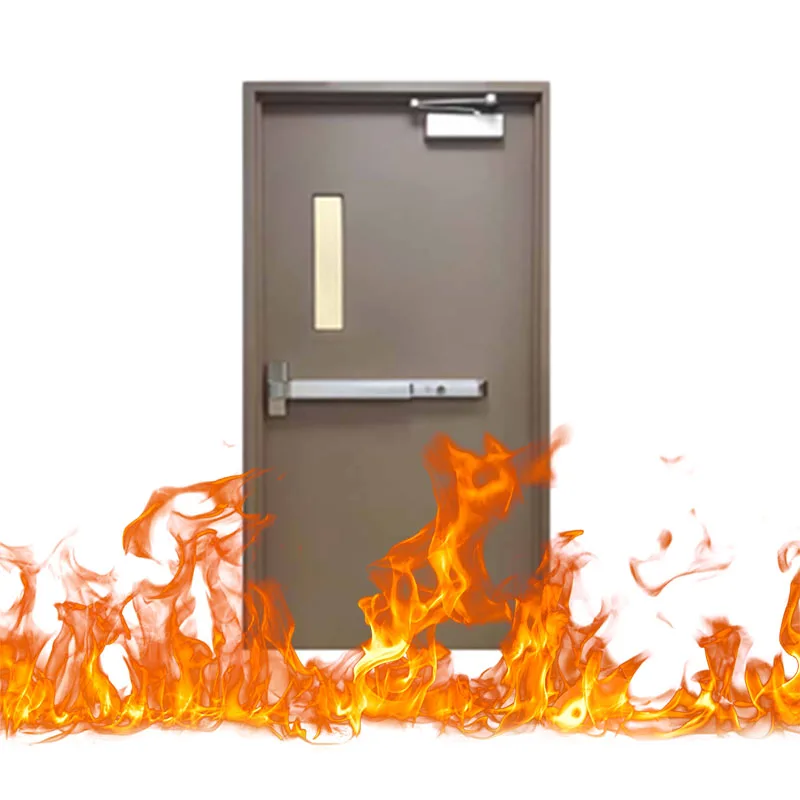
Understanding Corrosion Mechanisms in Steel Doors
The Science Behind Steel Corrosion
Corrosion occurs when steel reacts with oxygen and moisture in the environment, forming iron oxide commonly known as rust. This electrochemical process begins at the molecular level when iron atoms lose electrons to oxygen atoms in the presence of water. For a steel outside door, this process is accelerated by environmental factors such as salt air, acid rain, and temperature variations. The protective coating on your steel outside door acts as the first line of defense against these corrosive elements.
The rate of corrosion depends on several factors including humidity levels, temperature, and the presence of corrosive substances. Coastal areas with high salt content in the air pose particular challenges for steel outside door maintenance. Understanding these mechanisms helps property owners implement targeted prevention strategies that address specific environmental conditions in their location.
Environmental Factors Affecting Steel Door Longevity
Climate plays a significant role in determining how quickly a steel outside door may develop corrosion issues. Regions with high humidity, frequent rainfall, or proximity to industrial areas typically require more intensive maintenance protocols. Temperature fluctuations cause expansion and contraction of the door material, which can create microscopic cracks in protective coatings where moisture can penetrate.
Seasonal changes bring unique challenges for steel outside door preservation. Winter conditions with road salt and de-icing chemicals can accelerate corrosion, while summer heat and UV exposure can degrade protective finishes. Snow accumulation against the door base creates prolonged moisture exposure that can lead to localized rust formation if proper drainage is not maintained.
Protective Coating Systems for Steel Doors
Types of Protective Finishes
Modern steel outside door manufacturers apply various protective coating systems designed to prevent corrosion and enhance durability. Galvanized coatings provide excellent rust resistance by creating a zinc barrier that sacrificially corrodes before the underlying steel. Powder coating offers superior adhesion and chemical resistance compared to traditional liquid paints, making it an excellent choice for exterior applications.
Primer systems form the foundation of effective corrosion protection for any steel outside door. High-quality primers contain rust inhibitors and create strong adhesion between the steel substrate and topcoat. The selection of appropriate primer depends on the specific environmental conditions and expected service life of the installation.
Application Techniques and Best Practices
Proper surface preparation is critical for achieving long-lasting protection on a steel outside door. This involves thorough cleaning to remove all dirt, grease, and existing rust, followed by mechanical or chemical treatment to create optimal surface profile. Professional application techniques ensure uniform coverage and eliminate potential weak points where corrosion could initiate.
Temperature and humidity conditions during coating application significantly affect the final performance. Most protective systems require specific environmental parameters for proper curing, and deviation from these specifications can compromise long-term durability. Quality control measures during application help identify and correct potential issues before they impact the steel outside door performance.
Regular Maintenance Procedures
Cleaning and Inspection Protocols
Establishing a regular cleaning schedule for your steel outside door removes corrosive contaminants before they can cause damage. Weekly washing with mild soap and water eliminates salt deposits, dirt, and organic matter that can trap moisture against the door surface. Pay particular attention to the bottom rail and hinge areas where debris tends to accumulate.
Monthly detailed inspections help identify early signs of coating failure or rust development on your steel outside door. Look for areas where the finish appears chalky, cracked, or discolored, as these indicate potential corrosion initiation points. Document any findings with photographs to track progression and plan appropriate maintenance interventions.
Preventive Maintenance Techniques
Touch-up painting represents one of the most cost-effective preventive maintenance strategies for a steel outside door. Small chips or scratches in the protective coating should be addressed immediately to prevent moisture intrusion. Use compatible primer and paint systems that match the original specifications for optimal adhesion and color consistency.
Hardware maintenance plays an equally important role in overall steel outside door preservation. Lubricate hinges, locks, and other moving components regularly to prevent corrosion and ensure smooth operation. Replace weatherstripping as needed to maintain proper sealing and prevent moisture infiltration around the door perimeter.
Advanced Protection Strategies
Cathodic Protection Methods
For steel outside door installations in highly corrosive environments, cathodic protection systems provide an additional layer of defense against electrochemical corrosion. These systems work by making the steel door the cathode in an electrochemical cell, effectively preventing the oxidation process that leads to rust formation. While more complex than traditional coating systems, cathodic protection offers superior long-term performance in challenging conditions.
Impressed current systems and sacrificial anode systems represent the two primary approaches to cathodic protection. The selection depends on factors such as soil resistivity, environmental conditions, and economic considerations. Professional engineering consultation is typically required to design and install effective cathodic protection for steel outside door applications.
Barrier Protection Enhancement
Advanced barrier systems combine multiple protection layers to create comprehensive defense against corrosion. These may include specialized primers with active corrosion inhibitors, intermediate coats for enhanced barrier properties, and topcoats engineered for specific environmental challenges. The steel outside door benefits from this multi-layer approach through extended service life and reduced maintenance requirements.
Nanotechnology has introduced innovative protective coatings that offer superior performance characteristics compared to traditional systems. These advanced materials provide self-healing properties, enhanced UV resistance, and improved adhesion to steel substrates. While initial costs may be higher, the long-term value proposition often justifies the investment for critical steel outside door applications.
Troubleshooting Common Corrosion Issues
Early Detection and Assessment
Recognizing the early warning signs of corrosion on a steel outside door enables timely intervention before extensive damage occurs. Surface discoloration, particularly reddish-brown staining, indicates active rust formation that requires immediate attention. Coating adhesion problems manifest as peeling, blistering, or chalking of the finish surface.
Professional assessment tools including coating thickness gauges, adhesion testers, and corrosion rate monitors provide quantitative data about the condition of your steel outside door protection systems. These measurements help determine whether maintenance or complete refinishing is required to maintain optimal performance.
Repair and Restoration Techniques
Localized rust removal requires careful attention to avoid damaging surrounding areas of the steel outside door. Mechanical methods such as wire brushing or sanding effectively remove surface rust, while chemical rust converters can neutralize remaining oxidation products. The choice of removal method depends on the extent of corrosion and accessibility of the affected area.
Complete refinishing becomes necessary when corrosion damage is extensive or when protective coatings have reached the end of their service life. This process involves complete removal of existing finishes, surface preparation to remove all traces of corrosion, and application of new protective systems. Professional refinishing ensures compliance with manufacturer specifications and optimal long-term performance for your steel outside door.
Cost-Effective Maintenance Planning
Lifecycle Cost Analysis
Understanding the total cost of ownership for a steel outside door includes initial purchase price, installation costs, ongoing maintenance expenses, and eventual replacement considerations. Preventive maintenance programs typically cost significantly less than reactive repairs or premature replacement due to corrosion damage. Developing a comprehensive maintenance budget helps property owners allocate resources effectively.
Return on investment calculations for various protection strategies help justify maintenance expenditures and guide decision-making processes. High-quality protective coatings may have higher initial costs but provide superior long-term value through extended service life and reduced maintenance frequency. The specific economic analysis depends on factors such as environmental conditions, usage patterns, and facility requirements.
Maintenance Scheduling Optimization
Developing an optimal maintenance schedule for your steel outside door balances protection effectiveness with cost considerations. High-risk areas may require monthly inspections and quarterly maintenance interventions, while protected locations might extend intervals to semi-annual or annual cycles. Weather patterns and seasonal changes should influence timing of major maintenance activities.
Predictive maintenance technologies enable condition-based scheduling that optimizes resource utilization while maintaining protection effectiveness. Sensors can monitor environmental conditions, coating thickness, and corrosion rates to trigger maintenance activities based on actual need rather than arbitrary time intervals. This approach maximizes the service life of your steel outside door while minimizing unnecessary maintenance costs.
FAQ
How often should I inspect my steel outside door for signs of corrosion
Regular visual inspections should be conducted monthly, with more detailed examinations quarterly. Look for any changes in the door's finish, including discoloration, peeling, or rust spots. Pay special attention to areas prone to moisture accumulation such as the bottom rail, corners, and around hardware. Environmental factors like coastal locations or industrial areas may require more frequent inspections to catch corrosion issues early.
What are the most effective methods to remove rust from a steel outside door
For surface rust, start with fine steel wool or sandpaper to gently remove the oxidation without damaging the surrounding finish. For more extensive rust, use a wire brush or rust removal chemical products specifically designed for steel surfaces. Always clean the area thoroughly after rust removal and apply primer and paint immediately to prevent re-oxidation. Severe rust damage may require professional restoration services.
Can I prevent rust formation on my steel outside door in coastal environments
Yes, coastal environments require enhanced protection strategies due to salt air exposure. Use marine-grade protective coatings specifically formulated for high-salt environments. Increase cleaning frequency to remove salt deposits that accelerate corrosion. Consider applying additional protective treatments such as wax coatings or corrosion inhibitors. Ensure proper drainage around the door area to prevent standing water that can concentrate salt and accelerate corrosion processes.
What type of paint should I use for touch-up repairs on my steel outside door
Use high-quality exterior metal paint that matches your door's original finish system. Always start with a rust-inhibiting primer designed for steel surfaces before applying the topcoat. Ensure the paint is formulated for exterior use and compatible with the existing coating. Consider using direct-to-metal paints that combine primer and finish in one product for small touch-up applications. Allow proper drying time between coats and avoid painting in extreme weather conditions.
Table of Contents
- Understanding Corrosion Mechanisms in Steel Doors
- Protective Coating Systems for Steel Doors
- Regular Maintenance Procedures
- Advanced Protection Strategies
- Troubleshooting Common Corrosion Issues
- Cost-Effective Maintenance Planning
-
FAQ
- How often should I inspect my steel outside door for signs of corrosion
- What are the most effective methods to remove rust from a steel outside door
- Can I prevent rust formation on my steel outside door in coastal environments
- What type of paint should I use for touch-up repairs on my steel outside door