 EN
EN
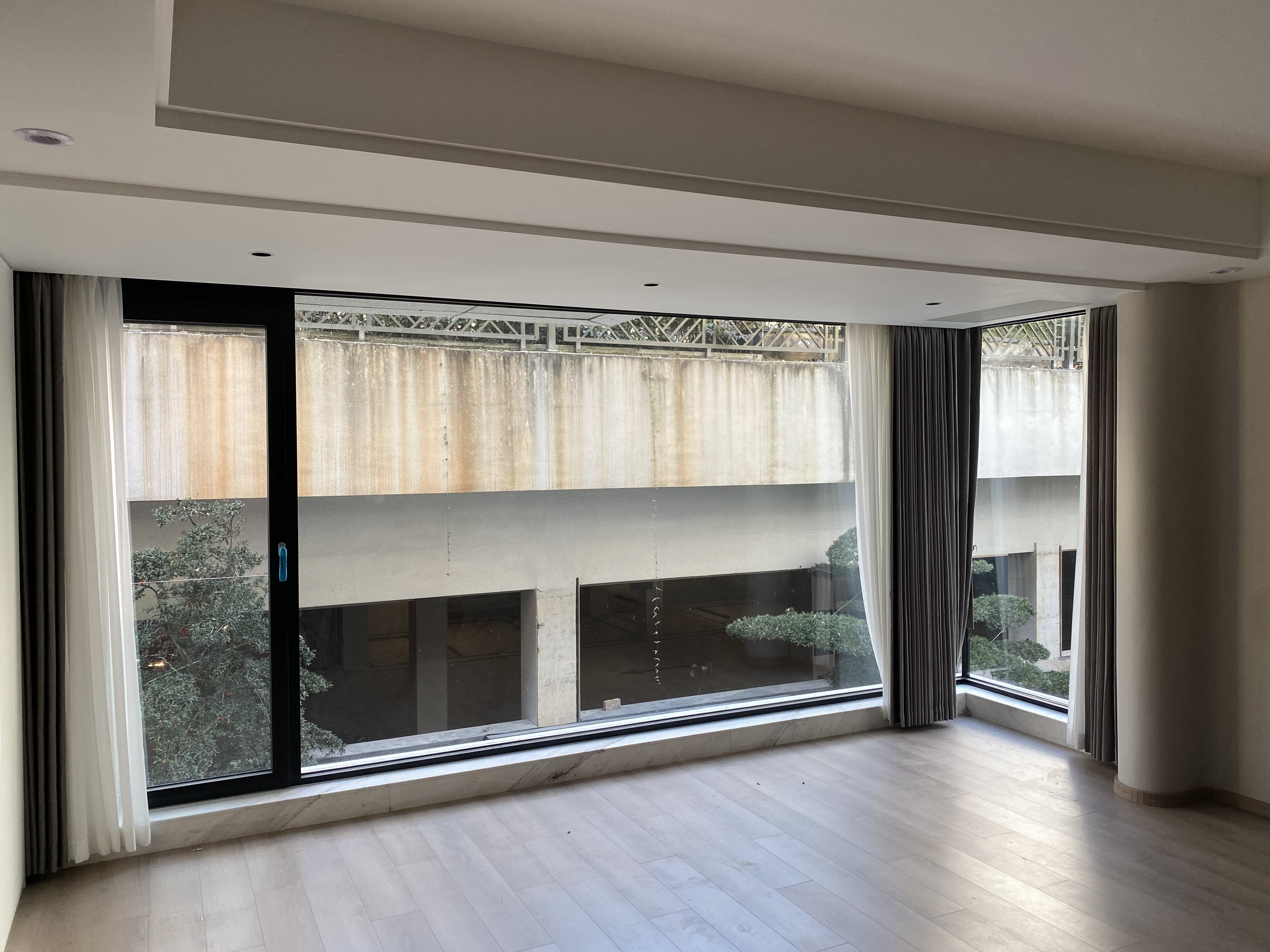
Selecting the right aluminum window manufacturer represents one of the most critical decisions in any construction or renovation project. The quality of your aluminum window selection directly impacts energy efficiency, structural integrity, aesthetic appeal, and long-term maintenance costs. With numerous manufacturers offering varying levels of expertise, certifications, and product specifications, understanding the key selection criteria becomes essential for making an informed decision that aligns with your project requirements and budget constraints.
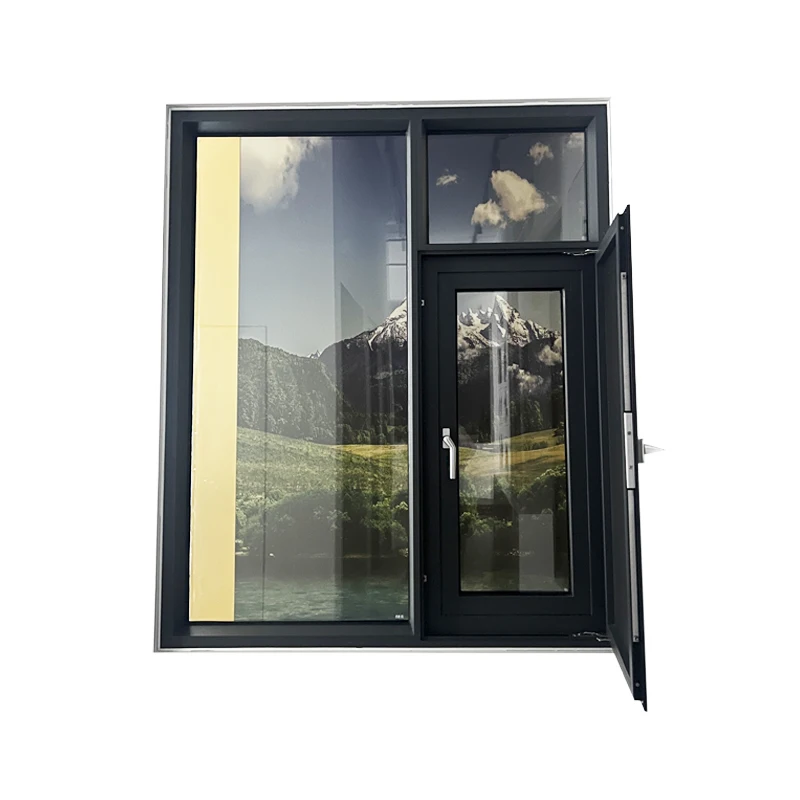
The aluminum window manufacturing industry encompasses diverse capabilities, from basic residential products to complex commercial systems requiring specialized engineering. Each manufacturer brings distinct strengths in terms of production capacity, technical expertise, certification compliance, and market focus. Evaluating these factors systematically ensures you partner with a manufacturer capable of delivering aluminum window solutions that meet your specific performance standards, timeline requirements, and quality expectations while providing reliable long-term support and warranty coverage.
Manufacturing Capabilities and Production Standards
Production Capacity and Scale Assessment
Manufacturing capacity directly influences a company's ability to handle your aluminum window project efficiently and meet delivery schedules. Large-scale manufacturers typically possess automated production lines, advanced machinery, and streamlined processes that enable consistent quality control and faster turnaround times. However, smaller specialized manufacturers may offer greater customization flexibility and personalized attention for unique aluminum window specifications. Evaluating production volume capabilities helps determine whether a manufacturer can accommodate your project size without compromising quality or extending delivery timelines beyond acceptable limits.
Production scalability becomes particularly important for projects with phased delivery requirements or potential expansion plans. Manufacturers with flexible production scheduling and capacity reserves can adapt to changing project demands more effectively. Additionally, established manufacturers often maintain strategic inventory levels of common aluminum window components, reducing lead times for standard configurations while maintaining the ability to source specialized materials for custom applications when needed.
Quality Control Systems and Process Standards
Comprehensive quality control systems distinguish professional aluminum window manufacturers from basic fabricators. Effective quality management encompasses raw material inspection, in-process monitoring, finished product testing, and systematic documentation of all quality checkpoints. Manufacturers implementing ISO 9001 or similar quality management standards demonstrate commitment to consistent processes and continuous improvement. These systems ensure that each aluminum window meets specified dimensions, performance criteria, and aesthetic standards before shipment.
Advanced manufacturers employ statistical process control methods, automated measurement systems, and regular calibration of testing equipment to maintain precision throughout production. Quality control documentation provides traceability for each aluminum window unit, enabling rapid identification and resolution of any issues that may arise during installation or operation. This systematic approach to quality management significantly reduces the risk of defective products and associated project delays or additional costs.
Technology Integration and Innovation Capabilities
Modern aluminum window manufacturing increasingly relies on advanced technology for design, production, and quality verification. Computer-controlled machining centers ensure precise cutting and fabrication of aluminum profiles, while automated assembly systems maintain consistent joint quality and dimensional accuracy. Manufacturers investing in current technology typically produce superior aluminum window products with tighter tolerances and improved reliability compared to those using outdated equipment and manual processes.
Innovation capabilities extend beyond production equipment to include research and development activities, new product development, and adaptation to emerging market requirements. Forward-thinking manufacturers actively develop improved aluminum window designs, incorporate new materials and technologies, and respond to evolving energy efficiency standards and building codes. This innovative approach ensures access to the latest aluminum window technologies and positions your project to benefit from ongoing product improvements and performance enhancements.
Technical Expertise and Engineering Support
Design and Engineering Capabilities
Comprehensive design and engineering support distinguishes manufacturers capable of handling complex aluminum window applications from those limited to standard product offerings. Professional engineering teams provide structural calculations, thermal modeling, acoustic analysis, and custom design solutions tailored to specific project requirements. This technical expertise proves essential for challenging installations, unusual architectural requirements, or applications requiring enhanced performance characteristics beyond standard aluminum window specifications.
Experienced engineering teams understand building codes, structural requirements, and environmental factors affecting aluminum window performance in different geographical regions and climate conditions. They can optimize aluminum window designs for specific applications, recommend appropriate glazing options, and ensure compatibility with building envelope systems. This technical support capability reduces project risk and helps achieve optimal performance outcomes while maintaining cost-effectiveness and compliance with applicable regulations and standards.
Customization and Special Application Experience
Manufacturers with extensive customization experience can accommodate unique aluminum window requirements that standard products cannot satisfy. This capability includes custom sizes, special configurations, unique hardware integration, and specialized performance requirements such as enhanced security, extreme weather resistance, or specific acoustic properties. Evaluating a manufacturer's customization portfolio and case study examples provides insight into their ability to handle non-standard aluminum window applications successfully.
Special application experience encompasses knowledge of industry-specific requirements, regulatory compliance issues, and performance optimization techniques for challenging environments. Manufacturers serving diverse market sectors typically develop broader technical expertise and problem-solving capabilities that benefit all customers. This experience translates into more effective aluminum window solutions, reduced development time for custom applications, and better long-term performance in demanding operating conditions.
Technical Documentation and Support Services
Comprehensive technical documentation demonstrates a manufacturer's professional approach and facilitates proper aluminum window specification, installation, and maintenance. Professional manufacturers provide detailed product specifications, installation guidelines, maintenance procedures, and troubleshooting resources. This documentation supports architects, contractors, and building owners throughout the project lifecycle and ensures optimal aluminum window performance over the intended service life.
Ongoing technical support services include application consulting, installation guidance, maintenance training, and troubleshooting assistance. Manufacturers offering comprehensive support services provide greater value and reduce project risks by ensuring proper aluminum window selection, installation, and operation. This support capability becomes particularly valuable for complex projects or when dealing with unique performance requirements that may not be covered by standard installation procedures.
Certifications and Compliance Standards
Industry Certification Requirements
Professional aluminum window manufacturers maintain relevant industry certifications that validate their products' performance characteristics and manufacturing quality. Key certifications include NFRC ratings for energy performance, AAMA standards for structural and environmental testing, and regional building code compliance certifications. These certifications provide independent verification of aluminum window performance and ensure compatibility with building specifications and regulatory requirements.
Certification maintenance requires ongoing testing, quality system audits, and compliance monitoring that demonstrates a manufacturer's commitment to consistent product quality. aluminum window products bearing recognized certifications reduce specification risk and simplify the approval process with building officials and project stakeholders. Additionally, certified products typically carry enhanced warranty coverage and insurance recognition that provides additional protection for building owners and project teams.
Environmental and Sustainability Standards
Environmental sustainability considerations increasingly influence aluminum window selection decisions as building projects pursue green certification and reduced environmental impact. Manufacturers implementing sustainable practices include recycled material utilization, energy-efficient production processes, waste reduction programs, and end-of-life recycling support. These practices contribute to LEED certification points and support broader sustainability objectives while often resulting in cost savings through improved resource efficiency.
Sustainability certifications and environmental management system compliance demonstrate a manufacturer's commitment to responsible business practices. Aluminum window products manufactured using sustainable practices often feature enhanced durability, improved recyclability, and reduced lifecycle environmental impact. These characteristics align with current market trends toward sustainable construction and may provide competitive advantages in environmentally conscious market segments.
Regional Code Compliance and Approval Processes
Understanding regional building codes and approval processes ensures aluminum window products meet local requirements without delays or complications. Experienced manufacturers maintain familiarity with code requirements in their primary market areas and can provide guidance on compliance strategies for specific jurisdictions. This knowledge includes wind load requirements, energy efficiency standards, fire safety regulations, and accessibility compliance that may vary significantly between different regions and building types.
Manufacturers with established relationships with code officials and testing laboratories can expedite approval processes and resolve compliance questions more efficiently. This capability proves particularly valuable for projects with tight schedules or when dealing with unique applications that may require special consideration or alternative compliance approaches. Proactive code compliance support reduces project risk and helps maintain construction schedules while ensuring full regulatory compliance.
Supply Chain Management and Reliability
Material Sourcing and Quality Control
Reliable material sourcing practices directly impact aluminum window quality, consistency, and delivery reliability. Professional manufacturers establish relationships with qualified aluminum suppliers, maintain material specifications and testing protocols, and implement incoming inspection procedures to verify material quality. These practices ensure consistent aluminum window performance and reduce the risk of quality issues related to substandard materials or supply chain disruptions.
Strategic material sourcing includes supplier qualification processes, alternative source development, and inventory management systems that maintain production continuity while optimizing costs. Manufacturers with diversified supply chains can better manage material price fluctuations and availability challenges that may affect aluminum window pricing and delivery schedules. This supply chain stability provides greater project predictability and reduces the risk of cost overruns or schedule delays due to material supply issues.
Inventory Management and Delivery Capabilities
Effective inventory management balances material availability with cost efficiency to support reliable aluminum window delivery schedules. Manufacturers with sophisticated inventory systems can provide accurate delivery commitments and accommodate rush orders or schedule changes more effectively. Strategic inventory positioning includes common materials, hardware components, and finished goods that enable faster response to customer requirements while minimizing carrying costs and obsolescence risks.
Delivery capabilities encompass logistics coordination, packaging protection, and installation support services that ensure aluminum window products arrive in proper condition and on schedule. Professional manufacturers provide tracking information, delivery coordination services, and protection against shipping damage that reduces installation delays and quality issues. These logistics capabilities become particularly important for projects with multiple delivery points or complex scheduling requirements that demand precise coordination.
Risk Management and Business Continuity
Business continuity planning demonstrates a manufacturer's preparedness to maintain aluminum window supply despite potential disruptions from natural disasters, economic challenges, or supply chain interruptions. Established manufacturers typically maintain contingency plans, alternative production capabilities, and financial reserves that enable continued operations during challenging periods. This business stability provides greater confidence in long-term support availability and warranty coverage validity.
Risk management practices include insurance coverage, quality system backup procedures, and alternative supplier relationships that protect against various potential disruptions. Manufacturers with comprehensive risk management demonstrate professional business practices and provide greater assurance of project completion and ongoing support availability. This stability becomes particularly important for large projects or applications requiring long-term service support and replacement part availability.
Cost Structure and Value Proposition
Pricing Transparency and Cost Predictability
Transparent pricing structures enable accurate project budgeting and prevent unexpected cost increases that can compromise project economics. Professional aluminum window manufacturers provide detailed quotations that clearly identify base costs, optional features, delivery charges, and potential change order implications. This transparency facilitates informed decision-making and supports accurate cost comparisons between different manufacturers and product options.
Cost predictability includes understanding factors that may affect aluminum window pricing such as material fluctuations, design changes, quantity variations, and delivery schedule modifications. Manufacturers with stable pricing policies and clear change management procedures provide greater budget certainty and reduce the risk of cost overruns. Fixed-price contracts or price protection periods can further enhance cost predictability for projects with extended timelines or uncertain specification requirements.
Value Engineering and Cost Optimization
Value engineering services help optimize aluminum window specifications to achieve required performance while managing costs effectively. Experienced manufacturers can recommend design modifications, material alternatives, or specification adjustments that reduce costs without compromising functionality or quality. This collaborative approach often identifies cost savings opportunities that may not be apparent during initial specification development.
Cost optimization extends beyond initial purchase price to include installation efficiency, maintenance requirements, and lifecycle operating costs. Manufacturers focusing on total cost of ownership can demonstrate how higher initial investments in quality aluminum window products may result in lower overall project costs through reduced maintenance, improved energy efficiency, and extended service life. This comprehensive cost analysis supports more informed purchasing decisions and better long-term value realization.
Warranty Coverage and Long-term Support
Comprehensive warranty coverage reflects manufacturer confidence in aluminum window quality and provides protection against defects or performance issues. Warranty terms should clearly define coverage scope, duration, remedial procedures, and any maintenance requirements necessary to maintain coverage validity. Extended warranty periods and comprehensive coverage typically indicate superior product quality and manufacturer commitment to customer satisfaction.
Long-term support availability includes replacement part supply, technical assistance, and service support that ensures continued aluminum window performance throughout the intended service life. Manufacturers with established service networks and parts inventory systems provide greater assurance of ongoing support availability. This long-term support capability proves particularly valuable for commercial buildings and institutional applications where extended service life and reliable performance are essential requirements.
FAQ
How important are industry certifications when selecting aluminum window manufacturers?
Industry certifications are extremely important as they provide independent verification of product performance, quality standards, and manufacturing capabilities. Certifications such as NFRC ratings, AAMA standards compliance, and regional building code approvals ensure that aluminum window products meet specified performance requirements and regulatory standards. These certifications reduce project risk, simplify approval processes, and provide confidence in long-term product performance.
What production capacity factors should be considered during manufacturer evaluation?
Key production capacity factors include manufacturing volume capabilities, delivery schedule reliability, quality control consistency, and scalability for project size variations. Large manufacturers typically offer faster production and standardized quality, while smaller manufacturers may provide greater customization flexibility. Evaluate whether the manufacturer's capacity aligns with your project timeline, quantity requirements, and quality expectations while maintaining competitive pricing and reliable delivery performance.
How do customization capabilities affect aluminum window manufacturer selection?
Customization capabilities determine whether a manufacturer can accommodate unique project requirements such as special sizes, performance specifications, architectural features, or integration requirements. Manufacturers with extensive engineering support and fabrication flexibility can handle complex applications that standard products cannot satisfy. This capability becomes critical for projects with unusual requirements, challenging installation conditions, or specific performance criteria that exceed standard aluminum window specifications.
What role does technical support play in the manufacturer selection process?
Technical support encompasses design assistance, engineering consultation, installation guidance, and ongoing service support that ensures optimal aluminum window performance throughout the project lifecycle. Manufacturers providing comprehensive technical support reduce project risks, facilitate proper product selection, and help resolve installation or performance issues efficiently. This support capability proves particularly valuable for complex projects, custom applications, or when dealing with unique performance requirements that require specialized expertise.
Table of Contents
- Manufacturing Capabilities and Production Standards
- Technical Expertise and Engineering Support
- Certifications and Compliance Standards
- Supply Chain Management and Reliability
- Cost Structure and Value Proposition
-
FAQ
- How important are industry certifications when selecting aluminum window manufacturers?
- What production capacity factors should be considered during manufacturer evaluation?
- How do customization capabilities affect aluminum window manufacturer selection?
- What role does technical support play in the manufacturer selection process?