 EN
EN

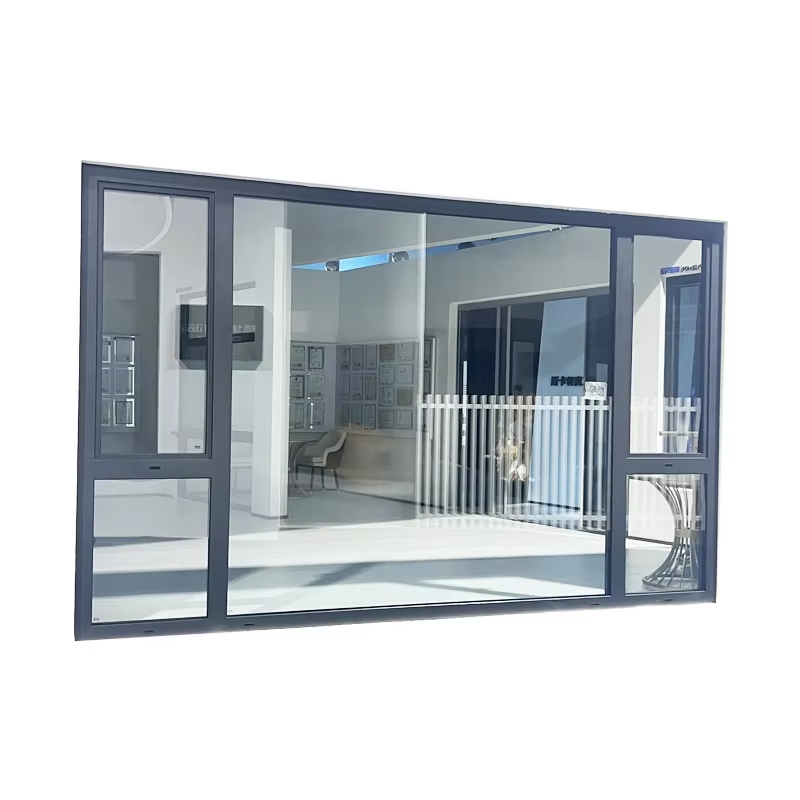
When designing and constructing large commercial buildings, selecting the right window frame materials becomes a critical decision that impacts everything from structural integrity to long-term operational costs. Among the various materials available, aluminum window frames have emerged as the preferred choice for architects, engineers, and building owners who need to balance performance, durability, and aesthetic appeal across expansive building facades.
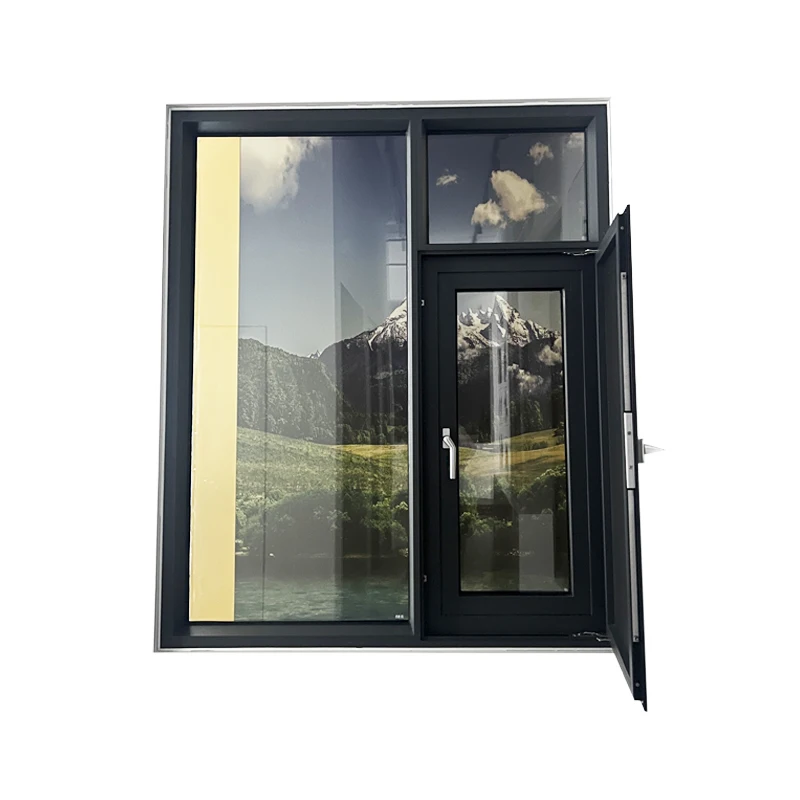
Large buildings present unique challenges that smaller residential structures simply don't face, including greater wind loads, thermal expansion considerations, and the need for consistent performance across hundreds or thousands of window units. The benefits of aluminum window frames become particularly pronounced in these demanding applications, where material properties, maintenance requirements, and lifecycle performance can significantly impact both initial construction costs and ongoing operational expenses.
Structural Performance Advantages in Large-Scale Applications
Superior Load-Bearing Capacity
Large buildings subject window frames to substantially higher structural loads than residential applications, making the inherent strength of aluminum window frames a significant advantage. The high strength-to-weight ratio of aluminum allows for the creation of robust frame profiles that can withstand wind loads, seismic forces, and building movement without compromising structural integrity. This characteristic becomes particularly important in high-rise construction where wind pressures increase with elevation.
The extruded aluminum profiles used in commercial aluminum window systems can be engineered with precise wall thicknesses and reinforcement patterns to meet specific structural requirements. This flexibility in design allows engineers to optimize frame performance for each building's unique load conditions while maintaining consistent aesthetic appearance across the entire facade.
Unlike materials that may degrade under repeated stress cycles, aluminum maintains its structural properties over time, ensuring that the window system continues to perform as designed throughout the building's operational life. This reliability is crucial for large buildings where window failure could result in significant safety concerns and costly repairs.
Dimensional Stability Under Thermal Stress
Large buildings experience significant temperature variations across their facades, particularly in tall structures where different elevations may be exposed to varying environmental conditions. Aluminum window frames demonstrate excellent dimensional stability under these thermal stress conditions, expanding and contracting predictably without warping, binding, or losing their structural alignment.
The thermal expansion coefficient of aluminum is well-understood and can be accommodated through proper design of expansion joints and frame connections. This predictable behavior allows engineers to design window wall systems that maintain proper operation and weather sealing even as the building structure undergoes thermal movement throughout seasonal cycles.
Modern aluminum window systems incorporate thermal break technology that further enhances performance by reducing heat transfer through the frame while maintaining structural continuity. This innovation addresses one of the traditional concerns about aluminum frames while preserving all the structural benefits that make them ideal for large building applications.
Economic Benefits and Lifecycle Value
Initial Cost Efficiency for Large-Scale Projects
When specified for large building projects, aluminum window frames offer significant economic advantages through economies of scale and standardization benefits. The manufacturing process for aluminum extrusions allows for cost-effective production of large quantities of identical frame components, reducing per-unit costs as project size increases.
The lightweight nature of aluminum window systems also reduces transportation costs and simplifies installation logistics for large projects. Construction crews can handle larger window units more easily, and the reduced weight puts less stress on building structures and crane systems during installation. These factors contribute to shorter construction schedules and reduced labor costs.
Additionally, the standardization possible with aluminum window systems allows for better inventory management, reduced waste, and simplified maintenance planning throughout the building's lifecycle. This standardization becomes increasingly valuable as building size and complexity increase.
Long-Term Maintenance Cost Reduction
Large buildings require maintenance strategies that minimize disruption to building operations while controlling costs over extended periods. Aluminum window frames excel in this regard due to their inherent resistance to corrosion, UV degradation, and weather-related deterioration that commonly affects other frame materials.
The powder coating and anodizing finishes available for aluminum window frames provide decades of protection without requiring regular painting or refinishing. This is particularly valuable for large buildings where accessing exterior windows for maintenance can be complex and expensive, often requiring specialized equipment and significant coordination with building occupants.
When maintenance is required, aluminum window components can often be repaired or replaced individually without affecting adjacent units. This modularity reduces maintenance costs and minimizes disruption to building operations compared to window systems that require more extensive interventions when problems occur.
Performance Characteristics for Commercial Applications
Weather Resistance and Building Envelope Integration
Large buildings present complex weather resistance challenges that aluminum window frames are uniquely equipped to handle. The material's natural corrosion resistance, combined with modern surface treatments, provides excellent protection against environmental factors including rain, humidity, temperature extremes, and air pollution common in urban environments.
Aluminum window systems can be designed with sophisticated drainage and pressure equalization features that effectively manage water infiltration across large facade areas. These systems work in conjunction with building envelope strategies to maintain interior comfort while protecting the building structure from moisture-related damage.
The precision manufacturing possible with aluminum extrusions ensures consistent tolerances and fit across all window units, which is critical for maintaining weather resistance performance when hundreds or thousands of windows must work together as an integrated building envelope system.
Energy Performance and Thermal Management
Modern aluminum window systems incorporate advanced thermal management features that address the energy performance needs of large commercial buildings. Thermal break technology interrupts heat conduction through the frame while maintaining structural integrity, significantly improving the overall thermal performance of the window assembly.
The ability to integrate high-performance glazing systems with aluminum window frames allows building designers to achieve stringent energy codes and green building certification requirements. The structural strength of aluminum frames supports large glazing units and advanced glass technologies including triple glazing, low-E coatings, and dynamic glazing systems.
For large buildings with significant cooling loads, the thermal performance of aluminum window systems can contribute meaningfully to overall energy efficiency and operational cost reduction. The consistent performance across all window units helps maintain uniform interior conditions and reduces strain on HVAC systems.
Design Flexibility and Architectural Integration
Aesthetic Consistency Across Large Facades
Large buildings require window systems that maintain visual consistency across expansive facade areas while accommodating the architectural vision for the project. Aluminum window frames offer exceptional design flexibility through the wide range of profiles, finishes, and configurations available through the extrusion manufacturing process.
The ability to create custom aluminum profiles allows architects to develop unique window designs that align with specific aesthetic goals while maintaining the performance characteristics needed for large building applications. Color consistency across large quantities of aluminum window units ensures that the architectural intent is preserved throughout the entire facade.
Aluminum window systems can accommodate various glazing configurations, opening types, and architectural details within a consistent frame family, providing design flexibility while simplifying specification, procurement, and installation processes for large projects.
Integration with Modern Building Technologies
Contemporary large buildings increasingly incorporate advanced building technologies including automated window controls, integrated shading systems, and smart building sensors. Aluminum window frames provide an ideal platform for integrating these technologies due to the material's compatibility with electronic components and the precision manufacturing that ensures consistent mounting and connection points.
The structural properties of aluminum allow for the integration of motorized operators and automated control systems without compromising window performance or reliability. This capability becomes particularly valuable in large buildings where manual operation of all windows would be impractical.
Advanced aluminum window systems can also incorporate sensors for monitoring window position, weather conditions, and building performance metrics, contributing to intelligent building management systems that optimize comfort and energy efficiency across the entire structure.
FAQ
How do aluminum window frames perform in high-wind conditions common to large buildings?
Aluminum window frames excel in high-wind conditions due to their superior strength-to-weight ratio and structural integrity. The material's ability to maintain dimensional stability under load, combined with engineered frame profiles designed for specific wind load requirements, makes aluminum windows particularly suitable for tall buildings and exposed locations where wind pressures are elevated.
What maintenance advantages do aluminum window frames offer for large building owners?
Large building owners benefit from aluminum window frames through reduced maintenance frequency and simplified service procedures. The corrosion-resistant properties of aluminum, combined with durable surface finishes, eliminate the need for regular painting or refinishing. When maintenance is required, individual components can typically be serviced without affecting adjacent windows, minimizing disruption to building operations.
Can aluminum window frames meet the energy efficiency requirements for modern commercial buildings?
Modern aluminum window systems with thermal break technology can achieve excellent energy performance ratings that meet or exceed current commercial building energy codes. The combination of thermally broken aluminum frames with high-performance glazing systems allows these windows to contribute positively to overall building energy efficiency while maintaining all the structural and durability advantages of aluminum construction.
How do aluminum window frames compare to other materials in terms of lifecycle costs for large buildings?
For large building applications, aluminum window frames typically offer superior lifecycle value through their combination of competitive initial costs, minimal maintenance requirements, and long service life. The durability and consistent performance of aluminum frames reduce replacement frequency and maintenance interventions, while their structural reliability helps avoid costly emergency repairs that can occur with less robust frame materials.
Table of Contents
- Structural Performance Advantages in Large-Scale Applications
- Economic Benefits and Lifecycle Value
- Performance Characteristics for Commercial Applications
- Design Flexibility and Architectural Integration
-
FAQ
- How do aluminum window frames perform in high-wind conditions common to large buildings?
- What maintenance advantages do aluminum window frames offer for large building owners?
- Can aluminum window frames meet the energy efficiency requirements for modern commercial buildings?
- How do aluminum window frames compare to other materials in terms of lifecycle costs for large buildings?