 EN
EN

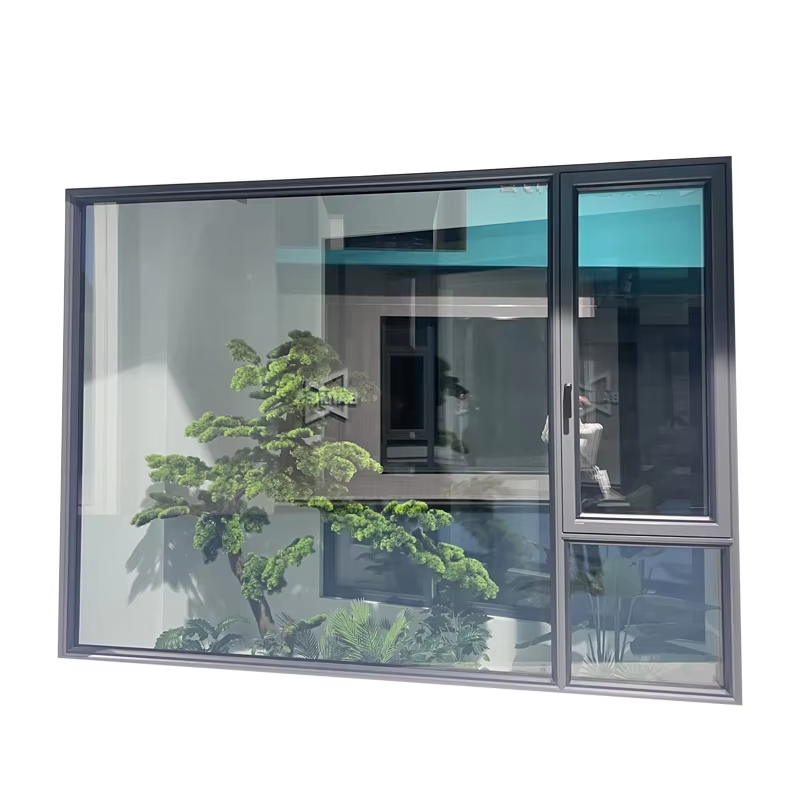
When selecting windows for modern buildings, architects and property owners face a critical decision that impacts both operational costs and long-term structural integrity. Aluminum window designs have evolved significantly to address the dual challenge of maximizing energy efficiency while ensuring exceptional durability. The choice of specific design features, glazing configurations, and thermal management systems within aluminum window frameworks directly determines a building's energy performance and the window's lifespan under various environmental conditions.
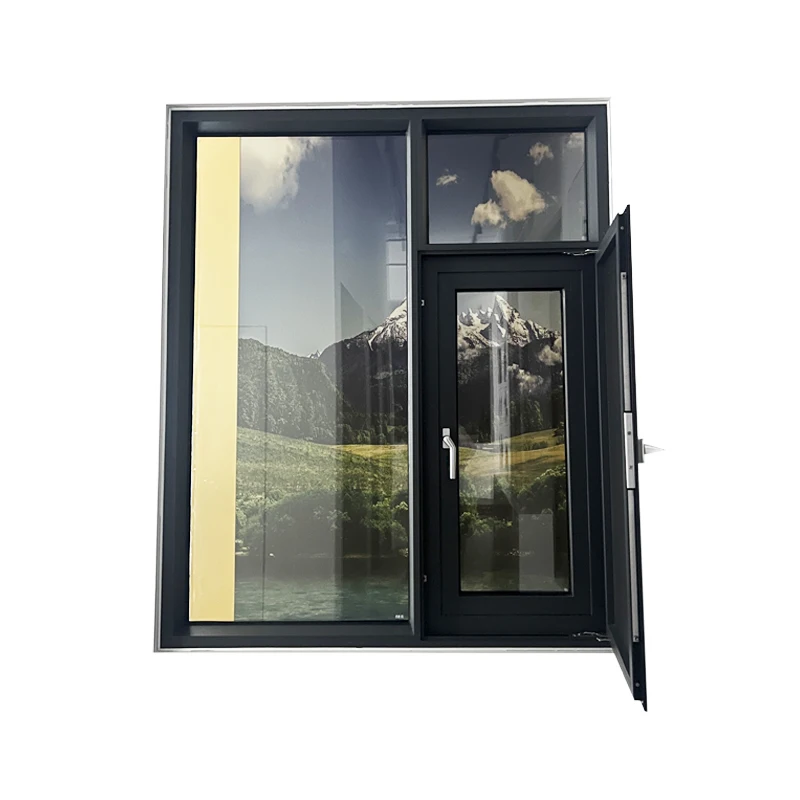
The effectiveness of an aluminum window in delivering both energy savings and structural longevity depends on sophisticated engineering approaches that address aluminum's inherent thermal conductivity while leveraging its superior strength characteristics. Modern aluminum window designs incorporate thermal break technology, advanced glazing systems, and precision-engineered profiles that transform potential weaknesses into competitive advantages. Understanding which specific design elements contribute most significantly to these dual objectives enables informed decision-making for both new construction and renovation projects.
Thermal Break Technology in Aluminum Window Design
Polyamide Thermal Break Systems
The integration of polyamide thermal break systems represents the most significant advancement in aluminum window energy efficiency. These systems insert non-conductive polyamide strips between the interior and exterior aluminum profiles, effectively interrupting the thermal bridge that would otherwise conduct heat and cold through the window frame. High-performance aluminum window designs utilize thermal breaks with widths ranging from 14.8mm to 34mm, with wider breaks providing superior insulation performance.
Advanced polyamide thermal break systems incorporate glass fiber reinforcement to maintain structural integrity while maximizing thermal resistance. The selection of thermal break width directly correlates with the aluminum window's U-value performance, with wider systems achieving U-values as low as 1.2 W/m²K. Professional installation ensures proper alignment and compression of thermal break components, preventing thermal bridging that can compromise energy efficiency by up to 25%.
Aerogel-Enhanced Thermal Barriers
Cutting-edge aluminum window designs now incorporate aerogel-enhanced thermal barriers within the frame structure. These ultra-lightweight materials, containing up to 99% air, provide exceptional insulation properties while maintaining the structural advantages of aluminum construction. Aerogel integration typically occurs within specially designed cavities in the aluminum window profile, creating thermal resistance zones that significantly reduce heat transfer.
The durability benefits of aerogel-enhanced systems extend beyond thermal performance, as these materials resist moisture absorption and maintain their insulating properties over extended periods. Aluminum window systems with aerogel enhancement demonstrate reduced thermal cycling stress on glazing seals and hardware components, contributing to overall system longevity.
Advanced Glazing Integration Strategies
Triple Glazing Compatibility
Modern aluminum window designs accommodate triple glazing systems without compromising structural integrity or operational functionality. The enhanced frame depth and reinforcement required for triple glazing integration demand precise engineering to maintain the aluminum window's thermal break effectiveness while supporting increased glazing weight. Typical triple-glazed aluminum window configurations achieve center-of-glass U-values of 0.6 W/m²K or lower.
The durability advantages of triple glazing in aluminum window applications include reduced condensation risk, enhanced acoustic performance, and decreased thermal stress on frame components. Proper drainage design within the aluminum window frame prevents moisture accumulation that could compromise long-term performance. Advanced glazing retention systems distribute glazing loads evenly across the frame structure, preventing localized stress concentrations that can lead to premature failure.
Low-E Coating Optimization
Strategic placement and selection of low-emissivity coatings within aluminum window glazing systems maximizes both energy efficiency and coating durability. Surface 2 placement in double-glazed configurations or Surface 2 and 5 placement in triple-glazed systems provides optimal thermal performance while protecting the coating from environmental exposure. High-performance aluminum window designs specify low-E coatings with emissivity values below 0.04.
Durability considerations for low-E coatings in aluminum window applications include protection from mechanical damage during installation and operation. Advanced glazing systems incorporate protective edge sealing that prevents coating degradation from moisture or contaminant exposure. The selection of appropriate spacer materials and sealants ensures long-term adhesion and prevents coating delamination that can compromise both appearance and performance.
Profile Design and Structural Optimization
Multi-Chamber Profile Architecture
Sophisticated aluminum window profiles incorporate multi-chamber designs that create additional thermal resistance zones while maintaining structural strength. These chambers, strategically positioned within the frame cross-section, trap air to reduce convective heat transfer and provide spaces for insulation material placement. Advanced aluminum window systems feature up to seven separate chambers within a single profile.
The durability benefits of multi-chamber aluminum window profiles include enhanced resistance to thermal expansion and contraction, reduced stress on glazing seals, and improved water management capabilities. Internal drainage channels within the chamber system ensure proper moisture evacuation, preventing water accumulation that can cause corrosion or freeze-damage in cold climates. Reinforcement ribs within the chamber structure maintain profile integrity under wind loads and operational stresses.
Precision Tolerances and Fit Systems
High-performance aluminum window designs achieve superior energy efficiency and durability through precise manufacturing tolerances and advanced fit systems. Tolerance control within ±0.1mm ensures consistent thermal break alignment and weatherseal compression across the entire window assembly. Advanced aluminum window manufacturing utilizes CNC machining and laser cutting to achieve these precision requirements.
The fit systems within precision-manufactured aluminum window assemblies include progressive weatherstripping arrangements that create multiple barriers against air and water infiltration. These systems typically incorporate primary and secondary seal lines with different compression characteristics to accommodate thermal movement while maintaining sealing effectiveness. Proper fit system design ensures aluminum window assemblies maintain their performance characteristics throughout their operational lifespan.
Hardware Integration and Operational Durability
Concealed Drainage Systems
Advanced aluminum window designs incorporate concealed drainage systems that manage water infiltration without compromising thermal performance or aesthetic appeal. These systems feature precision-machined drainage channels within the frame structure that direct water away from critical sealing zones while maintaining thermal break integrity. Proper drainage design prevents water accumulation that can cause operational problems or structural damage.
The long-term durability of concealed drainage systems in aluminum window applications depends on proper slope design and debris management strategies. Self-cleaning drainage channels with smooth internal surfaces minimize maintenance requirements while ensuring consistent water evacuation performance. Advanced systems incorporate removable drainage inserts that facilitate cleaning and maintenance without frame disassembly.
Compression-Resistant Hardware Mounting
Durable aluminum window designs utilize compression-resistant hardware mounting systems that maintain operational integrity under thermal cycling and wind loads. These systems distribute hardware attachment forces across reinforced zones within the aluminum window profile, preventing localized deformation that can affect operation or sealing performance. Advanced mounting systems incorporate thermal isolation to prevent hardware-induced thermal bridging.
The selection of hardware materials and finishes for aluminum window applications requires consideration of galvanic compatibility and environmental resistance. Stainless steel hardware components with appropriate passivation treatments provide optimal corrosion resistance in direct contact with aluminum frames. Proper hardware adjustment and maintenance procedures ensure aluminum window systems maintain smooth operation throughout their service life.
Performance Testing and Certification Standards
Thermal Performance Verification
Comprehensive thermal performance testing of aluminum window designs validates energy efficiency claims through standardized testing protocols. NFRC certification requires testing of complete window assemblies under controlled laboratory conditions to determine accurate U-factor, Solar Heat Gain Coefficient, and Visible Transmittance values. These tests account for the complete thermal performance of the aluminum window system including frame, glazing, and spacer contributions.
Advanced aluminum window manufacturers conduct additional thermal imaging and computer modeling to optimize design performance beyond minimum certification requirements. These analyses identify thermal bridging locations and quantify the effectiveness of thermal break systems under various operating conditions. Performance verification testing ensures aluminum window designs meet specified energy efficiency targets in real-world applications.
Durability and Weather Resistance Testing
Structural durability testing of aluminum window designs evaluates long-term performance under simulated weather conditions and operational cycles. Standard testing protocols include water penetration resistance, air infiltration control, and structural load capacity under wind conditions. Advanced testing programs for aluminum window systems include thermal cycling, UV exposure, and corrosion resistance evaluations.
The results of comprehensive durability testing inform design optimization and material selection decisions for aluminum window systems. Testing data provides quantitative evidence of expected service life and maintenance requirements under various environmental conditions. Professional specification of aluminum window systems should reference appropriate testing standards and certification requirements for the intended application.
FAQ
How do thermal breaks in aluminum windows affect both energy efficiency and structural durability?
Thermal breaks in aluminum windows interrupt heat conduction through the frame while maintaining structural integrity by using reinforced polyamide strips. This design reduces heat transfer by up to 75% compared to non-thermal break systems, while the reinforcement prevents thermal stress that can cause seal failure and operational problems. The thermal break also reduces condensation formation, which protects both the window system and surrounding building materials from moisture damage.
What glazing configurations provide the best balance of energy efficiency and long-term durability in aluminum windows?
Triple glazing with low-E coatings on surfaces 2 and 5 provides optimal energy performance, achieving U-values below 0.8 W/m²K while reducing thermal stress on the aluminum frame through better temperature stability. The additional glazing layer also provides enhanced acoustic performance and reduces UV transmission that can degrade interior materials. Proper spacer selection and edge sealing ensure the glazing system maintains performance over its expected 20-30 year service life.
Which aluminum window profile designs offer the greatest resistance to thermal cycling and weather exposure?
Multi-chamber aluminum window profiles with integrated thermal breaks and precision drainage systems provide superior resistance to thermal cycling and weather exposure. These designs distribute thermal stresses across multiple structural zones while managing moisture infiltration that can cause corrosion or operational problems. Profiles with reinforcement ribs and compression-resistant hardware mounting zones maintain structural integrity and operational smoothness throughout their service life.
How does proper installation affect the long-term energy efficiency and durability of aluminum window systems?
Professional installation ensures proper thermal break alignment, weatherseal compression, and drainage system functionality that directly impacts both energy performance and system longevity. Incorrect installation can create thermal bridging that reduces energy efficiency by 25% or more, while improper sealing allows water infiltration that can cause operational problems and premature system failure. Proper structural attachment and glazing installation techniques prevent stress concentrations that can lead to seal failure or hardware malfunction over time.
Table of Contents
- Thermal Break Technology in Aluminum Window Design
- Advanced Glazing Integration Strategies
- Profile Design and Structural Optimization
- Hardware Integration and Operational Durability
- Performance Testing and Certification Standards
-
FAQ
- How do thermal breaks in aluminum windows affect both energy efficiency and structural durability?
- What glazing configurations provide the best balance of energy efficiency and long-term durability in aluminum windows?
- Which aluminum window profile designs offer the greatest resistance to thermal cycling and weather exposure?
- How does proper installation affect the long-term energy efficiency and durability of aluminum window systems?