 EN
EN

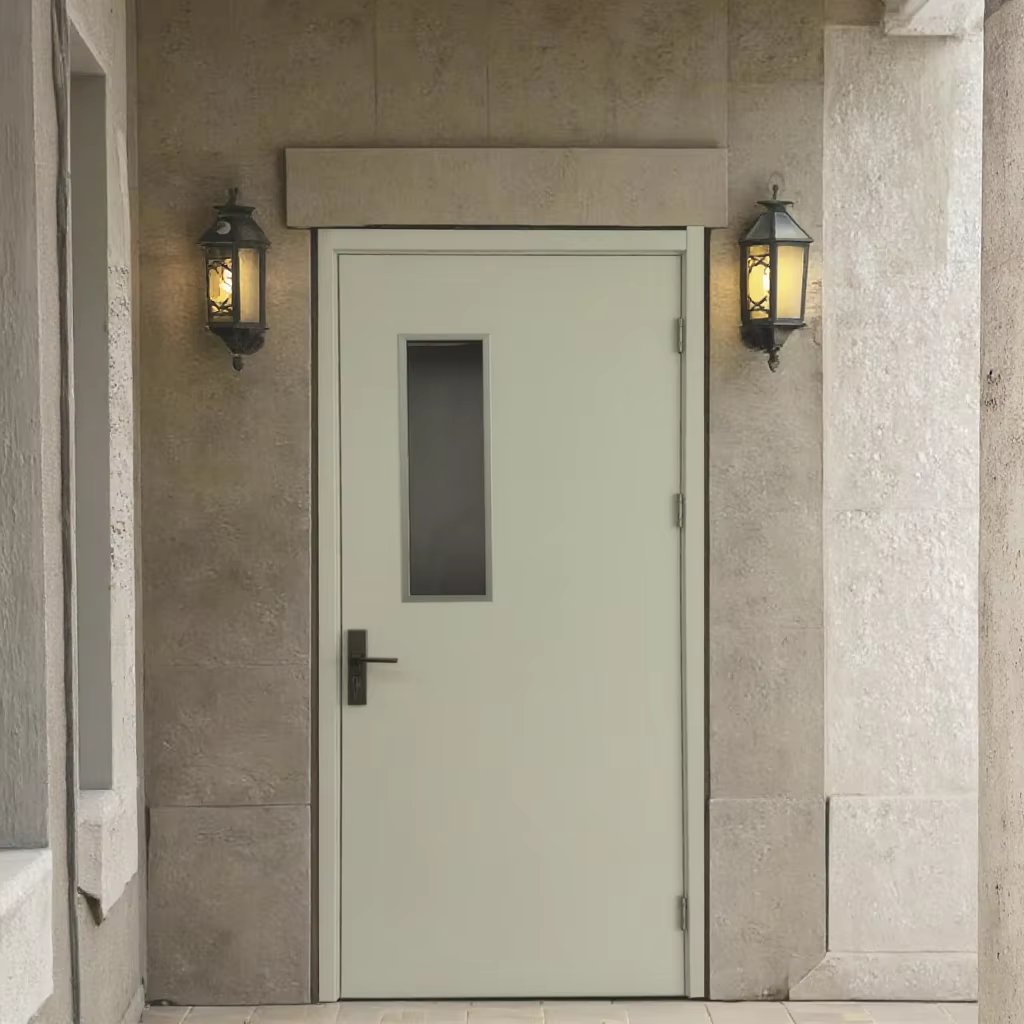
Selecting the right door material for moisture-prone environments requires careful consideration of performance characteristics, durability factors, and long-term maintenance requirements. Wood Plastic Composite (WPC) doors have emerged as a leading solution for buildings exposed to high humidity, water exposure, and challenging environmental conditions where traditional materials often fail to deliver adequate protection.
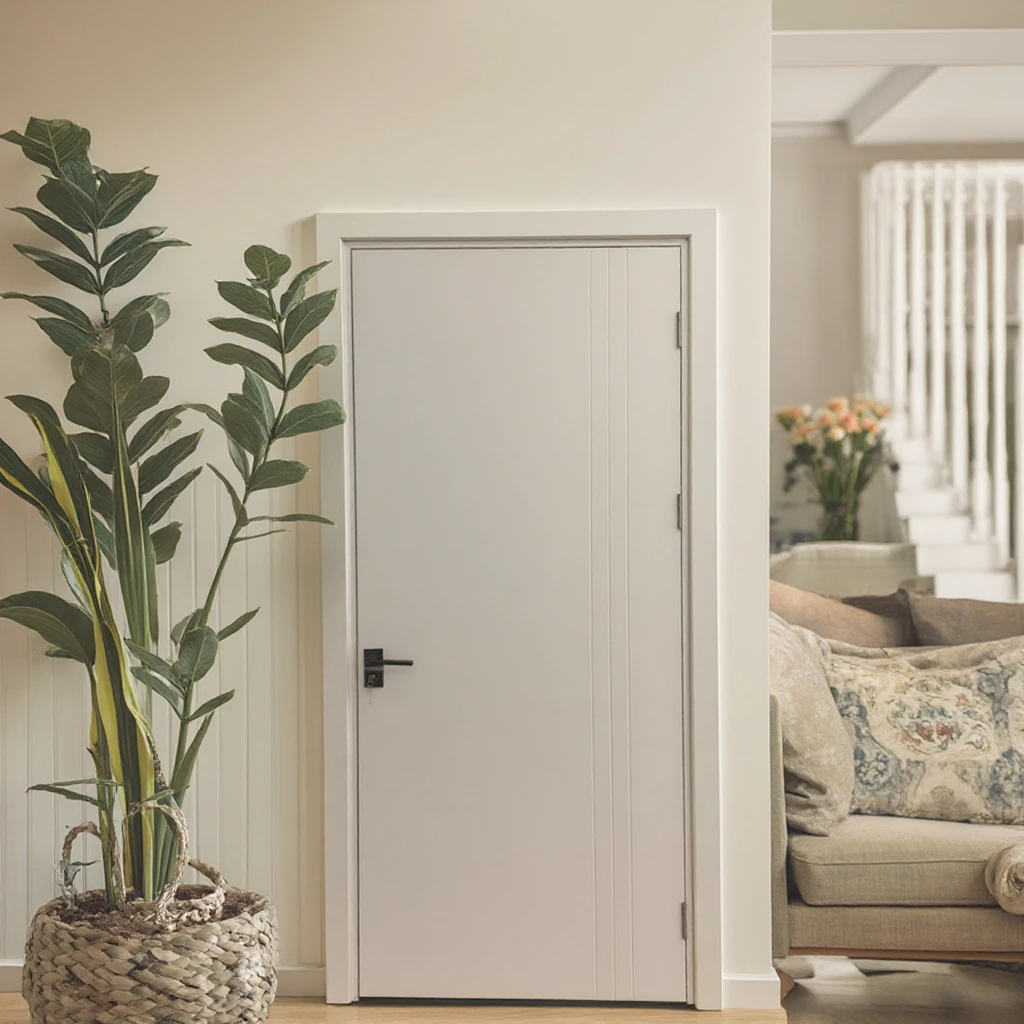
The decision-making process for moisture-resistant building applications involves analyzing specific environmental challenges, evaluating material properties, and understanding installation requirements that ensure optimal performance. This comprehensive selection approach helps building professionals make informed choices that protect structural integrity while maintaining functional and aesthetic standards in demanding moisture conditions.
Understanding WPC Door Material Composition for Moisture Resistance
Core Material Structure and Water Resistance Properties
WPC doors combine wood fiber content with thermoplastic polymers to create a composite material specifically engineered for moisture resistance. The typical composition includes 50-70% wood fiber mixed with polyvinyl chloride (PVC) or polyethylene, resulting in a material that maintains wood-like appearance while delivering superior water resistance compared to solid wood alternatives.
The cellular structure of quality WPC doors features closed-cell foam core technology that prevents water absorption and maintains dimensional stability under varying humidity conditions. This engineered composition eliminates the swelling, warping, and rotting issues commonly associated with traditional wood doors in moisture-rich environments.
Manufacturing processes for premium wpc doors include advanced extrusion techniques that ensure uniform density distribution and eliminate weak points where moisture could penetrate. The resulting material demonstrates excellent resistance to humidity fluctuations, direct water contact, and freeze-thaw cycles that challenge building materials in demanding applications.
Surface Treatment and Protective Coating Systems
Advanced surface treatment technologies enhance the natural moisture resistance of wpc doors through specialized coating applications that create additional protective barriers. These treatments typically include UV-resistant finishes that prevent degradation from sunlight exposure while maintaining water repellency characteristics essential for exterior and high-moisture interior applications.
Protective coating systems for wpc doors often incorporate antimicrobial additives that prevent mold and mildew growth on door surfaces exposed to persistent moisture conditions. These treatments maintain door appearance and functionality while reducing maintenance requirements compared to untreated alternatives that may require regular refinishing or replacement.
Quality surface treatments also provide enhanced cleanability features that allow easy removal of moisture-related stains, mineral deposits, and biological growth without compromising the underlying door material integrity. This characteristic proves particularly valuable in commercial and institutional applications where hygiene standards demand regular cleaning protocols.
Environmental Assessment and Application Suitability Analysis
Moisture Level Evaluation and Building Conditions
Effective selection of wpc doors begins with comprehensive assessment of environmental moisture conditions including relative humidity levels, water exposure frequency, and seasonal variation patterns that affect door performance. Buildings located in coastal regions, areas with high precipitation, or facilities with steam-generating processes require doors capable of withstanding extreme moisture conditions without performance degradation.
Interior applications such as bathrooms, laundry facilities, pool areas, and commercial kitchens present unique moisture challenges that demand careful evaluation of vapor transmission rates, condensation potential, and direct water contact scenarios. Understanding these specific conditions helps determine appropriate wpc door specifications and installation requirements for optimal performance.
Building envelope analysis should include examination of ventilation systems, waterproofing measures, and drainage effectiveness that influence moisture accumulation around door installations. Proper environmental assessment ensures that wpc doors are specified for conditions within their performance capabilities while identifying any supplementary measures needed for complete moisture protection.
Climate Zone Considerations and Seasonal Performance
Geographic climate zones significantly impact wpc door performance requirements, with tropical regions demanding maximum moisture resistance while temperate zones may prioritize dimensional stability through seasonal humidity changes. Understanding local climate patterns helps predict long-term performance characteristics and maintenance needs for wpc doors in specific applications.
Temperature fluctuation analysis proves crucial for wpc doors in applications experiencing significant seasonal variation, as thermal expansion and contraction cycles can affect door fit, operation, and sealing effectiveness. Quality wpc doors demonstrate minimal dimensional change across temperature ranges, maintaining consistent performance throughout seasonal transitions.
Freeze-thaw cycle resistance becomes particularly important for wpc doors in exterior applications or unheated spaces where water may freeze within door components. Premium wpc door construction incorporates design features that accommodate thermal cycling without compromising structural integrity or moisture resistance properties.
Performance Specifications and Quality Standards Evaluation
Water Absorption Testing and Performance Metrics
Industry standard water absorption testing provides quantitative data for comparing wpc doors from different manufacturers, with quality products typically demonstrating absorption rates below 1% after 24-hour immersion testing. These performance metrics indicate the door's ability to resist moisture penetration and maintain dimensional stability under direct water exposure conditions.
Comprehensive performance evaluation should include cyclic humidity testing that simulates real-world moisture exposure patterns, measuring door dimensional changes, surface integrity, and operational characteristics after extended exposure cycles. This testing approach provides more accurate performance predictions than single-point measurements for moisture-critical applications.
Salt spray testing results become relevant for wpc doors in coastal applications or facilities using salt-based de-icing materials, as these conditions can accelerate material degradation in inferior products. Quality wpc doors demonstrate excellent corrosion resistance and maintain performance characteristics even under aggressive salt exposure conditions.
Structural Integrity and Load-Bearing Capabilities
Load-bearing capacity analysis ensures that selected wpc doors maintain structural performance under moisture conditions that might weaken traditional materials. Quality wpc doors demonstrate consistent strength characteristics regardless of humidity levels, providing reliable performance throughout their service life in demanding applications.
Impact resistance testing becomes particularly important for wpc doors in high-traffic moisture areas where mechanical damage could compromise water resistance properties. Premium wpc door construction incorporates reinforcement strategies that maintain both structural integrity and moisture resistance even after impact events.
Hardware compatibility evaluation ensures that selected wpc doors can accommodate necessary locks, hinges, and sealing systems without creating moisture penetration paths. Proper hardware integration maintains the door's moisture resistance while providing required security and operational functionality for specific applications.
Installation Requirements and Moisture Protection Systems
Proper Sealing and Weatherproofing Techniques
Effective installation of wpc doors in moisture-resistant applications requires comprehensive sealing systems that complement the door's inherent water resistance properties. Professional installation techniques include proper threshold design, weatherstrip selection, and caulking applications that create complete moisture barriers around door perimeters.
Vapor barrier integration becomes crucial for wpc doors in applications where moisture migration through wall systems could compromise door performance or building envelope integrity. Proper vapor barrier installation and sealing ensures that moisture control measures work synergistically with wpc door properties for maximum protection effectiveness.
Drainage system coordination ensures that water accumulation around wpc door installations is properly managed through adequate slope, drain placement, and waterproofing measures. Effective drainage prevents standing water conditions that could challenge even the most moisture-resistant door materials over extended periods.
Frame Selection and Compatibility Considerations
Frame material selection significantly impacts the overall moisture resistance of wpc door installations, with options including matching WPC frames, aluminum systems, or composite materials that provide compatible expansion characteristics and moisture resistance properties. Proper frame selection ensures uniform performance across the complete door assembly.
Thermal break integration in frame systems prevents condensation formation that could compromise wpc door performance in applications with significant temperature differentials. Advanced frame designs incorporate thermal isolation features that maintain surface temperatures above dew point levels, preventing moisture-related problems.
Adjustment mechanisms in quality frame systems accommodate minor building settlement or seasonal movement without compromising wpc door fit or sealing effectiveness. This adjustability ensures long-term performance maintenance while preventing gap formation that could allow moisture penetration.
Long-Term Performance and Maintenance Considerations
Service Life Expectations and Warranty Coverage
Quality wpc doors in moisture-resistant applications typically demonstrate service lives exceeding 20 years with minimal maintenance requirements compared to traditional wood doors that may require replacement every 5-10 years in similar conditions. Understanding realistic service life expectations helps justify initial investment costs through reduced replacement and maintenance expenses.
Warranty coverage analysis reveals manufacturer confidence in wpc door performance under moisture conditions, with comprehensive warranties typically covering material degradation, water damage, and operational characteristics for extended periods. Strong warranty support indicates proven performance history and manufacturer commitment to product quality.
Performance monitoring protocols help identify any developing issues before they compromise moisture resistance effectiveness, with simple visual inspections and operational checks providing early warning of potential problems requiring attention. Proactive monitoring maximizes wpc door service life and maintains optimal performance characteristics.
Cleaning and Maintenance Protocol Development
Effective maintenance protocols for wpc doors in moisture applications focus on surface cleaning, hardware lubrication, and sealing system inspection rather than the refinishing requirements associated with traditional wood doors. This simplified maintenance approach reduces ongoing costs while maintaining performance standards.
Seasonal maintenance schedules should address specific challenges related to moisture exposure, including drain clearing, weatherstrip inspection, and hardware adjustment that ensures continued optimal performance throughout varying environmental conditions. Regular maintenance prevents minor issues from developing into major problems requiring door replacement.
Documentation of maintenance activities and performance observations provides valuable data for predicting future service needs and optimizing replacement timing when wpc doors eventually reach the end of their service life. Proper record-keeping supports cost-effective building maintenance planning and budgeting processes.
FAQ
How do WPC doors compare to solid wood doors in high-humidity environments?
WPC doors significantly outperform solid wood doors in high-humidity environments due to their engineered composition that prevents water absorption, swelling, and dimensional changes. While solid wood doors may warp, rot, or require frequent refinishing in moisture-rich conditions, wpc doors maintain their shape, functionality, and appearance with minimal maintenance requirements over extended service periods.
What moisture levels can WPC doors withstand without performance degradation?
Quality wpc doors can withstand continuous relative humidity levels up to 95% and direct water exposure without significant performance degradation. However, proper installation with adequate sealing and drainage systems remains essential for optimal performance, as even moisture-resistant materials require proper integration with building systems to achieve maximum effectiveness in challenging environments.
Are special installation techniques required for WPC doors in moisture-prone areas?
Yes, wpc doors in moisture-prone areas require specialized installation techniques including proper vapor barriers, comprehensive weatherstripping, effective drainage systems, and compatible frame materials. Professional installation ensures that the door's inherent moisture resistance properties are supported by appropriate sealing and protection measures that create complete moisture barriers around the door assembly.
How long do WPC doors typically last in coastal or high-moisture commercial applications?
WPC doors in coastal or high-moisture commercial applications typically demonstrate service lives of 15-25 years depending on specific environmental conditions, installation quality, and maintenance practices. This represents significant improvement over traditional wood doors that may require replacement every 5-8 years in similar conditions, making wpc doors a cost-effective long-term solution for challenging moisture environments.
Table of Contents
- Understanding WPC Door Material Composition for Moisture Resistance
- Environmental Assessment and Application Suitability Analysis
- Performance Specifications and Quality Standards Evaluation
- Installation Requirements and Moisture Protection Systems
- Long-Term Performance and Maintenance Considerations
-
FAQ
- How do WPC doors compare to solid wood doors in high-humidity environments?
- What moisture levels can WPC doors withstand without performance degradation?
- Are special installation techniques required for WPC doors in moisture-prone areas?
- How long do WPC doors typically last in coastal or high-moisture commercial applications?